
%201.svg)


How Long Does It Take Paint to Dry?
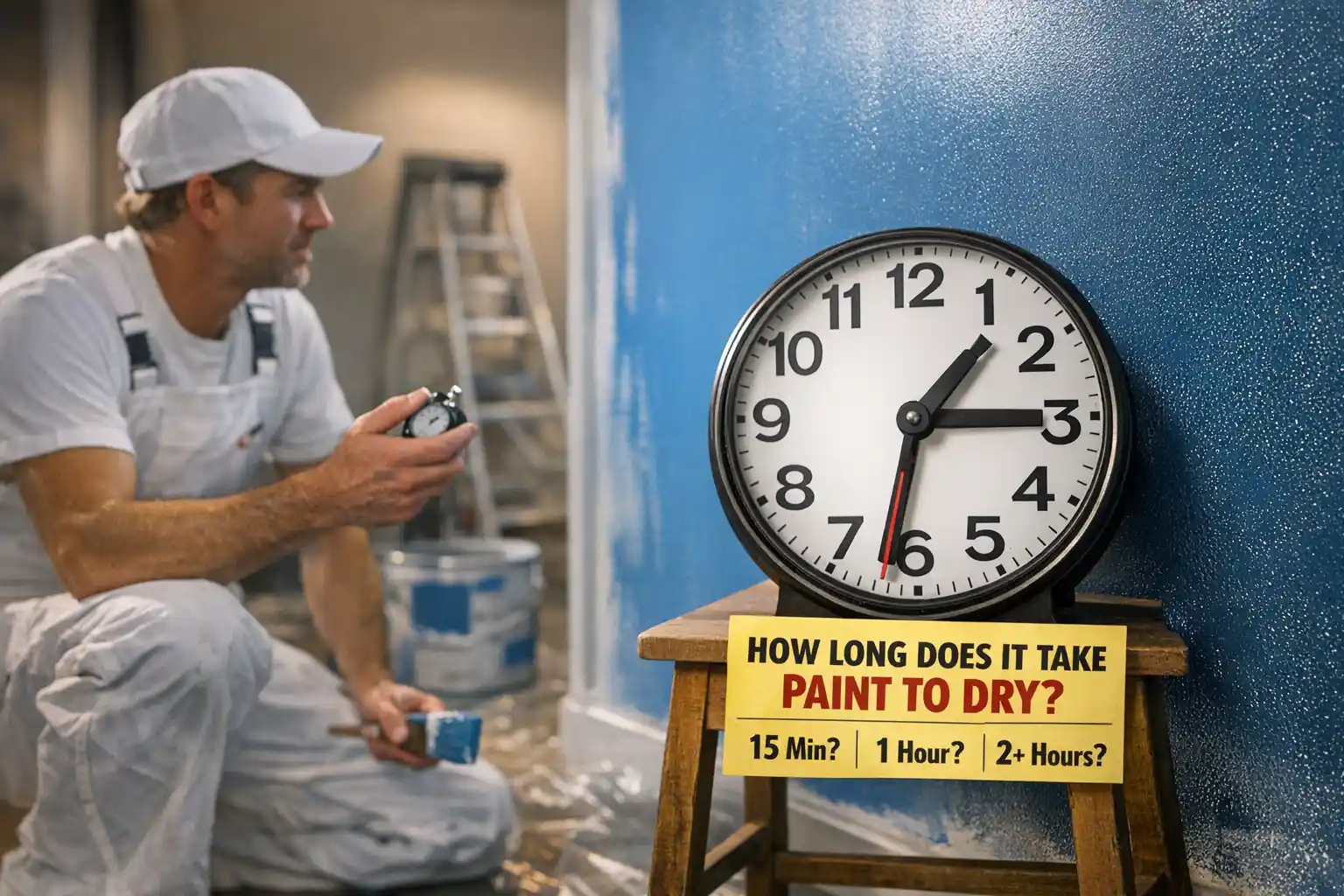
Key Takeaway:
How long does it take paint to dry? Most modern latex and acrylic paints are dry to the touch in 1-2 hours, with oil-based paints requiring 6-8 hours, but true full curing for maximum durability can take days to weeks—especially in damp or cool climates. Understanding the difference between 'dry to the touch' and 'fully cured' is essential for proper timing of additional coats, moving furniture, or exposing painted surfaces to regular use.
Introduction: Why Drying Time Matters for Every Paint Job
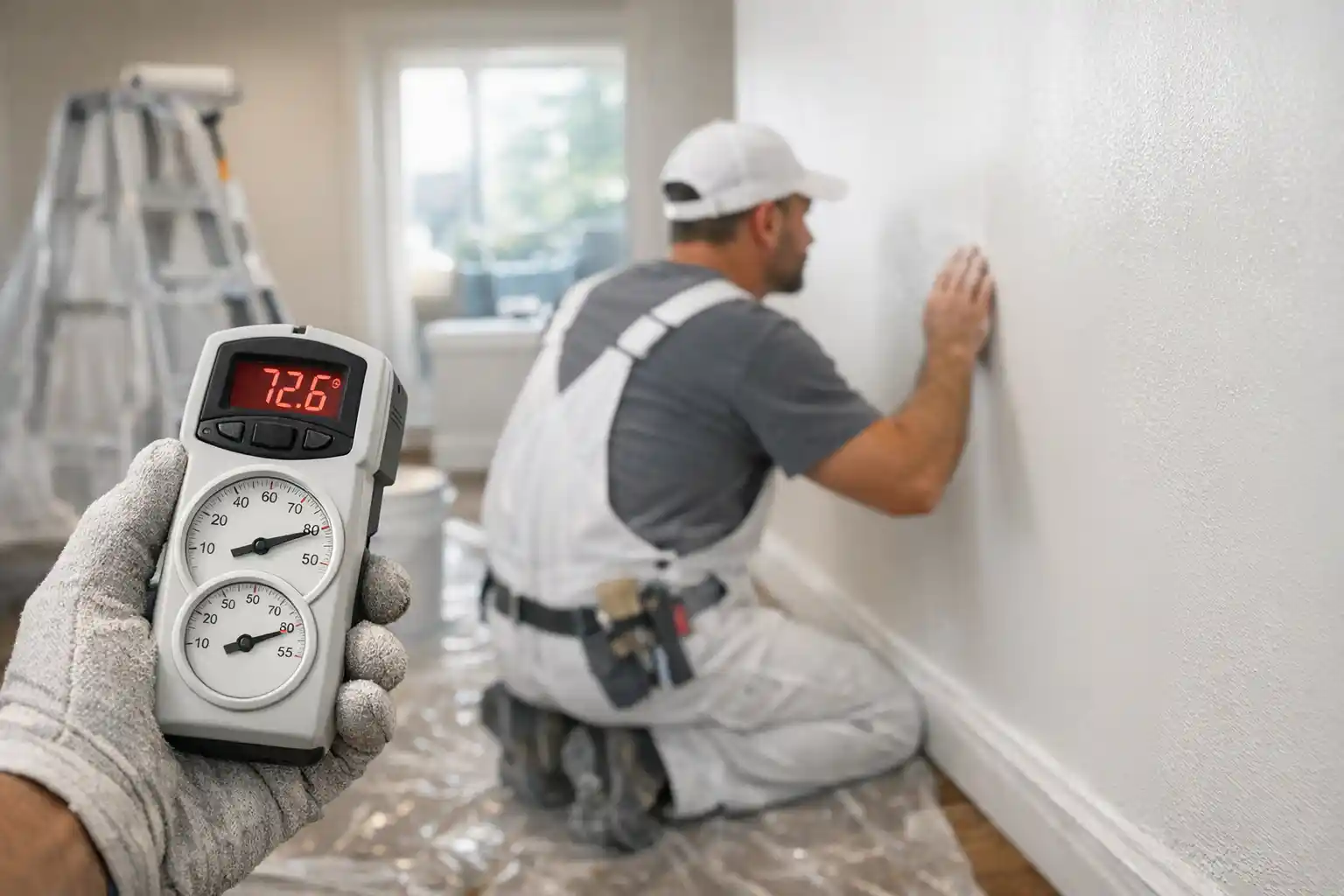
More Than Just Waiting Around: Drying vs. Curing
Every homeowner has asked it: How long does it take paint to dry? But if you’ve ever touched a freshly painted wall that seemed dry, only to end up with paint on your finger (or stuck furniture), you already know there’s more to paint drying than meets the eye. The process isn’t just about waiting for a surface dry—it’s about letting your investment fully cure so your job lasts.
What Homeowners Actually Need to Know
Drying isn’t about crossing your fingers and hoping for the best. Whether you’re brushing fresh paint on drywall, painting trim, or making big changes in your home, every step—from the first coat to the last—relies on a basic understanding of how paint dries and cures. That’s how you avoid an uneven finish, sticky cabinets, or even early failure of your paint job. This guide cuts through the marketing and wishful thinking to help you plan your next project with confidence.
The Basics: What Affects Paint Drying Time?
Paint Chemistry: Latex, Oil-Based, and Hybrid Blends
Not all paints dry at the same speed. Latex paints (also called water based paint) and acrylic paints are formulated for quicker dry times, while oil based paints generally need much longer before they’re safe to recoat—or even touch.
The science is simple: paint starts as a blend of pigments, binders, and solvents (water or oil). The drying process depends on those solvents evaporating from the painted surface at the right speed. Too slow, and you’ll get drips and tackiness. Too fast, and you risk cracking or finish defects.
Environmental Conditions: Temperature, Humidity, and Airflow
No matter what your paint can claims, environmental conditions play a huge role in drying success. High humidity and cold weather both slow evaporation, increasing dry time and risking poor adhesion. Proper ventilation and good air circulation are crucial for allowing solvents to evaporate adequately—and accelerating drying safely. On the flip side, excess airflow or heat (from air conditioning, direct sun, or heaters) can dry the surface too quickly, trapping moisture below and causing an uneven finish later.
How Manufacturer Labels Can Be Misleading
Paint cans love to promise 'dries in one hour'—but those numbers assume ideal conditions (about 70°F and 50% humidity). Real rooms, especially in older or drafty homes, can stretch actual drying times out much longer. Always treat the label as a minimum. The common painting problems in homes often stem from misreading these instructions.
Quick Tips: Most latex paint is dry to the touch within 1-2 hours, but wait 3-4 hours before applying a second coat—even longer for oil-based paints. Always check paint type and your room’s conditions. When in doubt, allow more time, not less.
Dry to the Touch vs. Fully Cured: What’s the Difference?
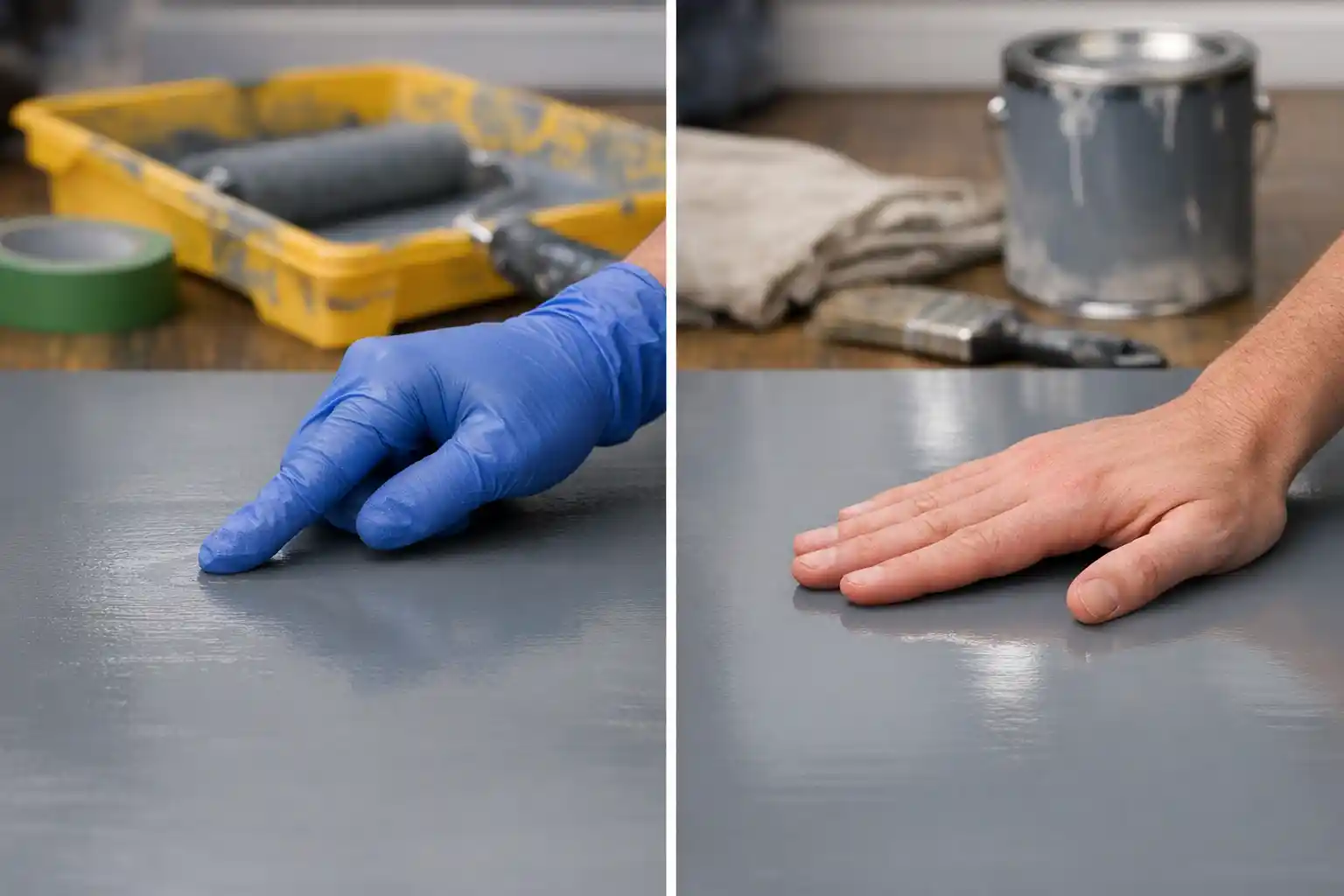
Why Dry Isn’t Done: The Real Risks of Premature Use
'Dry to the touch' often means you can press a finger to the painted surface without picking up color. But that doesn’t mean the paint has achieved maximum hardness or is ready for daily use. Cure time is the hidden factor that separates a finished job from a professional result.
How 'Cure Time' Protects Your Paint Job
Curing is the process where the paint completes its chemical transformation as all the solvents evaporate and binders harden—making the dried paint film tough, stain-resistant, and washable. For latex and acrylic paints, expect 2-4 weeks to fully cure. For oil based paints, allow at least 7-14 days, depending on environmental conditions. Rushing the timeline can spell disaster for kitchen cabinets, doors, and high-traffic areas.
Common Mistakes We See with Early Handling
We’ve seen furniture stuck to walls, decorative trim smudged, or surface 'prints' from using rooms too soon. These mistakes aren’t just minor—they can permanently damage your paint job and even void professional warranties.
Quick Tips: If paint feels dry but marks easily, sticks to tape, or smells strongly, it’s not fully cured. Wait the full cure time before pushing furniture against walls or cleaning surfaces aggressively.
How Paint Type Changes Drying Time
Latex & Acrylic Paints: Speed with Limitations
These paints are the go-to choice for most DIY projects and professional painting jobs. Why? They set to a surface dry within a couple of hours and accept additional coats in 2-4 hours under average conditions. But don’t mistake speed for toughness—full durability requires patience through a week or more of curing.
Oil-Based Paints: Slower, Stronger, More Sensitive to Climate
Oil based paints take longer across the board—often 8-24 hours between coats and up to two weeks for a paint job to fully cure. The upside? Superior leveling, harder finish, and classic opportunities for trim painting or cabinetry work. The downside: sensitive to cold, humidity, and lingering odors during dry time.
New Technologies: Low-VOC and Hybrid Blends
Low-VOC, quick-dry, and hybrid paints from manufacturers like Benjamin Moore offer faster 'dry to the touch' times and lower emissions. However, environmental conditions and substrate preparation remain the deciding factors for cure time. Never rely only on the label or a paint salesperson’s promise.
Durability Takeaways for South Puget Sound Homes
Durability isn’t just about the paint type or brand—it comes from following correct dry time and cure time guidelines. For a flawless finish that endures moisture and daily use, patience is as important as product selection.
Quick Tips: Don’t assume newer, 'faster' formulas are weatherproof. Always schedule for extra drying and curing time, particularly for high-gloss paints or deeper colors, since they often require additional coats.
Seattle & South Puget Sound Weather: The Crucial Variable

Why Local Humidity and Temperatures Matter
In our region, high humidity, cool nights, and frequent rain can dramatically delay drying and curing for all paint types. Air circulation is helpful, but without dry incoming air, even open windows may not accelerate drying meaningfully. Air conditioning can help manage humidity indoors, but care should be taken to avoid rapid, uneven temperature shifts.
Top Challenges: Persistent Dampness, Low Temperatures, Rain
Persistent dampness prolongs dry time—sometimes by dozens of extra hours, especially outdoors or in basements. Rain before a paint job is fully cured can soften new coatings and cause streaking. Late fall or winter projects are especially sensitive to weather delays and require cautious scheduling.
Typical Drying Time Delays in Our Area
Expect latex paints to require 30-50% more drying time than the manufacturer says in cool, damp seasons. Oil-based paints may take double their nominal dry and cure times. For best results, rely on pro-grade moisture meters or professional testing—not just surface feel.
Quick Tips: In the South Puget Sound, "overnight" drying often means 24-48 hours. A freshly painted exterior can need 72 hours with no rain (and longer to fully cure), making timing everything for outdoor work.
Surface Prep and Primers: Foundations for Faster Drying
How Clean, Dry Surfaces Save Hours (or Days)
The state of the surface underneath your fresh paint is just as critical as the paint type or weather. Moisture trapped in wood, drywall, or siding slows down evaporation, stretches dry time, and may result in an uneven finish. Proper surface preparation—thorough cleaning, de-glossing, and ensuring surfaces are bone-dry—directly speeds up both dry to touch and cure times.
The Role of Priming in Dry Time Consistency
Primers are more than just insurance for stain or color bleed-through. They create a uniform base that makes each coat of paint evaporate at the same rate. Skipping primer or applying it to a damp or dirty surface often results in persistent tackiness...and repainting sooner than you wanted.
Project Scheduling for Proper Prep
At Cover Pro Painting, we often tackle weather-sensitive prep ahead of the main job. This allows surfaces to stabilize, so paint dries predictably—even in unpredictable climates. Our comprehensive painting services always account for substrate moisture and past coatings during planning.
Quick Tips: If your wall 'perspires' (condensation), or exterior trim feels damp, postpone painting until everything is completely dry. This one step can save gallons of wasted paint and weeks of frustration later.
Room-by-Room and Surface-by-Surface: Drying Time Guide
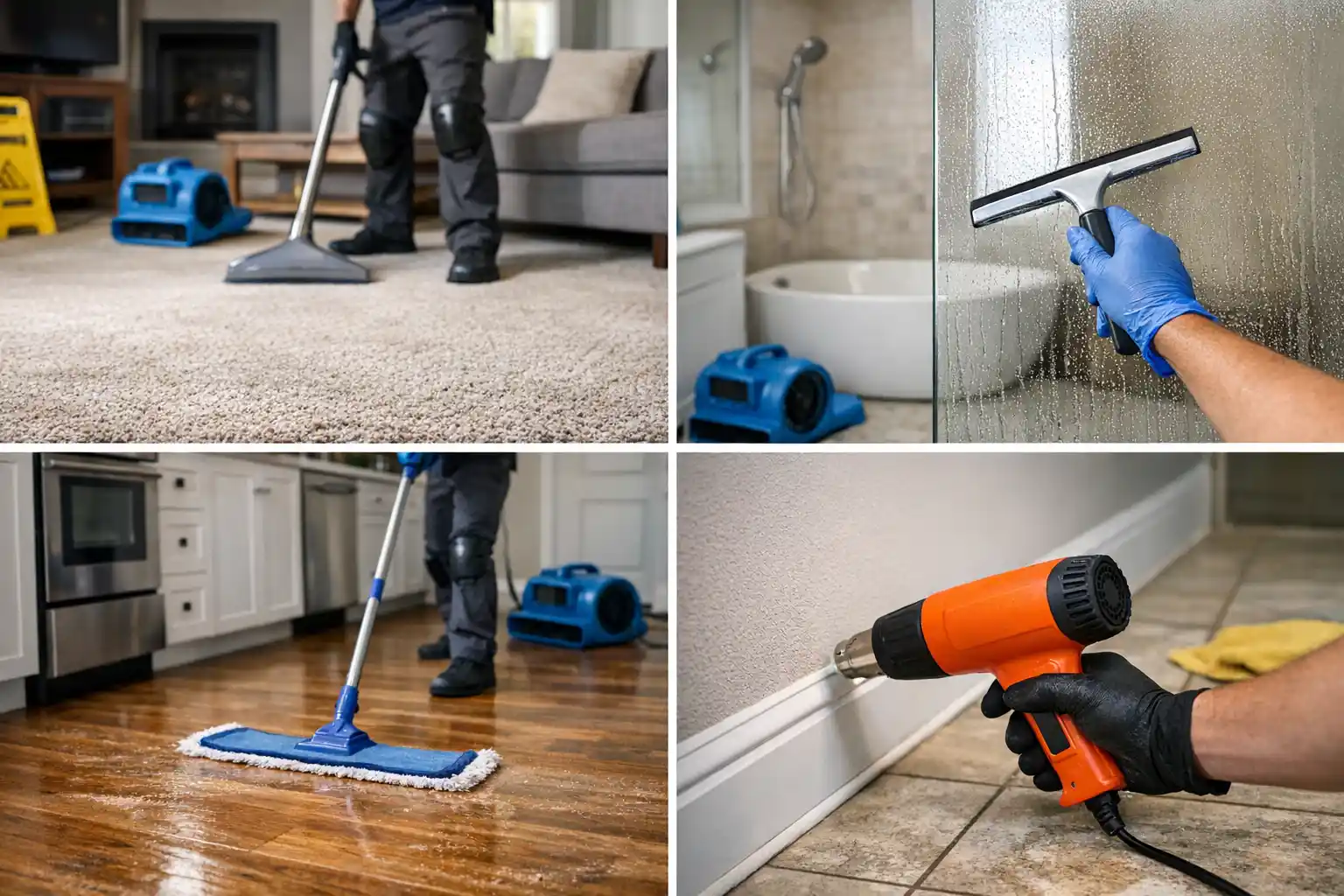
Interior Walls and Ceilings
With latex or acrylic paints, most walls are dry to the touch within 1-2 hours; safe to recoat in 3-4 hours (longer in high humidity). Light use, such as hanging art or lightly touching walls, is safe after 24-48 hours. Full durability comes after 2-4 weeks.
Doors, Trim, and Cabinets
These areas demand closer attention, as enamel and oil based paints used on trim or cabinetry take longer to lose their tackiness. Dry to touch can take 6-8 hours (or overnight). Always wait 24 hours minimum before painting a second coat; up to 7-10 days for maximum hardness and scratch resistance.
Exterior Siding, Trim, and Decks
Weather is the wild card here, so plan for your paint to need more time than the can claims. Dry walls may take 4-6 hours for paint to dry in the sun, but shaded areas or trim around windows may need overnight. Full curing for deck surfaces, porch floors, or exterior siding can stretch over multiple days.
Typical Timelines (with Local Weather Adjustments)
- Interior latex paint: 1-2 hours touch dry, 3+ hours for second coat, 2-4 weeks to fully cure.
- Oil-based interior paint: 8+ hours touch dry, 24 hours per coat, up to 2 weeks cure.
- Exterior latex paint: 2-4 hours (ideal), 4-8+ hours in damp/cold, 2-4 weeks cure.
- Deck coatings: 24-48 hours to foot traffic, 1 week to furniture, variable by season.
Quick Tips: Always complete a 'surface dry' check in each room. If a spot still feels cool, soft, or smells of solvents, give it another day.
How to Tell if Your Paint Is Ready for Another Coat or Use
Visual and Touch Tests (and When They’re Not Enough)
The classic test—touching the painted surface—only tells part of the story. Fresh paint can feel dry to the touch, but may dent, smudge, or print if pressed firmly. For second coats or major use, always err on the side of caution. If a fingerprint leaves a mark, or if masking tape pulls paint up, the coat is not ready.
Safe Practices for Furniture & Re-Entry
Never rush moving furniture or fixtures back. Soft, 'green' paint can fuse with fabrics or stick permanently. Test an inconspicuous spot, and wait for paint to resist gentle pressure and lose its sheen before considering surfaces ready for full use.
Why Professional Testing Methods Matter
Experienced painters use small, hidden touch points and moisture meters to determine safety for recoating or furniture placement. A professional approach removes guesswork from the equation and is a core part of our service promise.
Quick Tips: When in doubt, let your paint job sit an extra day before recoating or moving back heavy items—especially important for busy homes or businesses aiming for a flawless finish.
Cover Pro Painting’s Approach: Getting It Right in Washington’s Climate
Our Standards for Scheduling and Quality Control
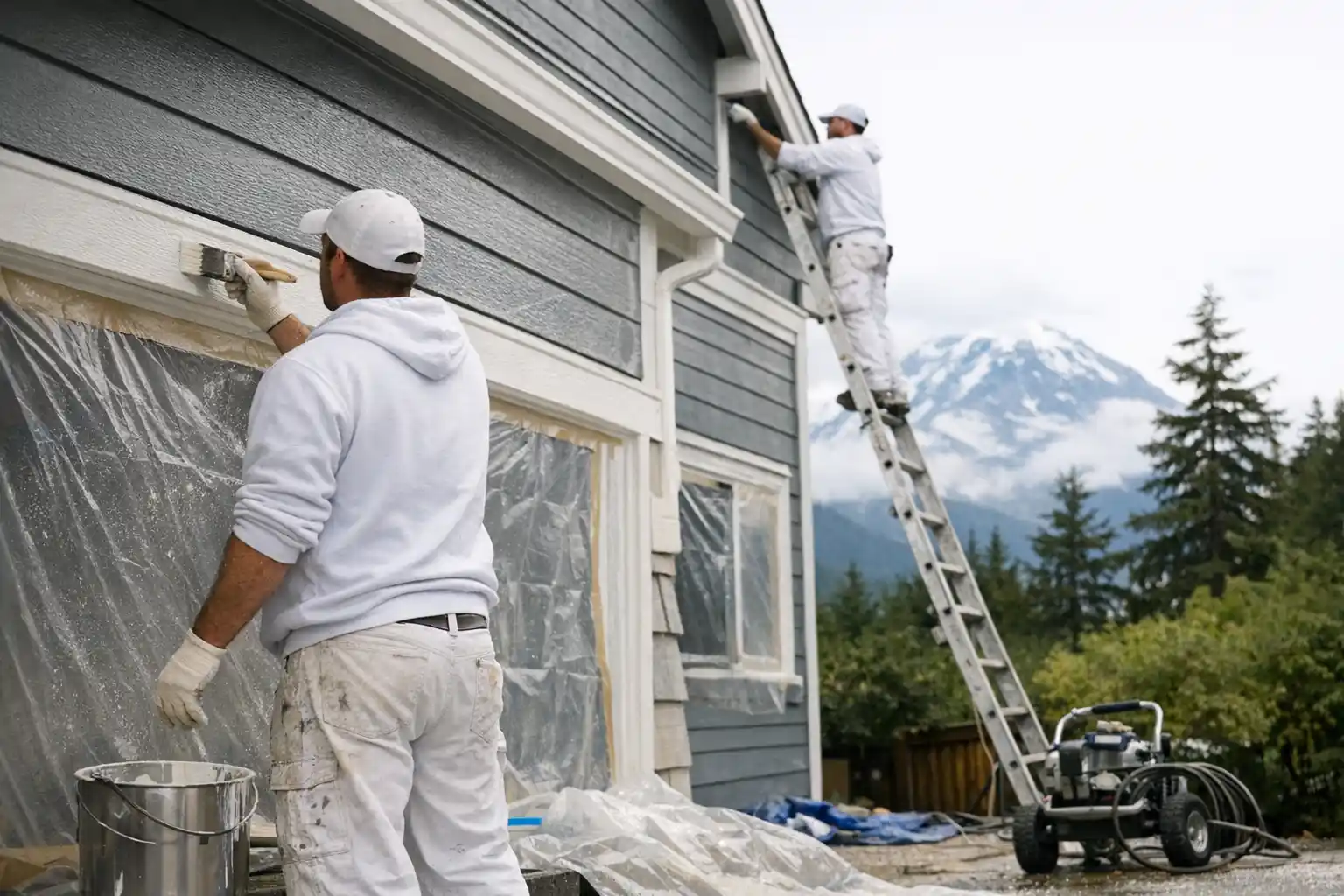
We base project schedules on real-world weather, your property’s condition, and professional standards—not just what the paint cans promise. This means building in time for prep, drying, and curing, so clients never have to worry about scheduling flooring, repairs, or move-in before the paint is actually ready.
The Five-Year Warranty: Why Cure Time Matters for Coverage
Our five-year workmanship warranty stands because we take cure time seriously. We explain proper post-job care, confirm with customers when it’s safe for heavy use, and spot-check for any signs of premature drying. This commitment distinguishes us as reliable home improvement professionals in the area.
Internal Links: Project Planning Tips, Surface Prep for Exteriors
For more expert advice, see our guide to painting exterior trim and advice on choosing the perfect paint finish for your project. Smart planning is always part of the Cover Pro strategy.
Quick Tips: Professional-grade scheduling—and honest dialogue about dry time—saves time, money, and stress. That’s why so many Puget Sound homeowners and businesses trust our process and warranty.
Best Practices to Avoid Common Drying Time Mistakes
Timing Your Next Coat
Applying a second coat prematurely traps moisture, leading to bubbling, uneven finish, and premature coating failure. Always follow the minimum dry time for your paint type—and wait even longer in humid or cool rooms.
Ventilation and Air Circulation for Fastest Results
Good air circulation (but not direct, high-speed fan blasts) accelerates drying by carrying moisture away from the surface. For best results, use box fans directed across the floor or open windows (weather allowing) to encourage gentle movement. Avoid excessive air conditioning or forced heat, as rapid evaporation at the surface can cause outer layers to cure faster than below, risking cracks or peel-back later.
What to Do if Rain, Cold, or High Humidity Interrupts Your Project
Pause, assess, and give it more time. If a surprise rainstorm or cold snap delays cure, let the surface dry thoroughly before further painting. If paint stays tacky for over 24 hours, ask a professional about next steps to avoid long-term issues.
When to Call a Pro for Guidance
If you notice persistent tackiness, bubbling, or strange odors, don’t wait for the problem to 'resolve itself.' A reputable painting contractor can help rescue a project before it leads to expensive repairs or repainting. Check out our customer testimonials for examples of projects turned around with professional intervention.
Quick Tips: For serious paint issues, or if timeline matters, contact a pro before risking expensive do-overs. Proper advice saves money and delivers a finished look that stands up for years.
Conclusion: Patience, Process, and Protecting Your Investment
Summary of Key Timelines
- Latex/acrylic paint: dry to touch in 1-2 hours; recoat after 3-4 hours; full cure in 2-4 weeks.
- Oil-based paint: dry to touch in 6-8 hours or more; recoat after 24 hours; full cure in 1-2 weeks.
- Exterior projects: add extra time for damp/cold conditions and always plan around weather windows.
Why Timely Follow-Through Makes the Difference
Rushing isn’t worth the cost. Whether painting trim or making major changes, a process grounded in patience, knowledge, and skill delivers lasting beauty and a paint job that stands up to everyday life. At Cover Pro Painting, we deliver honest estimates and reliable timelines, ensuring your next project is set up for success from day one.
Frequently Asked Questions
Can I speed up paint drying by using fans or heaters?
Yes, but only if you maintain steady airflow without blowing dust onto wet surfaces. Supplemental heat can help in cool, damp Puget Sound conditions, but avoid excessive heat that can cause paint to cure unevenly.
How do I know if my paint is fully cured and not just dry to the touch?
Fully cured paint resists scratching, sticking, and moisture. For most products, you'll need to wait up to two weeks (sometimes longer in cool, humid conditions)—not just a few hours.
What happens if it rains before my exterior paint job is fully dry?
Rain can ruin uncured paint, causing streaking or bubbling. Always plan for multiple dry days, and check local forecasts before starting any large exterior job. In Washington, this often means careful timing is just as important as technique.
Do low-VOC paints dry and cure faster than traditional paints?
Some low-VOC and 'quick-dry' formulas do set up faster, but don’t expect miracles—the Puget Sound climate still slows things down compared to a warm, dry region.
Are advertised dry times from manufacturers reliable for our region?
Not always—they’re typically based on ideal conditions (70°F, 50% humidity). Seattle-area homes can expect longer dry and cure times than what’s listed on the can.
Can Cover Pro Painting help with scheduling around tricky weather?
Absolutely. We plan projects around local weather patterns, and our detailed proposals include realistic timelines so you know exactly what to expect.
