
%201.svg)


Does Paint Go Bad? How to Tell, What to Do, and How to Store It Right
Key Takeaway:
Paint does go bad over time, with shelf life depending on the type and how well it’s stored. Spotting bad paint involves checking for separation, mold or mildew growth, odors, and clumping; safe storage and disposal keep your home and the environment protected. Cover Pro Painting details practical steps for homeowners to identify expired paint, extend paint life, and responsibly handle leftovers.
Does Paint Go Bad? How to Tell, What to Do, and How to Store It Right
Introduction: Why Paint Shelf Life Matters
Why Homeowners Ask: Does Paint Go Bad?
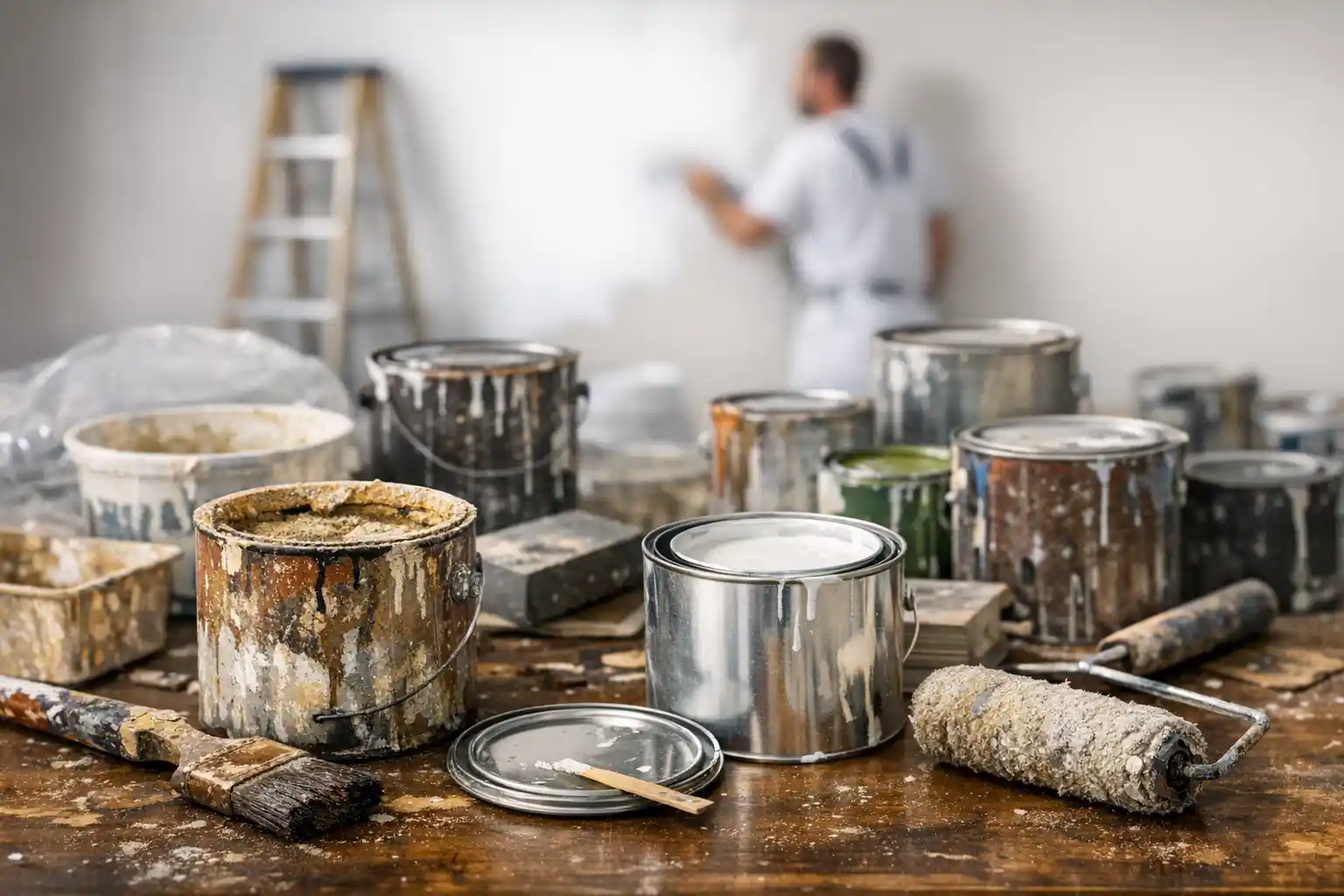
It’s a question every homeowner faces after a big painting job: what should you do with those leftover paint cans stacked in the garage or basement? Is that old quart of wall color still good for touch ups— or should it go straight to paint disposal? Understanding the shelf life of paint isn’t just about saving money. Bad paint can ruin your home’s finish, risk your health, and cause problems that take far longer to fix than opening a fresh can. That’s why being able to tell if paint has gone bad, and knowing how to handle it, is an important part of protecting your property.
Quick Answer: Paint Does Have a Shelf Life
Quick Tip: Yes, paint does go bad—sometimes in just a couple of years if not stored properly. Always check the paint before using and know when to replace it.
What Is the Shelf Life of Paint?
Latex vs. Oil-Based: Shelf Life by Paint Type
Not all paint lasts the same amount of time. Latex paint (also known as water based latex paints) will generally last anywhere from 2 to 10 years, heavily depending on whether the cans are sealed properly and stored indoors. Oil based paint or oil paint can last even longer—typically 10-15 years, or even more than a decade under the right circumstances. Specialty products like chalk paint and milk paint tend to go bad more quickly because of their organic components.
Manufacturer Recommendations and Industry Standards
Most major paint companies, including Sherwin Williams, recommend using quality paint within two years if it’s opened and within ten if unopened and stored properly. These standards assume the paint is kept away from extreme temperatures, sealed tightly, and not exposed to light or moisture.
How Low-VOC & Specialty Paints Affect Longevity
Paints labeled as low-VOC or "green" products tend to have slightly shorter shelf lives than their high-chemical-content counterparts. Similarly, specialty base products, like interior paint formulated for specific surfaces or exterior paint designed to withstand weather, may degrade faster if used outside the intended environment.
Quick Tip: Always check the manufacture date on paint cans before buying or using them, and don’t rely on smell alone—some expired paint looks normal but performs terribly.
Factors That Determine If Paint Goes Bad
Exposure to Air, Light, and Temperature Fluctuations
The number-one enemy of canned paint is air. Once you pop the lid—even if you reseal—it’s hard to get the same shelf life as unopened paint. Exposure to moisture and temperature swings, especially those concrete floors in an unheated garage, can shorten the lifespan of even high-quality paints. Sunlight can also break down pigments and binders, particularly for water based paint.
Packaging Quality and Resealing Practices
How you store paint makes a difference. Using a rubber mallet to gently re-seal metal cans instead of banging them closed keeps a better seal. Placing plastic wrap under the lid before sealing can help prevent air leaks. Transferring leftover paint to a smaller plastic container when only a little is left minimizes air in the can and significantly extends the life of your paint.
Impact of South Puget Sound’s Humidity and Weather Cycles
While we’re keeping this national, it’s worth noting that in humid and coastal environments, mold or mildew growth can be a risk for old paint, especially if cans have been stored someplace damp or unheated. Freezing, followed by thawing, can break the emulsion in latex paint so that it can never be remixed back to its original state.
Quick Tip: Paint stored in a climate-controlled, dry space (like an interior utility closet) will always last longer than paint kept in a shed or cold garage.
How to Tell If Paint Has Gone Bad: Signs to Look For
Visual Cues: Mold, Clumping, Separation
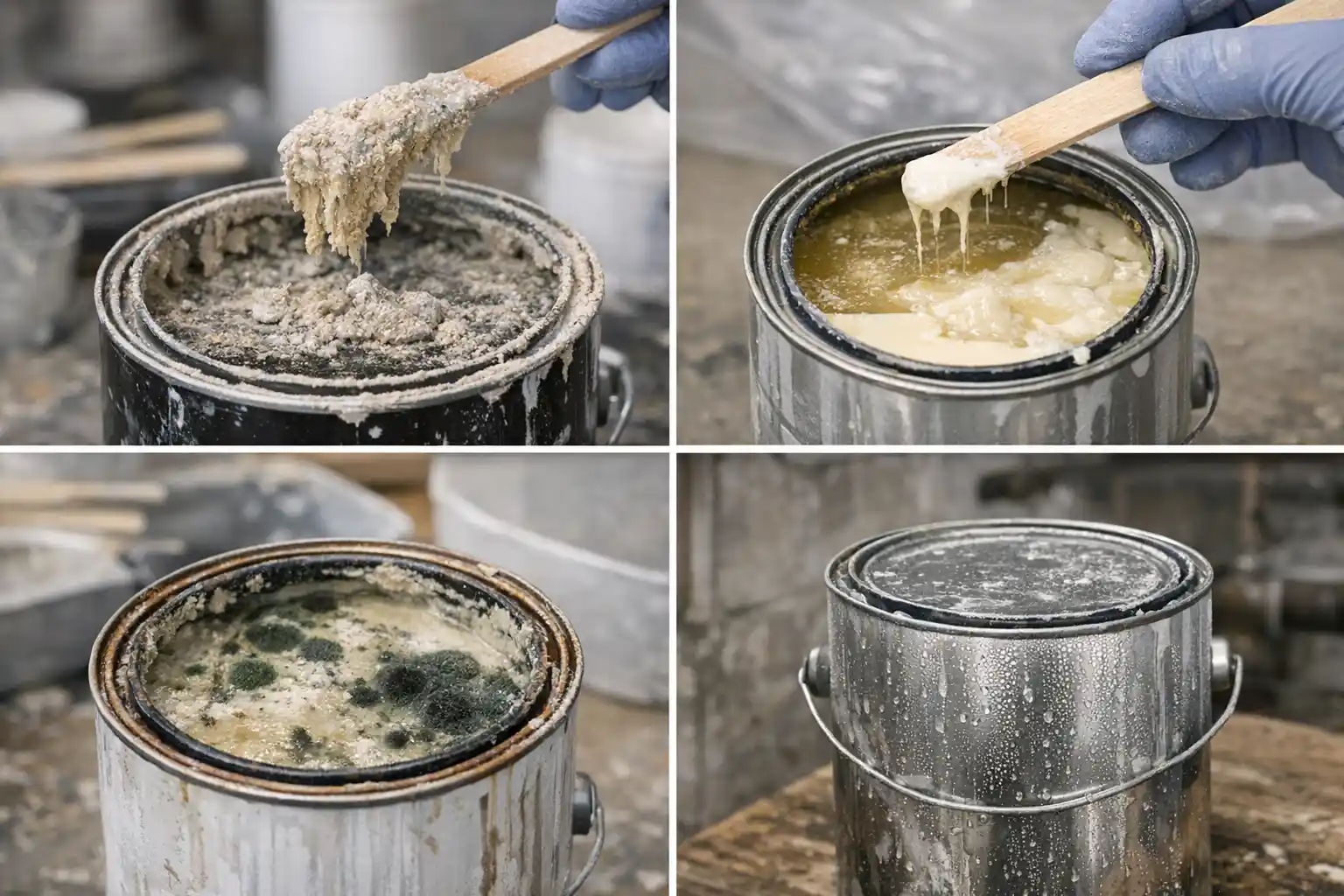
Open the can and examine the surface before stirring. Look for:
- Mold or fuzzy growth on top (especially with latex paint)
- Slimy or rubbery clumps
- Clear liquid floating on top—separation is normal if it mixes in, but not if it won’t reincorporate
- Dried paint chunks around the rim or floating in the mix
Odor Issues: What Smells Mean
Paint should smell mild—maybe a bit chemical or like ammonia. A sour, rotten egg, or mildew smell means bacterial growth, and the paint’s shelf life is up. Never use paint with an unpleasant odor, especially indoors. Odors signal it’s time to properly dispose of it.
Test Patching and Stirring Methods
Stir the paint thoroughly with a paint stick. If it won’t become smooth and creamy after a solid stir, or if there are unmixed sediments or permanent separation, discard it. When in doubt, test a small patch; if it doesn’t dry properly or rubs away easily, it’s bad paint.
Quick Tip: Don’t just rely on looks—always do a test patch before painting a wall or trim. Performance is the real test.
Can You Revive Old Paint? Step-by-Step Guidance
How to Stir and Strain Paint
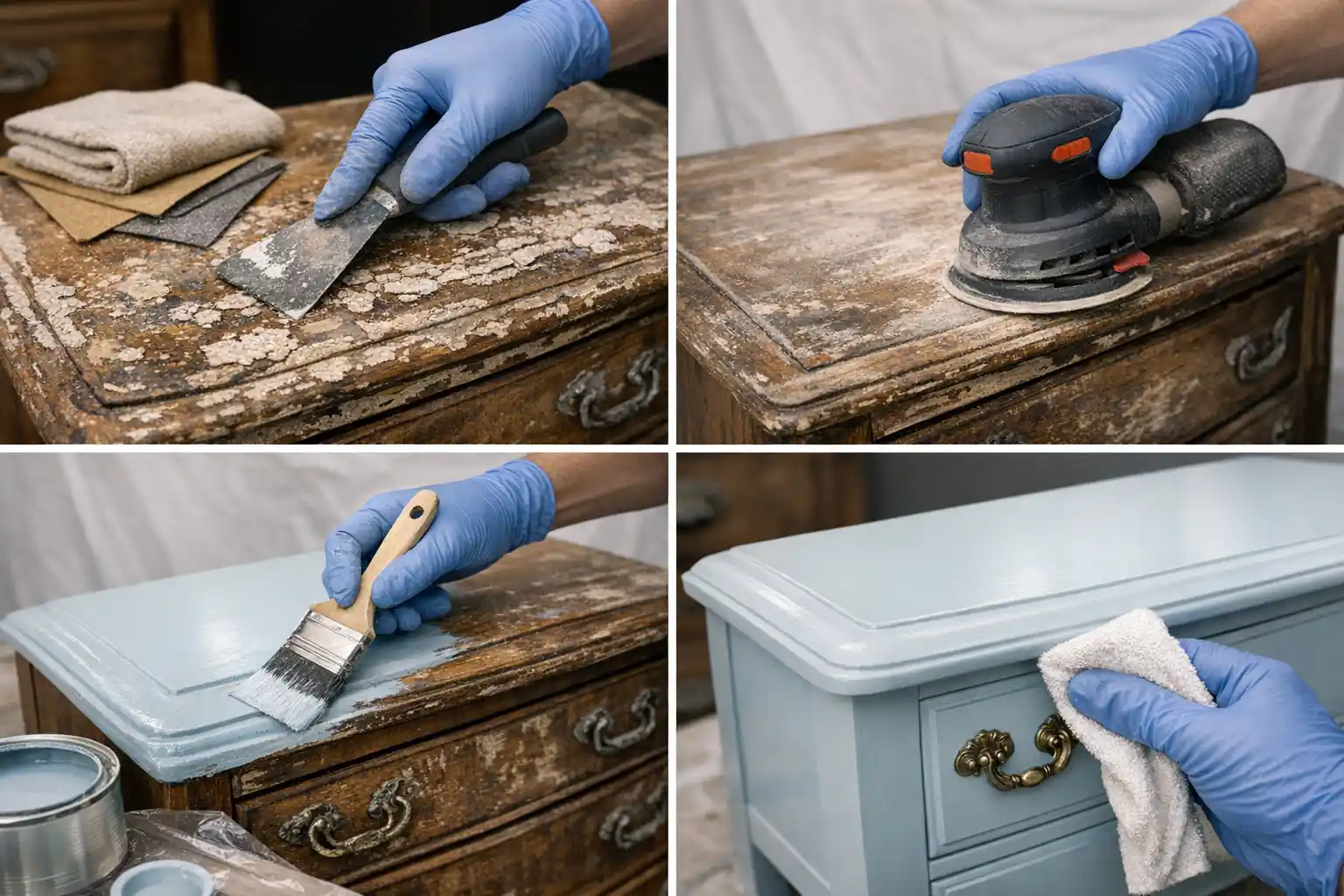
If paint separates but shows no signs of mold or unpleasant odor, try these steps:
- Use a paint stick to stir for 3-5 minutes, scraping the bottom
- Strain through mesh if you see dried particles
- Use a drill-powered mix paddle for thick or stubborn paint (but don’t splash)
- Never shake unless paint is in a tightly sealed properly can
When to Toss vs. When to Salvage
If, after stirring, the paint is still lumpy, stringy, or refuses to smooth out—or if there’s a persistent "off" smell—consider the paint expired. It’s better to properly dispose of expired paint than risk a failed project. If your goal is professional appearance or long-term durability, salvage only what’s absolutely clean and smooth with no signs of mold or mildew growth.
Risks of Using Questionable Paint
Applying bad paint results in poor adhesion, uneven color, bubbling, cracking, or even a completely failed coating. Quick Tip: Using old paint can also void any warranty or guarantee from paint companies—and may leave you with extra cleanup work or repair costs down the line.
How Local Climate Affects Paint Longevity
Storing Paint in Garages, Sheds, and Basements
Many homeowners stash paint, stain, and concrete floor paint on concrete floors in uninsulated garages or sheds. These spaces can swing from freezing to sweltering depending on the season, which shortens shelf life for both interior paint and exterior paint. Keep leftover paint inside whenever possible, on shelves off the ground, and away from extreme temperatures or direct sunlight.
Seattle-Area Tips: Coping with Humidity and Freeze-Thaw Cycles
If you live where winters are wet and summer days occasionally spike, avoid storing latex paint outside or in unheated spaces. Mildew can quickly establish itself in opened cans, and freezing spells can destroy the structure of water based paint (it becomes gritty or jelly-like, even if remixed). For the Pacific Northwest, metal cans can also rust and contaminate the paint, so check the rims and lids for signs of corrosion before use.
Quick Tip: Storing paint in a conditioned space is always the safest bet—even a utility closet works if tightly sealed away from living areas.
Best Practices for Storing Leftover Paint
Container Types and Labeling
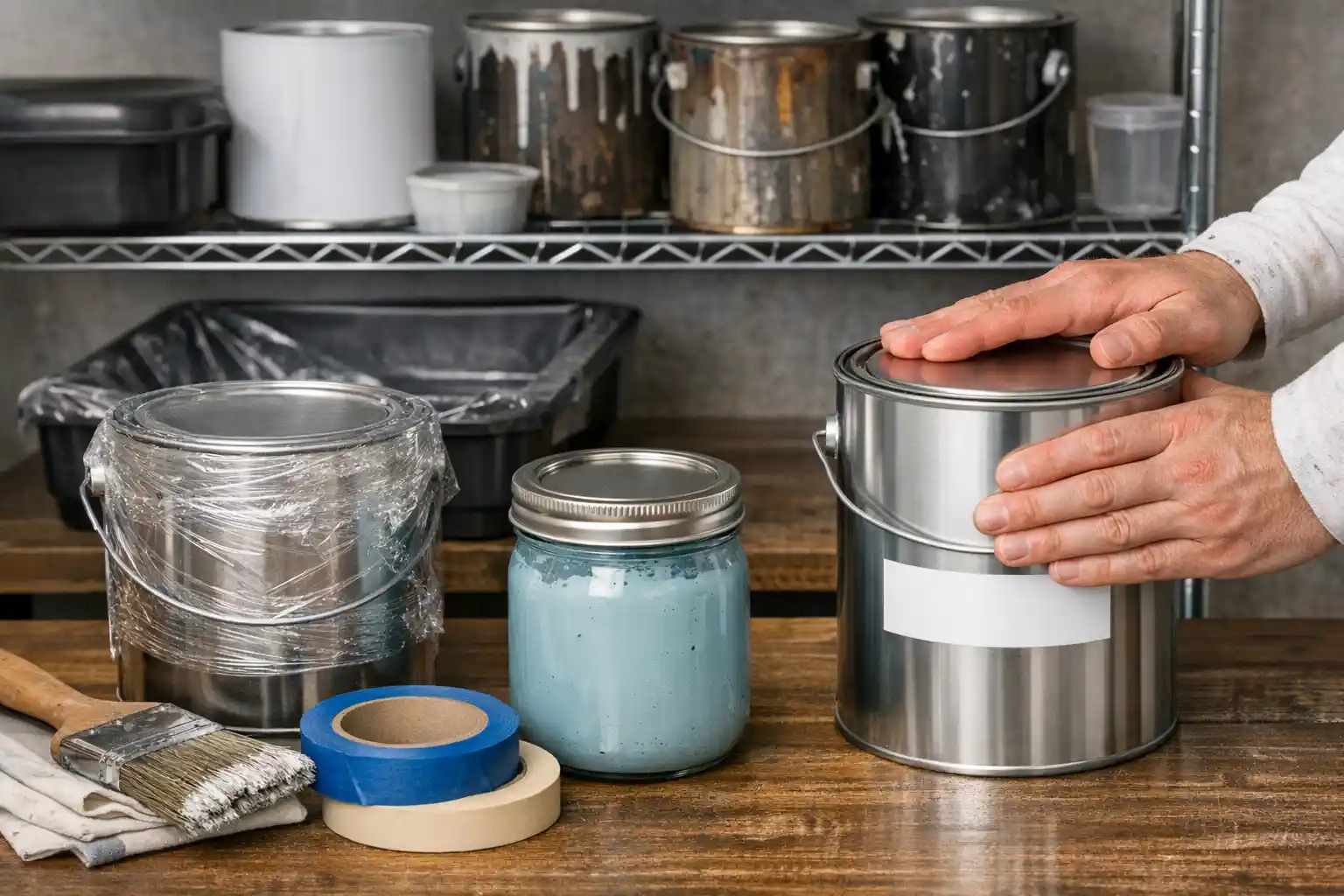
After your painting project, transfer small amounts of leftover paint (how much paint you keep matters) into clean, airtight mason jars or dedicated plastic paint containers. Label with the color, room, finish, and date. Never use food containers that could be mistaken by kids in a home and lifestyle space. If keeping paint in metal cans, clean the rim well and reseal with a rubber mallet (never a hammer—this can warp the lid).
Techniques to Extend Paint Life
- Place plastic wrap over can openings before sealing
- Store cans upside-down to reduce air contact and "skin" formation on top
- Keep containers off cold concrete floors and away from outside walls
- Minimize how often you open the can—exposure lets air in and shortens life
Quick Tip: Always store paint in its original container if possible—manufacturer’s labels help with future color matches or warranty questions.
How to Safely Dispose of Expired Paint
EPA Guidelines and Local Resources
Old paint, especially oil-based, is considered hazardous waste and should not go in the regular trash. The EPA recommends taking paint to official collection sites or participating in stewardship programs. Many areas offer free or low-cost drop-off points for both latex and oil-based paint. Check your local county website or the PaintCare locator tool to find your nearest accepted site. Never pour paint down the drain—it will clog pipes, damage wastewater systems, and pollute the environment.
Recycling and Proper Disposal Options
If there’s only a little paint left and you’re sure it’s dried out completely, latex paint (not oil-based) can sometimes be landfilled—just double-check your local rules. Otherwise, dried paint and old paint cans can often be recycled as scrap metal. Always follow local guidelines to avoid fines or environmental harm.
Quick Tip: Never put oil paint—even when dried—in the trash. It’s always hazardous waste. Use only approved collection programs.
Pro Tips for Managing Paint Inventory at Home
Using Up Old Paint on Small Projects
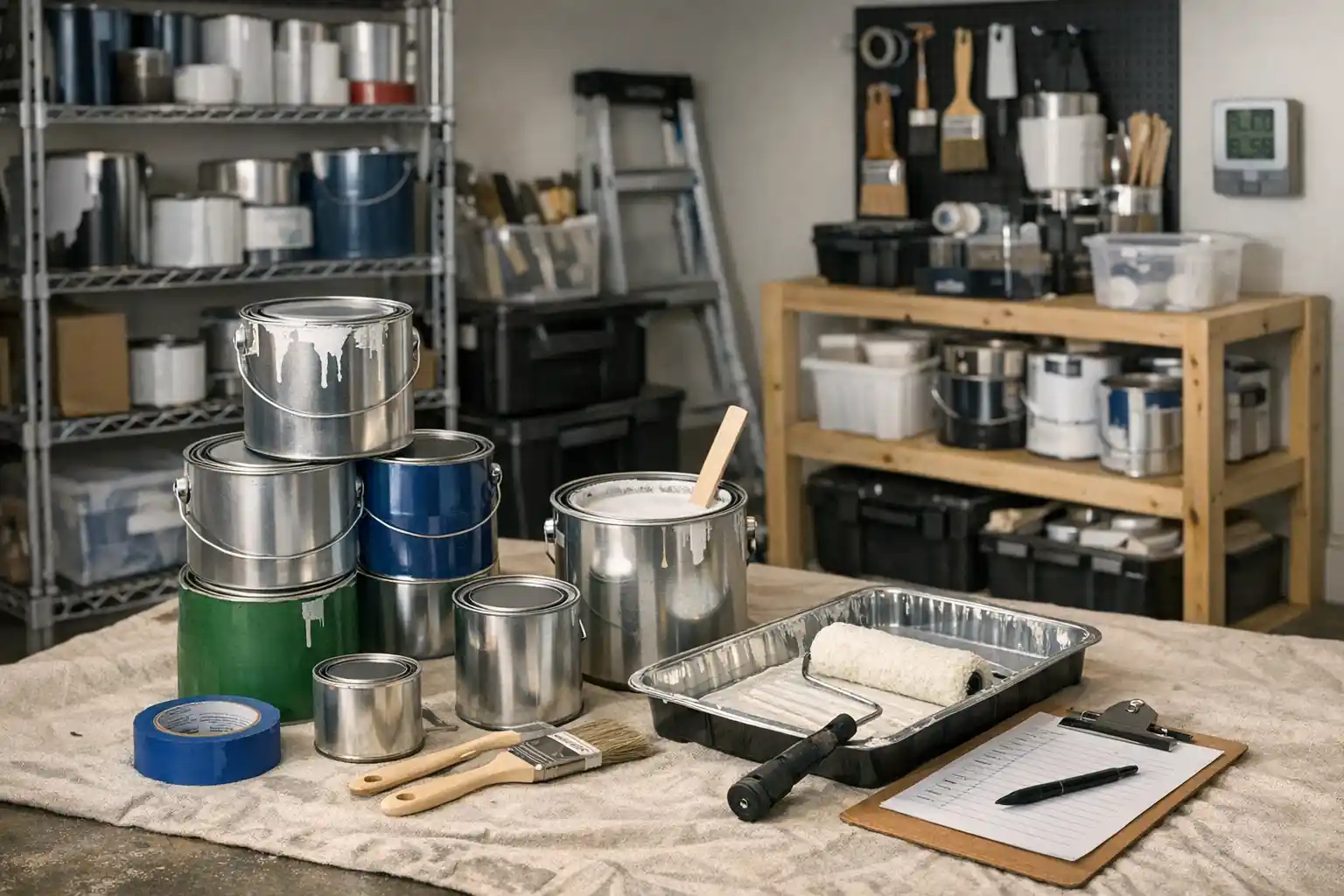
Save small amounts of leftover paint for items like garage shelving, utility room walls, or priming outdoor scrap lumber (if the paint is still in good condition). For touch ups, always use freshly mixed paint or properly stored, unspoiled leftovers to ensure a seamless match and finish. For creative ways to use up paint, see our guides on best paint colors for small spaces and choosing the perfect paint finish for each room.
How Cover Pro Painting Helps Customers with Leftover Paint
At Cover Pro Painting, we can label each can for you after a job and recommend which color to save for future use. If you’re unsure about safe storage or disposal for mixed paint or specialty products, contact us for advice. We’re happy to provide support on maximizing value and minimizing waste from every project.
Quick Tip: Always ask your painting contractor to label leftover paints—room, date, and mix are key if you’ll need touch ups later.
Why Using Fresh, High-Quality Paint Matters
Impact on Finish, Durability, and Warranty
Fresh paint outperforms old or expired paint in every way—coverage, adhesion, and longevity. Using quality paint that’s still within shelf life means you get a smooth, long-lasting result and uphold any manufacturer or painting contractor warranties. Most paint companies void warranties if products are past their recommended shelf life or intermixed without approval.
How Cover Pro's Process Ensures the Best Results
Our crews at Cover Pro Painting never gamble with expired paint. We keep inventory moving, check every can for freshness, and follow best storage and mixing practices on every project. With every job, we base our work on clean, properly stored paints, guaranteeing results that look great and hold up against wear and weather. Every exterior and interior paint job is backed by our five-year workmanship warranty—because we know you trust us to do it right the first time.
Quick Tip: Never risk a full paint job on a questionable can. The cost of full prep and repainting dwarfs the price of replacing bad paint.
Internal Resources and Further Reading

Related Blog Posts: ‘How to Prep for Painting’, ‘Choosing the Right Paint for Washington’s Climate’
Explore our blog library for expert insights, including:
- Common painting problems in homes
- How to address paint cracking on your home exterior
- Picking the perfect finish for every room
About Our Five-Year Workmanship Warranty
Learn about our team’s credentials and warranty commitments. We’ve built trust over years by doing things right—protecting your investment with every project.
Conclusion: Key Takeaways on Paint Longevity
Checklist: Quick Reminders
- Check the date and condition of all leftover paint before reuse.
- Store paint sealed, off the ground, and in a temperature-controlled area.
- Label every can for future reference—even a simple sticky note helps!
- Never use paint with an unpleasant odor, mold, or weird texture.
- Dispose of expired paint responsibly—never down the drain or in the trash.
Why Trust Matters When It Comes to Paint Advice
At Cover Pro Painting, we understand that keeping your home looking its best should be straightforward—and safe. After decades in the business, we've learned every trick for storing paint properly, identifying bad paint, and making the most of your investment. For honest recommendations and real answers—not sales talk—lean on the pros who live our values every day. If you’ve got leftover paint or questions about the right way to store it, contact us. Our guidance is always grounded in craftsmanship and care for your home.
Frequently Asked Questions
How long does unopened paint last compared to opened paint?
Unopened latex paint stored properly can last up to 10 years, while opened paint may only last 2-5 years, especially in our local climate.
Is it ever safe to use old paint that smells a bit off?
If paint has a sour or moldy odor, it’s not safe to use—even if it looks okay. That smell means bacterial growth, which can compromise the finish and pose health risks.
Will freezing ruin paint?
Freezing can irreversibly damage most latex paints, causing them to separate or chunk. Avoid storing paint in unheated garages or sheds, especially over Puget Sound winters.
Can I mix old and new paint together?
It’s only wise to mix old and new paint if both are in good condition and the product types match. Always test-mix a small batch first.
How do I dispose of bad paint in Washington State?
Take expired paint to an approved local disposal facility or paint recycling program. Never pour paint down drains or into the trash—there are safe, legal options here in Pierce and Thurston counties.
Are there any uses for leftover paint that’s no longer good for walls?
If paint has gone bad, don’t use it on walls or trim. For small amounts, you might use it to prime outdoor lumber scrap, but avoid anything inside or exposed parts of your home.
Does storing paint upside down really work?
Storing cans upside down helps create a tight seal and can reduce skin formation, but it only works if the lid is thoroughly sealed and the paint is still in good condition.
