
%201.svg)


How to Address Paint Cracking on Your Edgewood Home's Exterior Surfaces
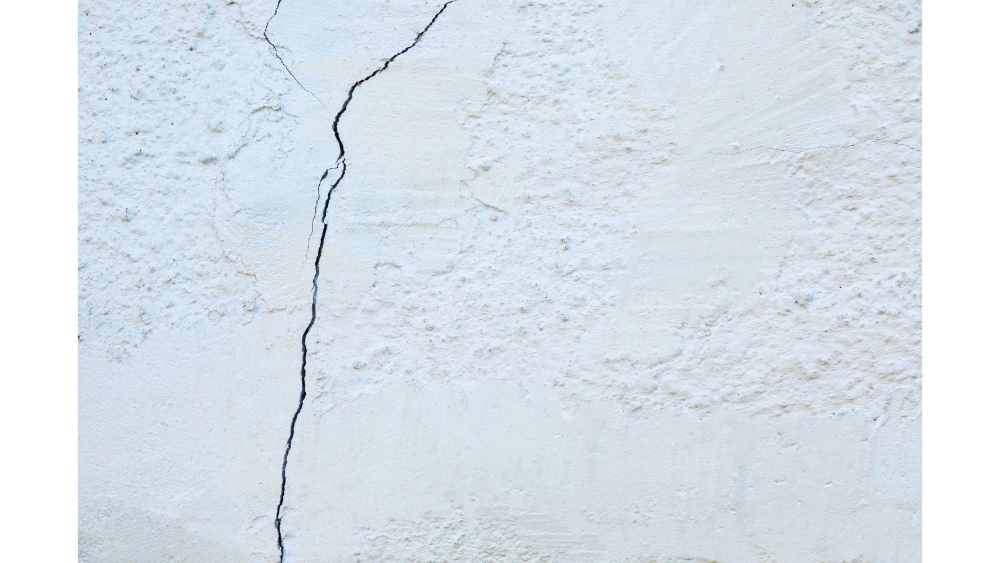
A painted exterior does more than just boost curb appeal. For homeowners in Edgewood, a smooth, well-maintained paint surface helps protect your home from moisture, UV rays, and temperature swings that can damage siding over time. When the paint coating starts to crack, even in small areas, it opens the door to bigger problems like wood degradation and water intrusion. Addressing these signs early can make the difference between a simple repaint and major exterior repairs.
Paint cracking is a common issue for many homes in Edgewood. Whether your home was painted a few years ago or over a decade ago, cracking can show up due to a variety of causes. Environmental conditions, incorrect application, or the wrong paint choice can cause the surface to fail sooner than expected. Once this happens, it not only impacts the appearance but also the function of the paint as a protective layer. Understanding what causes paint to crack and spotting early warning signs can help you take the right action before problems grow.
Causes Of Paint Cracking On Edgewood Homes
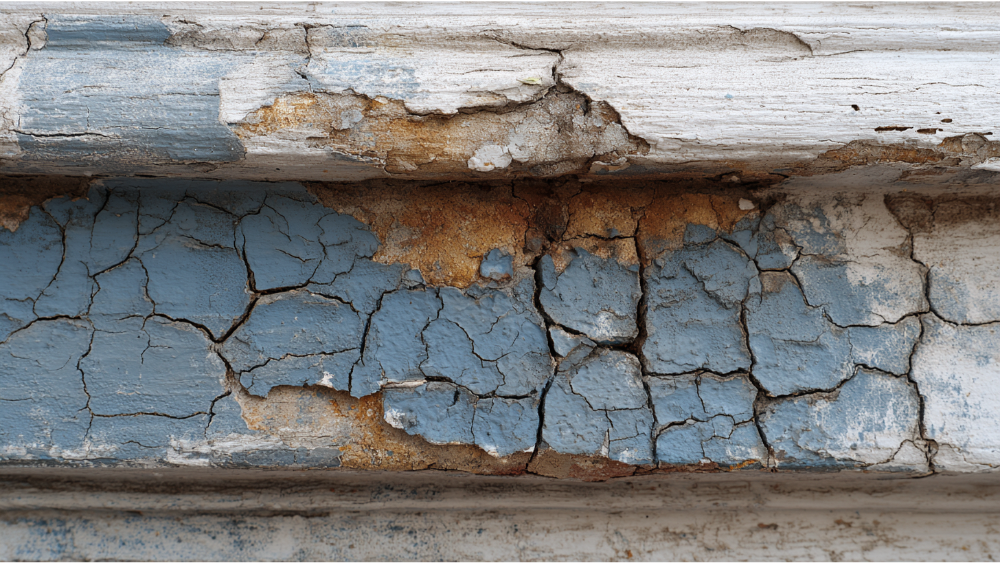
Edgewood’s seasonal shifts can put exterior paint through a lot. Dry summer heat, rain accumulation, and cold snaps impact how paint behaves long after it has dried. These changes in temperature and moisture levels cause building materials to expand and contract. When paint cannot accommodate that movement, it begins to lose adhesion, leading to visible cracking.
A few of the most common reasons paint starts cracking include:
- Moisture and humidity
Frequent rain and high moisture levels can seep into small cracks or unsealed wood, pushing the paint off the surface.
- Improper surface preparation
If the surface beneath the paint was not cleaned, dried, or primed properly, the new paint layer will not stick well. This creates weak spots that eventually split and peel.
- Excessive sun exposure
Long hours of summer sun can cause the paint to overheat and age faster. Heat accelerates drying during application and can prevent paint from bonding correctly.
- Incompatible products
Using latex paint over old oil-based paint, or the reverse, without the right preparation often leads to premature failure. The materials do not adhere well without proper bonding agents.
- Low-quality paint
Budget-friendly paint might look the same at first but tends to offer less flexibility and durability over time, especially when exposed to seasonal changes.
For example, if your home was painted using lower-grade paint years ago and the surface was not primed correctly before application, you might start seeing hairline fractures on the siding. These fractures often grow and spread when not addressed quickly, especially during wet seasons.
Identifying Paint Cracking On Your Home
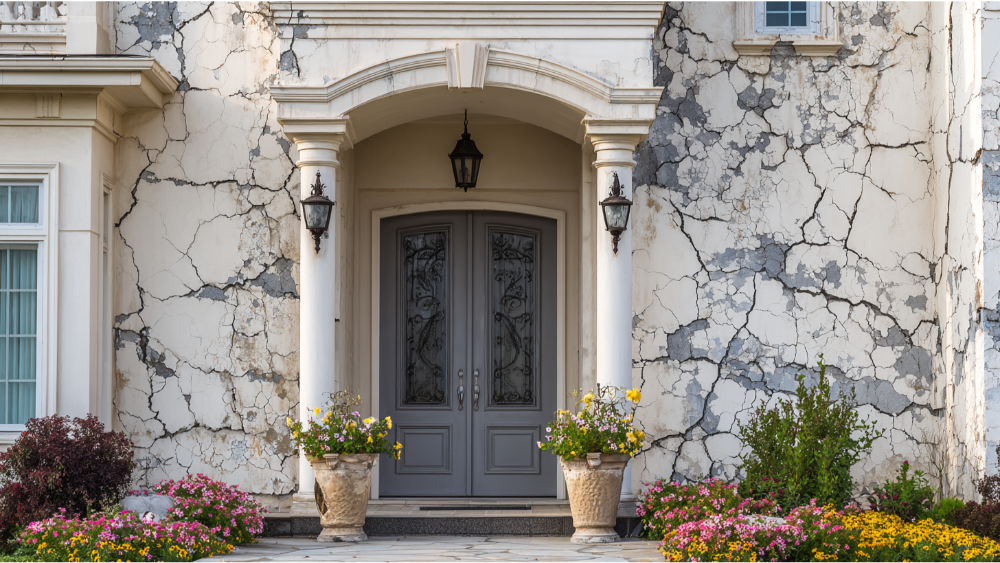
You do not need a ladder or special tools to notice early signs of paint cracking. Walking around your home and paying close attention to painted wood surfaces like trim, siding, fascia boards, or door frames can reveal problem areas. Paint cracking usually starts small but quickly becomes more noticeable.
Here are warning signs you can look for during a quick inspection:
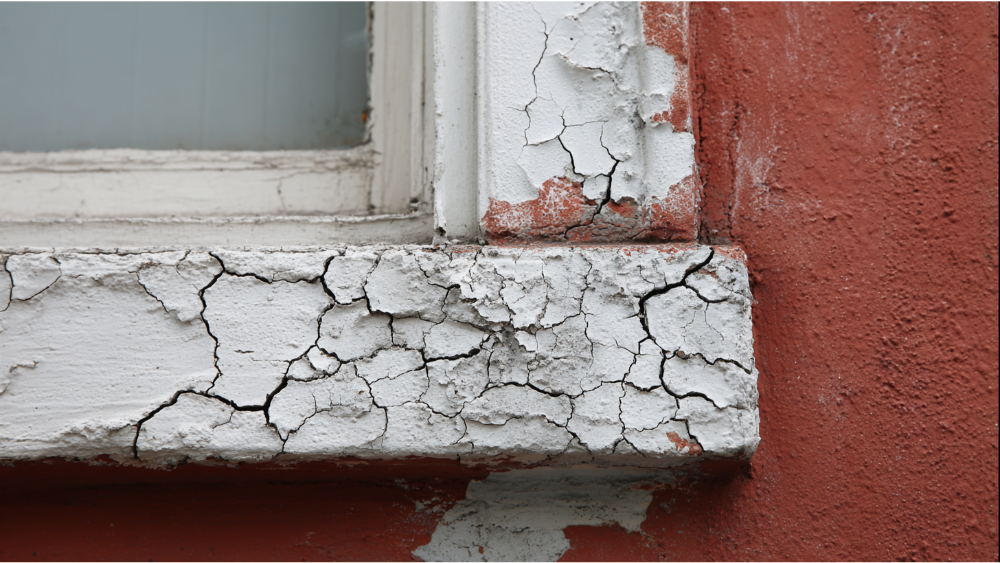
- Thin cracks running across the surface in random directions
- Peeling or curling edges of paint near trim or windows
- Flaking or chalky textures along sun-exposed walls
- Discolored patches that look dull or faded compared to surrounding areas
If you press on a cracked area and the paint lifts or crumbles under your touch, it likely means the cracking has gone deeper. In some cases, you may also see underlying wood or primer exposed, which is a clear signal that the coating has lost its protective capability. Focus on corners, lower edges of siding, or areas just above landscaping beds where moisture tends to gather. Spotting these signs early can help prevent wood damage and higher repair costs later.
Preventative Measures for Edgewood's Climate
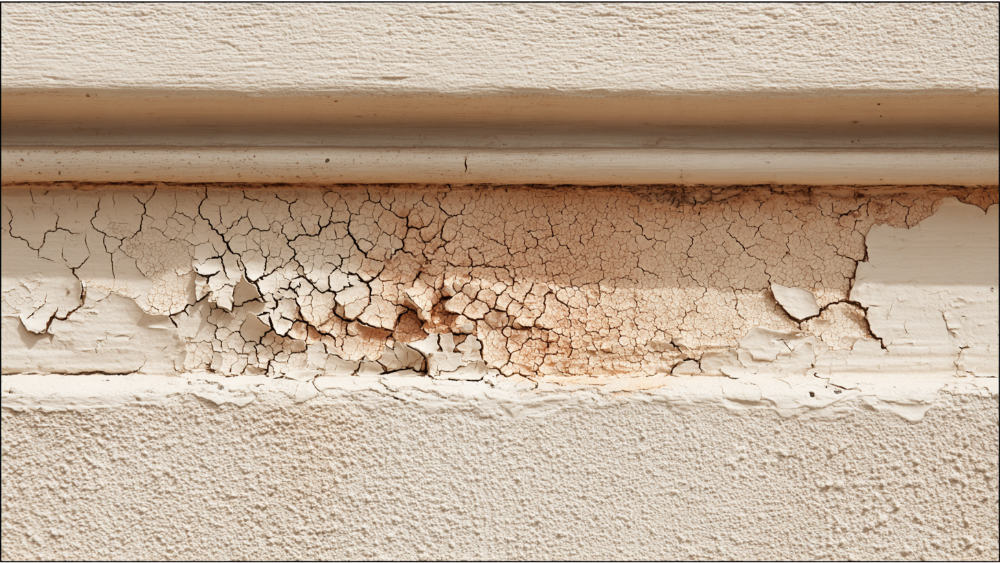
Homeowners in Edgewood can reduce the chances of exterior paint cracking by taking steps that match the local climate and home conditions. The right materials, timing, and regular checks all make a difference in how long your home’s exterior holds up. Paint performance depends heavily on what happens before and after application, not just the quality of the product itself.
Choose a paint that is formulated for climate changes. Edgewood sees both dry summer days and wet, cooler months. A flexible, weather-resistant paint can help your surfaces adjust without breaking down. Beyond paint type, surface prep is often where things go wrong. Professional preparation such as stripping failing layers, properly sanding, caulking joints, treating mildew, and priming bare wood is essential before applying any new coats.
You can also take steps throughout the year to keep your home’s exterior in shape:
- Do yearly walkarounds, especially after heavy rainfall or summer heatwaves
- Trim back shrubs and trees to reduce moisture buildup near siding
- Clear gutters and downspouts to prevent water damage
- Remove sprinklers that hit siding directly
- Schedule painting or touch-ups during dry, mild weather windows for better results
A simple routine, like inspecting the siding each season and noting changes, can help spot trouble early. If paint starts bubbling, cracking, or looks dull in certain areas, get it looked at before the issue spreads. These patterns often show up first around windows and base trim, where moisture collects easily.
Professional Painting Techniques That Solve Cracking Issues
Addressing paint cracking on your Edgewood home requires more than just putting on a new coat. It starts with understanding why the cracking happened and correcting the problem underneath. Our professionals begin by doing a full visual check across all painted surfaces. They use this inspection to find out whether the cracking is surface-level or something deeper, like damaged substrate or moisture issues behind the paint.
Once the extent of the damage is clear, the next step is to fully remove any loose or damaged paint. That might involve scraping, sanding, or using commercial-grade tools depending on how far the cracking has gone. After that, priming is key—especially on bare wood or spots prone to moisture. A high-quality primer builds a solid base that allows the paint to bond well and flex with seasonal changes.
Our technicians follow a tested process that includes:
1. Surface cleaning to remove mildew, dirt, and residues
2. Scraping and sanding cracked or peeling areas
3. Filling gaps or damage using appropriate patch materials
4. Full priming of all sanded surfaces
5. Controlled paint application with the correct tools and mil thickness
6. Final inspection to confirm smooth results
By following this process and focusing on both the prep and finish, our professionals provide long-term protection against cracking and failure.
How to Maintain a Long-Lasting Finish
Once your paint has been repaired or replaced, keeping it looking new takes a little ongoing care. Regular maintenance keeps small issues from becoming big ones. Set a reminder to inspect your exterior shortly after each change in season. Check for new cracks, bubbling, or moisture signs. Look around window trim, porch rails, and siding joints. These are common weak spots.
Keeping the paint clean also helps. Dust, mold, and pollen can wear down the surface over time. Lightly washing your siding with a hose or gentle cleanser helps your paint job last longer. Avoid power washing unless the surface really calls for it, since high pressure can strip away protective layers.
Long-term appearance and durability come down to early action. Small cracks lead to bigger gaps when left alone. If you are seeing signs again after preventative steps, it is a signal something is not right beneath the surface. Whether it is another layer breaking down or increased exposure to moisture, prompt attention keeps the structure protected.
A strong, smooth paint job should last years in Edgewood if it is done the right way and maintained regularly. Damaged paint does not just look off, it allows more serious problems to take root. Paying attention to early cracking and investing in professional-grade repair can keep your home’s exterior solid, good-looking, and well protected against Edgewood’s seasonal shifts.
At Cover Pro Painting, we understand that addressing paint deterioration promptly can help homeowners avoid more costly repairs down the road. If your home’s exterior is showing signs of distress, our team offers dependable painting services in Edgewood designed to withstand the area’s changing weather conditions and protect your property for years to come. For a quick estimate or to book a service visit, please contact us today.
