
%201.svg)


Can You Paint a Metal Roof? Answers for Washington Homeowners
Key Takeaway:
Yes, you can paint a metal roof, if you use the right prep work, primers, and paint. With expert application, today’s coatings can revitalize, protect, and extend the life of your roof for years to come, often at a fraction of the cost of replacement.
Can You Paint a Metal Roof? Short Answer & Local Perspective
Practical Reasons Homeowners Consider Painting a Metal Roof
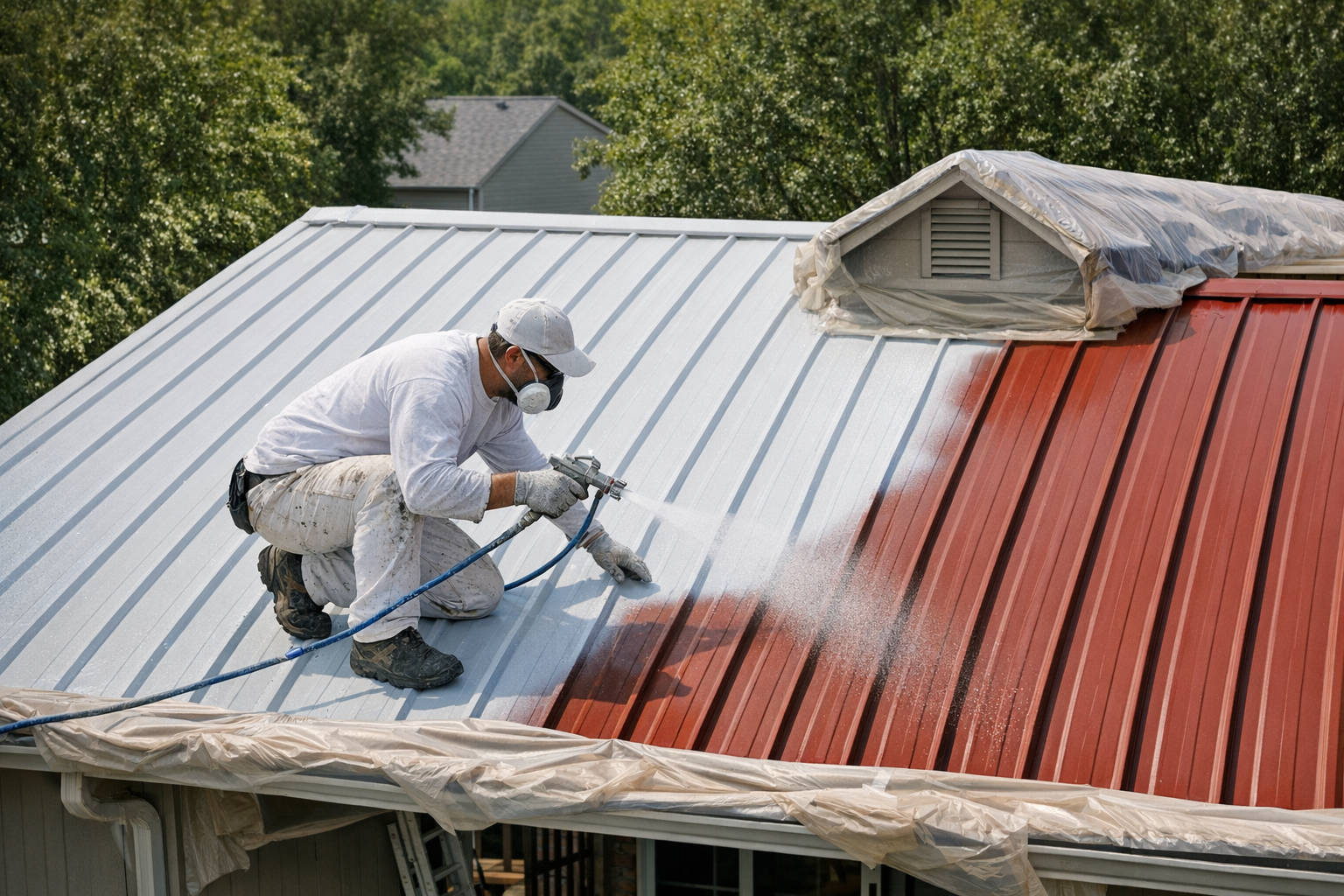
If you’re wondering, can you paint a metal roof, the quick answer is yes, when done correctly, painting delivers solid protection, improved appearance, and real savings over a full roof replacement. For many property owners, paint offers a way to update curb appeal, extend roof life, and address issues like peeling paint or rust spots without a six-figure bill. Whether your roof is galvanized metal, steel, or aluminum, the right coating system can restore faded metal and help prevent corrosion and rust.
How Local Climate (South Puget Sound) Affects the Answer
In areas with cool, wet winters and variable summers, like we get here in the Pacific Northwest, paint performance depends on prep, product, and dry weather. Moisture can lead to premature paint failure if the surface isn’t completely dry and clean, or if low-grade materials are used. But when you get it right, a painted metal roof can hold up for many years, resisting the frequent rain and occasional heat.
Addressing Common Misconceptions
Some believe that painting a metal roof is just a quick fix or won’t last. In fact, with high quality metal primer, thorough surface preparation, and professional-grade acrylic or elastomeric coatings, today’s paint jobs can come very close to the durability of factory finishes. The key is to avoid shortcuts on prep work and choose the right paint and primer for your specific metal surface—be it galvanized steel or an older painted roof.
Quick Tips: Painting a metal roof is not a band-aid. If done right, it offers years of reliable protection, boosts your curb appeal, and can cost much less than replacing an entire roof. The secret is all in the prep and using the right paint system for your metal.
How Metal Roof Painting Works: Step-by-Step Overview
Inspection, Prep, and Repair: Laying the Groundwork
Every great paint job starts with a careful inspection. A professional crew will look for loose paint, corrosion, rust spots, peeling finishes, and failed seams. A wire brush is used to remove dirt and any old, flaking paint before repairs begin. Damaged fasteners or failed seams get tightened or caulked. The entire roof is cleaned—usually by soft washing or low-pressure power washing, depending on the type and age of the metal.
Choosing the Right Primer for Metal Roofs
Not all primers are created equal. For galvanized metal and steel roofs, a high-quality metal primer is crucial. It needs to bond tightly, seal out moisture, and prevent rust from creeping under the paint. Certain surfaces, like new galvanized steel, require an etching primer or wash primer to ensure the next coat will stick. Using a proper primer prevents premature paint failure, uneven coverage, and peeling.
Selecting Paint for Durability and Weather Resistance
The next step is applying the right paint. Modern waterborne acrylics and elastomerics are engineered to flex with temperature changes, repel moisture, and resist UV fading. These are a massive step ahead of the old oil-based formulas you might have seen at the hardware store. Applying a fresh coat (and a second coat for best durability) using airless sprayers gets the even coverage metal roofs demand.
Addressing Previously Painted or Rusted Roofs
If you’re working over old paint or on a roof with rust spots, expect a little more prep work. Remove as much of the loose paint and corrosion as possible. For galvanized roofs, special primers may be needed. Spot treat rusted areas with rust-inhibitive primer before proceeding with a full prime and topcoat. Skipping this step is a recipe for paint peels and cracked coatings.
Quick Tips: Don’t just slap new paint over old problems. Fix rust, peeling, and loose paint first—otherwise, issues will reappear in a few years, costing more in the long run.
Surface Preparation: The Foundation for a Quality Job

Cleaning, Rust Removal, and Treating Problem Areas
Quality starts with the basics: remove dirt, sand down rough spots, and eliminate all peeling areas with a wire brush or mechanical sander. Rust gets scraped until you reach clean metal, then neutralized or primed. Lichen, moss, and other organic material can all lead to paint failure, so every bit must be cleared away.
Why Skipping Prep Shortens Lifespan
Shortcuts here are the number one cause of premature paint failure. Paint won’t stick to greasy, chalky, or rusted surfaces, and even the best primers can’t overcome serious prep mistakes. If the roof isn’t fully dry, you’re also inviting blistering, flaking, and all manner of peeling paint issues later.
Dealing With Failing Coatings and Existing Corrosion
Dealing with old coatings or extensive corrosion? Sometimes entire sections need to be stripped back to bare metal. A professional will spot when simply sanding isn’t enough, especially on older or heavily-weathered galvanized metal. This may reveal hidden structural issues—always better to catch early for the safety and longevity of your roof.
Quick Tips: No paint job is better than its prep. Proper cleaning and surface prep protect against rust, peeling, and uneven coverage, setting the stage for a finish that lasts in any climate.
Advances in Roof Coatings: What’s Changed Recently?
Reflective and Energy-Efficient Coatings (2023–2026)
Modern roof coatings have come a long way. Today’s reflective and energy-efficient coatings not only extend the life of your roof but can also bounce heat back, lowering attic temperatures and saving on energy. These are particularly valuable if your roof gets full sun—think energy savings and better comfort during warm seasons.
Waterborne Acrylics & Elastomerics: Low-VOC, High Performance
New waterborne products mean safer, lower-odor application, and they meet strict environmental standards. Elastomeric and pure acrylic coatings are the benchmark for professional metal roof painting, offering superior flexibility and protection—without the environmental load of traditional solvent-based paints.
How New Products Meet EPA and WA State VOC Regulations
Thanks to evolving EPA and state requirements, most premium roof paints now satisfy low-VOC standards. Products available through professional suppliers outperform over-the-counter options and are safe for use even in dense neighborhoods, making them a smart choice for environmentally minded property owners.
Quick Tips: Ask about modern coatings that improve both appearance and efficiency—they help prevent rust, last longer, and some can even lower your cooling bills in hot months.
Long-Term Results: How Long Does a Painted Metal Roof Last?

Factors Influencing Paint Longevity
The answer depends on prep work, product quality, and climate exposure. With proper cleaning, priming, and painting, most metal roofs will stay in top shape five to ten years—or much longer with gentle weather and routine maintenance. Areas with heavy tree cover, standing water, or severe climate swings may need touch-ups sooner. Warranties from manufacturers and reputable contractors give a good sense of expected lifespan; at Cover Pro Painting, we back our work with a five-year workmanship warranty.
Warranty Coverage (Including Cover Pro's Five-Year Workmanship Warranty)
Many paint failures—peeling, flaking, uneven coverage—are caused by skipped steps or using cheap paint not meant for metal. Our warranty covers these mistakes, because we don’t make them. We document every phase and follow strict manufacturer guidelines to keep your warranty valid.
Maintenance Tips to Extend the Life of a Painted Metal Roof
Inspect your roof every spring for chips or rust. Promptly touch up any bare spots with the right primer and topcoat to prevent corrosion. Keep gutters clear to avoid water pooling at seams. Periodically wash away dirt and debris—clean surfaces mean paint lasts longer.
Quick Tips: A pro-applied, properly maintained painted metal roof can last a decade or more. Regular inspections and quick repairs are key to maximizing your roof’s life.
Paint vs. Replacement: When Painting Makes (and Doesn’t Make) Sense
Cost Comparison: Painting vs. New Roof Installation
Painting a metal roof costs a fraction of roof replacement—often less than a third. This makes painting a smart financial move when the roof’s structure is sound but the finish is faded, chalky, or lacking curb appeal. A new coat of paint can refresh your house’s look, protect against corrosion, and delay costly replacement for many years.
Situations Where Replacement Is the Smarter Option
But not all roofs are good candidates for paint. Severe rust, soft or warped substrate, or repeated leaks mean it’s probably time to invest in a new roof. Painting over deep corrosion or structural damage just hides problems—and wastes money.
Signs Your Metal Roof Needs More Than Just Paint
- Large, soft, or rusted-through areas
- Multiple leaks after every heavy rain
- Warped panels or frequent screw/fastener issues
- Extensive peeling paint that doesn’t stop after prep
In these cases, replacement is a better investment.
Quick Tips: Painting saves money and adds years—when your metal roof’s bones are still good. If you’re unsure, get a professional inspection before committing to either solution.
What to Expect During a Professional Metal Roof Painting Project

Timeline, Disruption, and Safety Considerations
Expect a full week for most residential projects, from prep through drying. Professional crews work around weather and use fall protection—even modest slopes are slippery when wet. Occupants may notice some disruption outdoors, but interiors are rarely affected. We always explain timelines up front so there are no surprises.
Licensing, Bonding, and Insurance: Why They Matter in WA State
Legitimate contractors should be licensed, bonded, and insured—period. This protects your property and ensures site safety. In Washington, it’s the law. Ask to see certification and coverage before work begins. Our team is fully credentialed, so you can focus on results, not risk.
Our Cleanliness and Site Protocols on Every Job
Jobsite cleanliness isn’t optional. We cover landscape areas, protect walls and gutters, and keep driveways clear of equipment. At the end of each day, we tidy the site and review safety issues. We treat your property as if it were our own.
Explore more about our process at our dedicated painting service page.
Special Considerations for Older & Commercial Roofs
Historic Properties and Permitting
Historic homes or commercial sites may require specific coatings, extra prep, or local permitting. It’s important to review historic district guidelines before painting a metal roof, to ensure compliance and preserve property value.
Managing Lead Paint, Galvanized Surfaces, and Unusual Substrates
Older roofs might have legacy lead paint or unusual galvanizing. Only experienced pros should disturb these surfaces—containment and disposal matter for your health and environmental safety. We always test and follow all state and federal safety precautions.
Coating Compatibility and Manufacturer Guidelines
Different metal alloys and finishes require compatible coatings. Using the wrong product can cause premature paint failure, bubbling, or corrosion. We always check product specifications and guarantee the right match.
For more on tricky exterior issues, see our post on addressing paint cracking on home exteriors.
DIY vs. Professional: Should You Paint Your Metal Roof Yourself?

Skill, Equipment, and Safety Realities
DIY success on metal roofing is rare. Why? Few homeowners own airless sprayers, harnesses, or know how to identify failing seams and hidden rust. Roof work is inherently risky, and mistakes—like using the wrong primer or painting over dirt—lead to uneven coverage and early peeling.
Common DIY Mistakes We See in the Field
- Skipping wire brushing and full cleaning before painting
- Using regular house paint instead of approved roof coatings
- Painting in humid or wet conditions, trapping moisture
- Ignoring safety precautions: lack of harnesses or fall protection
When It's Worth Calling in the Pros
If your roof has rust, loose paint, poor access, or tricky seams, professional painters will save you money—and possibly your neck—over the long run. They’ll address problems before painting and back up the job with a workmanship warranty.
For specialty DIY tips and hard-to-paint surfaces, explore our article on expert painting techniques.
Quick Tips: On a metal roof, shortcuts cost more than pro labor. DIY can be tempting, but for safety and long-term quality, most property owners are better off hiring pros for roof work.
Choosing the Right Contractor: Questions to Ask Before Hiring
Checking Experience, Licensing, and Warranty Promises
Always ask: Does the contractor have real experience with metal roofs—not just general house painting? Are they state-licensed, bonded, insured, and will they put that in your contract? Do they guarantee the work against peeling paint or corrosion?
Reading Proposals: What Should (and Shouldn’t) Be Included
Review every line of your proposal before signing. It should specify product brands, number of coats (not just "coverage"), site protection methods, clean-up, and warranty terms. Beware vague language or "as needed" prep—that’s often code for shortcuts.
Why Our Customers Trust Cover Pro Painting
We spell out every step, use proven products, and follow strict safety protocols. Our five-year workmanship warranty is in writing, and backed by years of proven local references. Read more about our reputation at what our clients say and see why so many property owners trust us with their biggest investments.
Conclusion: Is Painting Your Metal Roof Worth It in the South Puget Sound?

Balancing Cost, Durability, and Curb Appeal
Painting a metal roof is a smart investment for many homes—if the surface is sound, a professional paint job restores curb appeal, prevents rust, and adds years to your roof’s life. It costs far less than replacement and, when done right, delivers near-factory finish performance. The key is careful prep, the right primer and paint, and a reputable crew that stands behind their work.
Next Steps and Free Estimate Information
If you’re weighing painting your metal roof, request a free estimate from Cover Pro Painting. Our team will inspect your roof, provide honest recommendations, and walk you through every detail—no surprises, just results. You can also explore more about our full suite of painting and home repair services to keep your property looking its best for the long run.
Internal Links: Connect Readers to Related Services (Exterior Painting, Roof Cleaning, Maintenance Planning)
Interested in broader exterior improvements? Learn about our exterior trim painting tips, or see how regular exterior restoration and maintenance can boost your home’s value and resilience.
Frequently Asked Questions
Will a painted metal roof last as long as the original factory finish?
Not always—the right prep and coatings can get close, but factory finishes are typically baked on. Still, modern paints, especially with proper surface preparation and application, can provide ten years or more of durable protection when applied by professionals.
Can you paint over an old, peeling metal roof paint job?
Yes, but only after thorough removal of any loose or failing paint and complete surface prep. Skipping this step means new paint will likely fail just as quickly.
Are energy-efficient or reflective metal roof paints worth it in Washington’s climate?
They’re most valuable on sun-exposed roofs, especially as summers get hotter. Even in our region, they can reduce attic heat and help with energy costs.
Is it possible to paint a rusty metal roof, or does rust need to be fully removed?
Minor surface rust can be treated with professional-grade primers, but heavy or flaky rust needs to be removed and may signal underlying structural concerns that should be addressed first.
Do I need a permit to paint my metal roof?
In most cases, no permit is needed for standard roof painting in residential homes around South Puget Sound, but historic properties or commercial buildings might require approval. When in doubt, always check local codes.
Which is better for metal roofs—oil-based or water-based paint?
Waterborne acrylic and elastomeric coatings are now the top choice because of environmental rules and improved performance. Oil-based paints are mostly outdated for exterior metal roofing.
How does your five-year workmanship warranty apply to metal roof painting?
Our warranty covers defects in workmanship—like peeling or flaking due to improper prep. We always review manufacturer guidelines for warranty eligibility on products chosen for your roof.
