
%201.svg)

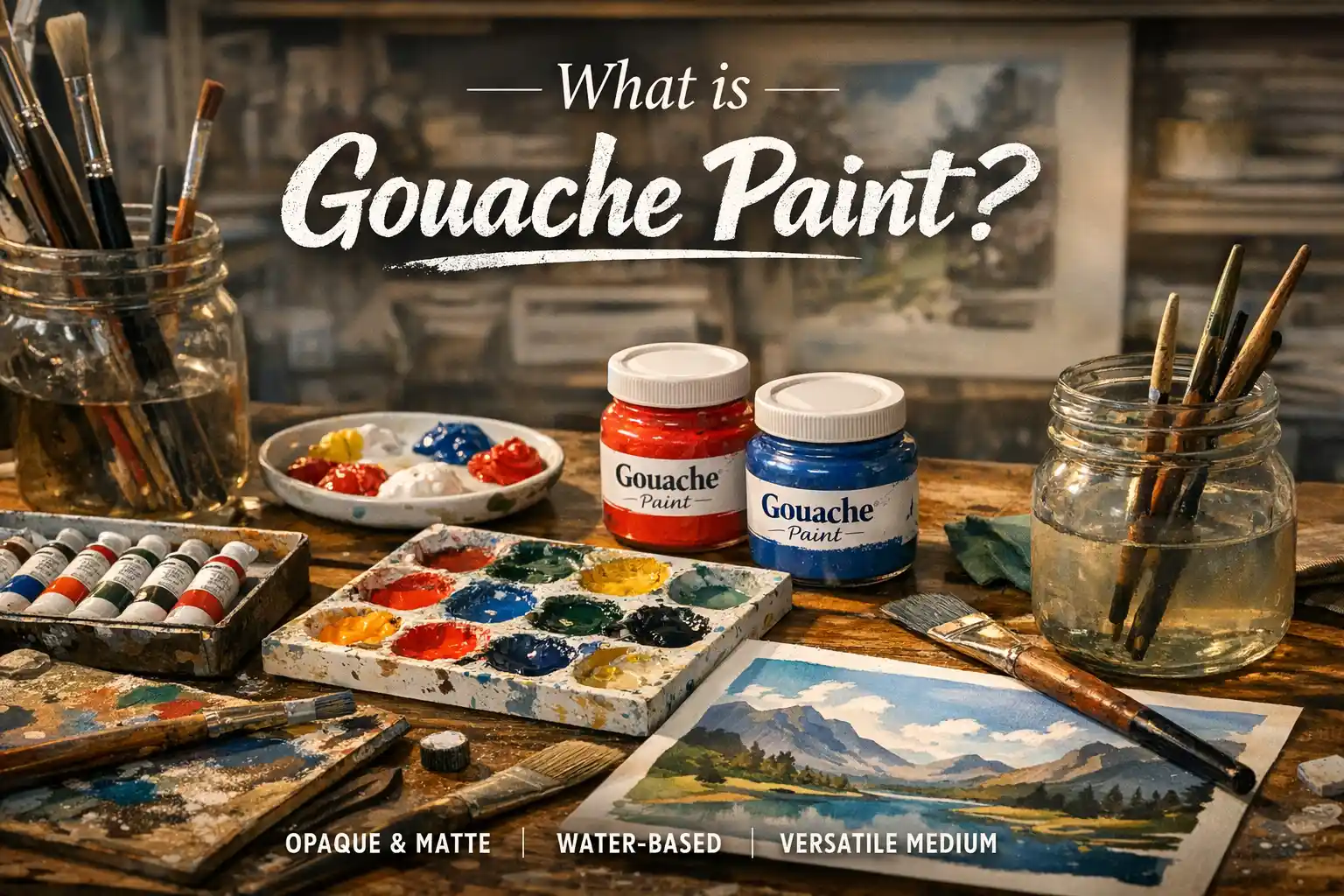
What is Gouache Paint? A Professional’s Guide for Homeowners, Artists, and DIYers
Key Takeaway:
Gouache paint is an opaque, water-based paint favored by artists and illustrators for its matte finish, versatility, and easy blending. While it's ideal for artwork and craft details due to its vibrant, opaque color and rewettable nature, it is not recommended for most residential or exterior painting projects because it lacks durability against moisture and wear.
Introduction: Understanding Gouache Paint
Straight Talk: Why Homeowners Should Know About Gouache
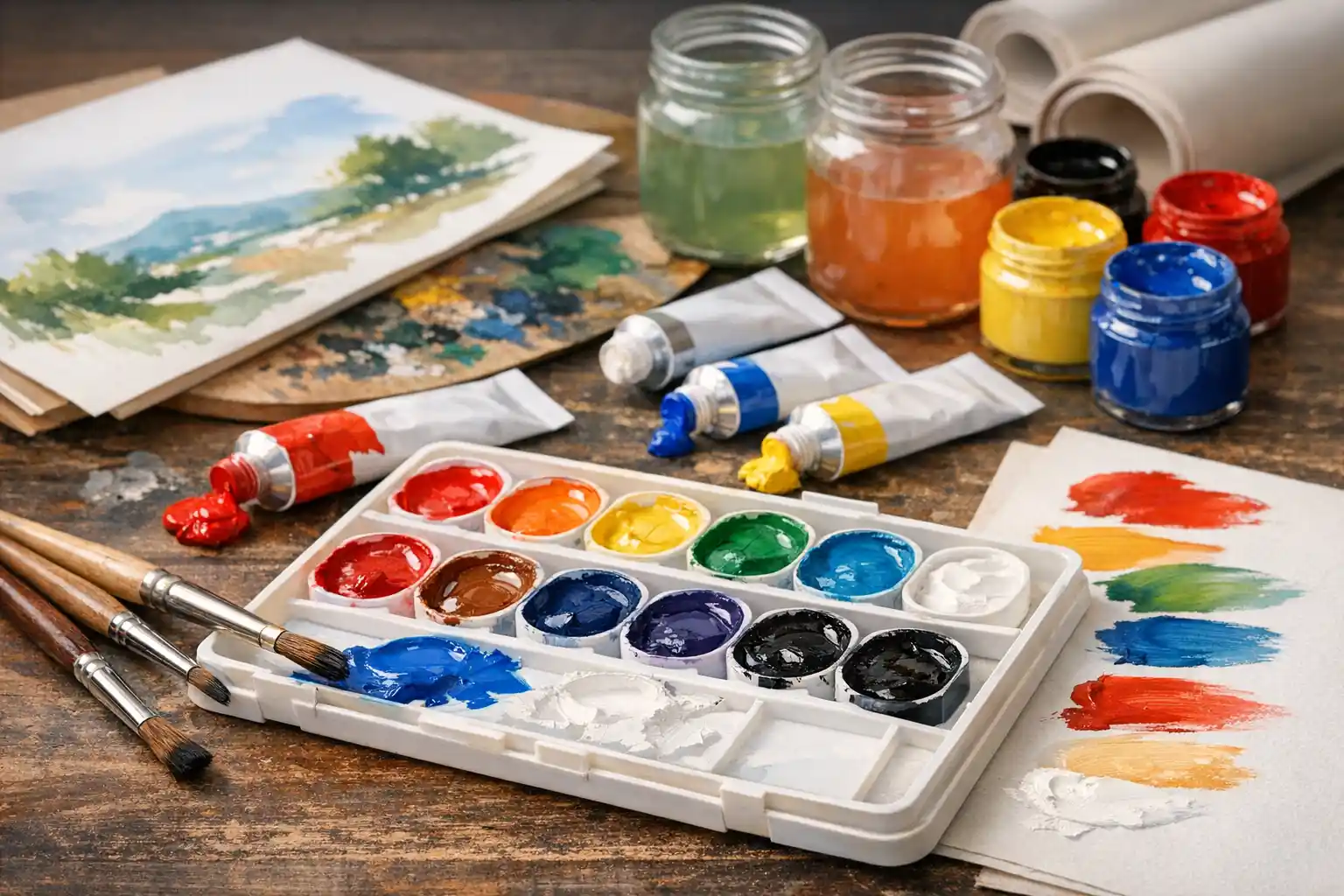
If you walk into any art supply store, you’ll see the word “gouache” pop up right alongside acrylic and watercolor paint. But unless you’ve spent time in art classes or design studios, you might still be wondering: What is gouache paint, and does it make sense for anything beyond traditional artwork? At Cover Pro Painting, our crews get this question from homeowners, DIYers, and interior designers interested in unique finishes. Our answer: Gouache is one of the most interesting paint mediums around—legendary for its soft matte finish, rich, opaque colors, and versatility as a primary medium, but rarely found outside the world of illustration and custom art. For specialty projects or creative home accents, it might just be the missing link for those seeking opaque watercolor qualities with a bold, graphic presence.
Core Characteristics at a Glance
- Opaque watercolor: Gouache is water-based like watercolor, but gouache is opaque, covering surfaces well—even over dark or colored backgrounds, thanks to pigment suspended in gum arabic and chalk.
- Matte finish: Dries almost velvety, with no shine—the signature ‘body color’ look artists love. This feature makes gouache paint ideal for scanned or photographed artwork and is why designers and illustrators gravitate toward it for color prototypes.
- Flat and bold colors: No glare means perfect reproduction for print and design. Acrylic gouache shares this trait but with more durability, combining the best of acrylic paint and traditional gouache.
- Not made for walls and trim: Unlike latex and acrylic paint, gouache paint isn’t built for heavy wear or exterior conditions. Its water-based formula means it remains water soluble even when dry, unlike permanent acrylics.
What is Gouache Paint? Breaking Down the Basics
The Ingredients: What’s in a Tube of Gouache
So, what sets gouache apart from the paint you use on your walls? The short answer: pigment suspended in a combination of water and a special binding agent called gum arabic, plus chalk or titanium white pigment for body and opacity. Gouache paint, like watercolor paint, is water soluble and can be reactivated with water, making it more flexible than acrylic paint or oil painting.
A paint tube of gouache will feel creamy and thick when you squeeze out fresh paint—never runny, and not tacky like acrylics. Artists prefer fresh paint for smooth, even coverage. Both traditional gouache and watercolor gouache rely on lots of pigment for their opaque colors. Cheaper brands often have less pigment and more filler, making it harder to get solid coverage without using the entire tube on a single piece. That’s why experienced artists often seek brands with a high pigment load to get the full benefits of gouache’s unique characteristics.
Gouache vs. Watercolor and Acrylic: A Quick Comparison
- Watercolor paint: Relies on transparent layers and the white of the watercolor paper for luminosity; colors are lighter unless highly pigmented.
- Traditional gouache: Forms an opaque layer that covers underlying marks, letting you work from light to dark and reverse—something standard watercolor cannot match. Traditional gouache is re-wettable and can be blended even after drying.
- Acrylic paint: Dries faster, forms a water-resistant film, and is less forgiving—cannot be reactivated after drying. Acrylics and acrylic gouache suit projects requiring more resilience.
- Acrylic gouache: Combines the matte finish and opacity of gouache with the permanence of acrylics, making it a versatile medium for artists and crafters.
How the Opacity Makes a Difference
For those seeking opaque colors that hide underlying sketches or previous colors, gouache paint outperforms both watercolor and most traditional water based paints. Gouache dries boldly, maintaining true hue and saturation—no faded, diluted look. This unique property makes it a favorite for fine details and graphic artwork.
Gouache dries to an opaque, matte, “body color” finish that’s unmatched by other mediums, which is why it’s used extensively for illustration, cartooning, and design where blocky, clean color separation is desired.
Quick Tips: Gouache is opaque, allowing you to layer opaque lights over darker colors—contrary to how transparent watercolor works. Only mix as much as you need; although dried gouache is re-wettable, the color can shift and lose its flat, even surface. Always use fresh paint from a paint tube for crucial passages.
How Gouache Works: The Science Behind the Finish
Why Gouache Dries Matte (and Why That Matters)
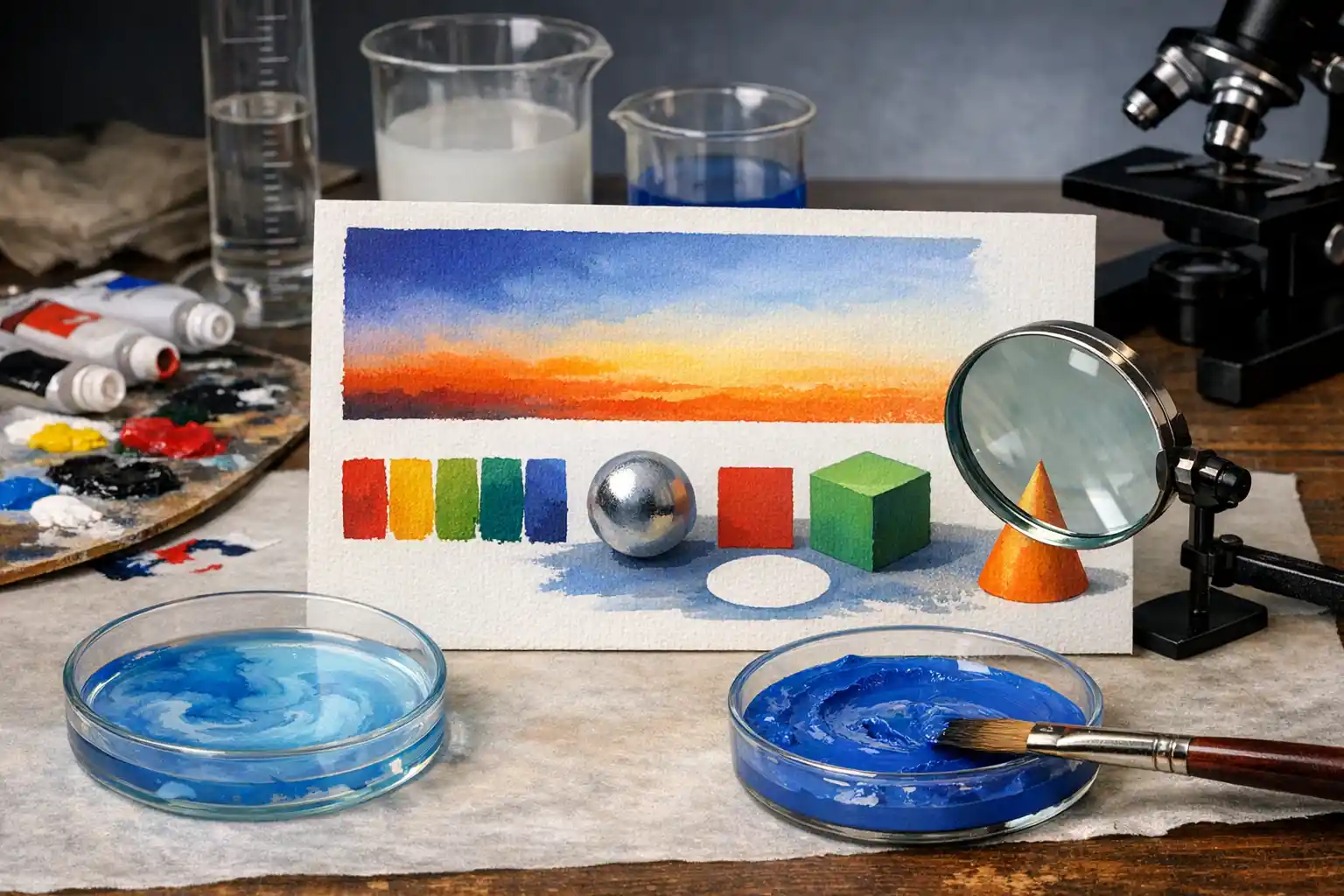
The matte finish is not merely aesthetic—it’s fundamental to the way gouache paint is formulated. The pigment is combined with gum arabic as the binding agent, which doesn’t create a hard protective crust like acrylics do. Instead, pigment particles remain close to the paper's surface, creating a luxuriously smooth, light-absorbing layer. This makes gouache perfect for photography or scanning because there's zero glare or specular reflection, unlike glossy acrylic paint or oil painting genres.
Explaining the Velvety, Non-Reflective Look
- No gloss, no glare: The matte, non-reflective nature of gouache is due to both formulation and application. This finish reproduces beautifully in print.
- Saturated, bold hues: Artists love the rich hues of high-pigment brands. The opaque layer enables vivid, graphic effects and strong contrast.
- Smooth, even finish: Gouache paint leaves minimal brush marks, especially when you prefer synthetic brushes (which hold shape for crisp lines) or a palette knife for spreading large, flat areas.
Pigment Particle Size and Its Impact
Gouache achieves opacity with larger pigment particle size and the addition of chalk (often calcium carbonate or titanium white). This makes it easy to block out an opaque layer, even over pencil or ink. This property makes gouache the preferred medium for designers and illustrators who want to adjust or correct work without starting over. But note: dried gouache remains water soluble and susceptible to accidental rewetting—unlike permanently set acrylic or oil paint. Protect pieces intended for display or sale.
Quick Tips: Use heavyweight watercolor paper; lighter paper will buckle under the moisture of water based paints like gouache. Keep a paper towel nearby to lift extra water, and always test paint handling (flow, opacity) on a scrap before going to your final project.
Where Gouache Excels: Common Uses in Art and Design
Fine Art and Illustration
Among art supplies, gouache has a storied role in illustration, book art, and even fine art. Artists leverage its versatile medium properties—easy overpainting, bright matte finish, darker colors that pop on light or mid-tone grounds, and rapid drying. Its ability to blend transparent effects, like watercolor, with fully blocking opaque sections means you can achieve both subtle gradients and graphic edges in the same piece. Gouache is commonly used for storyboards, children’s illustration, and print reproduction thanks to these unique features.
Design, Print, and Animation
Gouache paint was historically the primary medium for animation backgrounds, print comps, and advertising artwork—before digital tools, most color design work began with opaque watercolor or traditional gouache. Modern pros still turn to watercolor gouache and acrylic gouache for design keys, direct painting, or mockups when you need to match colors precisely. Acrylic gouache is especially valued for work that has to last through handling but retain a gouache-style aesthetic.
Expanding Uses: Decorative Home and Commercial Applications
DIYers now use gouache for custom wall art, shelf accent pieces, signage, planters, and unique crafts—anything where a matte, opaque finish is desired. While not a replacement for house paints, gouache's fresh paint look and bold colors can bring a contemporary vibe to spaces when used in framed or sealed projects. For home décor, use gouache on primed wood or watercolor paper framed behind glass. Some boutique spaces commission custom murals featuring gouache effects, sealed under protective varnishes or glass.
Custom Murals and Interior Accents
If you desire that unmistakable gouache look—flat, saturated color with a subtle dustiness—a professional can emulate the effect with matte finish acrylics or latex wall paint for greater durability, using techniques inspired by using gouache. For mural work, proper surface treatment and protective sealing are crucial to retain visual impact over time.
See our professional painting services overview for real-world applications and finishes.
Quick Tips: Prefer the effect but need real-life resilience? Interior acrylic or latex paints in matte finish (sometimes called "body color" by decorators) will recreate the airy effect of gouache without fuss. Ask about customizing a wall with bold, flat colors using professional paint for easier maintenance.
The DIY Factor: Gouache in Creative Home Projects
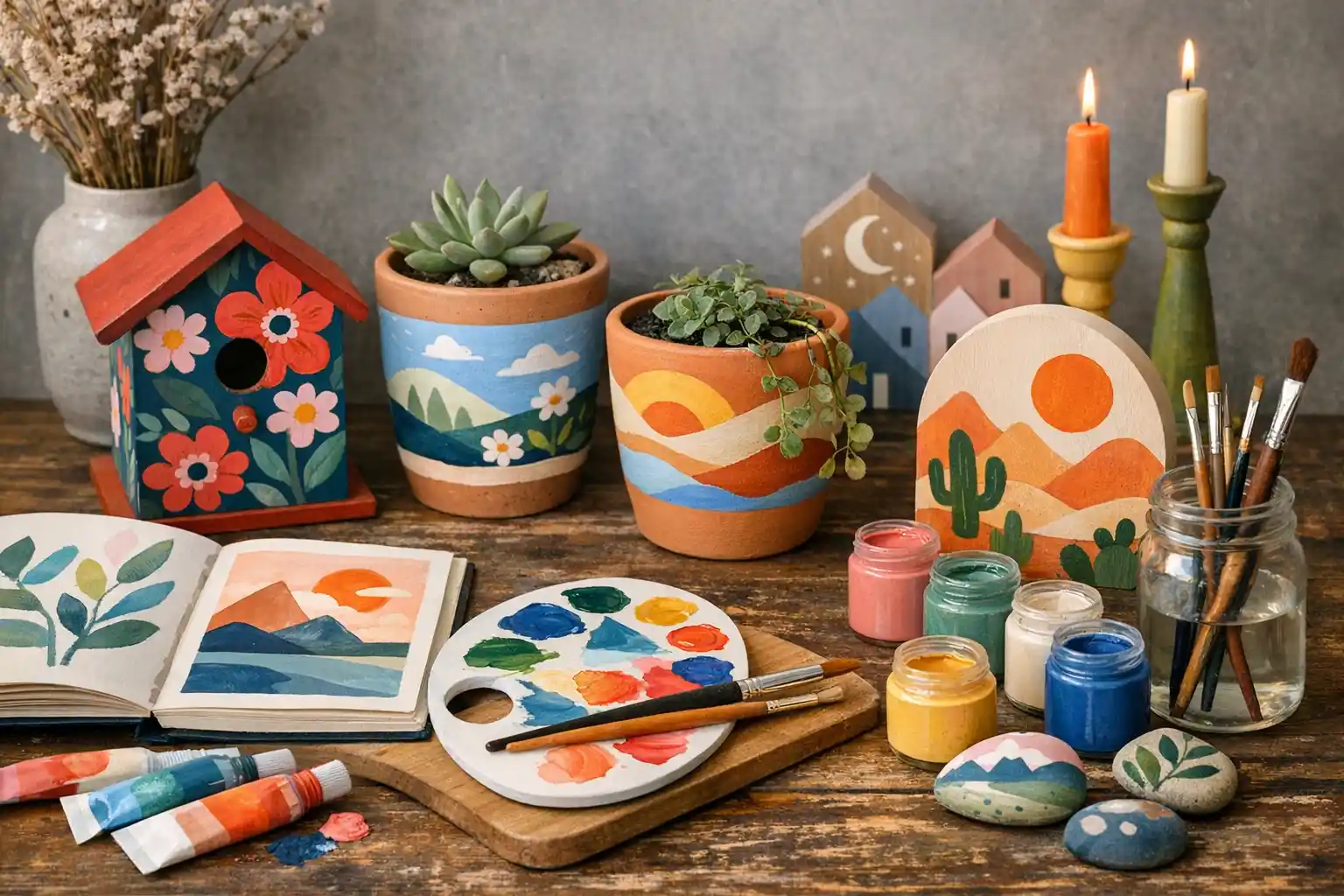
What Can Homeowners Realistically Do with Gouache?
If you’re looking for ways to express creativity at home, gouache is excellent for personalized wall art, lettering projects, unique signage, plant pots, coasters, or decorative trays—provided all surfaces are sealed or displayed in protected areas. Compared with oil painting, gouache is quicker to clean (soap and water suffices), and works on watercolor paper, primed canvas, or even properly sealed wood. Its opaque nature makes it especially suited for crafting unique gifts or prints with bright, matte color fields and fine details—something not always possible with more transparent media.
Crafts, Wall Art, and Accent Details
Try gouache for smaller areas and items that won't face abrasion, frequent cleaning, or moisture—shadowbox backgrounds, tray inserts, or custom name signs. Professional artists often use a wet palette or airtight containers to keep their paint moist and workable, since gouache dries fast in open air. Synthetic brushes (especially fine-pointed ones) are ideal for detail and coverage, and palette knives can be useful for expressive textures or clean blocks of color.
Protective Measures for Longevity
Even when thoroughly dry, gouache paint remains water soluble—so indoor display under glass or with a spray fixative is essential for longevity. All gouache art should be kept from humidity, splashes, and direct sunlight. Even sealed surfaces remain less durable than paint on walls, trim, or cabinetry finished with latex or acrylics; expect to refresh or redo art pieces as needed for freshness.
Quick Tips: Always let gouache artwork dry thoroughly before topcoating or framing. For crisp, fine details, use prefer synthetic brushes. Keep a water cup handy for rinsing between colors, and always have a paper towel to control moisture and maintain a smooth, even application.
Why Gouache Doesn’t Work for Most House Painting Jobs
Water Sensitivity and Durability Issues
The key limitation: Gouache is formulated as an art supplies medium for framed display, not for scrubbable, lived-in surfaces like walls or cabinets. Over time, exposure to humidity, cleaning products, and daily wear will degrade its finish. Where paint dries on traditional house paint, it forms a robust, scrubbable film. Gouache, even when fully dry, remains susceptible to water and can lift or smear if re-wetted—this is due to the nature of gum arabic and the lack of a tough acrylic shell that you see in most wall paints or acrylics.
How Gouache Reacts to Washington Weather
In humid or rainy environments like the Pacific Northwest, gouache paint simply isn’t designed to withstand weather. Its water based formulation allows for easy reactivation (a plus for corrections and blending in art, a disaster for wall coatings in homes). Everyday risks—mold, flaking, peeling, or dust absorption—are made worse when using gouache on anything meant to last.
Industry Perspective: Longevity vs. Artistic Flexibility
Professional painters strongly encourage clients to use latex or acrylic paint for walls and trim, reserving gouache for indoor, low-traffic art projects. House paints are engineered for scrub resistance and durability, something gouache simply can't offer even when sealed. Save gouache for picture-perfect craft work or creative wall accents behind glass, rather than high-traffic house surfaces.
Quick Tips: For anything prone to getting touched, cleaned, or exposed to humidity, use matte latex or acrylic paint—these are water based paints too, but feature permanent binders. For more about picking the right finish, see our paint finish guide.
Professional Insight: Can Gouache Techniques Inspire Home Paint Choices?
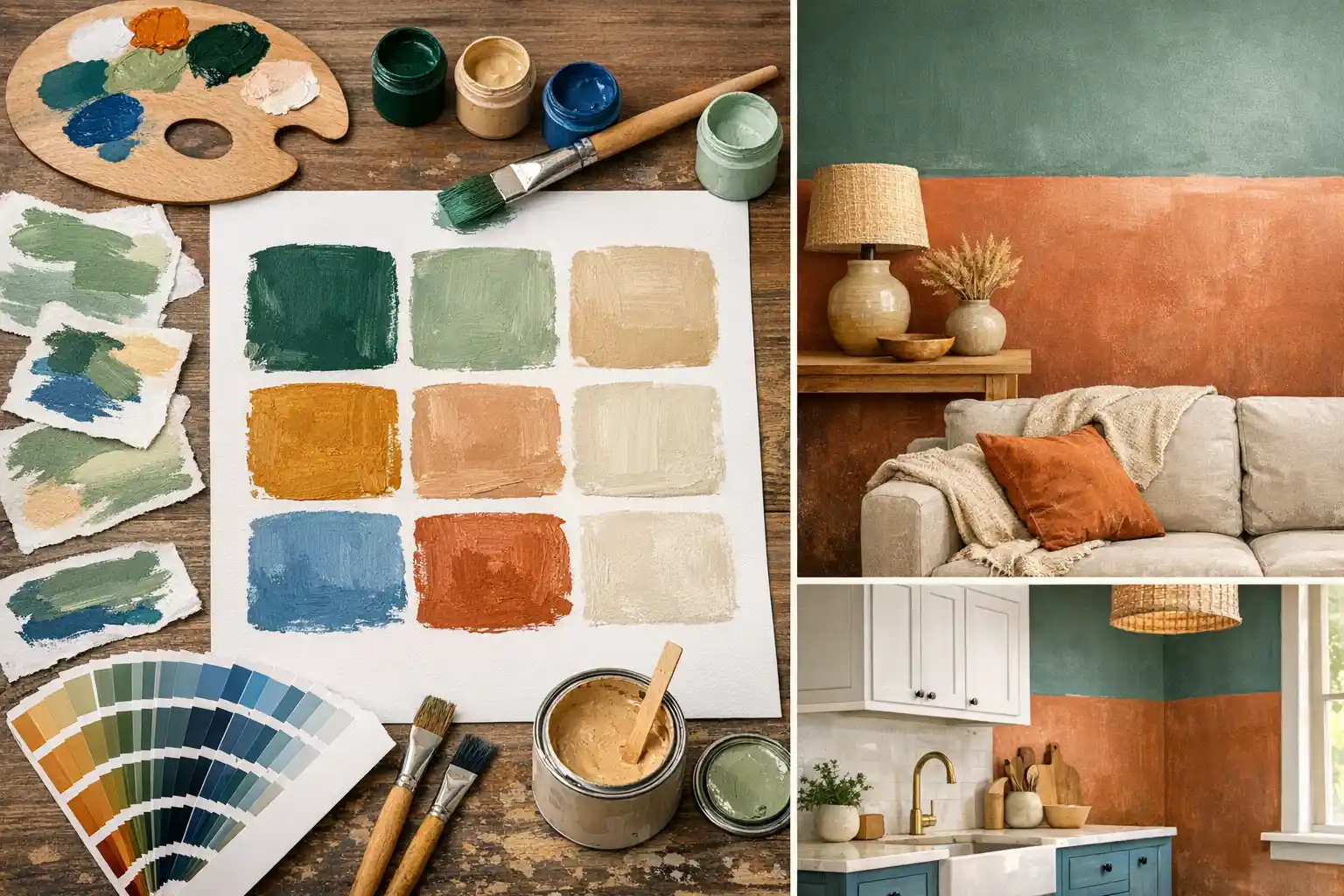
Matte Finishes and Color Blocking: Gouache Effects with Residential Paint
Many homeowners love the contemporary feel of gouache’s matte, chalky surfaces and bold, opaque zones of color. Emulate the best of gouache by choosing professional-grade, matte finish latex or interior acrylic wall paints. Paint brands now offer finishes that recall the flat, luminous look of high-quality gouache paint—without water sensitivity. For trends like color blocking or geometric accent walls, matte paints (sometimes called “body color”) are the best alternative for achieving that sophisticated, modern vibe.
Safe Alternatives for Accent Walls or Trim
If you crave striking, graphic edges in opaque color, ask your paint supplier about curated shade palettes in high-opacity, matte latex or acrylics. For fine lines and specialty effects, use soft, synthetic brushes for application or a palette knife for smooth, untextured blocks. This approach gives you more pigment per stroke, vivid color density, and less risk of needing an entire tube for coverage, as with cheap gouache brands.
Materials We Recommend for Lasting Results
- Premium water-based acrylics or top-tier latex: For consistent matte appearance and reliable opacity over diverse surfaces.
- Thorough wall preparation and priming: Ensures proper adhesion and color fidelity, especially for areas using darker colors or bold accent shades.
- High-quality synthetic brushes: Enable crisp lines and smooth coverage on edges, details, or geometric blocks—mirroring what’s possible with fine gouache work.
Techniques borrowed from the studio (layering an opaque layer, refining edges, adjusting tone) can inspire home wall finishes, but the right professional materials are vital to durability and cleaning. Discover more about expert painting techniques for lasting, beautiful results in your home.
Quick Tips: Like the appearance of gouache but need a washable, durable wall? Ask for scrub-resistant, zero-gloss matte wall paints in designer shades. Custom mixing is available for the perfect match colors you desire.
Artist-Grade vs. Student-Grade: Choosing the Right Gouache
When to Invest in Pro Materials
If you’re an illustrator, designer, or home hobbyist who values clean, vivid, matte results, artist-grade gouache offers much more pigment and better coverage than student or cheaper brands. The result: smoother finishes, stronger color (especially in lighter hues), and less risk of streaks or uneven opacity. Some brands even sell hybrid lines—like acrylic gouache—for those wanting higher permanence alongside that flat, velvety finish.
Tips for Homeowners Buying Gouache for DIY
- Student-grade gouache: Sufficient for crafts, early projects, or experimentation but may require entire tube for strong color fields.
- For more ambitious projects or professional work, choose at least a few key colors from artist lines, especially white and primary colors—they make mixing easier and provide lasting quality.
- Use a wet palette or airtight containers to keep fresh paint workable; gouache dries rapidly on exposed palettes, impacting smooth application.
Links to Local and Online Suppliers
Art supply stores and reputable online vendors stock a broad spectrum of gouache paint. Staff expertise can help you match your project’s needs to the best paint, palette knife, synthetic brushes, and watercolor paper options.
Quick Tips: Always test a small amount before tackling your main project. Verify non-toxic formulas if kids or pets are present. Remember: a little gouache goes a long way—avoid wasting your entire tube by portioning with a palette knife and sealing leftovers tightly in airtight containers.
Best Practices: Applying, Sealing, and Maintaining Gouache Artwork
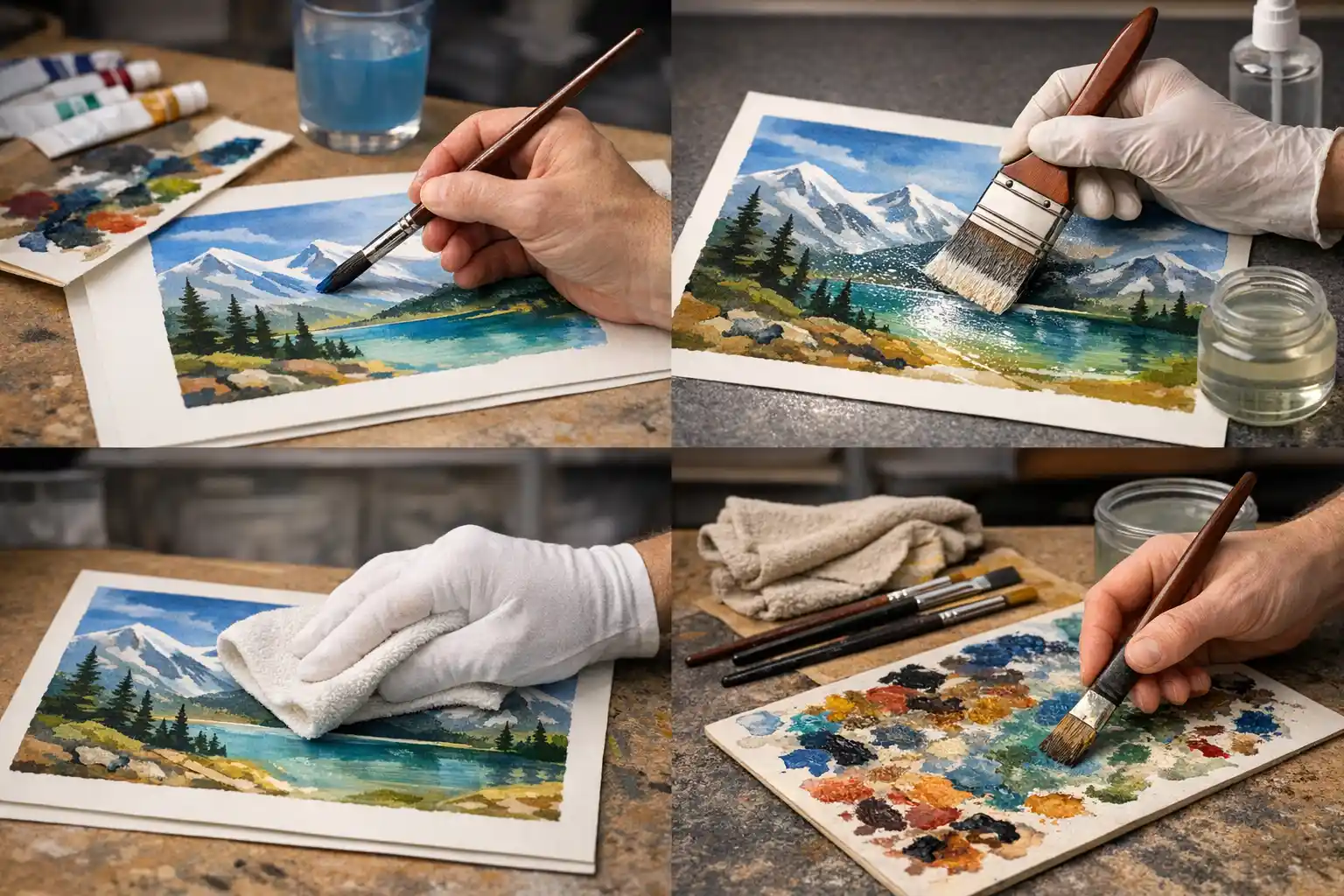
Surface Prep 101: What Pros Look For
- Choose heavyweight, acid-free watercolor paper, gesso-primed board, or prepped canvas. Gouache sits best on a slightly absorbent, smooth surface that won’t buckle, warp, or pill.
- Cleanliness matters—dust, oil, or dampness can prevent a flat, opaque layer from adhering, or cause colors to shift. Prime wood or canvas with acrylic gesso for best results.
- Use painter’s tape or masking to create sharp edges, especially with color blocks or geometric motifs.
When (and How) to Topcoat Gouache
Display without glass? Use a clear, matte spray fixative or low-sheen water-based polyurethane. Spraying in light layers preserves the matte finish and color, but always test on scraps—some finishes can darken or add gloss. Never brush varnish onto gouache’s dried opaque layer; moisture reactivates paint, blurring fine details and undermining your work.
Cleaning and Care Tips
- Dust finished gouache artwork with a dry, soft brush—avoid using water or liquid cleaners.
- Display in dry, climate-controlled areas away from direct sun to protect colors.
- For framing, always use spacers or double mats so the glass doesn't press on the watercolor gouache surface.
Mistakes to Avoid – From a Painter’s Perspective
Don’t:
- Apply gouache to unprimed, raw drywall, or unfinished wood—porous, unsealed surfaces draw in water and loosen pigment, ruining the opaque effect.
- Skip the protective topcoat or framing step—unsealed gouache absorbs dust, moisture, and may smudge with handling.
- Leave paint tubes uncapped, or palettes uncovered—air ruins the consistency and dries paint far faster than you expect, wasting pricey art supplies.
Quick Tips: Clean synthetic brushes thoroughly in a water cup after every session. Store unused paint in airtight containers or a sealed wet palette; never in open air. Don’t keep finished art in damp locations—gouache can absorb moisture and spoil even after drying.
Cover Pro Painting’s Take: When to Call a Professional
Honest Advice for Homeowners: DIY or Hire Out?
It’s tempting to do it all, especially with tutorials and social inspiration everywhere. For framed art pieces, craft decor, or custom objects using gouache, DIY is rewarding and cost-effective. For large, intricate murals or accent walls that must stand the test of time, hire pros with experience adapting studio effects to household surfaces. Professionals plan for longevity, precise edge control, and material science—making the difference between a fleeting craft and a finished feature lasting for years. Cover Pro Painting guarantees exhaustive surface prep, expert color consulting, and finish durability, backed by our five-year warranty on select projects.
What We Do Differently for Specialty Murals & Details
As licensed experts in residential and commercial painting, we use time-honored artistry and modern material science to bring gouache-inspired finishes to life. Our crews blend matte latex or acrylic finishes for maximum opacity and durability, using methods like layering, custom color matching, and fine synthetic brushwork—all inspired by classic gouache paint techniques. Every project is executed with precision, ensuring vibrant, long-lasting results without sacrificing style for practical resilience.
Internal Links: Our Workmanship Warranty | Specialty Painting Services
Want to know more about our approach? Visit About Us or learn about Paint Services for Homes and Businesses in your area for examples of our craftsmanship and commitment to quality.
Quick Tips: Interview all specialty contractors about licensing, insurance, warranty, and specific experience with matte/flat effects and other mediums before moving forward. The best results come from skill, preparation, and accountability at every step.
Conclusion: Gouache Paint in the Big Picture
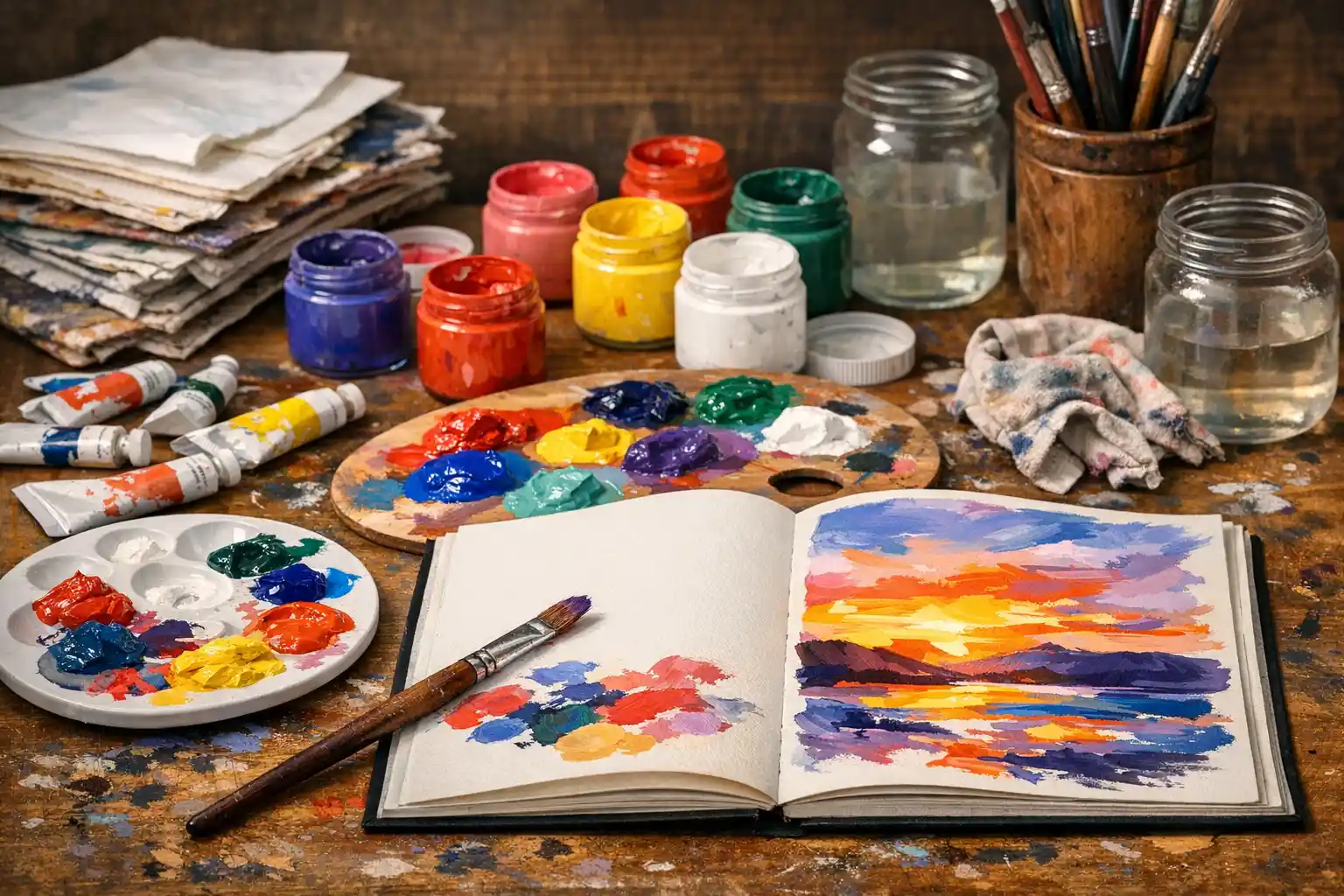
- Gouache paint is the go-to for vibrant framed art, custom illustration, and unique crafts—especially where a bold, matte, opaque appearance is desired.
- Best used on smaller surfaces (paper, canvas, wood) and always protected by glass, sealing, or framing.
- For all household paint jobs—walls, trims, exterior surfaces—choose professional acrylic or latex paints for similar matte looks but with far greater resilience and easy maintenance.
- Consult pros for color matching, material selection, and gouache-style techniques for specialty features in your home.
Final Thoughts from the South Puget Sound Painting Pros
We appreciate the versatility and beauty of gouache in the artistic world and recognize its limitations for home improvement. Use this medium where its matte, opaque, and water-soluble characteristics bring value—then trust proven house paints and techniques for the finishes that must endure. Inspired or want more info? Contact our team for guidance, refinishing ideas, or to get a quote tailored to your next creative project.
Frequently Asked Questions
Is gouache paint safe to use in homes with children or pets?
Most modern gouache paints are non-toxic when dry, but always check the label. For high-use areas or where durability matters, stick with standard wall paint and use gouache only for framed or sealed artwork. Gouache remains water soluble, so framing or protective topcoat is a must.
Can I use gouache for painting a kitchen or bathroom wall?
We don’t recommend it. Gouache is very sensitive to water, making it unsuitable for kitchens, bathrooms, or any high-moisture environment. Use matte acrylic or latex paint for a similar effect that can withstand cleaning and humidity.
How do I protect gouache art if it’s on a wall or furniture?
Protect gouache-painted surfaces with a clear, matte spray fixative or water-based polyurethane. Test all finishes first, as some can alter color or gloss. Note: Even sealed gouache isn't as tough as standard paints or acrylic gouache.
What paint finish gives the closest look to gouache for home walls?
Choose a high-quality flat or matte latex paint. Matte finishes are formulated to match gouache’s velvety, non-glare appearance and are durable enough for daily living spaces.
Why do artists keep using gouache if it’s not durable for homes?
Because gouache offers control, fine details, vivid color, and a matte finish unmatched by other mediums. It's ideal for professional art, illustration, and design—just not intended for high-traffic surfaces.
Is there a place for gouache-inspired techniques in custom home projects?
Yes—ask about custom murals or accent walls using matte or flat wall paints, which recreate the look of gouache paint but add necessary durability. Acrylic gouache can also be used for sealed, low-traffic mural sections.
What should I look for in a contractor if I want a specialty mural or finish?
Look for licensing, insurance, and experience with specialty techniques. Make sure your contractor understands matte finishes, custom color matching, and uses the right materials to achieve a genuine gouache effect with lasting results.
