
%201.svg)

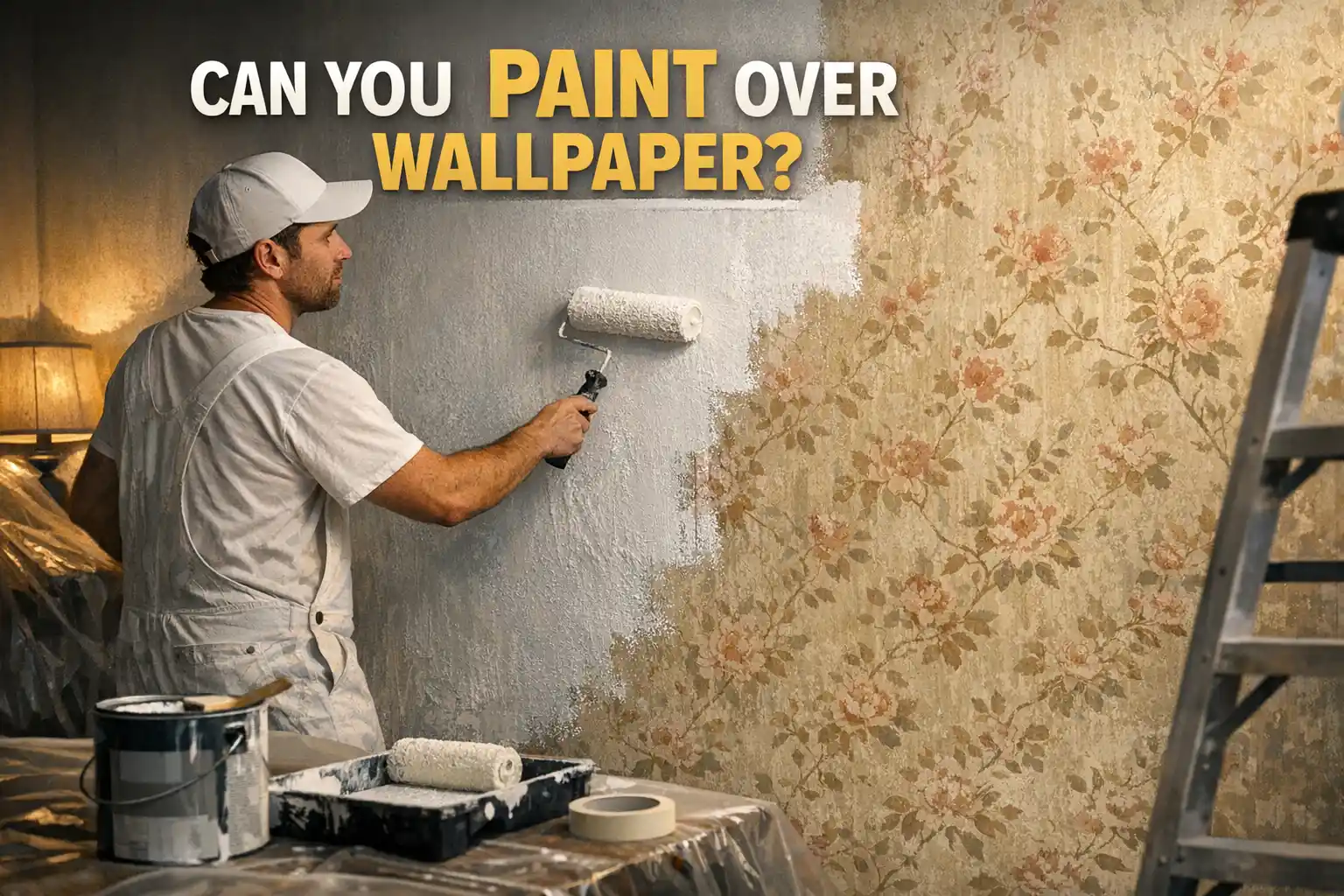
Can You Paint Over Wallpaper?
Key Takeaway:
Yes, you can paint over wallpaper if it is in good condition, properly prepped, and the right primer and paint are used. However, thorough surface cleaning, seam repair, and the application of an adhesion-promoting primer are essential steps to ensure a durable, professional finish and avoid issues like bubbling or peeling—especially in damp or humid regions.
Introduction: Painting Over Wallpaper—Is It Really an Option?
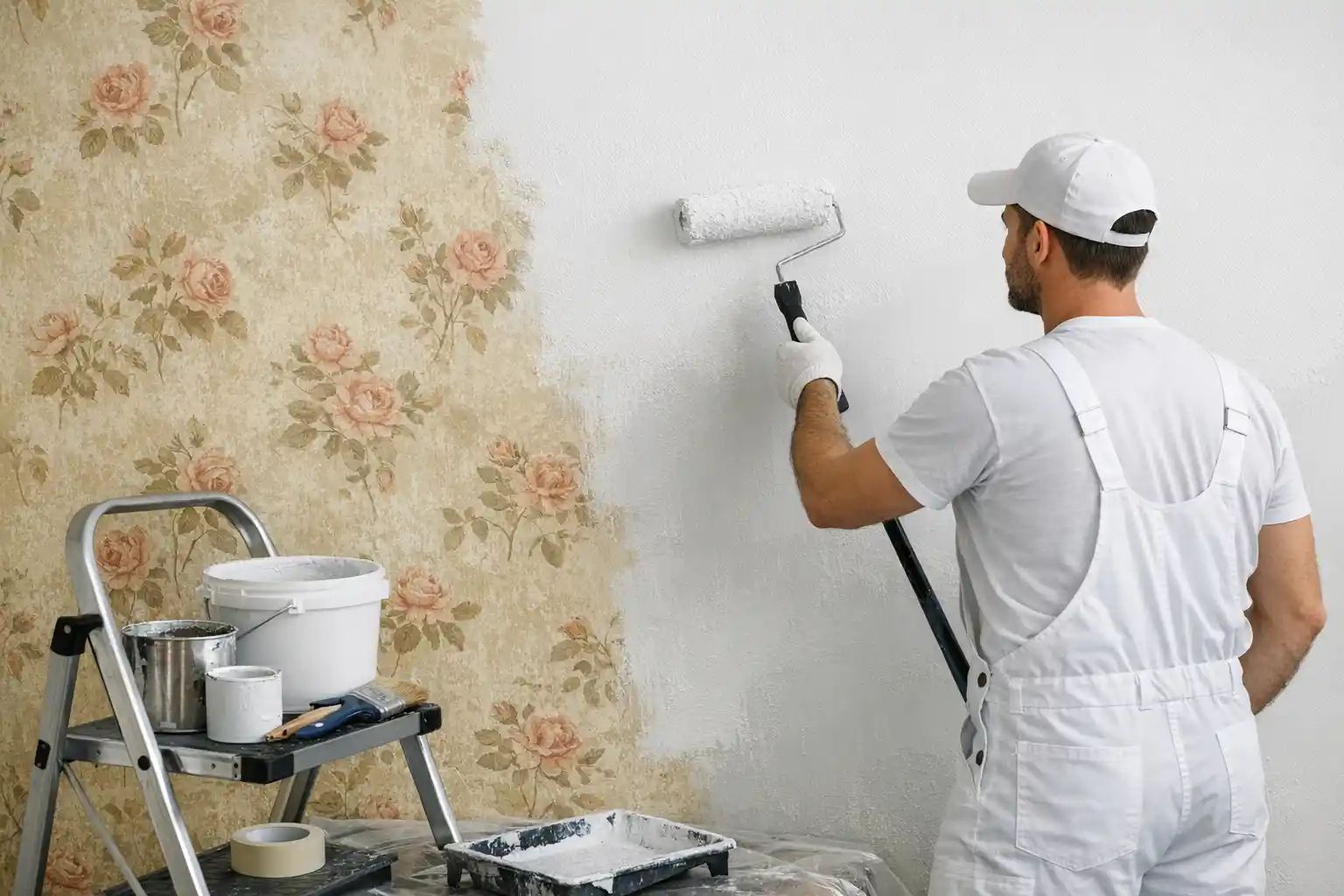
The question we get asked all the time at Cover Pro Painting: Can you paint over wallpaper? It’s a situation homeowners often find themselves in—moving into a new house where the walls are covered in dated wallpaper, or wanting a refresh in a room that’s already lined with paper. The answer isn’t always straightforward, and it depends on the condition of the wallpaper, the type of wall underneath, and your goals for the space. Let’s break down what you need to know before you reach for that paint roller.
Why Homeowners Consider Painting Over Wallpaper
Removing wallpaper can be a messy, time-consuming process, sometimes revealing damaged plaster or drywall underneath. Many homeowners wonder if there’s a simpler way—just paint right over the wallpaper and get a clean, new look. In some cases, painting over wallpaper is not only possible, but practical. But skipping the prep work can lead to peeling paint, visible seams, and a poor finish that won’t stand the test of time.
Industry Opinions and Regional Considerations
Professional painters across the country have mixed opinions on painting over wallpaper. Some see it as a last resort, while others find it justifiable under the right conditions. Here in the Pacific Northwest, dampness and humidity mean extra caution is required. When too much moisture is trapped behind wallpaper or plaster walls, both paint and wallpaper can fail quickly. That’s why the right materials and prep are critical—just ask any pro working with common painting problems in homes.
How Washington’s Climate Influences Paint Decisions
Our local climate throws some unique challenges at any wall paint job, especially if you’re painting over wallpaper. High humidity can interact with wallpaper adhesive or wallpaper paste, causing new paint to bubble or peel if the prep work isn’t meticulous. Dry time, moisture control, and the type of oil-based primer or water-based primer used all play add up to the final result.
When Is Painting Over Wallpaper a Good Idea?
There are real-world scenarios where painting over wallpaper makes sense. If the wallpaper—whether it’s standard wall paper, lining paper, or even textured wallpaper—is well-adhered and in good condition, it can provide a smooth surface for new paint with less mess than trying to strip it all away, especially if you don’t have evidence of failed wallpaper adhesive or loose seams.
Evaluating the Condition of Existing Wallpaper
Start with a careful assessment. If the entire wall has securely hung wallpaper (no bubbles, tears, or peeling edges), and there’s no sign of mold or too much moisture behind it, painting over it may be an option. Check for any cracked seams, raised spots, or corners that have separated from the wall. Even a small bubble or peeling edge can mean trouble down the line.
Types of Wallpaper: Paper, Vinyl, Fabric, and More
The material matters. Standard wallpaper and lining paper usually accept primer and paint more readily than vinyl or fabric-backed wallpaper. Vinyl coatings tend to repel paint unless thoroughly sanded or chemically deglossed. If you’re not sure, test a small, inconspicuous area before tackling the entire wall.
When Removal Isn’t Practical: Real Home Scenarios
Sometimes, stripping the wallpaper isn’t feasible. Maybe the original wallpaper was applied directly to bare drywall or plaster walls, making removal likely to destroy the wall surface underneath. In historic homes or problem areas, painting over wallpaper can be the most cost-effective, least invasive solution—provided you’re willing to commit to careful prep and professional materials.
Quick Tips:
Paint over wallpaper only if it’s fully adhered, smooth, and free of water damage or major faults. If in doubt, ask a pro for a wall inspection to avoid future paint failure.
When NOT to Paint Over Wallpaper
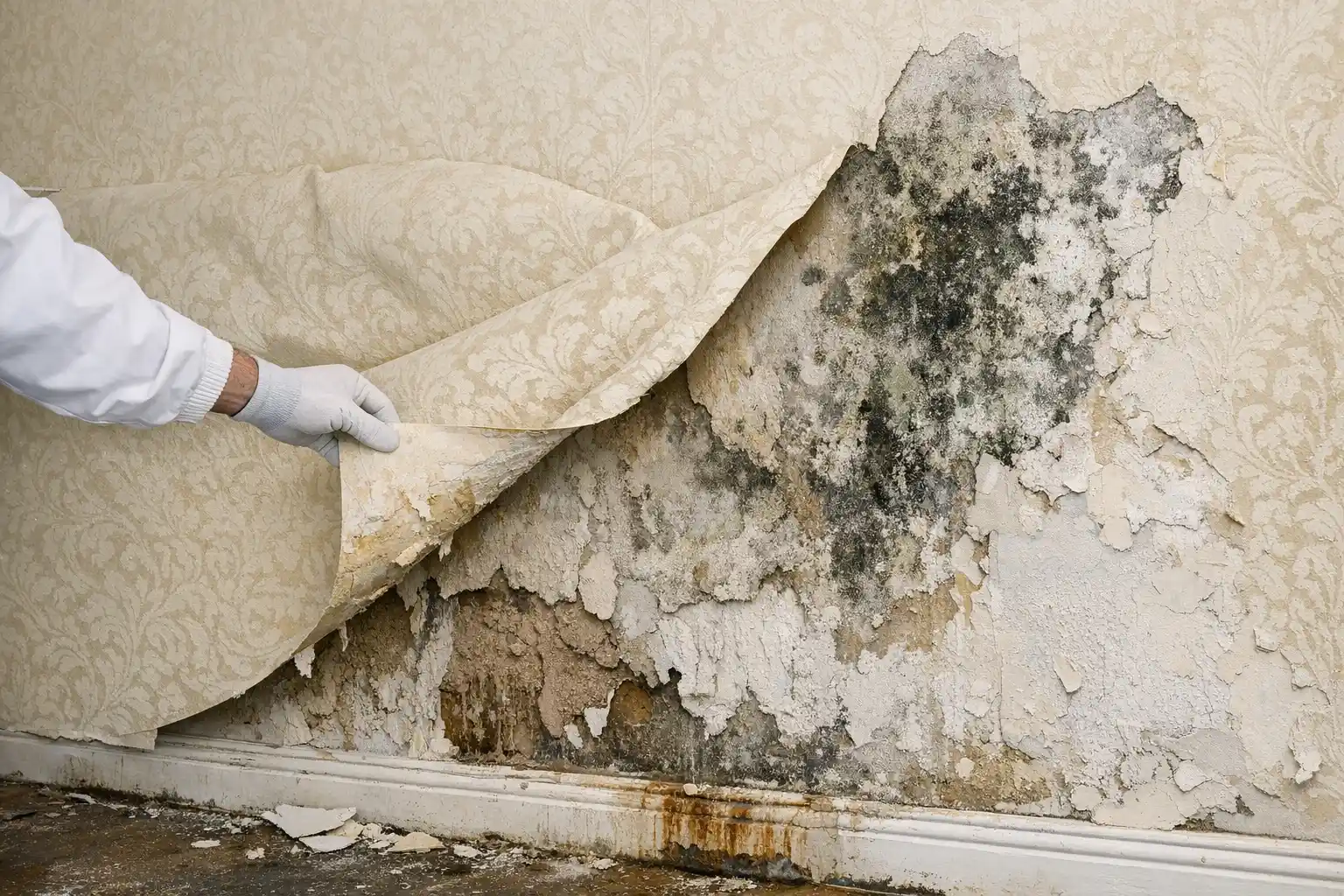
There are definite times you should hit pause and reconsider. Nothing guarantees a failed paint job like ignoring major wall or wallpaper problems. Let’s look at the red flags.
Visible Damage: Peeling, Bubbling, and Loose Seams
If you spot peeling corners, loose seams, or bubbles anywhere on the wallpaper, don’t attempt to paint over without major repairs. Paint will highlight every flaw, and those weak spots often become worse as paint causes the paper to expand or contract. Address problems or consider removing wallpaper entirely before painting.
Underlying Wall Issues to Watch Out For
Can you paint over wallpaper that hides old drywall mud, crumbling plaster, or big nail holes? It’s a gamble that usually doesn’t pay off. Structural issues or deep wall damage should be repaired—filled, sealed, and primed—before even thinking about primer or paint.
Risks: Mold, Moisture, and Hidden Surprises
Old wallpaper and humid regions make for prime environments for hidden mold, especially if there’s evidence of past water leaks or strange odors. Paint can seal in even minor mildew, making it much harder to remediate down the road. If you suspect too much moisture or smell a musty odor, do not paint over—solve the moisture issue first.
Quick Tips:
Painting over damaged, peeling, or moldy wallpaper is a recipe for disappointment. For best results, only paint over wallpaper in excellent condition and after all repairs are complete.
Essential Steps for Painting Over Wallpaper (Professional Process)
Even if the wallpaper is smooth and fully adhered, skipping steps will lead to poor coverage and future problems. Here’s our step-by-step process for a long-lasting, professional paint job over wallpaper.
1. Clean and Sanitize the Surface
The first step is thorough cleaning. Wallpaper—especially in kitchens and bathrooms—collects oil, dust, and even mildew. Professionals recommend a solution of sugar soap or mild detergent with warm water to wipe down the entire wall. Allow the surface to dry completely before proceeding.
2. Secure Seams and Edges — No Shortcuts
Run your hand across the surface. Dig into every seam and edge. Use wallpaper adhesive to secure any loose areas and let them cure overnight to prevent bubbling when you apply the primer.
3. Deglossing Glossy or Vinyl-Coated Wallpapers
If you are working with textured wallpaper or a glossy vinyl type, lightly sand the surface or use a liquid deglosser to promote primer adhesion. Without this extra step, even the best oil based primer can lift from slick surfaces.
4. Addressing Stains, Mildew, and Odors
Use a stain-blocking or mildew-resistant primer on any areas previously impacted by moisture or contaminants. This is especially critical in humid regions where paint can trap odors or stains.
Products: Recommended Cleaners and Mildew Treatments
Sugar soap and mildewcide solutions are effective for prep. For more aggressive cleaning, use TSP (trisodium phosphate), but rinse thoroughly and ensure walls dry completely before priming.
Quick Tips:
Always prep to a ‘smooth surface’ standard—clean, sand, repair seams, and let everything cure before priming for a paint job that lasts.
Choosing the Right Primer and Paint
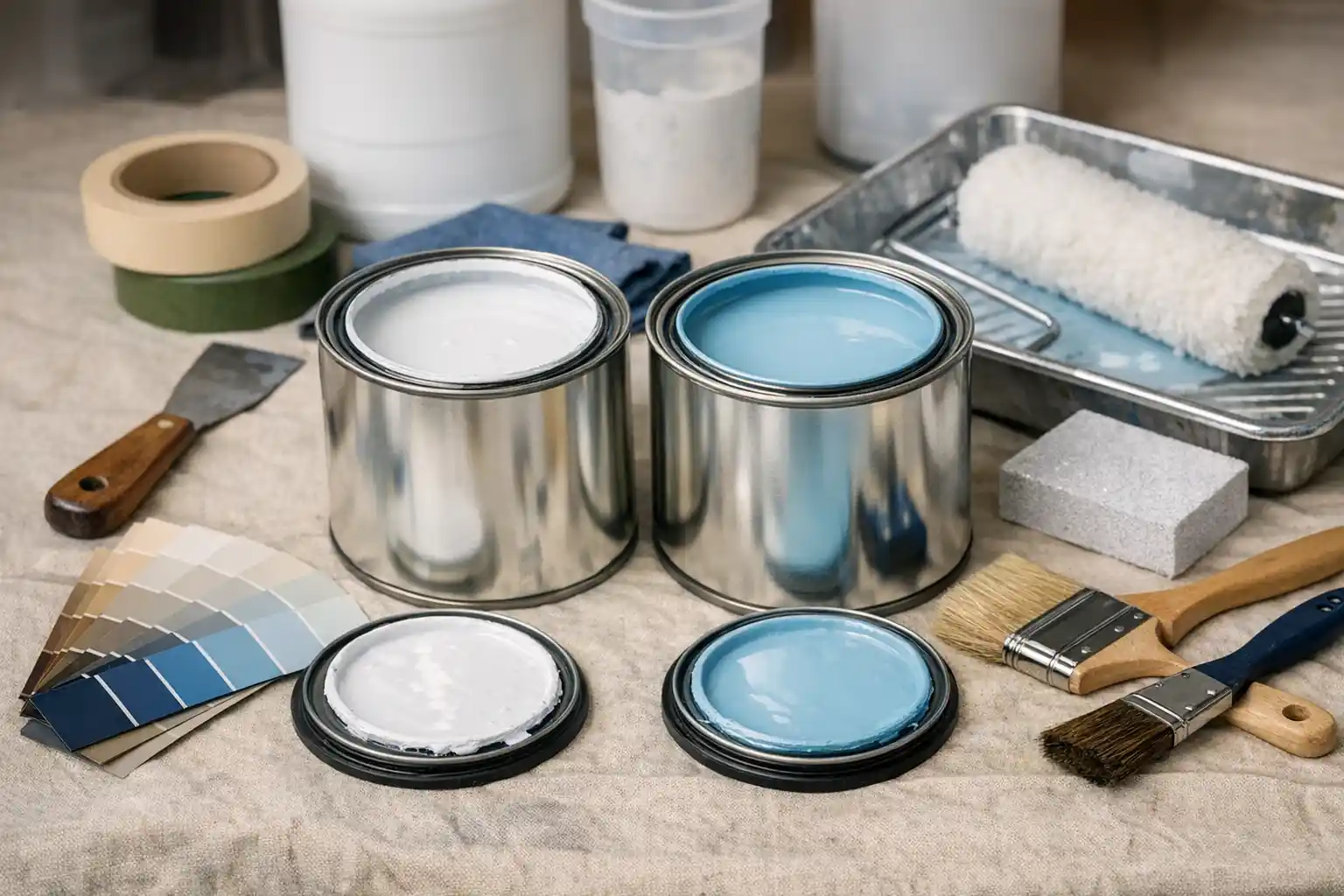
Not all primers and paints are created equal, especially for painted wallpaper. This is where national trends and climate-specific knowledge matter most.
Washable Primers: What’s Changed in 2026?
Primers have come a long way. Today’s washable, adhesion-promoting primers (oil-based and water-based) create a perfect barrier between wallpaper and topcoats, minimizing the risk of bubbling. Oil based primer remains the gold standard for tough applications, but high-quality water-based options with stain-blocking additives can often achieve similar results.
Why Primer Choice Matters Most in Damp Climates
Humidity penetrates nearly everything in a home. Primer helps seal wallpaper, stops wallpaper paste from bleeding through, and stabilizes seams. Skipping this step almost guarantees paint will peel or mold will form under the paint film, especially in bathrooms or kitchens.
Paint Type: Water-Based, Low-VOC, and Mildew-Resistant Options
After priming, choose a premium water-based, mildew-resistant paint for most living areas. Low-VOC paints are better for indoor air quality, and specialty latex products will flex as walls settle, further reducing the risk of cracking. Always apply at least two coats for even coverage.
Quick Tips:
Invest in a high-adhesion, low-permeation primer and finish with two coats of mildew-resistant interior paint for professional, long-lasting results.
Dealing with Special Wallpaper Types: Vinyl, Textured, and More
Not all wallpaper is the same—some types add extra steps and complexity to every project.
How to Identify Difficult Wallpapers
Vinyl, foil, and fabric-backed wallpaper can resist paint and primer, causing poor adhesion. Textured wallpaper might telegraph ridges, patterns, or seams right through your new paint. Always test a first coat in an out-of-sight area before tackling a high-visibility wall.
Extra Prep for Vinyl and Embossed Textures
Slick surfaces need deglossing. Embossed or textured wallpaper should be skimmed with drywall mud for a truly smooth surface—otherwise, every ridge will show through the new paint. Aggressive sanding, additional primer, and careful joint work can tame even the most stubborn textures.
Professional Tricks for Tricky Surfaces
Some pros use a thin skim coat of joint compound over all seams or the entire wall to achieve that glass-flat look. Don’t forget to fill holes, feather seams, and sand smooth before priming again. It’s extra work—but it’s how the best pros tackle expert techniques for painting textured walls.
Quick Tips:
Textured or vinyl wall coverings need extra sanding, skim coating, and the strongest adhesion primers—don’t skimp if you want results that last.
Step-by-Step: Our Painting Over Wallpaper Process
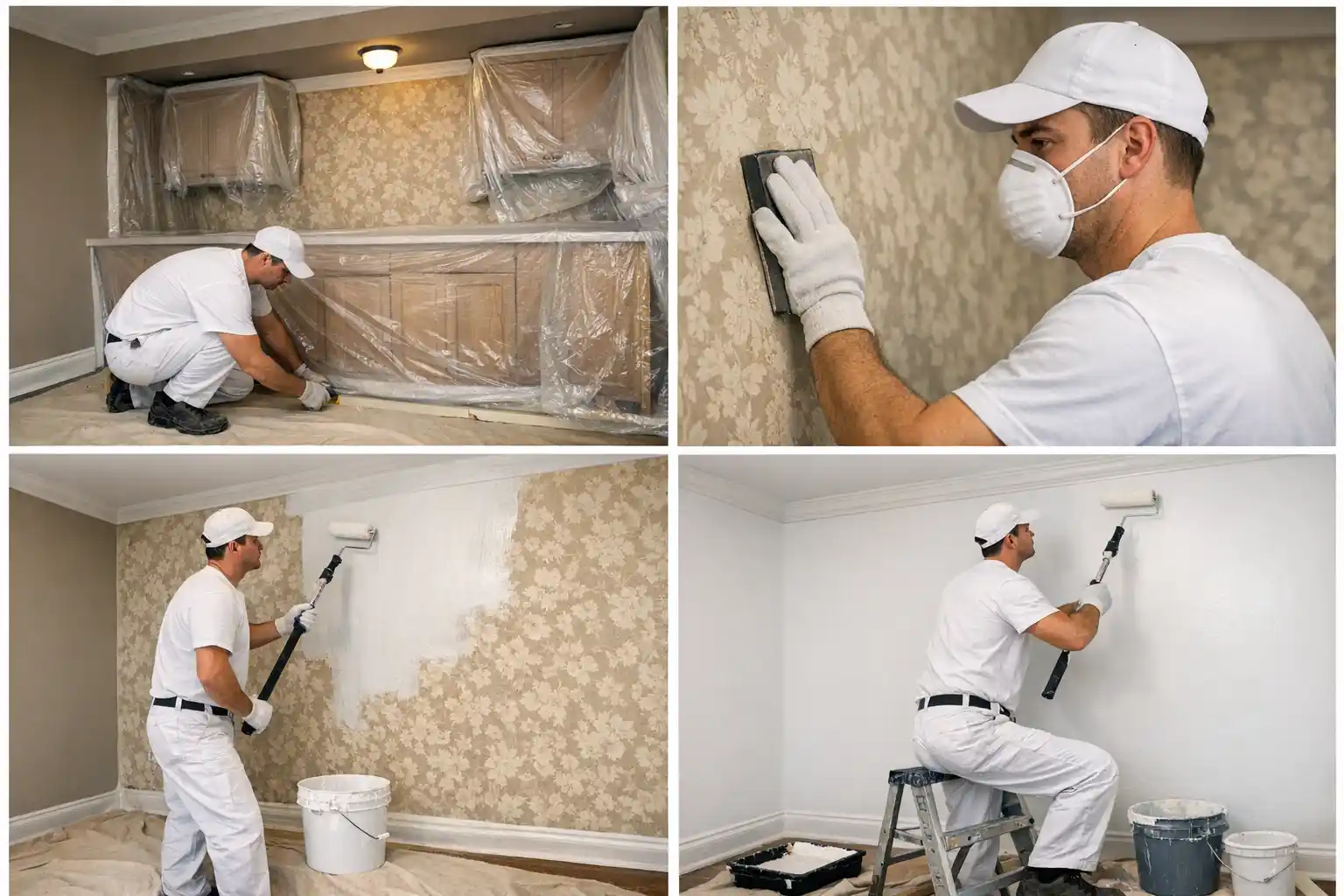
Site Inspection and Assessment
Every successful painted wallpaper project starts with a close inspection. We check for loose seams, bubbling, evidence of water damage, hidden mold, and the presence of problematic wallpaper adhesive. We also look for cracks, nail holes, or signs that the entire wall needs drywall repairs or patches.
Detailed Prep from Room Containment to Primer
We contain work areas to keep the rest of your home dust-free. After scrubbing the wallpaper, we patch and fill any holes, feathering seams and choosing whether to skim coat particular sections. We sand everything smooth, dry completely, secure all loose seams, then apply one or two coats of chosen primer, letting each coat cure fully.
Finishing Touches and Clean-Up
After the primer stage, we apply two coats of top-quality new paint, feathering out to create a seamless appearance across the whole wall. All taping and containment are removed, followed by a detailed clean-up—leaving you with a renewed space and no hint of old wallpaper beneath.
What Our South Puget Sound Clients Can Expect
We treat every project—whether one wall or the entire home—with meticulous attention to detail. That means transparent communication, comprehensive site prep, and a final walkthrough to guarantee satisfaction. You can read real customer feedback on our Cover Pro Painting reviews page.
Quick Tips:
The quality of a painted wallpaper finish comes down to prep: vigorous cleaning, seam repairs, full wall primer, and a patient two-coat application.
Seattle Area Weather Challenges: Humidity, Drying, and Long-Term Durability
Our region’s high humidity and frequent rain mean extra steps to control drying and prevent failure when painting over wallpaper.
Why Dry Time Matters (and How We Account for It)
Painted wallpaper projects require longer dry times between each coat, especially for the first coat of primer and second coat of paint. Rushing causes moisture to become trapped between layers, which will create bubbles or peeling as soon as the weather turns damp.
Extra Steps to Prevent Mildew and Peeling in Our Climate
We use dehumidifiers, heaters, and even airflow systems on high-moisture days. Our primers include mildew-inhibiting agents, and we never skip the step of letting surfaces dry completely after cleaning or priming.
South Puget Sound: What Sets Our Approach Apart
From extra site protection to climate-adapted drying, our local experience means fewer callbacks, less risk, and a job that holds up even through Pacific Northwest winters. That’s just one of the reasons our painted wallpaper jobs stand the test of time—and one reason why homeowners trust us for home repairs along with painting projects.
How Painting Over Wallpaper Compares to Removal
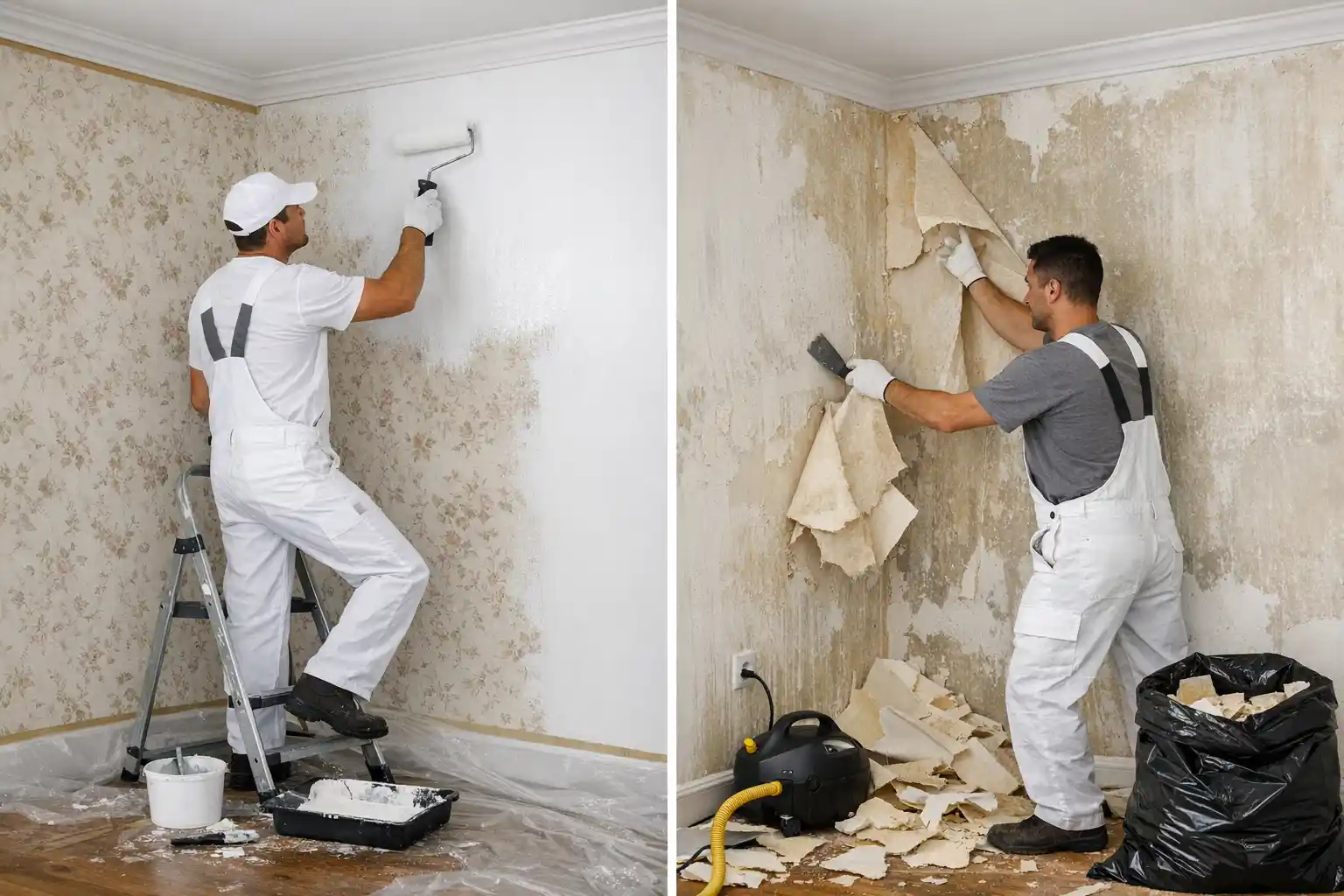
Let’s make a clear-eyed comparison for anyone weighing their options.
Cost, Timeline, and Mess: A Side-by-Side Look
Painting over wallpaper is usually quicker and less disruptive than stripping and repairing walls. Avoiding extensive wall repair can save time and money up front. But that savings evaporates if shortcuts mean paint fails and you face full removal, complicated plaster repairs, or drywall mud restoration later.
Long-Term Maintenance Considerations
Painted wallpaper is harder to strip or remove in the future. If styles change or if you ever want new wallpaper, you’ll have more work ahead. But with careful prep and climate-appropriate products, a painted-over wall can last for many years without issue.
Case Study: Real World Project Outcomes
We’ve seen wallpaper jobs last a decade or more when properly prepped and painted in stable conditions. We’ve also seen quick, DIY shortcut jobs fail within a couple of years. The difference comes down to thorough prep and product choice.
Quick Tips:
Only choose to paint over wallpaper if you’re comfortable committing to detailed prep and possible extra maintenance. For the longest life, have a pro evaluate your walls before starting.
Cover Pro Painting’s Five-Year Workmanship Warranty
Few companies will stand behind a painted wallpaper project, but we do—because when done right, the results hold up to both time and weather.
What Our Warranty Means for Wallpaper Projects
We offer a five-year workmanship warranty on all qualifying paint jobs—even for properly prepped wallpaper, as long as customers follow our maintenance and moisture guidance. This level of coverage is rare in the industry, and it reflects our confidence in both our process and our products.
Why We Stand Behind Our Work—Even on Painted Wallpaper
Our meticulous process, use of top-tier primer and paint, and our specialization in local wall challenges mean that your finished job isn’t just covered—it’s future-proofed. Homeowners get the peace of mind that comes from a local company that’s licensed, bonded, and insured for every step of the process. Learn more about our team and values on our About Us page.
Licensed, Bonded, Insured: Homeowner Peace of Mind
Our customers trust that their project is protected before, during, and after completion—one of the main differences between a professional finish and a DIY headache.
Internal Links & Where to Learn More

Related Services: Interior Painting, Wallpaper Removal, and Moisture Control
If painting over wallpaper isn’t your best option, we offer full interior painting services, wallpaper removal, wall repairs, and moisture mitigation. If you want to compare options or see pricing, see our guide to house painting quotes. For help choosing the right paint system for the job, visit our painting services page.
Requesting a Proposal: What to Expect
Getting a quote is easy—we offer detailed proposals, thorough inspections, and no-pressure recommendations for every type of wall. To get started, contact us online or call for a free consultation.
Conclusion: Should You Paint Over Wallpaper? Our Honest Take
Recap of Pros, Cons, and Local Know-How
So, can you paint over wallpaper? Absolutely—if the current wallpaper is in excellent condition, you follow a proven, professional prep process, and you use the right primer and paint system for your climate. In too many homes, shortcuts or hidden damage make painting over wallpaper a false economy. When in doubt, get a professional opinion before you start.
Next Steps: Get Expert Advice Tailored to Your Home
No two walls—or wallpaper jobs—are the same. Cover Pro Painting’s experienced team can help you make the call that’s best for your property, your budget, and your long-term goals. Honesty, quality, and peace of mind are what you can expect from our team, every time.
Frequently Asked Questions
Does painting over wallpaper really last in Seattle’s wet climate?
Only if the prep and product choices account for local moisture—with the wrong strategy, paint failure is almost guaranteed.
Do you need special paint or primer to cover wallpaper?
Yes—in most cases, an adhesion-promoting, mildew-resistant primer is non-negotiable, followed by quality water-based paint for best results.
Can you paint over vinyl or textured wallpapers?
It’s possible, but requires extra surface prep, deglossing, and an aggressive primer that will bond to slick or irregular surfaces.
What are the risks if you skip key prep steps?
Skipping steps like seam repair or mildew treatment nearly always leads to bubbling, peeling, or stains bleeding through—especially in Washington’s climate.
Is it cheaper to paint over wallpaper or remove it?
Initial costs are often lower if you paint over wallpaper, but hidden issues or the need for rework can make removal the better long-term value.
How clean does wallpaper need to be before painting?
All surface contaminants—dust, oil, and especially mildew—must be removed for primer and paint to adhere properly.
How does Cover Pro Painting handle wallpaper jobs differently?
Our team assesses each situation on-site, thoroughly preps surfaces based on wallpaper type and condition, uses premium primers, and always backs our work with a five-year warranty.
Is painting over wallpaper a DIY job or best left to pros?
Homeowners can attempt it, but to avoid common pitfalls—especially in humid climates like ours—many prefer the peace of mind of professional prep and finish.
How do you know if your wallpaper is too damaged to paint over?
Signs include widespread peeling, bubbling, water stains, or an unstable surface—these usually mean removal is the only reliable solution.
What interior paint services does Cover Pro Painting offer besides painting over wallpaper?
We offer expert interior painting, full wallpaper removal, drywall repair, and even moisture mitigation—check out our Interior Painting Service page for more.
