
%201.svg)


Satin Finish Paint: What It Is, Where It Works, and When to Skip It

Key Takeaway
Satin finish paint is a medium-sheen coating classified as Gloss Level 4, measuring roughly 20 to 35 gloss units at 60 degrees, sitting between eggshell and semi gloss. It cleans more easily than flat paint, making it well suited for hallways, kitchens, bathrooms, and kids' rooms. The tradeoff is that its added light reflection makes wall imperfections, patches, and sanding marks more visible, especially under side lighting.
Satin finish paint is a medium-sheen finish with a soft, pearl-like glow. It reflects a modest amount of light, sitting between eggshell and semi gloss on the sheen scale. Compared with flat paint, it holds up better to scuffs and wipes clean more easily, which is why it shows up so often in hallways, kids' rooms, and bathrooms. The tradeoff: that extra light reflection also picks up patches, sanding marks, and wall texture. You're not choosing a finish in the abstract. You're choosing it for a real space with real traffic, real lighting, and walls in whatever condition the last twenty years left them. Here's how we think it through.
What is satin finish paint?
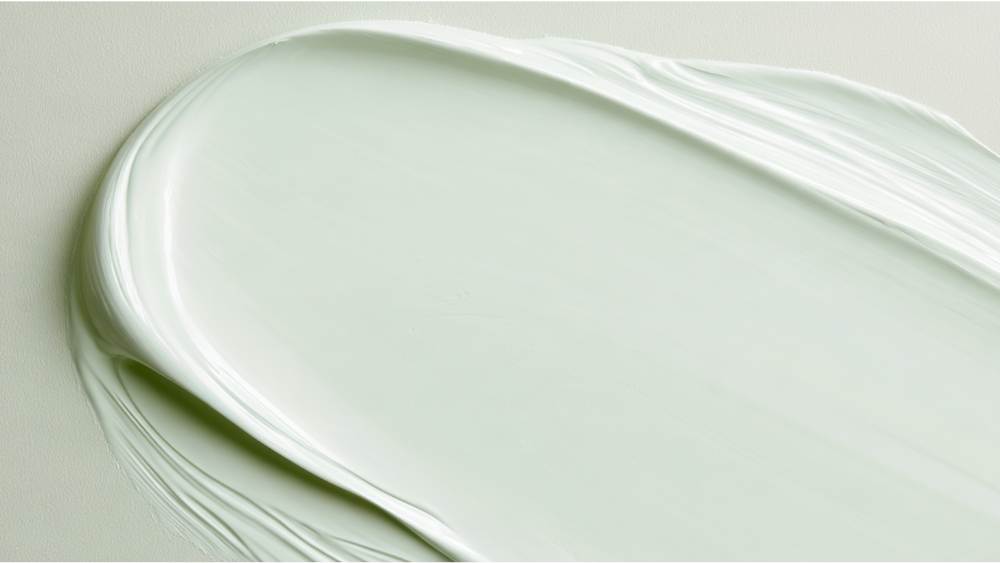
Satin describes how much light the dried paint film bounces back. That's it. It tells you nothing about what the paint is made of, what surface it belongs on, or how well it will hold up over time. A satin wall paint and a satin door enamel can look nearly identical on a color card at the paint store and perform completely differently a year later.
This is the single most useful thing to understand before you buy: satin is a sheen, not a complete paint specification. Pick a durable product built for the surface and its exposure first. Then pick the sheen.
How is satin sheen actually measured?
Gloss isn't guessed at. It's measured with a glossmeter, and ASTM D523 specifies readings at 20-degree, 60-degree, and 85-degree geometries, reported in gloss units rather than a vague "percent shine." The Master Painters Institute's 2024 repainting guide classifies satin as Gloss Level 4: roughly 20 to 35 gloss units at 60 degrees, with at least 35 sheen units at 85 degrees.
Names like satin, pearl, and low-lustre aren't applied identically across product lines. What one brand calls satin can read closer to eggshell in another brand's lineup, and the same is true in reverse. Check the technical data sheet on the product page, and look at a real painted sample before you commit.
Satin finish vs. flat, eggshell, and semi gloss
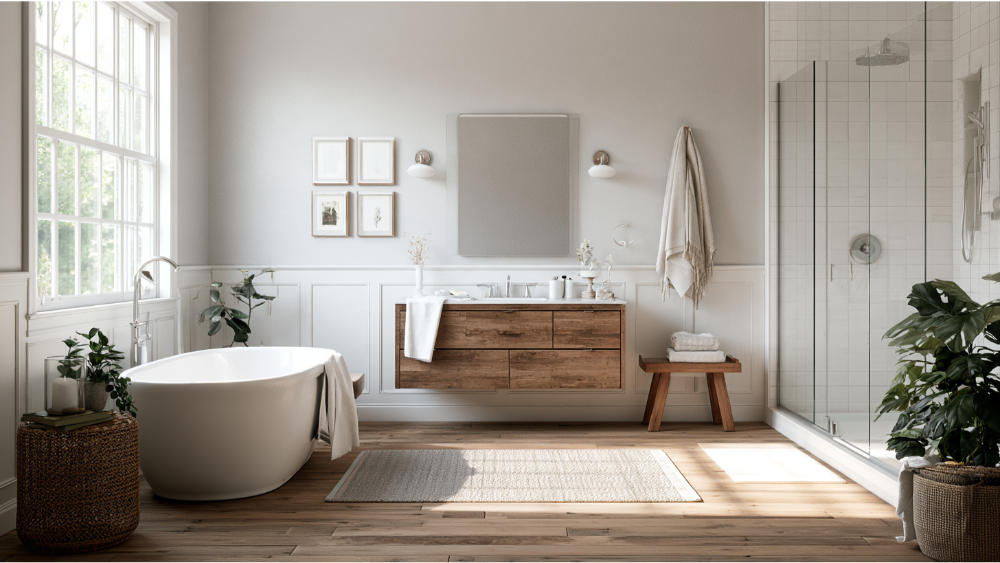
Each step up the sheen ladder trades a little forgiveness for a little toughness. Here's how the four common interior finishes line up.
Sheen is not a quality grade. A premium washable matte can outlast a low-grade satin, because durability comes from the formulation, the surface prep underneath, how thick the film is applied, and the conditions it cures in.
Where does satin finish paint work best?
Satin earns its place where people touch the walls. Backpacks, grocery bags, dog tails, kids' hands: satin takes that contact and wipes clean quickly, far better than flat does.
- Hallways and stairways
- Family rooms and kids' rooms
- Entryways and mudrooms
- Kitchen and bathroom walls, where humidity is part of daily life
- Doors and trim, where a satin sheen adds subtle contrast against flatter walls
- Selected exterior siding, trim, shutters, and doors
One qualification covers all of it: each of these depends on choosing a product actually formulated for that surface and that exposure. The sheen on the label doesn't make an interior wall paint fit to protect siding through a wet winter.
When satin is not the right finish
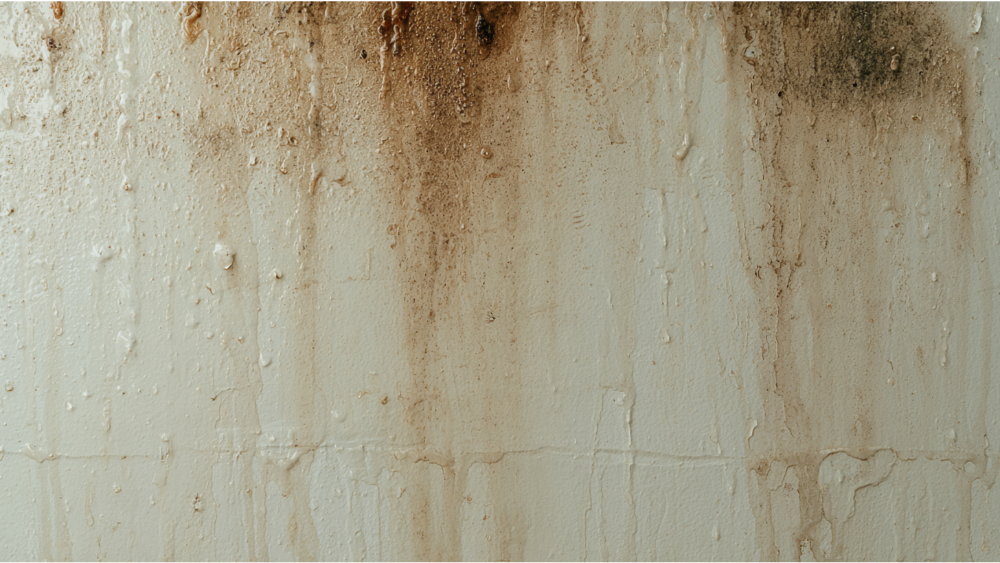
Skip satin when:
- The wall has visible patches, waves, heavy texture, or drywall finishing that was never brought to a smooth level.
- Strong side lighting or a big window rakes across the surface. This is the most-missed factor by far, and it's why a finish can look great on a chip and disappointing across twenty feet of wall.
- Seamless spot touch-up matters more to you than washability.
- It's a ceiling you want to visually recede.
- Moisture damage, peeling, or rot hasn't been corrected yet.
Satin sheen vs. satin formula: match the product to the surface
A satin wall paint, a satin trim or cabinet enamel, and a satin exterior coating are built on different resin systems. Walls need scrubbability. Doors and trim need hardness and block resistance, so a painted door doesn't stick to its jamb. Exterior surfaces need UV and moisture performance that interior products simply don't have. Confirm the intended use on the technical data sheet before the paint goes in your cart. We use premium paint products backed by lifetime manufacturer warranties, and we match the formula to the surface every time.
Why surface prep matters more with satin
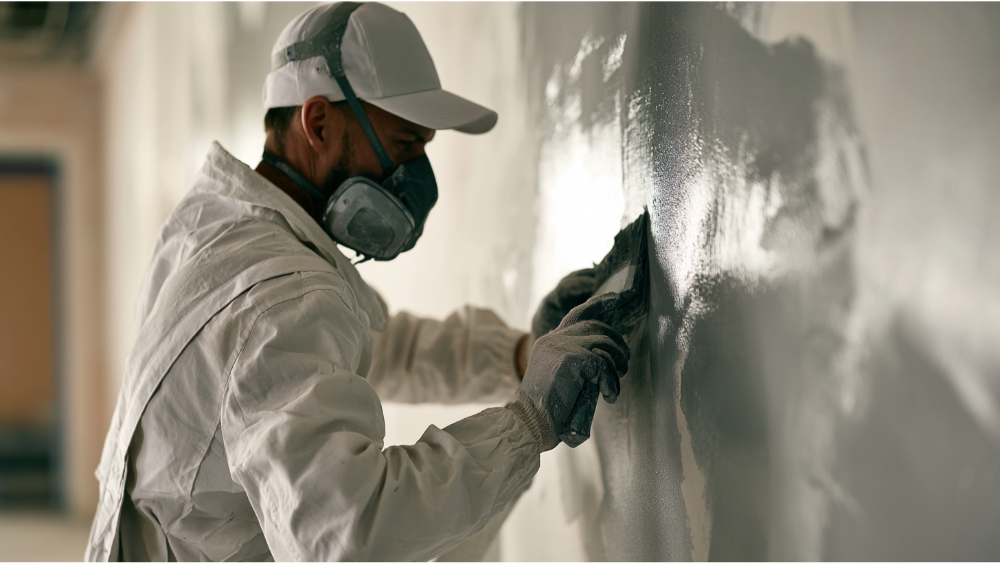
Satin reflects more light, so it reports on everything underneath it. Every sanding scratch, lap mark, unfeathered patch, and bit of flashing becomes visible once light hits it at an angle. Imperfections that flat paint would quietly absorb get a spotlight. The prep sequence we follow on satin work looks like this:
- Inspect the substrate for damage, failed coatings, and adhesion problems
- Clean it and let it dry fully
- Correct defects, then patch and feather so repairs blend flat
- Caulk gaps, sand smooth, and spot-prime or seal where porosity or stains demand it
MPI's repainting guidance is blunt about this: don't apply paint until damaging substrate conditions have been corrected. Paint is not a repair. EPA notes that excess moisture contributes to rot, structural damage, and premature paint failure, so leaks, failing siding, and wood rot get fixed first. We handle rot repair, siding repair, and carpentry as part of the same project, so you're not coordinating two contractors to get one wall right. There's a real security in knowing the surface under the finish was made sound before anyone opened a can.
How to clean and touch up satin paint
Clean satin with a soft cloth, a non-abrasive cleaner, and gentle pressure. It's easy to overdo: aggressive scrubbing can burnish the film and leave a shiny spot more noticeable than the mark you were removing.
Touch-ups are harder with satin than with flat. Matching means the same product, the same color, the same sheen, the same applicator, the same application direction, and the same film thickness. Flatter finishes blend more forgivingly. If a touch-up flashes under angled light, repainting corner to corner gives a uniform result. Label your leftover paint with the room and color, store it somewhere it won't freeze, and future touch-ups get much simpler.
Safety notes for older homes and fresh interior paint

In homes built before 1978, sanding, scraping, and removing painted components can release hazardous lead dust. EPA recommends hiring a lead-safe certified contractor for that work. We're EPA Lead-Safe (RRP) Certified.
EPA also cautions that a "low-VOC" label alone doesn't make a product safe. Follow the label, choose low-VOC, family-safe products where you can, and maximize ventilation during painting and for two to three days after.
Frequently Asked Questions
What is a satin finish in paint?
It's a medium sheen with a soft, pearl-like luster that reflects a modest amount of light. MPI classifies it as Gloss Level 4, about 20 to 35 gloss units at 60 degrees. It sits between eggshell and semi gloss.
What are the disadvantages of satin paint?
It highlights wall imperfections more than flat or matte, especially under side lighting. Touch-ups can flash instead of blending. And scrubbing too hard can burnish the surface into a glossy patch.
Is satin or matte finish better?
Neither is better universally. Satin is the stronger choice for high-traffic and humid rooms because it cleans more easily. Matte wins on imperfect walls and wherever you want light to fall softly without highlighting texture.
Is satin finish too shiny?
For most walls, no. True satin reads as a soft glow rather than a shine, and it's noticeably less reflective than semi gloss. Paint a sample board and look at it in the room's actual light before deciding.
Not sure which finish your project needs? Start with a free estimate
The decision comes down to the surface, its condition, how the room gets used, the lighting, and matching the product to the job. We walk through all five with you, and free color consultation comes with every project. You'll have a clear, transparent estimate before work begins. Licensed, bonded, and insured in Washington State, 13+ years in business, over 100 years of combined experience, and a five-year warranty on exterior painting projects.
Get My Free Painting Estimate: call 206-222-0435.
