
%201.svg)


Is Acrylic Paint Washable? What Homeowners Need to Know in 2026
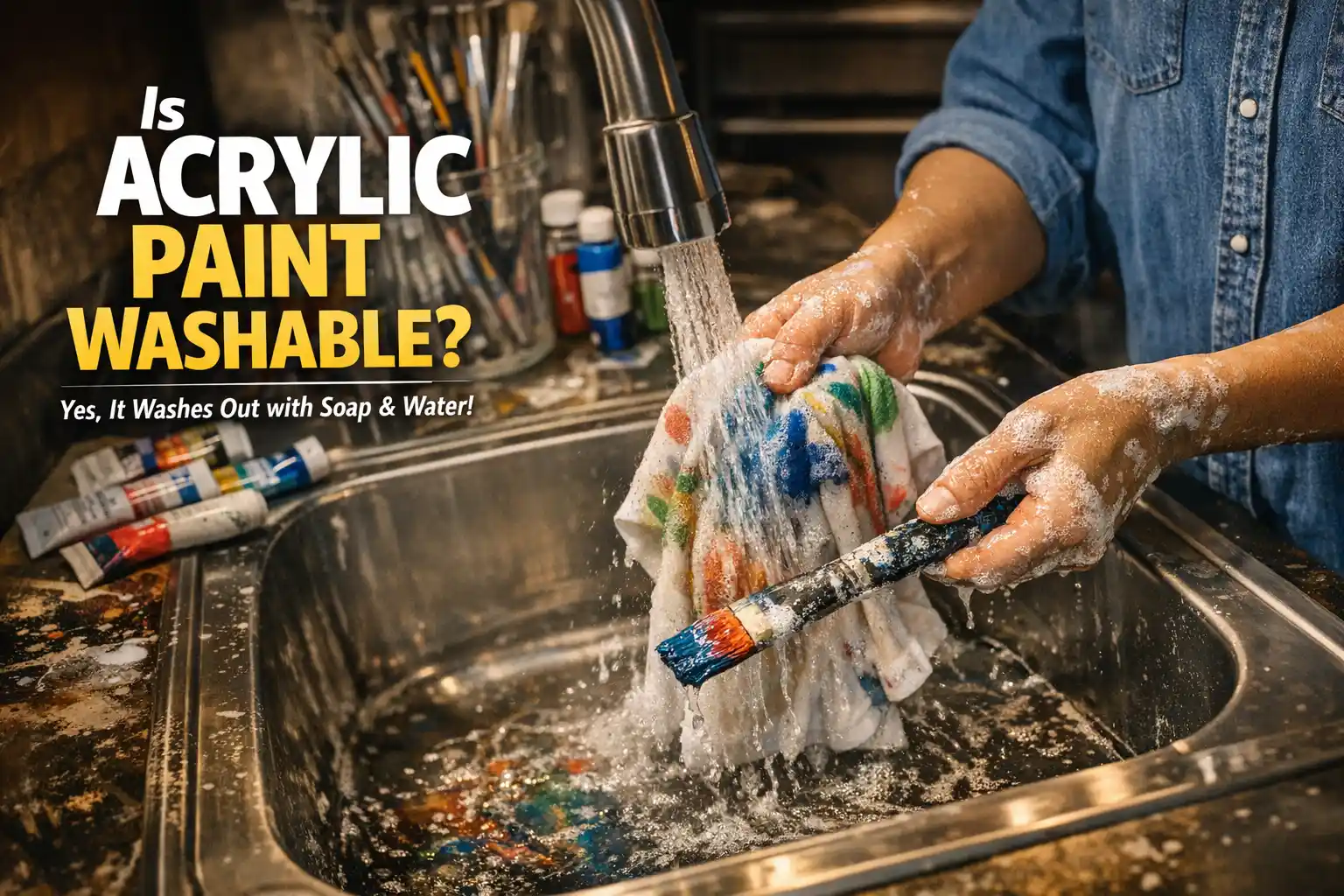
Key Takeaway:
Acrylic paint is considered washable when formulated for wall and trim applications, boasting resistance to water, stains, and everyday cleaning when properly applied and fully cured. Homeowners should choose artist grade or washable acrylic paint for areas that require regular wiping, and always allow adequate curing time before washing to protect the finish. Professional preparation and high-quality products maximize washability, ensuring lasting vibrant colors and easy maintenance.
Is Acrylic Paint Washable? What Homeowners Need to Know in 2026
Understanding Acrylic Paint: Basics and Modern Advances

What Is Acrylic Paint? Definitions and Common Uses
Acrylic paint has become a mainstay for homeowners, property managers, and professionals alike, thanks to its quick drying time, vibrant colors, and impressive versatility. Unlike oil paints, acrylic paint is water soluble when wet, making it a more forgiving choice for interior and exterior surfaces. Once cured, acrylic paint dries to a water-resistant, flexible surface that stands up well to daily wear and tear.
There are key distinctions between artist grade acrylic paint and standard wall paint. While artist grade acrylics are prized for their pigment intensity and use by painters on canvas or wooden surfaces, wall formulations must balance washability and durability. Whether you’re considering acrylic paint for walls, furniture, or trim, understanding its makeup is the first step to making an informed choice for your home.
Recent Improvements in 2026 Acrylic Paint Technology
The last few years have brought major advances in acrylic paint. 2026’s leading brands have focused on upgraded binders, producing paint that’s more stain resistant and far easier to clean than previous generations. Paints advertised as washable acrylic paint now feature improved acrylic resin formulas—allowing them to withstand repeated washes with mild soap, damp cloth, or even warm soapy water.
How Today’s Acrylic Binders Boost Performance
Modern acrylic binders enhance adhesion and water resistance. These binders lock pigment into place, so the paint film remains flexible and resists cracking, fading, or peeling—even with frequent spots cleans. Today’s top-rated washable acrylic paints owe much of their easy-care reputation to these precise chemical upgrades.
Quick Tips: When shopping for interior or exterior paint, look for explicit mentions of "washable acrylic paint" or "scrubbable." These products are specially formulated to handle the demands of busy households and commercial spaces.
Defining Washability: What Homeowners Really Need to Know
Breaking Down ‘Washable’, ‘Wipeable’, and ‘Scrubbable’
Homeowners often ask, is acrylic paint washable, or is that just marketing? In the paint world, terms like "washable," "wipeable," and "scrubbable" have distinct meanings.
- Washable: The surface tolerates gentle cleaning with water and mild soap (like dish soap) without the color lifting or finish dulling.
- Wipeable: You can remove dirt or light stains with a damp cloth, typically in areas with minor messes (think bedrooms or living rooms).
- Scrubbable: The toughest standard—repeated cleaning with a soft brush or sponge and stronger solutions won’t compromise the paint film or affect vibrant colors. Ideal for high-traffic areas.
While most modern acrylic paints can be gently cleaned, not all are truly washable. Always check product specifics.
Industry Standards: What Makes Acrylic Paint Washable?
Paint washability is measured by standardized laboratory tests—so you’re not just trusting the label. The most relevant are ASTM D4828 and ISO methods. These put paints through repeated cleans with soapy water, measuring color retention, film integrity, and stain removal capacity.
Testing and Certification (ASTM D4828, ISO Methods)
Only paints that pass rigorous scrubbing tests with minimal degradation earn a "scrubbable" or "washable" claim. When shopping, review product technical sheets: true washable acrylic paints highlight certification details, not just marketing phrases.
Quick Tips: Washable means repeatable normal washing with warm soapy water won’t harm the paint. If you need more than a gentle rub—like for stubborn paint stains—scrubbable acrylic paints are what you’re after.
Factors That Affect Acrylic Paint Washability
Sheen Options: Flat, Eggshell, Satin, and Semi-gloss
Washability is not just about chemistry. The finish or sheen of an acrylic paint plays a big role:
- Flat: Least washable (best for ceilings or low-touch walls).
- Eggshell/Satin: Good compromise between aesthetics and maintenance. Eggshell resists minor stains and wipes clean, while satin is best for family rooms where a quick acrylic paint wash with water and mild soap is common.
- Semi-gloss: The gold standard for kitchens, baths, and trim. It withstands repeated cleanings—even stubborn stains—with just warm water and a soft brush or cloth.
Surface Prep and Application: Doing the Job Right
The best paint in the world can’t overcome poor prep. Clean, dry surfaces and a high-quality primer maximize paint adhesion and washability. Skipping surface prep may leave you with a finish that fails when exposed to water or stain removers.
Curing Time: When Is It Safe to Wipe or Wash Painted Walls?
When acrylic paint dries, it forms a flexible, water-resistant skin. But even if acrylic paint appears completely dry to the touch, it needs more time to cure—harden all the way through. Most brands recommend a minimum of 14 days before washing to prevent damaging the newly finished surface. Rushing cleaning can cause dulling, smudges, or peeling, especially in high-traffic or kitchen zones where paint washable performance is critical.
Differences Between Interior and Exterior Acrylics
Both can be water resistant once cured, but exterior acrylic paints include extra additives for UV and mildew resistance. Washable interior formulas prioritize stain removal and smooth cleaning without leaving streaks.
Quick Tips: Always follow the paint manufacturer’s cure timeline before cleaning. Early exposure to water or cleaning agents can make even washable acrylic paint prone to damage.
How to Properly Clean Walls Painted with Acrylic Paint
Gentle Cleaning vs. Spot Scrubbing
For everyday maintenance, use a damp cloth or a clean cloth and warm water. For tougher messes, you might gently rub the spot with warm soapy water using a soft brush, soft sponge, or cotton ball. Aggressive approaches like scouring pads or steel wool will quickly damage both standard and artist-grade acrylic paint finishes.
Cleaning Agents: What’s Safe, What’s Not
- Water and Dish Soap: The safest and simplest way to clean most surfaces painted with acrylic paint. Lightly dampen a cloth with a water and dish soap mix, then gently wipe.
- White Vinegar: Diluted white vinegar can help with sticky or stubborn stains, but always spot test first on a small area.
- Rubbing Alcohol, Olive Oil, Baby Oil, Mineral Spirits: Use strictly for removing dried acrylic paint or specific paint stains (never for routine surface cleaning, especially on sensitive skin or near children and pets).
- Commercial Paint Remover or Stain Remover: Only for mistakes or dried paint—never for a regular acrylic paint wash.
Best Practices After Professional Painting
After professional painting, wait until the paint is completely dry and cured. Spot clean or gently touch up only when necessary. For especially stubborn stains, use a cotton bud and gentle, circular motion.
Mistakes to Avoid That Can Damage Your Finish
- Using rough sponges or steel wool—these can strip the color and sheen.
- Applying strong solvents (like mineral spirits or undiluted rubbing alcohol) to an entire wall.
- Scrubbing before the paint reaches its full cure time.
- Excessive moisture from a soaked cloth instead of a lightly damp one.
Quick Tips: For spot cleaning dried paint drips or stubborn stains, a plastic scraper or cotton swab with a tiny dab of paint remover can help—always use a gentle hand and test in a hidden spot first.
Washability in Real Life: Acrylic Paint for Busy Homes

High-Traffic Areas: Kitchens, Halls, and Kids’ Rooms
Washable acrylic paint is a lifesaver in homes with children, pets, or frequent guests. Today’s formulas resist everything from food splatter to muddy paw prints. In kitchens and kids’ rooms, semi-gloss or satin formulas allow you to tackle a paint stain with just warm water and dish soap, minimizing long-term wear or color loss.
Stain Resistance: What to Expect from Quality Paint
Even the best washable acrylic paint won’t win every battle. Water-resistant but not entirely stain-proof, some substances (oil, heavy markers) may penetrate if not promptly cleaned. That’s where quick response—using a clean cloth and mild soap—makes the biggest difference.
Touch-Up Tips Without Compromising Appearance
- Keep a little leftover paint tightly sealed for future touch-ups—especially if you have artist grade or vibrant color finishes.
- Use a small artist’s brush for precision touch-ups (especially on trim, windowsills, or areas of unfinished wood or wooden surface with grain).
- Always feather out the edges to blend new paint with old, especially after a dried acrylic paint mishap.
Quick Tips: In high-traffic spaces, regular cleaning with warm soapy water and a soft sponge is the best way to keep vibrant acrylic colors fresh. For long-term stain resistance, prioritize manufacturer-certified washable products.
Comparing Brands and Products: What to Look for in 2026
Top-Rated Washable Acrylic Paints in Today’s Market
In 2026, the best washable acrylic paints provide a balance of easy cleaning, vibrant colors, and long-lasting durability. Look for brands certified by ASTM and ISO standards, and prioritize those that make stain removal painless—especially in busy households.
- Check product sheets for certifications.
- Look for "washable" and "scrubbable" on the label and data sheet.
- Choose semi-gloss or satin for maximum washability on trim and kitchen walls.
Manufacturer Claims vs. Real-World Results
Some brands overpromise. It’s crucial to rely on third-party reviews, certifications, and professional recommendations. Washability is determined not just by label claims but by repeated washes, real-life stain removal, and how well paint dries and resists streaking after cleaning. Don’t be swayed by marketing alone—talk to a trusted painting contractor or check out our customer reviews for honest feedback.
Understanding Product Data Sheets and Warranties
- Review technical data sheets for actual scrubbing and washability scores.
- Confirm warranty details (e.g., fade and stain resistance). Leading brands back up claims with robust warranties for peace of mind.
Quick Tips: Choosing paints with clear washability certification ensures your investment delivers easy-to-clean, water-resistant walls for years. Always read the fine print in product sheets or warranties.
What Acrylic Paint Washability Means for the Puget Sound Climate
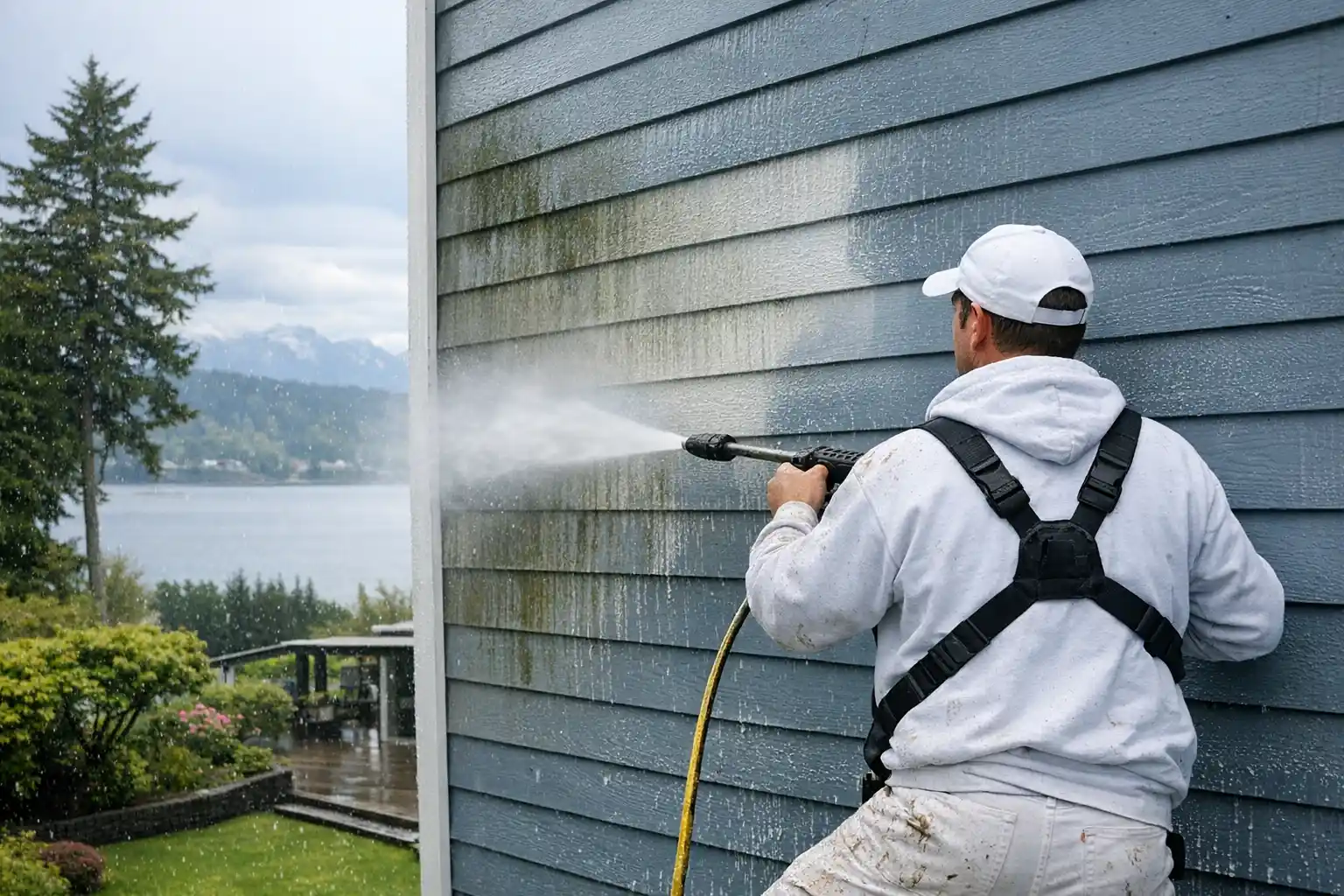
Considerations for Humidity, Mold, and Mildew
In climates like the Pacific Northwest, high humidity can challenge any painted surface. The right acrylic paint resists water intrusion, minimizes mold risk, and stands up to frequent cleaning—a major factor for lasting indoor air quality and curb appeal.
Why Proper Prep Matters More in Western Washington
Local weather means prep is vital. Dirt, mildew, and constant dampness require professional cleaning, thorough drying, and choice of the proper acrylic paint for true washability and defense against rot. Don’t neglect prep for trim or unfinished wood or you risk undermining even the finest paint systems (see our guide on addressing wood rot in home exterior trim for more).
Cover Pro Painting’s Approach to Lasting Results
At Cover Pro Painting, we use industry-leading prep and application standards, along with premium, certified paints. Our crews treat every home as if it were their own, guaranteeing the paint dries thoroughly and stands up to any cleaning needed for your specific environment.
Quick Tips: For homes in humid or rainy regions, opt for paint with mold/mildew inhibitors and follow a diligent prep regimen to ensure exterior and interior surfaces stay beautiful and easy to maintain.
Is It Worth Upgrading to Premium Washable Acrylics?
Cost Versus Value: When to Invest in Better Paint
Premium washable acrylic paints cost more up front but reduce long-term repaint and touch-up costs. High-traffic homes, rental turnovers, and spaces prone to frequent messes (such as playrooms) see the greatest ROI. Choosing builder-grade paint may save initially but can mean dull, hard-to-clean finishes within a year or two.
Warranty and Long-Term Maintenance Benefits
Premium brands frequently offer extended warranties (sometimes five years or more), which cover color retention and washability—making the slightly higher investment a smart one. At Cover Pro Painting, we stand behind our work with a five-year workmanship warranty for exterior surfaces as detailed on our promotion and warranty page.
Internal Link: Five-Year Workmanship Warranty at Cover Pro Painting
Our commitment to reliability and customer satisfaction isn’t just talk—see what our warranty means for your project and peace of mind on our About Us page.
Quick Tips: Paying a little more up front for washable, scrubbable acrylic paint means fewer headaches—and less repainting—over the life of your home.
Common Mistakes Homeowners Make With Washable Paint
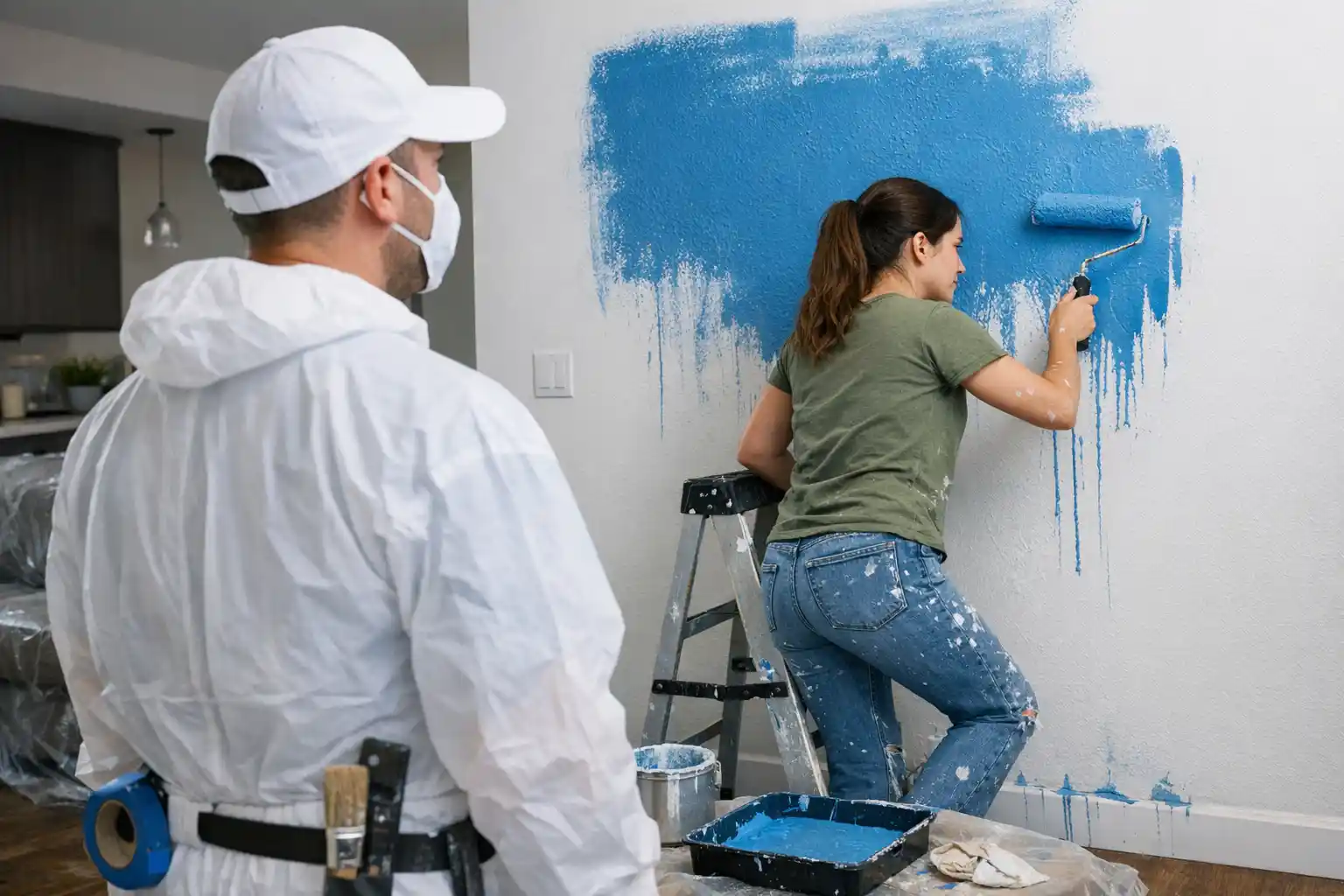
Rushing Cleaning Before Full Cure
The most common mistake is washing paint before it has cured—leaving even washable paint vulnerable to stains, fading, and peeling. Read the manufacturer’s label, and give paint adequate time to bond and harden fully.
Overusing Harsh Chemicals or Scouring Pads
Another frequent error is reaching for heavy-duty cleaners, abrasive scouring pads, or other aggressive methods on fresh paint stains. Avoid these unless you’re dealing with dried paint mistakes (as on a wooden surface or an unfinished wood sill, where a plastic scraper and mineral spirits may be needed for removal).
How to Avoid Premature Wear and Tear
- Stick to mild, water-based cleaning agents and always use a soft touch.
- Test any new cleaner in a hidden spot before treating a large area.
- Consult professional painters when in doubt, especially if your paint has artist grade or specialty finishes.
Quick Tips: Proper care means using the gentlest method first. Save elbow grease and solvents for true dried acrylic paint emergencies, not routine cleaning.
Choosing the Right Painter for a Washable Finish
What Professional Prep Delivers That DIY Can’t
While DIY is tempting, professionals have the experience to ensure true paint washable performance. This means a full regimen of cleaning, patching, priming, and even heat setting in severe environments for durable results. They know how to avoid hidden pitfalls such as paint moisture blistering or improper product pairing (see our article on common painting problems in homes).
Verifying Licensing, Insurance, and Experience
Only contractors with proper licensing, bonding, and insurance can truly guarantee a finish that stands the test of time and washing. It’s crucial to choose a company with proven expertise and positive reputation—one that explains every step, from initial wash down to final cure and washability maintenance (learn more about our approach).
Internal Link: Why Trust Cover Pro Painting?
Our team sets itself apart by focusing on meticulous surface prep, using only premium washable acrylics, and honoring every warranty. Read about our team and credentials on our About Us page, and see what clients are saying in our project reviews.
Quick Tips: The right professional isn’t just selling a paint job—they’re safeguarding your investment with detailed prep, technical know-how, and accountability from start to finish.
Final Thoughts: Getting the Most from Acrylic Paint’s Washability
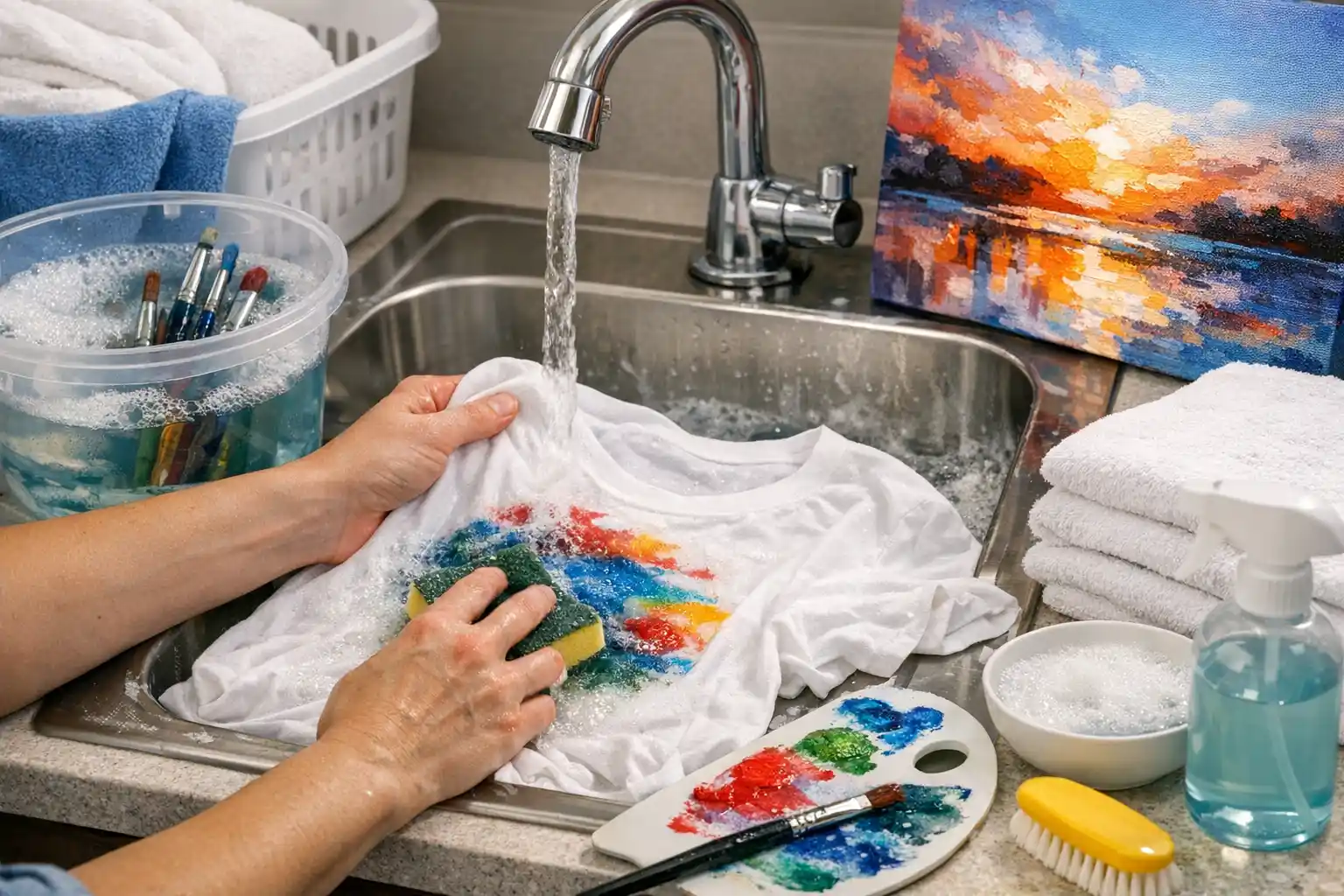
Summary of Key Takeaways
- Modern acrylic paint is highly washable when you choose the right sheen, let it cure fully, and employ gentle cleaning techniques.
- Premium labels and professional prep yield water-resistant, stain-fighting finishes that stand up to busy, high-traffic homes.
- Confidence comes from choosing certified products, reading warranties, and trusting local experts.
When in Doubt, Ask Your Painter
Each home has unique challenges, from heavy use to special cleaning needs. Asking your painter how to keep your surfaces at their best is always wise—it's what we do daily at Cover Pro Painting. Have a question about stain removal or maintaining vibrant colors? We’re always happy to help.
Contact Cover Pro Painting for a Consultation
Ready for results you can trust? Set up a consultation or see our full range of painting services to find the right solution for your home. Contact us to schedule an estimate and see why Cover Pro Painting is trusted across the region.
Quick Tips: Don’t let questions about cleaning, durability, or product selection go unanswered—experienced local contractors are your best partners for a finish that looks great for years.
Frequently Asked Questions
What’s the difference between ‘washable’, ‘wipeable’, and ‘scrubbable’ when it comes to acrylic paint?
Washable paint stands up to regular cleaning with mild soap and water, wipeable can handle light marks wiped away with a damp cloth, and scrubbable means the surface withstands repeated, rigorous cleaning with a soft brush without color loss or dulling. These terms are tested by standards like ASTM D4828—so check the label for certification to ensure your paint will handle Puget Sound’s real-world cleaning needs.
How soon after painting with acrylic can I start washing my walls?
Wait for the paint to cure—not just dry. While acrylic paint dries in hours, curing can take up to 14 days or even longer depending on humidity and air circulation. Cleaning too soon can dull the finish or cause streaking. Check the product label or ask your painter for the manufacturer’s recommendations.
Can all acrylic paints be washed, or are some better than others?
Not all acrylic paints offer true washability. Builder-grade or budget formulations may lack the resin strength or certifications needed for repeated cleaning. Look for explicitly labeled washable or scrubbable paints—premium or artist grade formulas backed by warranties usually perform best, especially in active households.
What’s the safest way to clean walls painted with acrylic paint without damaging the finish?
Use a soft, damp cloth and a mix of mild dish soap with warm water for most cleaning. Avoid abrasive pads or harsh chemicals, which can dull or strip your paint’s color. For stubborn marks, use a soft brush or cotton swab—always test your cleaner in a discreet spot first.
Does washable acrylic paint stand up to kids, pets, and high-traffic rooms?
Yes—today’s washable acrylic paints are designed for busy environments and resist spills, fingerprints, and even crayon marks when cleaned promptly using warm soapy water or a gentle cloth. Extreme messes may leave residue if not cleaned quickly, but premium products hold up far better than older or budget paints.
Why does it matter if my painter is licensed and insured when talking about washability?
Licensed, insured contractors ensure the proper choice and application of paint so washability lives up to manufacturer claims. They offer peace of mind with warranty-backed work, professional prep, and trustworthy service—crucial for results that last and for resolving issues if they arise.
