
%201.svg)


How to Spot Early Signs of Wood Rot in Your Maple Valley Home
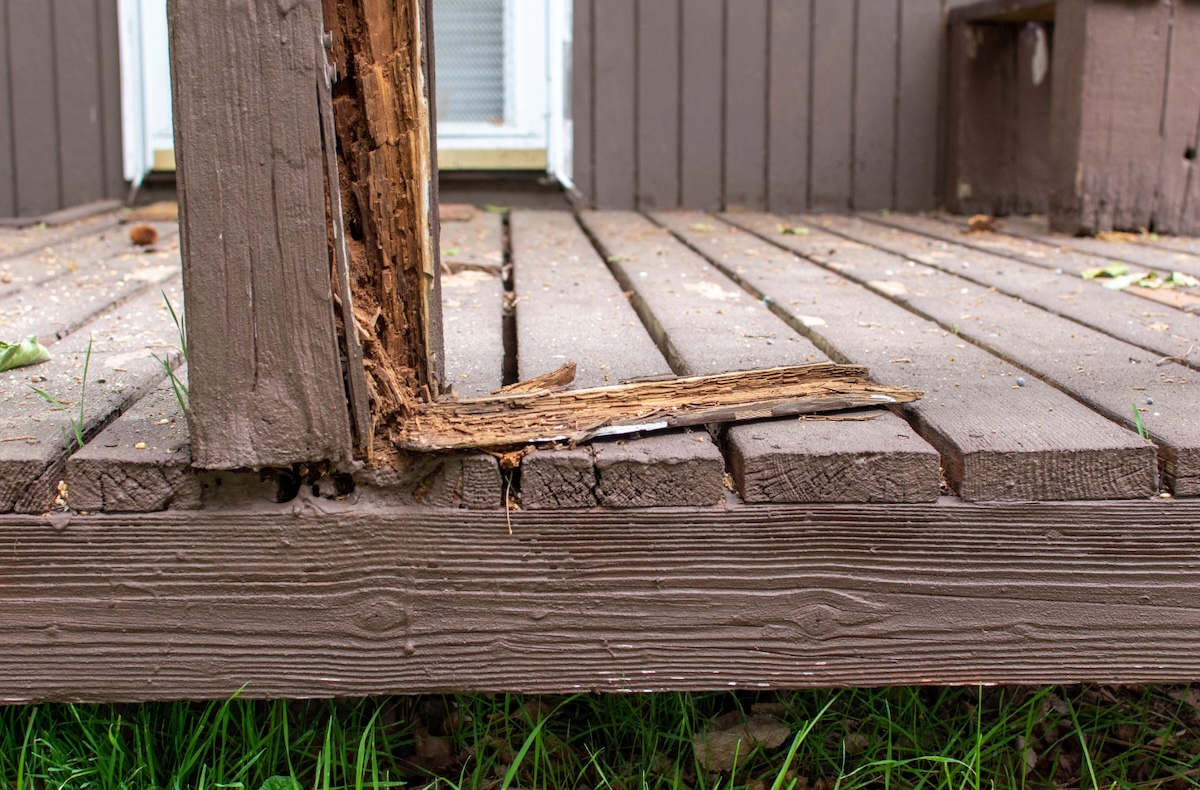
Wood rot is a subtle yet serious problem that homeowners in Maple Valley need to keep an eye on. This condition slowly deteriorates wooden structures, leading to costly repairs if not addressed early. The impact of wood rot extends beyond aesthetics, compromising the structural integrity of your home, which can lead to safety issues and financial burdens. For homeowners, recognizing the early signs of wood rot is essential to prevent it from affecting their homes.
Detecting and repairing wood rot early can save significant time and money. Simple preventive measures and regular inspections play an important role in maintaining the health of a home's wooden elements. Proactively identifying and fixing wood rot can extend the life of your property’s structures and protect their value. Understanding what to look for can make all the difference in keeping your home safe and sound.
Understanding Wood Rot
Wood rot is a type of decay that affects wooden surfaces and structures. This condition occurs when fungi infest the wood, breaking it down over time. The process begins when moisture infiltrates the wooden materials, providing an environment for the fungi to thrive. Various factors contribute to this issue, including high humidity, leaks, and poor ventilation. Recognizing these causes helps homeowners take steps to protect their homes from decay.
There are two primary types of wood rot that can affect a home. Dry rot, despite its name, requires moisture to start. It spreads rapidly and can even move across non-wood materials. It causes the wood to become brittle and crumbly, making it a significant threat. Wet rot, on the other hand, occurs when wood is in constant contact with water. It tends to be more localized but can cause the wood to feel soft and spongy.
To prevent wood rot from taking hold, homeowners should focus on managing moisture levels in their homes. Ensuring proper ventilation, promptly repairing leaks, and using specially treated or rot-resistant wood can effectively reduce the risk. By keeping these preventative measures in mind, the potential for wood rot is minimized, leading to longer-lasting wooden structures around the home.
Early Signs of Wood Rot
Detecting wood rot before it becomes a major problem is crucial for homeowners. Several early warning signs can alert you to its presence.
1. Visual Signs:
- Discoloration: Look for dark spots or stains on wood surfaces, which often indicate moisture buildup.
- Peeling Paint: Areas where paint is flaking or blistering might be hiding rotted wood beneath.
- Spongy Wood: Test suspect areas with a screwdriver. If the wood feels soft and mushy, it could be rotting.
2. Structural Signs:
- Sagging Floors: Floors that begin to dip or feel uneven might have decayed joists or support beams underneath.
- Warped Wood: Doors that stick and windows that won't open or close smoothly might point to underlying rot.
- Weakened Structures: Notice any railings, posts, or beams that seem less sturdy than before.
3. Unusual Smells:
- Musty or Damp Odors: Persistent earthy smells, especially in basements or crawl spaces, often hint at wet rot.
Areas of the Home Prone to Wood Rot
Certain areas of a house are more vulnerable to wood rot due to consistent exposure to moisture and environmental conditions. Understanding these hotspots can help focus inspection efforts and initiate timely repairs.
- Exterior Walls and Siding: Moisture infiltration through damaged siding can lead to widespread decay.
- Windows and Door Frames: Rainwater often accumulates around these frames, making them prime targets for rot.
- Decks, Porches, and Patios: Constant exposure to the elements makes these areas susceptible to rot, especially if water is not properly drained away.
- Roof Eaves and Soffits: These areas can trap water, leading to decay if not maintained well.
Steps to Prevent Wood Rot
Prevention is key in combating wood rot, and proactive measures can greatly reduce the risk. Regular maintenance involves a series of practical steps that any homeowner can undertake to protect their investment.
- Home Inspections and Maintenance: Conducting thorough inspections periodically allows you to spot potential issues early. Look for leaks, check gutters, and identify any areas with standing water.
- Proper Ventilation and Moisture Control: Ensure that rooms and attics are well-ventilated to minimize humidity levels. Installing vents in high-moisture areas like bathrooms reduces moisture retention.
- Using Rot-Resistant Materials and Protective Coatings: When building or renovating, opt for pressure-treated or naturally rot-resistant woods. Applying weather-resistant finishes creates an additional barrier against moisture.
- Addressing Leaks and Water Damage: Fix plumbing leaks and clogs promptly to prevent them from affecting wood structures. Use downspouts and splash blocks to direct rainwater away from foundations.
Protect Your Home's Integrity with Timely Rot Repairs
Recognizing the importance of addressing wood rot early can save homeowners in Maple Valley from future headaches. By being vigilant and implementing thorough preventive measures, you can maintain the beauty and integrity of your home for years to come. Keep an eye out for the telltale signs of wood rot and take necessary action when needed. Taking these proactive steps ensures that your home remains a safe, healthy, and welcoming space for all who reside there.
If you notice signs of wood decay and want to protect your home's value, learn more about rot repairs in Maple Valley to keep your property safe and sound. At Cover Pro Painting we understand the challenges homeowners face, and we offer expert guidance for keeping your home secure. For a quick estimate or to book a service visit, please contact us today.
