
%201.svg)


How to Keep Paint Wet Longer: Pro Tips for Homeowners and Contractors
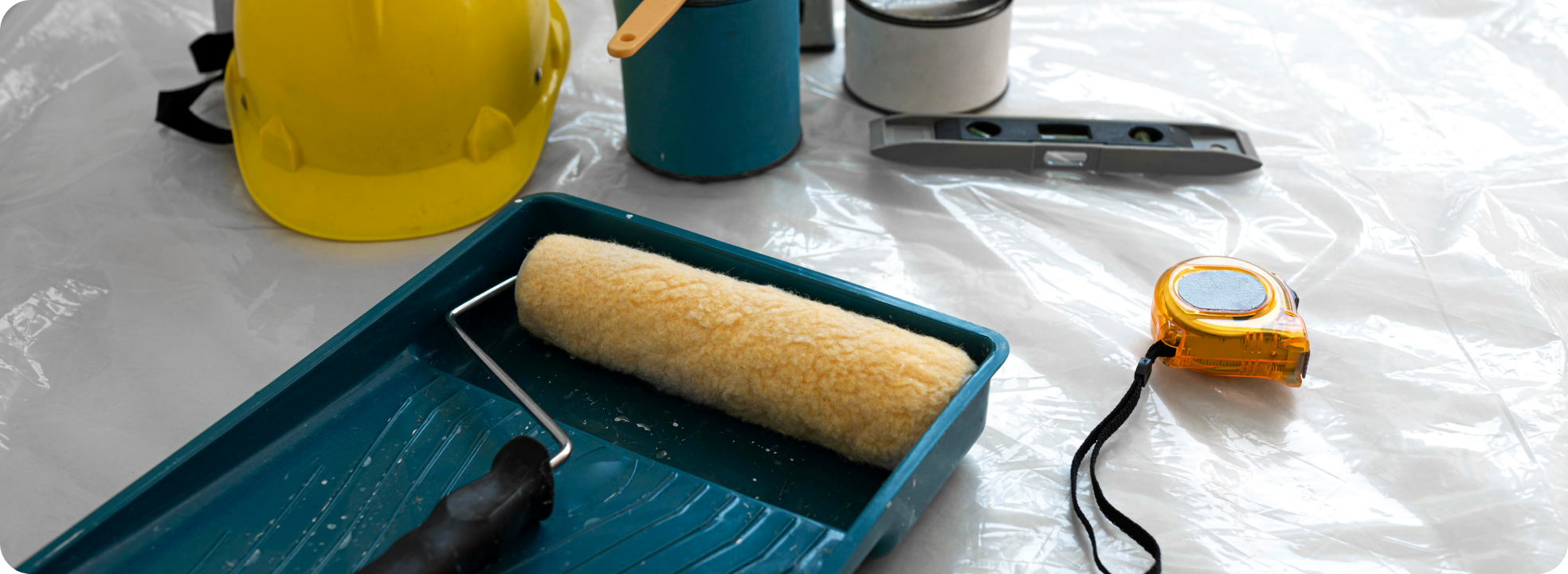
Key Takeaway:
To keep paint wet longer and prevent lap marks, work in manageable sections, use a stay wet palette or extenders, and control environmental factors like heat and airflow. Choosing the right paint type and following professional techniques ensures even results and less waste on projects of any size.
At Cover Pro Painting, we know that getting a top-tier finish is all about timing—and keeping paint wet longer makes the difference between a professional result and a patchy mess. Whether you’re a DIY painter or a seasoned pro, keeping your acrylic paints, water mixable oils, or even oil paints workable for longer periods means smoother blends, fewer lap marks, and a better return on your materials investment. If you want your latest painting project to look flawless for quite a while, understanding how to keep your palette wet and your paint on the palette moist is critical.
Why Wet Edge Matters: What Happens When Paint Dries Too Fast?
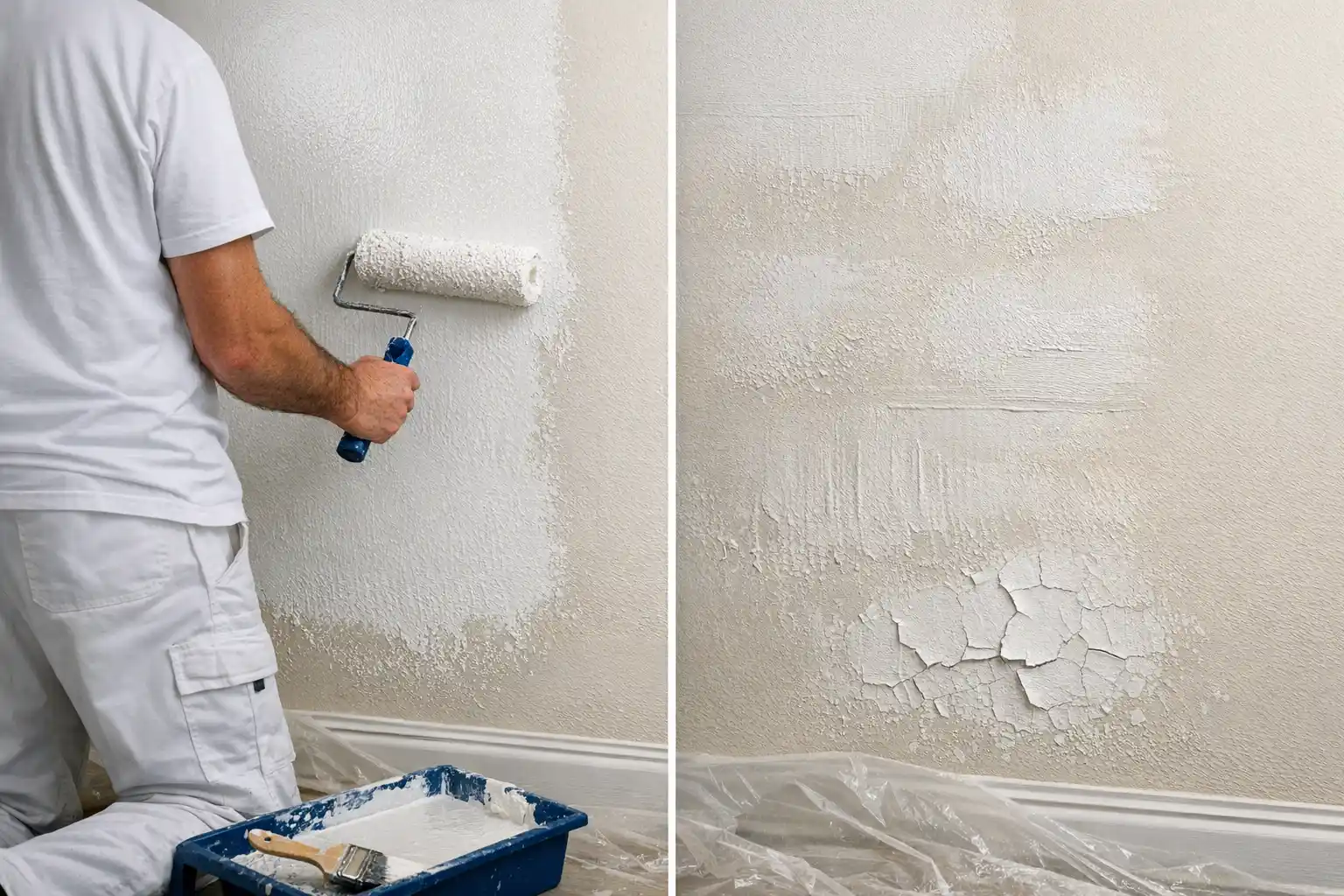
Visible Lap Marks and Streaks
A wet edge is the foundation of great painting. When the paint dries too quickly, you wind up with unsightly lap marks—those overlapping lines where newly applied paint layers mix with already-drying patches. This is especially obvious with acrylics, which are notorious for short open time compared to oils. Lap marks disrupt color harmony, catch the eye, and force you to repaint or accept less-than-professional results. When you don’t keep paint wet, the drying time can catch you off guard, making it difficult to blend other colours or fix mistakes.
Uneven Sheen and Texture Problems
When paint wetness isn’t managed, you don’t just risk visible lines. Fast-drying patches can glance off at a different angle and leave areas with uneven sheen or rough texture. This is a major concern with satin or semi-gloss finishes, where small differences stand out in changing light. Acrylics dry quickly on the palette, meaning you may mix more paint of one value than another, compounding the problem from palette to wall. When you run out of time, your layers might not blend, causing negative effects on your finished canvas—especially if you’re using fast-drying acrylic paints instead of oils or water mixable oils.
Common Mistakes We See Locally
We routinely see DIY projects where a bit too much sun, wind, or even forced air inside dries the paint before it’s properly laid off. It’s not just about skill—it’s about understanding product and weather. Our team steps in to re-blend, feather edges, and save the finish. If you want to get it right the first time, learning how to avoid common painting problems is a great place to start. Use a wet palette or a stay wet palette to help keep your palette wet, especially if you’re blending multiple layers or other colours for a smooth finish.
Quick Tip: Always keep a spray bottle of clean water on hand to lightly mist the paint surface or your acrylic palette as you go. A few drops at a time can keep acrylics, especially, workable for quite a while longer without risking dilution or the negative effects of excess water.
Understanding Paint Open Time: What Does It Mean to Keep Paint Wet?
Paint Types: Water-Based vs Oil-Based
Paint open time (also called working time) is how long the wet paint remains workable after you brush or roll it out. Water-based acrylics dry quickly, sometimes in as little as ten minutes depending on heat, airflow, and humidity. Oil paint, in contrast, lets you revisit and blend colours for hours—or even a few days in some formulas. Water mixable oils bridge the gap for sensitive or indoor work, giving you more time to manipulate layers, especially on canvas or heavy-bodied surfaces. The choice between acrylics, oils, and water mixable oils should reflect the open time you need for your latest painting—acrylics dry quickly, so special measures to keep paint wet are critical.
What Influences Drying Speed?
The paint formula (including acrylics, latex, Golden Open acrylics, or oil paint), ambient temperature, humidity, your palette style (glass palette, acrylic palette, or wet palette), and how much paint you’re using all influence drying. Using too much water or piling on more paint than what can level out in time risks negative effects like sagging, streaks, or poor bonding. Keeping your paint wet means paying special attention to your medium ratio—use only a few drops of water, as excess water can thin the paint excessively and harm durability.
Open Time vs Dry Time Explained
Open time means the paint or palette mixture is still workable—pliable enough to blend, fix, or feather. Dry time is when the paint is no longer tacky to the touch. With products like Golden Open acrylics, you get uniquely extended open time, making them ideal for detail, blending, and layering work even in faster drying situations. These specialty acrylic paints allow you to prolong your painting sessions, keep colours wet for longer periods, and even leave your palette wet overnight with proper storage.
Quick Tip: Mix your colours on a glass palette or a stay wet palette with a wet sponge underneath. This keeps paint wet for longer periods—sometimes a few days—so you can pause between layers or palette knife mixes without losing precious material. Adding a few drops of medium to your mix can extend working time on your acrylic palette, especially if you’re layering new colours or techniques.
The South Puget Sound Factor: Local Climate and Painting Challenges
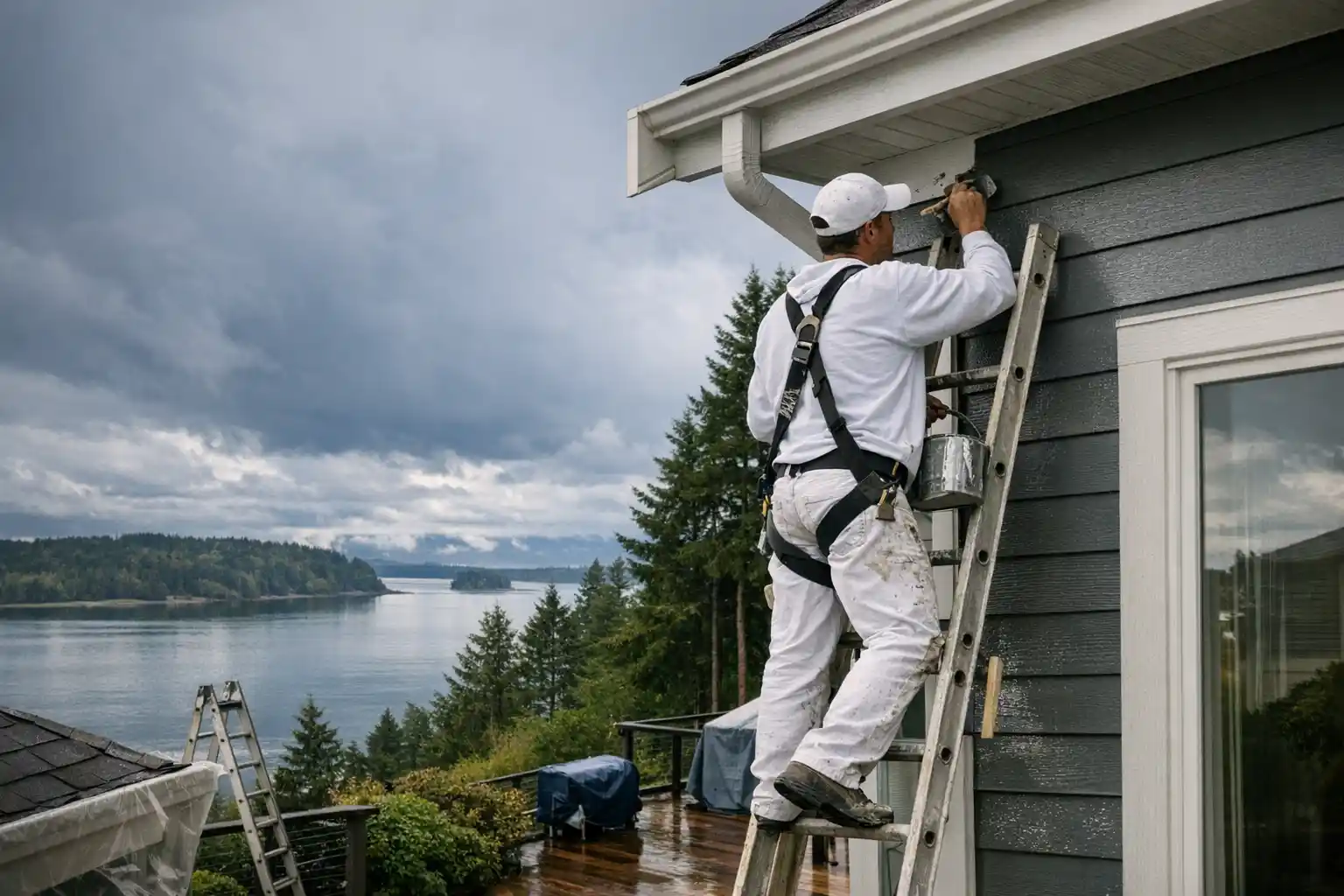
Damp, Windy, and Cool – What It Means for Your Project
Our Pacific Northwest climate brings its own set of paint drying puzzles: damp air can delay curing yet wind can “flash off” water-based products at the surface before they’ve leveled out. Plan to keep the paint wet by adjusting your schedule—mid-morning starts, wind-blocking measures for exteriors, and careful monitoring of changing weather are all part of the approach. Using tools like a sta wet palette or glass palette helps to ensure your paint on the palette remains wet even in shifting conditions.
Seasonal Strategies: Planning Around the Weather
Late spring to early autumn offers the best chance for consistent paint on the palette and canvas. Watch for weather windows: avoid painting during rain forecasts, but also pay attention to long, sunny, breezy afternoons that might dry out open edges too fast. Many pros use a sta wet palette or plastic wrap to keep paint viable over lunch breaks or while waiting for the clouds to pass. To prevent acrylics from drying out, drape plastic or a wet sponge over your palette and lightly mist every so often with a spray bottle to maintain moisture and keep your colours workable for longer periods.
Scheduling Exterior Jobs in Our Region
We recommend following industry best practices for choosing painting days, especially if you’re a homeowner. In our region, rapid weather shifts call for flexibility. Cover exposed areas promptly if a sudden shower hits while paint is still wet, using plastic or a loosely laid tarp. The right technique—even simple plastic wrap over your latest painting—can protect a palette wet with other colours for several extra hours or days.
Quick Tip: Keep a tarp or large sheet of plastic on hand for sudden rain. If you suspect a weather swing, have plastic wrap ready to loosely cover your palette or work area. This can help your latest painting project survive a surprise downpour or foggy morning, keeping your paint on the palette fresh for a few days and helping to avoid the negative effects of premature drying.
Preparation is Key: Working With (Not Against) the Conditions
Choosing the Right Day and Time
Avoid painting in direct sunlight or during the hottest, driest part of the day. Early morning or late afternoon, when the surface has cooled but humidity hasn’t dropped too far, are ideal windows. For interiors, don’t blast the heat or AC right next to fresh paint. Slow, even airflow is better for keeping paint wet longer and extending the open time of your palette wet mixtures.
Prep Work That Sets Up Success
Start with a clean, ready canvas—dust, grease, or old paint chips cause faster drying and poor adhesion. For exteriors, wash and dry surfaces thoroughly. For interiors, tack cloth and a wipe with damp paper towels are enough. A primed, slightly damp (not wet) surface can even help slow down drying time for your first layer. When prepping your acrylic palette or canvas, make sure to avoid excess water, as too much water leads to negative effects—but a bit of moisture can help layers remain wet longer.
Interior vs. Exterior Preparation Ideas
For interiors: shut windows during painting to manage airflow and keep dust out, but ventilate between layers. For exteriors: create shade where possible to minimize heat, and always check the forecast first. Keeping paint wet also means not rushing your setup—careful taping and masking result in less time spent fixing dry edges or chasing lap marks. If working plein air, have a stay wet palette and a bit of plastic wrap handy to keep paint workable in unpredictable outdoor conditions.
Techniques to Keep Paint Wet Longer: Our Field-Tested Tips
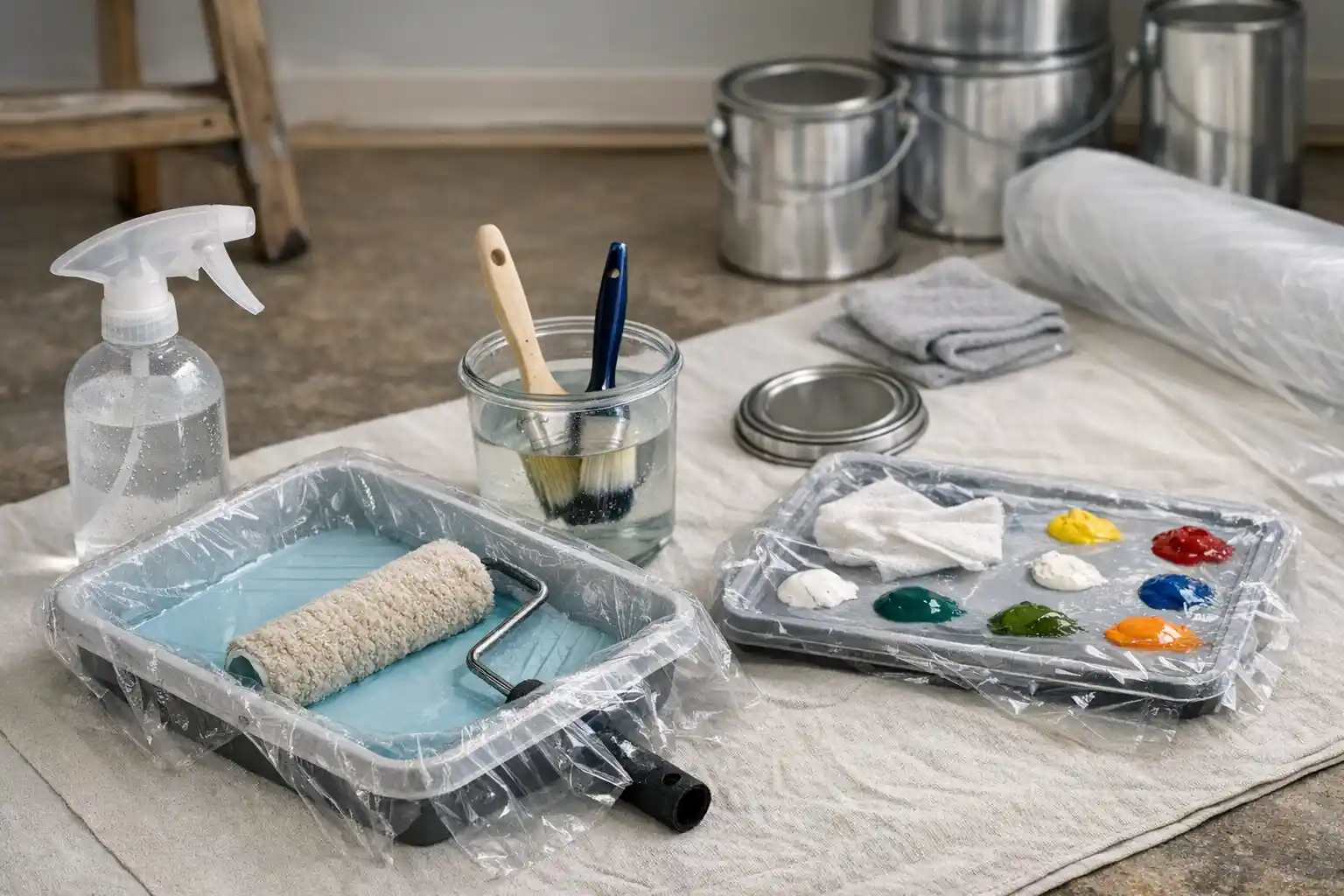
Work in Manageable Sections
Divide walls or siding into logical sections (4-6 feet wide), and never outpace your ability to maintain a ‘wet edge.’ This ensures other colours blend seamlessly and prevents lap marks. By only mixing as much paint as you can apply before it dries, and keeping your palette wet with a wet sponge or stay wet palette, you extend the working period and keep mixing new colours as you go.
Cutting In and Rolling Methods to Avoid Dry Lines
Always cut in (that’s brushwork along corners and edges) just ahead of rolling. Overlap wet areas by a bit—about two inches—to encourage blending. When you finish rolling a section, lightly feather into the next with a barely damp roller or brush, keeping paint wet as you move across the surface. The trick is to always have more paint on your palette knife and keep your stay wet palette nearby, ensuring continuous open time for blending layers.
Keeping a ‘Wet Edge’ on Large Surfaces
For sprawling walls or exteriors, use a helper so that one person always stays ahead with either brush or roller. This tag-team method is how pros minimize dry lines in fast conditions and make sure every application of paint remains wet for as long as possible. If painting alone, use a stay wet palette or regularly mist your acrylic palette with a spray bottle to keep your paint fresh, workable, and resistant to the negative effects of rapid drying.
High Detail Work: Trim, Doors, and Cabinets
Trim, doors, and cabinets need special care—not only for even paint coverage, but also because smaller areas dry faster. Use a palette knife for small-mix batches, and always have a stay wet palette going for intricate brushwork. For these surfaces, using water mixable oils or an open acrylic can let you work detail for a few days if needed. Store your palette covered with a lid or plastic, and keep a wet sponge underneath to extend the life of your paint. This approach prevents wasted paint and supports longer, more relaxed working sessions without fearing that acrylics dry before you’re finished.
Quick Tip: Avoid over-brushing or over-rolling! Each pass pulls moisture out of the paint film. Lay it out, leave it be, and only go back for serious touch-ups once it’s dry. If you need more open time, mist lightly and add a few drops of medium directly to your palette or layer of paint.
Tools and Additives: Products That Prolong Paint Wetness
Paint Conditioners and Extenders: When and How to Use Them
Paint conditioners (like Floetrol or Golden Open mediums) slow the drying rate of acrylics and latex without diluting color strength. Extenders help in keeping paint wet on the palette or canvas for longer periods. Use only a few drops at a time—too much, and you risk runoff, sags, or weak adhesion. For oils, linseed or walnut oil adds working time without negative effects. These additives can transform even fast-drying acrylic paints into a medium with more open time, ideal when layering or blending on canvas.
Brushes, Rollers, and Spray Equipment Choices
High-quality synthetic brushes and microfiber rollers hold more paint and maintain even coverage. Use a dedicated acrylic palette with a lid or snap-on cover for breaks—some pro painters switch to glass palettes for easier cleanup and longer mixing open time. For large areas, airless sprayers let you apply more paint in less time, reducing the risk of patchy drying. Don’t forget that a stay wet palette or an airtight palette with a wet sponge at the base will keep your mixed colours usable for hours or even a few days.
Trusted Brands Local Pros Rely On
Our crews trust brands like Golden Open (for long open times) and Benjamin Moore or Sherwin-Williams for consistent results. Brushes from Purdy, Wooster, and high-density roller covers deliver even films and minimize dry-edge issues. For a list of our favorite products—and when to use them—visit our painting blog. We also recommend checking which paints naturally remain wet longer for your specific project.
Climate Controls: Managing Heat, Humidity, and Air Flow

Exterior Painting: Sun, Wind, and Rain Tips
Avoid painting in direct sun—move around the house to stay in the shade. If wind picks up, use temporary barriers to block airflow directly on the wall. If humidity drops too low, that’s when paint wetness vanishes fastest. For rainy days, pause before starting: even small amounts of excess water can destroy hours of careful prep and ruin layers already on your canvas or exterior. Cover your palette or work area with plastic wrap or a stay wet palette system to ensure your paint on the palette stays workable in tough weather.
Interior Painting: Ventilation, Humidifiers, and Temperature Settings
For interior jobs, run a humidifier to keep paint on the palette workable and reduce dry-out of top layers. Don’t use high heat or strong fans near drying paint—a gentle, indirect airflow is all you need. To ensure consistent results, keep your acrylic palette covered between sessions and store it with a wet sponge to keep colours and mixes wet for longer periods, even overnight if needed.
Seattle-Area Weather Workarounds
If an unexpected local downpour is in the forecast, our crews will often deploy pop-up awnings or plastic wrap to shield a wet wall for a few hours. For indoor work, pause if you see a sudden shift in temperature, then resume when it stabilizes—paint will remain wet on the palette if you store it covered, ideally in a cool, shaded spot. It’s all about adjusting in real time to keep paint wet and ensure your latest painting makes it through unpredictable Puget Sound weather without negative effects.
Quick Tip: Use airtight containers to store custom paint mixes or leftovers for touch-ups. Adding a wet sponge or plastic wrap inside the container will keep paint usable for days. This tactic works especially well for acrylics and other fast-drying paints, keeping your palette wet and saving more paint for future work.
Dealing With Unexpected Weather Changes Mid-Project
Protecting Wet Paint During Sudden Showers
Be ready to move quickly. Loosely tape plastic sheeting or use an awning to protect any wet paint. If the surface gets wet before it dries, the only remedy is to fully dry, sand, and repaint. Use plastic wrap to cover your wet palette and keep your paint mixes moist for a few days if needed, especially when waiting for better weather windows.
Adjusting Schedule and Workflow for Temperature Swings
If temperatures dip, curing can slow down, but on hot days, surfaces stay dry even if the air feels damp. Adjust your workflow: break the job into smaller chunks, and always check forecast updates before each painting session. If you notice your palette drying prematurely, mist with a spray bottle and cover with a lid or plastic to keep more paint usable for longer periods.
Best Practices for Pausing and Restarting Projects
When you need to pause, cover palettes and buckets with plastic wrap or lids, and store tools in airtight containers. Use a wet sponge underneath your palette if you expect a long break, and mark where you stopped—restart with clean edges and feather blends back in with fresh, wet paint to avoid hard lines or negative effects on the final look. These steps preserve your latest painting and prevent wasted paint.
Pro Advice for DIYers: Mistakes to Avoid When Trying to Keep Paint Wet
Over-Brushing and Over-Rolling
One of the biggest mistakes homeowners make is fussing over an area for too long. Each stroke removes more paint from the wall and shortens working time. Lay it on, smooth quickly, and move on. Return only when fully dry for touch-ups. If in doubt, keep your palette wet with a stay wet palette or wet sponge, allowing other colours to remain workable for longer periods—this is especially important with acrylics that dry faster than oils.
Excess Water or Additive Pitfalls
Adding too much water, medium, or extender to acrylics or latex paint may ruin the paint and void warranty or compromise durability. Follow the label: usually, only a few drops per batch is enough to keep paint wet without inviting negative effects. For best results, use a spray bottle to evenly moisten the palette, rather than pouring water, which risks damaging the structure of your paint and diminishing coverage on canvas.
How to Spot a Dry Edge Before It’s Too Late
If your brush or roller starts to “drag” or feels sticky—stop! Blend quickly with a newly-loaded brush, mist lightly with a spray bottle, or add more paint to the transitioning section. Practice spotting these changes early and adjust your process as you go. A stay wet palette or a bit of plastic wrap over your acrylic palette can help stop dry edges in their tracks, giving you crucial extra minutes for blending and covering problem areas.
Quick Tip: The moment you see a sheen shift—when part of the surface appears less glossy or starts to dull—that’s your red flag to blend immediately or add more paint. Over time, you’ll train your eye to spot these dry edges before they become problems. Palettes covered with a lid or plastic can help maintain uniform sheen and coverage across the entire canvas.
Why Choose Licensed Professionals for Complex Jobs?
Cover Pro Painting’s Commitment to Craftsmanship
We know every aspect of keeping paint wet—from managing open time to choosing the right palette or stay wet palette for the job. We don’t take shortcuts, and we never quit in the middle of a tricky project. Our crews are fully licensed, bonded, and insured for your peace of mind. Whether you use a glass palette, acrylic palette, or a stay wet palette, we’ve mastered how to keep paint wet and blend layers smoothly, even on complex multi-coat exteriors.
Our Five-Year Exterior Workmanship Warranty
We stand behind our process with a five-year exterior workmanship warranty. That means every project—from simple wall painting to complex, multi-layered exteriors—is covered for the long haul. You’ll find full peace of mind exploring our company commitment to craftsmanship and satisfaction.
Local Experience That Makes a Difference
Our knowledge of product, weather, and project workflow comes from decades working in this region. We help you choose the perfect paint and tools for every unique job, and offer on-the-ground advice that turns headaches into success stories. If you ever have a question about keeping paint wet or achieving a flawless finish, just contact our expert team.
Internal Link: Our Painting Process
Curious about our approach? Learn more about our proven painting process and available services for everything from trim painting to exterior and interior projects. Our methods ensure wet edges, optimal use of stay wet palettes, and proper paint management for longer periods, even with acrylic paints and multiple layers.
Internal Link: Warranty & Satisfaction Guarantee
You deserve total peace of mind. Explore our five-year warranty and satisfaction guarantee for a full breakdown of what’s covered and why it matters for your home investment.
Frequently Asked Questions
Does adding water to latex paint really help keep it wet longer?
It can help, but too much water actually ruins the paint and may cause negative effects. We explain when to use water, a stay wet palette, or a paint conditioner, and when to avoid tampering. Try using a spray bottle with a few drops at a time rather than pouring excess water directly into your palette or paint mixture.
What are extenders, and should a DIY painter use them?
Extenders slow drying and work well for large wall or siding jobs. We recommend using products like Golden Open mediums for longer working times, but only mix in a few drops at a time to keep paint wet without compromising coverage. These are especially useful for acrylic paints and multi-layer projects.
How do I prevent lap marks when painting a whole house by myself?
We lay out a realistic strategy for solo painters, including sectioning work, overlapping wet edges, using a stay wet palette to keep your paint on the palette moist, and scheduling sessions to avoid trouble spots. Keep a spray bottle and lid handy for breaks so your colours remain workable and the latest painting looks professional.
Can I paint outside if I know rain is coming later in the day?
If there's a risk of rain before the paint has cured, it's best to reschedule. We show you how to judge weather windows and when it's safe to start, plus how to cover your palette with plastic wrap or a lid to keep paint wet in case of sudden showers.
Why does my paint dry faster inside than outside sometimes?
Indoor conditions—like forced air heat or low humidity from heaters—can speed up drying and shorten your palette's open time. We share climate-control tips such as running a humidifier, covering your palette with a lid or wet sponge, and using a stay wet palette to keep acrylics workable longer.
Do certain paints naturally stay wet longer in our region?
We discuss brands and formulas our crews trust for local exteriors and interiors—including why some paints (like Golden Open acrylics, specific oils, and water mixable oils) outperform others on open time. Product selection and palette management have a big impact on how long your paint will stay wet and blendable.
