
%201.svg)


How Many Gallons to Paint a House: Mastering Accurate Estimations
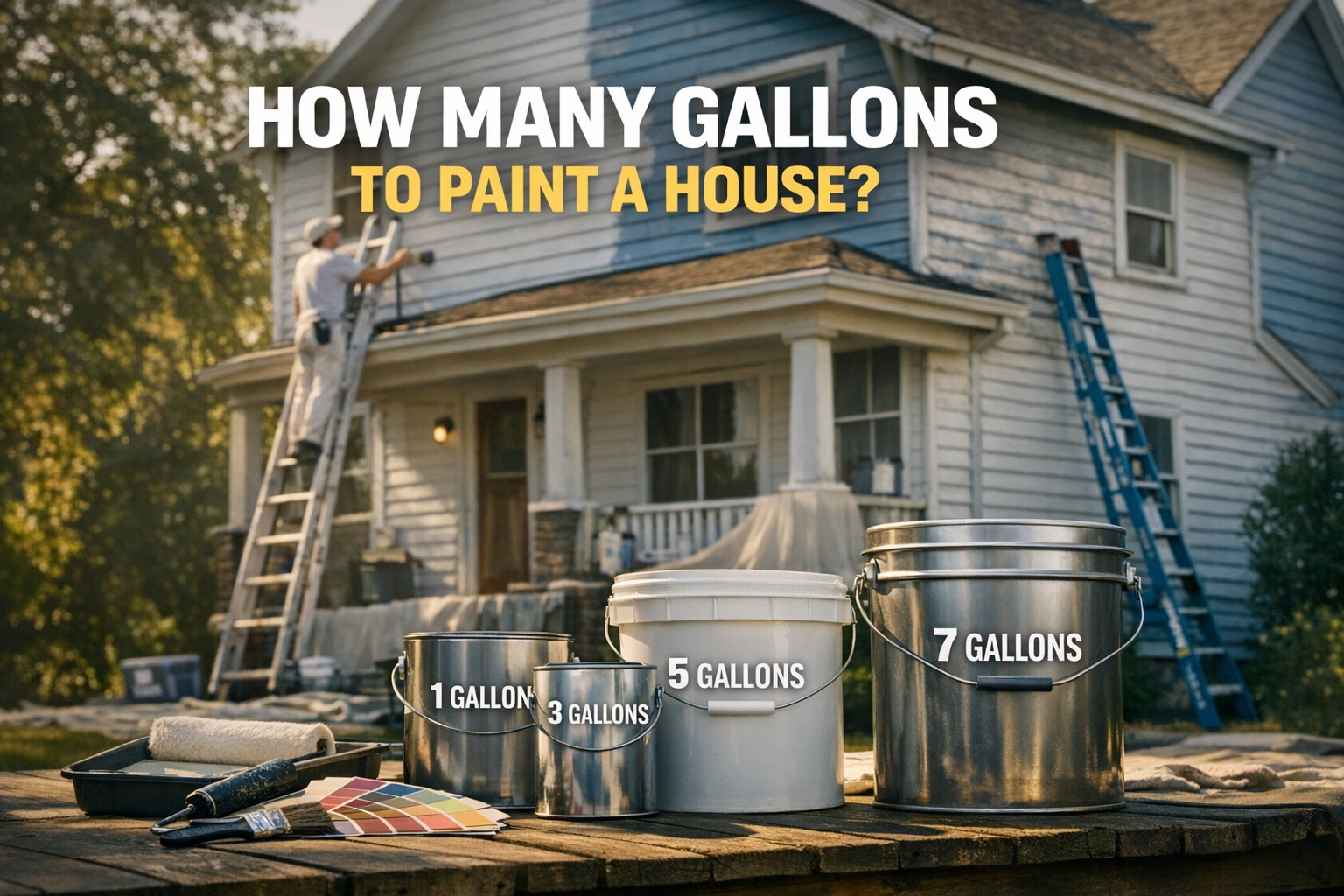
Key Takeaway:
Learn the precise techniques to calculate the number of gallons needed for painting a house, considering factors like surface area, paint type, and application methods, ensuring an efficient and cost-effective paint job.
How Many Gallons to Paint a House: Mastering Accurate Estimations
Understanding Paint Coverage Basics
Standard Coverage Rates
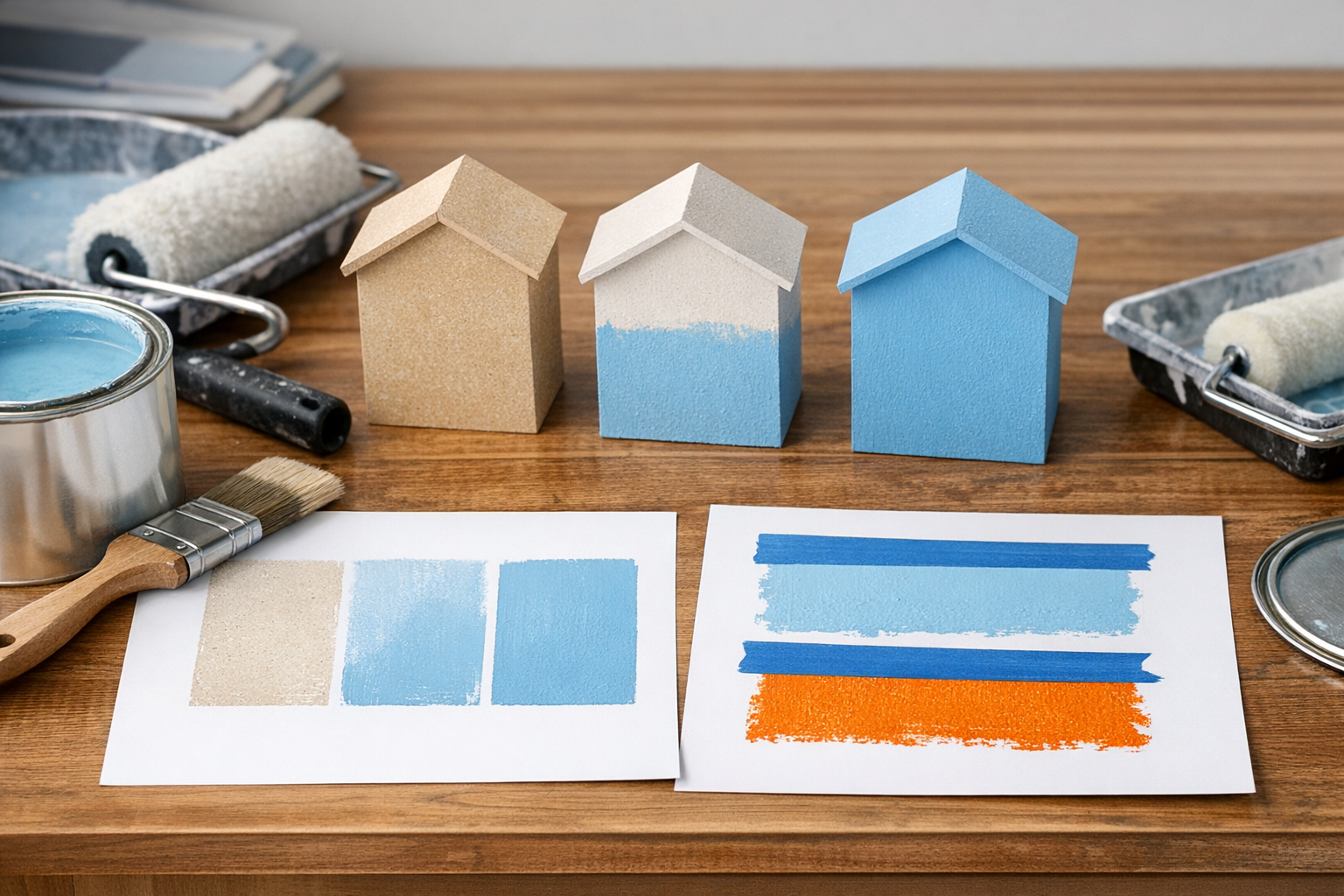
In the world of painting, understanding standard coverage rates is crucial. Typically, one gallon of paint covers approximately 350 to 400 square feet of smooth, non-porous surfaces. However, this can vary based on the paint type and application method. Factors like paint formulations and whether you’re using a primer can also affect this rate. To avoid too much paint or ending up with less paint than needed, always verify the coverage rate specified by the manufacturer. For instance, a high-end painting company might use advanced tools to measure how much paint is needed, ensuring an accurate estimate and efficient use of resources.
Factors Affecting Coverage
Several factors can alter how much paint you need for a project. Surface texture plays a significant role; rough or porous surfaces, like stucco or unprimed drywall, may require more paint per square foot than smooth surfaces. Additionally, the color change—such as going from a dark body color to a lighter one—might necessitate multiple coats, impacting the total length of paint usage. Proper preparation of wall space, including cleaning and priming, can enhance paint adhesion and coverage efficiency. Consider the impact of humidity, which can affect drying times and the number of coats required for optimal coverage.
Calculating Paint for Residential Projects
Measuring Your Home's Exterior
To calculate how many gallons you'll need for painting a home's exterior, start by measuring the total surface area. Measure the perimeter of the house and multiply by the height to get the wall area in square feet. Subtract the area covered by windows, doors, and other non-paintable surfaces. A detailed paint calculator can be an invaluable tool in this process, ensuring you arrive at an accurate estimate. For example, a house with a 40-foot perimeter and 10-foot height would have a wall space of 400 square feet, requiring at least one gallon if using standard coverage rates.
Estimating Paint for Interiors
When estimating paint for interiors, measure each room individually. Measure the total length of all walls, then multiply by the height to determine the wall space in square feet. Don’t forget to account for ceilings if they’re part of your project. Consider the number of coats needed, especially if you're changing colors significantly. This will ensure you have extra paint for touch-ups and multiple coats if required. For instance, applying two coats in a room of 300 sq ft may require two gallons to cover all surfaces adequately.
Commercial Painting Considerations

Differences in Coverage Needs
Commercial spaces often present unique challenges in paint coverage needs compared to residential projects. These spaces might have higher ceilings, larger wall areas, and more complex architectural features. As a result, a painting company tackling commercial projects must consider these variables when calculating how much paint is necessary. Ensuring accurate measurements and factoring in the specific use of the space can prevent costly over or underestimation. Utilizing a paint store that provides commercial-grade options can also tailor solutions to these unique requirements.
Special Requirements for Commercial Spaces
Commercial buildings may require specialized paint formulations, such as those with higher durability or specific finishes like semi-gloss or high-gloss, to withstand frequent cleaning. Additionally, safety regulations might dictate the use of non-toxic, low-VOC paints. These requirements can alter the overall paint needs and should be factored into your calculations from the start to ensure compliance and achieve desired results. Consider consulting with a painting expert to navigate these complexities and avoid any regulatory pitfalls.
Technical Deep Dive: Paint Formulations
Innovations in Paint Technology
The paint industry has seen significant innovations aimed at improving coverage and durability. New formulations offer enhanced adhesion, quicker drying times, and better resistance to environmental factors, which can increase the lifespan of a paint job. As we approach 2026, expect further advancements that will continue to revolutionize how efficiently paint covers square footage. Utilizing advanced spray technologies can also help in achieving even coverage quickly, reducing labor costs and time spent on large projects.
Eco-Friendly Paint Options
Eco-friendly paints have become increasingly popular due to their lower environmental impact and health benefits. These paints often have reduced VOC levels, making them safer for both indoor and outdoor use. However, they may have different coverage rates compared to traditional paints. When planning a project, factor in these differences to ensure you have the necessary amount of paint. Exploring more tips on eco-friendly options can provide additional insights into sustainable practices for your paint job.
Estimating Paint for Exterior Features
Trim and Accent Areas
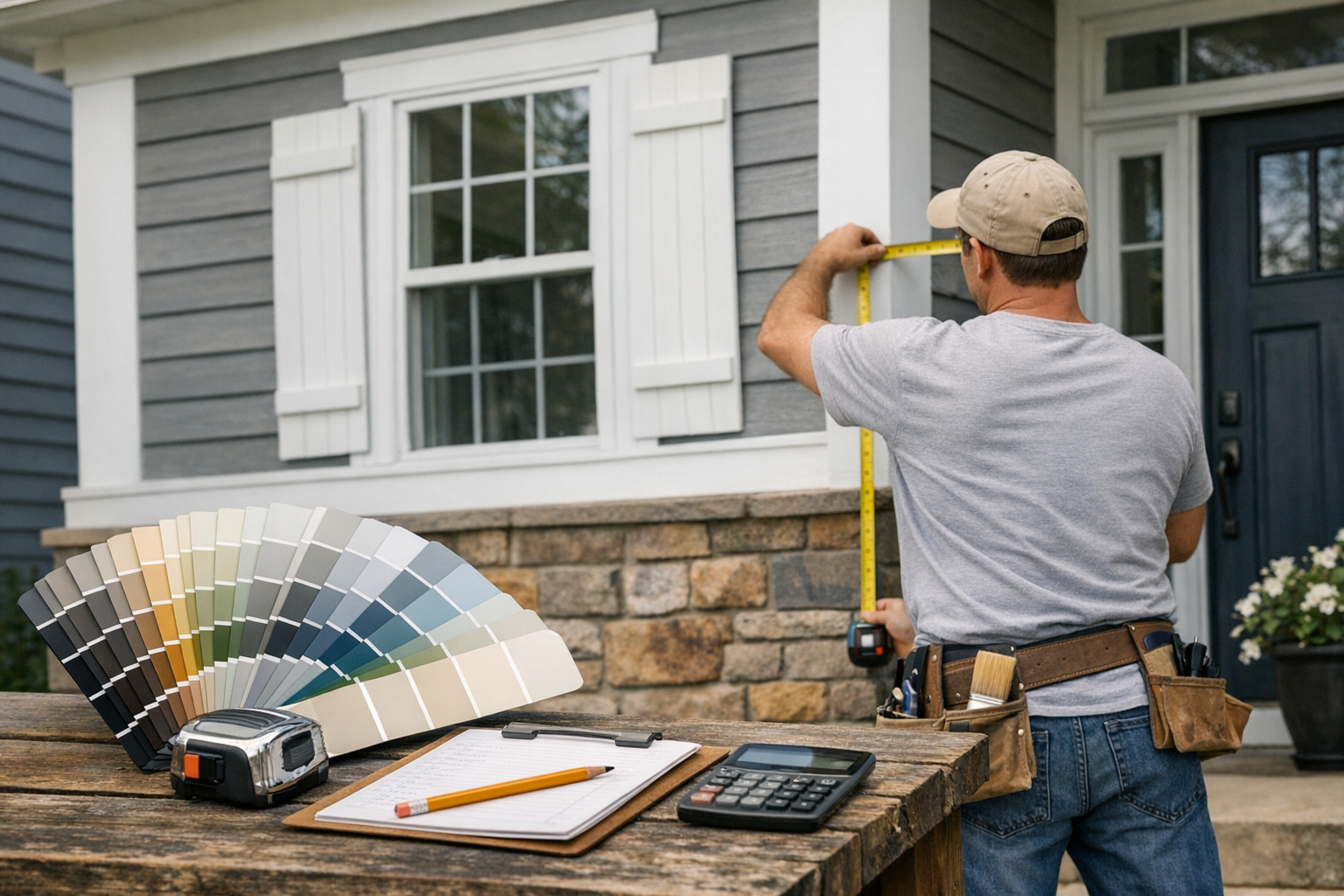
Calculating paint for trim and accent areas requires a separate approach from main wall surfaces. These areas often require different paint types or colors, such as white trim against a contrasting body color. Measure each element separately, accounting for the different coverage rates and application methods to ensure you have the right amount of paint for these detailed areas. For instance, a garage door might need specialized paint for durability against the elements.
Doors and Windows
Painting doors and windows involves different techniques and often requires more precision than wall spaces. The surface area is typically smaller, but these features can demand multiple coats and careful preparation to achieve a streak-free finish. Consider the type of door or window material, as some surfaces may require a primer or specific paint type for optimal results. Integrating professional how-tos can enhance your understanding of best practices in these intricate areas.
ROI & Cost Analysis
Budgeting for a Paint Job
Budgeting for a paint job extends beyond merely calculating how many gallons are needed. Consider the labor costs, potential need for primer, and the time required for preparation and multiple coats. Investing in quality paint can initially seem costlier, but it often results in long-term savings by reducing the frequency of repaints and maintenance. A thorough ROI analysis can reveal the financial benefits of choosing premium products versus generic alternatives.
Long-term Savings with Quality Paint
High-quality paints provide better coverage, durability, and resistance to environmental factors, leading to long-term savings. They often require fewer coats, reducing the overall amount of paint needed. By choosing quality products, homeowners can enhance their property's aesthetic appeal and market value while minimizing future maintenance costs. This approach ensures a successful project that adds significant value to your home or commercial space.
Common Pitfalls in Paint Estimation

Underestimating Paint Needs
A common mistake is underestimating paint needs due to inaccurate measurements or neglecting to account for multiple coats. This can result in project delays and increased costs. Accurate estimates rely on careful measurement of all surfaces and considering the specific requirements of the paint job, including the need for extra paint for touch-ups or future maintenance. Regular consultation with painting professionals can mitigate these risks and ensure a smooth execution of your project.
Ignoring Surface Preparations
Surface preparation is crucial for ensuring paint adheres properly and provides full coverage. Ignoring this step can lead to uneven finishes and the need for additional coats. Proper cleaning, priming, and repairing any surface imperfections are essential steps that should be part of any paint estimation process to ensure the best results. Employing the right tools and supplies can further enhance the efficiency and quality of the application method.
Regional Considerations: South Puget Sound
Climate Impact on Paint Choice
The South Puget Sound climate, characterized by moisture and frequent rainfall, impacts paint choice significantly. Selecting paints with mold and mildew resistance is crucial for exterior projects. These weather-resistant options ensure longevity and maintain the aesthetic appeal of a home, despite the challenges posed by the regional climate. Engaging with local experts can provide valuable insights into selecting the most suitable products for this unique environment.
Local Guidelines for Paint Estimation
Local guidelines might dictate specific requirements for paint types or colors, especially in historical or environmentally sensitive areas. Being aware of these regulations can help avoid legal issues and ensure that your project aligns with community standards. Partnering with a local painting expert familiar with these guidelines can streamline the process. Creating a checklist of regional considerations can also support compliance and project success.
Expert Tips from Cover Pro Painting

Preparation and Materials
At Cover Pro Painting, we emphasize thorough preparation and the use of high-quality materials. Proper surface preparation is key to achieving a flawless finish and maximizing paint coverage. Our experienced team always cleans, primes, and repairs surfaces before applying any paint, ensuring a durable and beautiful result. This attention to detail is what sets our projects apart and guarantees customer satisfaction.
Ensuring Cleanliness and Follow-through
Cleanliness is a hallmark of our work at Cover Pro Painting. We ensure every job site is left spotless, with no paint drips or debris. Our follow-through includes detailed inspections and client walk-throughs to guarantee satisfaction. Trust in our process is built on consistent results and customer-centric service. Our commitment to excellence is evident in every project we undertake.
Finalizing Your Paint Purchase
Choosing the Right Supplier
Selecting the right supplier for your paint is as important as the paint choice itself. Look for suppliers offering a wide range of products and expert advice. They should provide detailed information on paint formulations and coverage rates, ensuring you purchase the correct amount. Building a relationship with a trusted supplier can also offer access to exclusive products and promotions.
Verifying Your Calculations
Before finalizing your paint purchase, double-check your calculations. Use tools like online paint calculators and consult with professionals to confirm your estimates. This step ensures you have enough paint to complete your project without unnecessary delays or additional costs. Keeping a record of your calculations and adjustments can prevent costly errors and streamline the painting process.
Frequently Asked Questions
What are recent innovations in paint technology?
Recent innovations focus on 2026 advancements that improve coverage and durability, offering better adhesion, quicker drying times, and enhanced resistance to environmental factors.
How does the South Puget Sound climate affect paint needs?
The South Puget Sound climate requires paints with mold and mildew resistance to withstand moisture and frequent rainfall, ensuring longevity and aesthetic appeal.
Why do I need to calculate paint separately for trim and accents?
Calculating paint separately for trim and accents ensures precise estimates, as these areas often require different paint types, colors, and application methods.
How can eco-friendly paints impact my project?
Eco-friendly paints offer health benefits and reduced environmental impact but may have different coverage rates than traditional paints, affecting the amount needed for your project.
What are common mistakes in estimating paint needs?
Common mistakes include underestimating paint needs due to inaccurate measurements and ignoring surface preparations, leading to uneven finishes and additional costs.
How do I ensure accurate measurements for paint calculations?
To ensure accurate measurements, use a tape measure to determine the total length and height of each wall, and consider using online calculators or consulting professionals for verification.
