
%201.svg)


How Do You Discard Paint Safely? The Ultimate Guide
Key Takeaway:
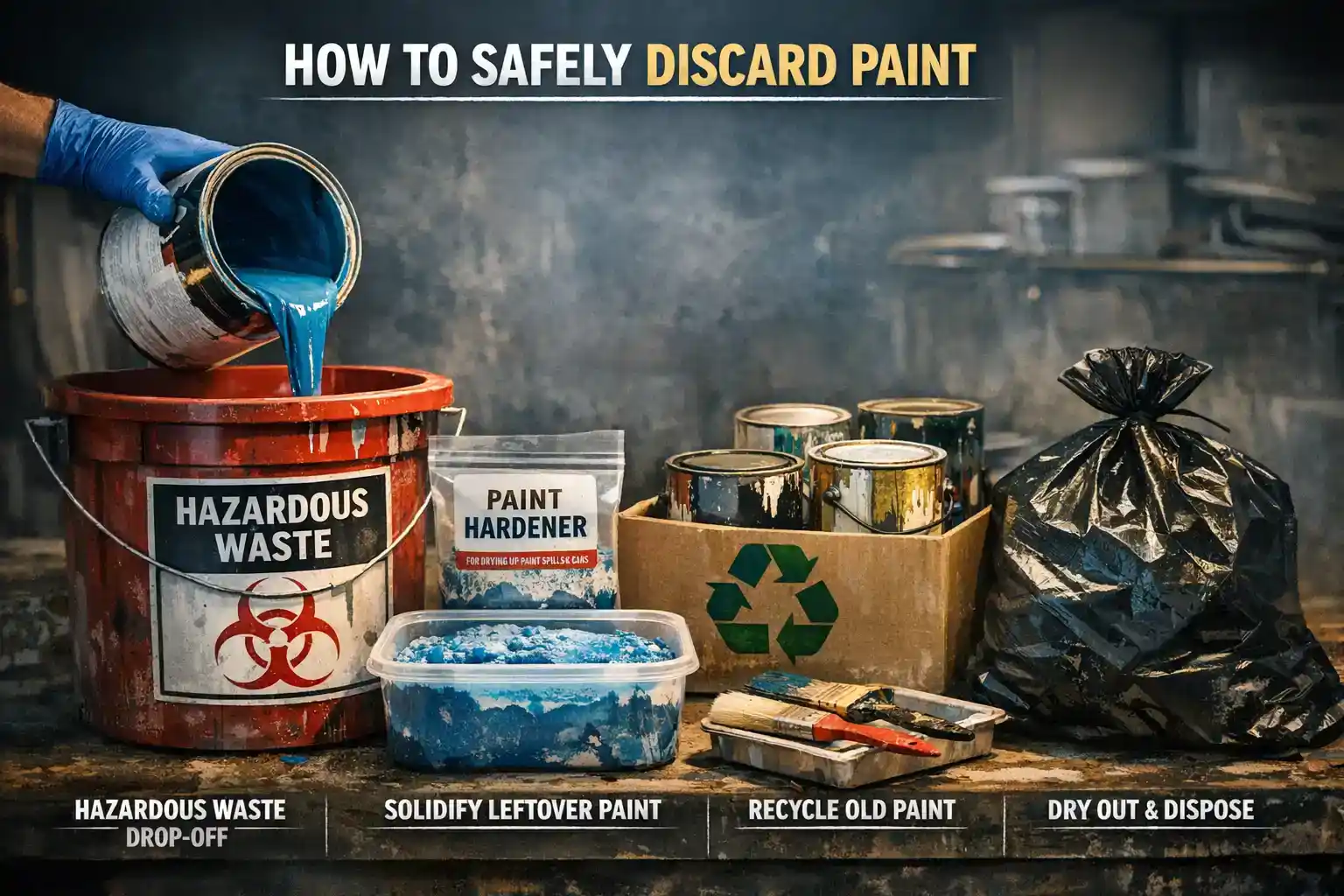
To discard paint safely, first identify the type: water-based can often be dried out and disposed of, while oil-based requires special handling at hazardous waste facilities. Check local regulations for specific disposal methods and consider recycling options for an eco-friendly approach.
How Do You Discard Paint Safely? The Ultimate Guide

Understanding Different Types of Paint
Water-Based Paints
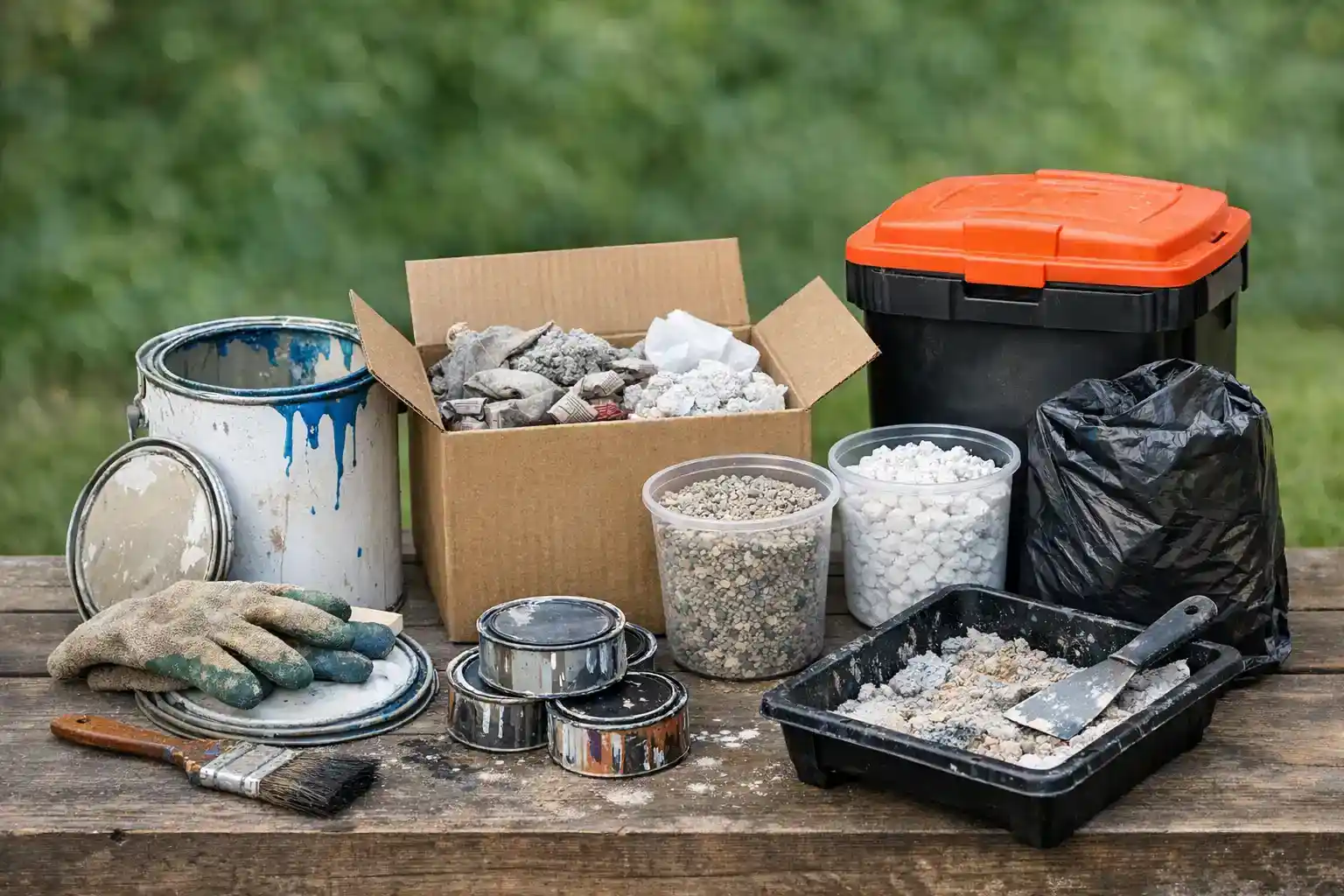
Water-based paints, commonly referred to as latex paints, are popular for their ease of use and quick drying times. Unlike oil-based paints, water-based options are less hazardous and can often be disposed of more easily. To properly dispose of leftover paint, ensure that it is completely dried out. This can be achieved by removing the lid and allowing air to dry the paint naturally or by using a paint hardener for quicker results. Once dried, these paints can typically be thrown away with regular trash, but always check local regulations first. Additionally, incorporating methods like using kitty litter to absorb the liquid can help speed up the drying process, ensuring a more efficient disposal and minimizing potential harm to the environment.
Oil-Based Paints
Oil-based paints are more durable but also more challenging to dispose of due to their hazardous nature. These paints contain chemicals that can harm the environment, so they must be handled with care. It's crucial to transport oil-based paints to designated hazardous waste facilities. Avoid pouring them down the drain or disposing of them with regular trash, as this can lead to significant environmental harm and legal issues. In some areas, community drop-off sites are available for such hazardous waste, offering a safe and regulated environment for disposal.
Specialty Paints
Specialty paints, including those used for specific materials like metals or high-heat areas, often contain unique compounds that require special disposal methods. It's essential to read the manufacturer's instructions and consult local guidelines to ensure proper disposal. Specialty paints might need to be taken to a specific drop-off site or recycling center that can handle their particular chemical makeup. For example, paints used on automotive projects may need to be disposed of at a facility equipped to handle toxic materials safely.
Why Proper Paint Disposal Matters
Environmental Impact
Improper paint disposal can have dire consequences for the environment. Paints can leach harmful chemicals into the soil and waterways, affecting wildlife and ecosystems. By discarding paint safely, you protect the environment and contribute to a healthier planet. In addition, using proper disposal methods helps to prevent the contamination of local water sources, which is crucial for maintaining clean and safe community waterways.
Legal Consequences
There are legal requirements regarding paint disposal that vary by region. Failing to comply with these can result in fines or legal action. Understanding and adhering to local regulations is crucial in avoiding these consequences. Consulting the local waste management authority can provide specific instructions and help you stay updated on any changes in the law.
Health Risks
Improper disposal of paint can pose health risks to humans, especially if hazardous chemicals are released into the air or water supply. Taking steps to properly dispose of paint minimizes these risks and ensures a safer community. For example, oil-based paints can emit volatile organic compounds (VOCs) that are harmful when inhaled, emphasizing the need for thorough and cautious disposal practices.
General Guidelines for Disposing of Paint
Check Local Regulations
Before discarding paint, always check your local regulations. Different areas have varying rules regarding paint disposal, and staying informed helps you avoid legal trouble and environmental harm. Local government websites or waste management facilities often provide detailed instructions and guidelines tailored to your region.
Determine Paint Usability
Before disposal, assess whether your leftover paint is still usable. Mixing it thoroughly to check for consistency and applying it to a test surface can help determine if it's suitable for future projects or donations. Sometimes, community organizations or schools may accept donations of usable paint for their projects, turning potential waste into a valuable resource.
Use Paint Hardener
For water-based paints, using a paint hardener is an effective way to solidify leftover paint quickly, making it safe for disposal. Simply follow the instructions on the hardener package to ensure effective results. This method is especially useful for homeowners with large quantities of leftover paint, as it expedites the drying process and facilitates environmentally responsible disposal.
How to Dispose of Water-Based Paints
Dry Out the Paint
To safely dispose of water-based paints, allow the paint to dry out completely. This can be done by leaving the lid off in a well-ventilated area, using kitty litter to speed up the drying process, or employing a commercial paint hardener. By ensuring that the paint is fully dried, you prevent any residual liquid from seeping into the ground or waterways, reducing environmental risks.
Utilize Community Paint Recycling Programs
Many communities offer paint recycling programs that accept water-based paints. These programs repurpose old paint, reducing waste and providing a resource for others. Check with your local waste management authority for available options. Participating in such programs not only supports environmental sustainability but also promotes community development by providing resources for local projects.
Handling Oil-Based Paints Safely

Transporting to Hazardous Waste Facilities
Oil-based paints require special handling due to their toxic nature. Transport them to a hazardous waste facility, ensuring the containers are sealed and labeled properly. Avoid mixing different types of hazardous waste to prevent dangerous chemical reactions. Using original containers with intact lids can help prevent leaks and spills during transportation.
Avoiding Common Mistakes
Common mistakes include pouring oil-based paints down the drain or mixing them with regular trash. These actions can lead to environmental contamination and potential legal repercussions. Always follow proper disposal protocols to ensure safety. Educating yourself and others about these potential pitfalls can help foster a community-wide commitment to responsible waste management.
Specialty Paints and Their Unique Disposal Needs
Paint Thinners and Solvents
Paint thinners and solvents are often used with specialty paints and require careful disposal. These substances are highly flammable and should be taken to hazardous waste facilities. Never pour them down the sink or into drains. Proper storage and transportation are key, ensuring that these materials are kept in non-reactive containers to prevent accidental spills or fires.
Aerosol Paint Cans
Aerosol paint cans pose unique challenges due to their pressurized nature. Ensure these cans are completely empty before disposal. Many areas have specific recycling programs for aerosol cans; check local guidelines for more information. Some facilities offer dedicated collection points for aerosol cans to prevent potential hazards associated with puncturing or compacting pressurized containers.
Technical Deep Dive: Advances in Paint Recycling

Innovative Recycling Technologies
Recent advances in paint recycling technologies have made it easier to repurpose old paint. These innovations include methods for separating paint components and re-blending them into new products, reducing waste and conserving resources. For instance, some recycling facilities can now extract valuable pigments and resins from dried paint, creating new paint products that meet industry standards.
Regional Recycling Facilities
Regional facilities are increasingly equipped to handle paint recycling, providing a local option for disposing of old paints responsibly. Contact your local waste management department to locate the nearest facility offering these services. These facilities often collaborate with manufacturers and retailers to streamline the recycling process, ensuring efficient and effective reuse of paint materials.
Common Pitfalls in Paint Disposal
Ignoring Local Regulations
One of the most common mistakes in paint disposal is ignoring local regulations. Each region has specific rules, and failing to follow them can lead to fines and environmental harm. Always stay informed about the requirements in your area. Engaging with community educational programs on waste management can help spread awareness and encourage compliance.
Improper Container Disposal
Another frequent error is disposing of paint containers improperly. Ensure that paint cans are completely dry and free of liquid paint before recycling or throwing them away. This practice prevents potential contamination and waste management issues. Using sand or other absorbent materials can help remove residual paint from containers, making them suitable for recycling.
ROI & Cost Analysis of Proper Paint Disposal

Cost Benefits of Recycling
Recycling paint can offer significant cost savings by reducing waste disposal fees and providing materials for new projects. By participating in recycling programs, homeowners can also benefit from tax incentives and rebates. Additionally, businesses that implement sustainable disposal practices may enhance their reputation, attracting environmentally conscious customers and increasing overall ROI.
Long-Term Savings for Homeowners
Proper paint disposal practices can lead to long-term savings by preventing environmental damage that could result in costly clean-ups or fines. Investing in responsible disposal methods ensures a safer community and financial peace of mind. Moreover, adopting eco-friendly practices can enhance property values and appeal to potential buyers interested in sustainable living solutions.
Local Regulations in Seattle for Paint Disposal
Seattle-Specific Guidelines
Seattle residents must adhere to specific guidelines for paint disposal. The city provides resources and programs for recycling and hazardous waste disposal, ensuring that paints are handled safely and responsibly. By staying informed about Seattle's waste management initiatives, residents can contribute to the city's efforts in promoting environmental stewardship.
Local Resources and Facilities
Seattle offers numerous facilities and resources for proper paint disposal. Residents can access drop-off sites and recycling programs that make it easy to discard paint in an eco-friendly manner. Always consult the city's guidelines for the most current information. Participating in local workshops and events can further educate the community on best practices for paint disposal and recycling.
Frequently Asked Questions
What are the Seattle regulations for paint disposal?
Seattle has specific guidelines and facilities for paint disposal, including designated drop-off sites and recycling programs. Residents should consult local resources for detailed instructions.
How can paint be recycled instead of discarded?
Paint can be recycled through community programs that reprocess old paint into new products. Check with local waste management authorities for available recycling options.
Can dried paint be thrown in the trash?
Yes, dried water-based paint can typically be disposed of with regular trash, but always verify with local regulations. Oil-based paints require special disposal methods.
What happens if I improperly dispose of paint?
Improper paint disposal can lead to environmental damage, legal consequences, and potential health risks. It's crucial to follow local regulations to avoid these issues.
Are there any eco-friendly paint disposal options?
Eco-friendly options include recycling programs and proper disposal at hazardous waste facilities. These methods help reduce environmental impact and promote sustainability.
Why can't oil-based paints be disposed of like other paints?
Oil-based paints contain hazardous chemicals that require special handling and disposal at designated facilities to prevent environmental harm.
How do I know if my paint is still usable?
Check the paint for consistency, smell, and color. If it mixes well and applies smoothly, it may still be usable. Testing on a small area can confirm its condition.
