
%201.svg)


How Do Professional Painters Ensure Even Paint Coverage on Homes?
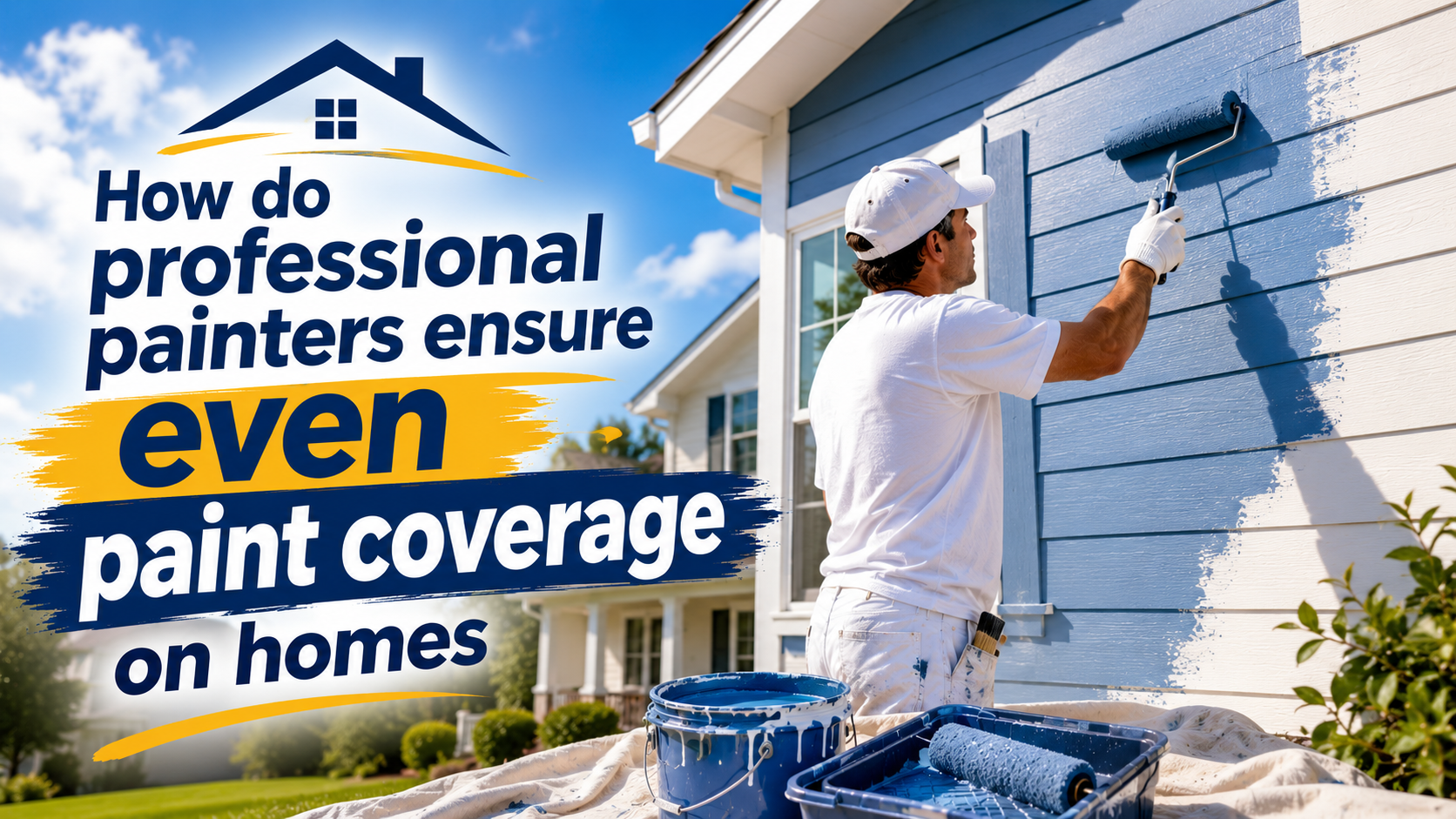
How Do Professional Painters Ensure Even Paint Coverage on Homes?
Here’s a quick answer: how do professional painters ensure even paint coverage on homes, they start with proper surface preparation, choose the right products for specific surfaces, and use proven painting techniques to build uniform coverage. A lasting paint job is not rushed. Professional painters inspect, clean, repair, prime, apply the first coat, allow proper drying, then apply the second coat when needed. In most cases, two coats create better coverage, stronger color depth, and a more professional finish.
What Does Even Paint Coverage Actually Mean?
Even coverage means the surface has a uniform color, a uniform finish, and the right film thickness from one area to the next. There should be no thin spots, dull patches, roller marks, brush strokes, lap marks, uneven sheen, or old color showing through. A flawless finish should look clean in daylight and under artificial lighting.
Uniform coverage also means the coating protects the home, not just changes the color. When applied correctly, the final coat helps with moisture resistance, durability, and curb appeal. One coat may be enough for small touch-ups or repainting the same color on a clean surface, but full exterior residential painting and interior residential painting often need two coats for the desired finish. Two coats also help create consistent color depth across different surfaces.
Why Do Some Paint Jobs Look Uneven?
Uneven results usually come from poor surface preparation, weak products, bad timing, or rushed application. Dirt, chalk, mildew, peeling paint, and surface imperfections can stop the paint from bonding correctly. When paint adheres properly, the final result looks smoother and lasts longer. When there is poor adhesion, even extra paint will not fix the problem.
Skipping primer can also cause blotchy areas. Bare wood, patched spots, and surface repair areas absorb coating differently. One coat over those areas may leave dull patches or uneven sheen. Two coats of paint over a properly primed surface usually perform much better than one coat over a surface that was not prepared.
Wrong tools can also cause problems. Cheap rollers, worn brushes, or the wrong nap can leave roller marks, heavy edges, and uneven texture. Professional painters use high quality brushes, a good brush for cutting in, and high quality tools that match specific surfaces.
How Do Professional Painters Prepare the Surface for Even Coverage?
Surface preparation is the foundation of a high quality paint job. Before applying paint, professional painters inspect the surface condition, check trim, siding, doors, windows, fascia, and adjacent surfaces, then decide what needs cleaning, sanding, caulking, priming, or repair.
Washing the Surface
Exterior surfaces collect dirt, pollen, mildew, dust, and chalky residue. Frequent cleaning before coating helps paint adhere and improves optimal adhesion. Clean preparation is especially important in the South Puget Sound, where moisture and shade can affect exterior surfaces, including homes and businesses in Auburn that need professional painting services.
Scraping and Sanding
Loose material must be removed before the painting process continues. Sanding smooths rough edges and helps reduce surface imperfections. This matters when preparing surfaces with older coatings, visible wood grain, or patched areas.
Caulking Gaps and Seams
Professional painters use painter's tape, careful masking, and proper caulking to protect adjacent surfaces and create clean lines. Caulking gaps around trim, siding joints, windows, and doors helps improve appearance and weather protection.
Repairing Rot Before Painting
Rotted wood should not be covered. Surface repair must happen first. Cover Pro Painting specializes in painting and rot repair, so damaged areas can be addressed before the coating system is applied. This helps prevent compromising quality and gives the home a stronger base for two coats of paint.
Why Primer Matters for Even Paint Coverage
Primer creates a more consistent surface. It helps seal bare wood, repairs, stains, and porous areas so the finish coats of paint sit evenly. Without primer, one coat may soak in unevenly and leave patchy areas.
When Painters Use Primer
Professional painters use primer when changing from dark to light colors, coating repairs, sealing stains, covering bare wood, or working on specific surfaces that need help with bonding. Primer helps paint adhere and reduces the chance of poor adhesion.
Spot Priming vs. Full Priming
Some homes only need spot priming. Others need a full primer coat. The decision depends on the surface condition, product, and paint manufacturer instructions. Proper preparation helps the first coat cover more evenly, and the second coat usually completes the uniform finish.
How Do Painters Choose the Right Paint?
Professional painting starts with choosing the right product for the home. Different surfaces need different products. Wood siding, fiber cement, trim, doors, masonry, cabinets, fences, and textured surfaces do not all respond the same way, and this matters for residential painting projects in Bellevue.
Quality Paint Helps With Coverage
Quality products can offer better coverage, stronger hiding, smoother flow, and better durability. Products such as Benjamin Moore Aura are often known for rich color depth and strong coverage, but the right choice always depends on the surface, the project, and the paint manufacturer guidelines. Good products may require fewer coats in some situations, but two coats are still common when the goal is a consistent, long-lasting finish.
Sheen Makes a Difference
Sheen changes how light reflects off the surface. Flat finishes hide more flaws. Satin and semi gloss finishes are easier to clean but can show surface imperfections. Semi gloss is common for trim, doors, and cabinet painting because it stands up well to handling. For interior painting, sheen choice affects both the look and the cleaning needs of each room.
What Techniques Help Create Even Coverage?
Professional painters use various techniques to control thickness, texture, and drying. Applying paint evenly requires consistent pressure, steady movement, and the right amount of material on the tool, especially on detailed interior painting projects in Tacoma.
Keeping a Wet Edge
A wet edge helps avoid lap marks. This is important on siding, walls, fences, and large open areas. If one section dries before the next section blends in, lap marks can appear.
Applying the Right Film Thickness
Film thickness matters. Too little coating leaves weak protection and poor hiding. Too much coating can sag, wrinkle, or dry unevenly. Professional painters follow product guidance and field experience to keep film thickness consistent.
Brushing and Rolling Correctly
With a roller, painters often work in a zigzag pattern before leveling the section with even strokes. This spreads the coating without stretching it too thin. With a brush, painters use controlled movement to reduce brush strokes and keep edges clean.
Spraying With Back-Brushing or Back-Rolling
Spraying can be efficient, but some specific surfaces need back-brushing or back-rolling. This helps work the coating into the surface and improves uniform coverage. It is common in exterior commercial painting, exterior residential painting, and fence painting when the surface texture calls for it.
How Do Professionals Avoid Streaks, Lap Marks, and Flashing?
Experienced painters prevent visible flaws by working in planned sections, controlling drying time, and using consistent methods. A professional finish depends on patience and quality control.
Streaks
Streaks often happen when tools are overloaded, too dry, or pressed unevenly. Two coats can help even out streaks when the surface is prepared correctly.
Lap Marks
Lap marks form when wet material overlaps a section that has already started drying. Professional painters avoid lap marks by working from natural break points and watching weather, sun, and airflow.
Flashing
Flashing shows up as uneven sheen, often over patching, primer spots, or repairs. A first coat may reveal these differences. The second coat helps even the surface, and two coats of paint often reduce flashing when the base was prepared the right way.
How Weather Affects Exterior Paint Coverage
Environmental conditions matter on every exterior painting project. Temperature, humidity, wind, sun, and moisture all affect drying and coverage, particularly for exterior painting services in Gig Harbor.
Rain and Moisture
Surfaces must be dry. Moisture trapped under a coating can cause poor adhesion and future failure. Professional painters watch weather windows closely before applying paint.
Direct Sun
Direct sun can dry the coating too fast. That can make it harder to keep a wet edge and may cause roller marks or lap marks.
Humidity
High humidity slows dry time. It can affect how the first coat cures before the second coat is applied.
Wind
Wind can carry dust onto wet surfaces and affect spray control. Good masking, drop cloths, and careful setup help protect the home and surrounding areas.
How Do Professional Painters Inspect the Final Finish?
Quality control is part of professional painting. Crews check the work from different angles, in natural light, and under artificial lighting when needed. They look for thin areas, runs, missed spots, dull patches, roller marks, and uneven sheen.
Touch-Ups Must Be Done Carefully
Touch-ups need to blend with the surrounding area. On some walls, one coat of touch-up material will stand out. In other areas, the second coat may be needed to match the surrounding finish.
Cleanup Is Part of the Finish
A clean work area is part of the service. Drop cloths, masking, painter's tape, and careful cleanup protect floors, landscaping, fixtures, and adjacent surfaces. The final result should feel complete, not messy.
Can Homeowners Get Professional-Looking Coverage Themselves?
Some small interior painting projects are manageable for homeowners. A small bedroom, simple accent wall, or minor touch-up may only need one coat if the same color is being refreshed and the surface is clean. For larger multi-unit properties, professional apartment painting in Edgewood can help ensure even coverage and consistent results.
Larger projects are different. Exterior painting, interior commercial painting, exterior commercial painting, cabinet painting, fence painting, tall homes, moisture issues, and major color changes are harder to manage. These jobs often need two coats, careful preparation, and the right tools. Professional painters understand when one coat is not enough and when two coats of paint are needed for a professional finish.
Why Homeowners Choose Cover Pro Painting
Cover Pro Painting is a licensed, bonded, and insured painting company serving residential and commercial clients based in Edgewood, Washington. We serve residential and commercial clients throughout the South Puget Sound. Our crews bring more than 100 years of combined experience in professional painting, including rot repair and detailed preparation for homes and businesses in Covington and surrounding areas.
Built Around Proper Prep
We inspect, clean, scrape, sand, caulk, repair, prime, and apply coatings with care. Preparing surfaces the right way helps the paint ensure consistent protection and a cleaner finish.
Exterior Workmanship Warranty
Every exterior project includes a five-year workmanship warranty. That gives homeowners confidence that the work was done with care.
Free Color Consultations
Color and sheen choices matter. We offer free color consultations to help customers choose the right look before the first coat begins, whether it is an interior or exterior paint job in Seattle.
New Customer Offer
New customers receive 10% off their first project with Cover Pro Painting.
Frequently Asked Questions
Why does my paint look patchy after drying?
Patchy results can come from uneven absorption, skipped primer, poor preparation, low product quality, or inconsistent applying paint methods. Two coats often help, but the surface must be prepared first.
How many coats of paint does a house need?
Most full home projects need two coats for consistent coverage and durability. One coat may work for small touch-ups or repainting the same color, but two coats of paint usually provide a stronger result, especially on residential and commercial properties in Tacoma.
Does primer help paint look more even?
Yes. Primer seals porous areas and helps finish coats of paint cover more evenly.
Why do painters back-roll after spraying?
Back-rolling helps push the coating into textured surfaces and creates better contact. It can improve coverage and reduce uneven areas.
What causes lap marks?
Lap marks happen when one section dries before the next section blends into it. Heat, wind, direct sun, and poor technique can all contribute.
Can weather cause uneven coverage?
Yes. Temperature, humidity, rain, wind, and direct sunlight can all affect drying, bonding, and the final look.
Is another coat always enough to fix uneven paint?
Not always. If the surface was dirty, damp, glossy, damaged, or unprimed, another coat may not solve the root issue.
Should rotted wood be painted over?
No. Rotted wood should be repaired before coating. Paint cannot stop active decay.
Ready for a More Even, Professional Finish?
A clean finish starts with the right prep, the right materials, and the right crew. Cover Pro Painting provides interior painting, exterior painting, residential work, commercial work, and rot repair throughout the South Puget Sound. Schedule your service today and get a finish built on craftsmanship, reliability, and careful attention to your home.
