
%201.svg)


How Do Painters Estimate the Amount of Paint Needed for a House?
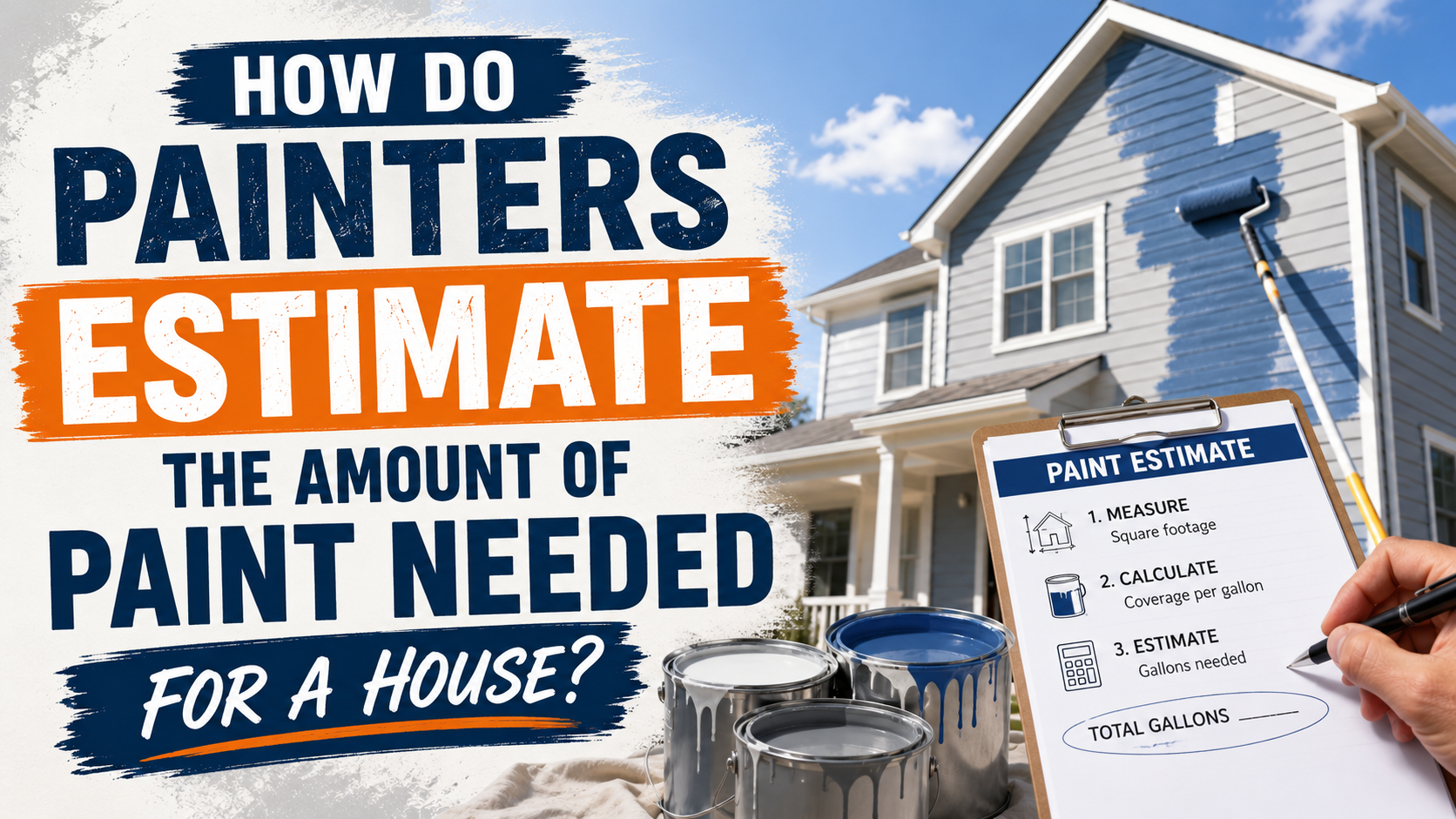
How Do Painters Estimate the Amount of Paint Needed for a House?
Here’s a Quick Answer
How do painters estimate the amount of paint needed for a house? They measure the paintable surface area, calculate total square footage, apply paint coverage rates, and adjust for coats, texture, and other factors. This process helps determine how much paint you need for a smooth, consistent result.
Every paint project starts with one key question: how much paint is actually needed? Getting this right saves time, money, and keeps the job moving without delays. If you underestimate, the job slows down. If you overestimate, you waste materials. Professional painters follow a proven system to calculate the amount of paint needed for a house so every project runs efficiently. Whether it is interior or exterior painting, Cover Pro Painting’s residential and commercial painting services in Seattle always focus on creating an accurate estimate that reflects real conditions.
Why Getting the Paint Estimate Right Matters
A solid estimate sets the tone for the entire paint job. When the amount of paint is right, the project stays on track and the finish looks even across all the walls, ceiling, and trim. A poor estimate can lead to uneven paint color, wasted money, or delays waiting for more materials. Professional painters focus on getting this right upfront so the job is smooth from start to finish.
Step 1 | Measure the Paintable Surface Area
How Painters Measure Interior Walls
Painters start by measuring each wall in a room. They calculate length multiplied by width to get the square footage of each surface. Then they add all the walls together to get total square footage. This includes all the walls in the room and often the ceiling if it is part of the project. Measuring correctly is the first step to determining how much paint you need.
How Painters Measure Exterior Surfaces
Exterior painting requires more detailed work. Each section of the house is measured separately. Painters calculate the length and width of siding areas, then figure gables and other shapes individually, which is especially important for Seattle homes needing climate-tailored exterior painting. This helps create a more accurate estimate for the full exterior.
Estimating Doors, Windows, and Openings
Doors and windows are always part of the calculation. Painters subtract standard square foot values for doors and windows to avoid overestimating. Doors, windows, and trim are usually calculated separately since they use different paint and require different application methods.
Step 2 | Understand Paint Coverage Rates
Average Coverage Per Gallon
A typical gallon of paint will cover about 350 to 400 square feet on smooth drywall. This is the baseline for most estimates, especially when selecting the best interior paint for coverage and durability. One gallon may cover less on exterior surfaces depending on texture and condition.
Why Coverage Numbers Change
Paint coverage can vary based on surface condition, texture, and materials. Rough surfaces like stucco or aged wood absorb more paint. Smooth drywall allows for better coverage. These factors impact how much paint is required and must be considered in every estimate.
Step 3 | Factor in the Number of Coats
When One Coat Works
One coat may work when painting over the same color and the surface is already in good condition. Even then, painters check coverage to make sure the finish looks even.
When Two Coats Are Necessary
Most jobs require two coats. The first coat builds coverage, and the second coat ensures durability and consistent paint color. This is especially important when switching to a lighter color or updating older surfaces.
Primer vs Paint Calculations
Primer is often included in the calculation. Priming helps seal the surface and improves adhesion. Primer usually has lower coverage per gallon, so painters calculate it separately from finish paint.
Step 4 | Adjust for Surface Condition and Prep Work
How Prep Work Impacts Paint Quantity
Prep work affects how much paint is needed. Scraping, sanding, and repairs change how paint absorbs into the surface. Areas that require extra prep work often need more paint and primer.
Rough vs Smooth Surfaces
Texture plays a major role in paint coverage. Rough surfaces require more paint, while smooth surfaces allow paint to spread evenly. Painters adjust the estimate based on the surface condition.
Absorption and Material Type
Different materials absorb paint differently. Wood, drywall, and exterior siding all behave differently, and homes in areas like Newcastle that need trusted residential painters often require careful evaluation of these surfaces. Understanding these materials helps determine the correct amount of paint needed.
Step 5 | Account for Waste, Touch-Ups, and Real-World Conditions
Every paint job includes some waste. Rollers absorb paint, sprayers create overspray, and some material is left unused. Painters also plan for touch-ups. Having extra paint ensures the same color is available later if needed.
A Simple Formula Painters Use (And Why It’s Only a Starting Point)
Painters use a basic formula to calculate how much paint is needed:
- Total square footage divided by coverage per gallon
- Multiply by number of coats
- Adjust for surface condition and texture
This formula helps figure a starting point, but experience is what makes the estimate accurate.
Example: Estimating Paint for a Typical House
Interior Example
A room with 800 square feet of wall space and a ceiling included may require about 2 to 3 gallons for one coat. With two coats, the amount of paint doubles. Add trim, doors, and windows, and the total increases.
Exterior Example
A house with 2,000 square feet of exterior surface may require about 7 gallons per coat. With two coats, that becomes 14 gallons, which aligns with what Sammamish residential and commercial painting projects often require for full coverage. Trim, doors, and windows are calculated separately, which adds to the total materials needed.
Common Mistakes Homeowners Make When Estimating Paint
Homeowners often underestimate how much paint they need. Common mistakes include using floor size instead of wall measurements, ignoring doors and windows, and assuming one coat is enough. These errors lead to inaccurate estimates and delays during the project, which professional Tacoma residential and commercial painters are trained to avoid.
Why Professional Estimates Are More Accurate
Professional painters measure every surface, evaluate condition, and calculate based on real-world factors. They understand how paint coverage changes with texture and materials, as seen in the approach of Covington painting experts for homes and businesses. This leads to a more accurate estimate and a better result for the customer.
How Cover Pro Painting Estimates Paint for Your Home
At Cover Pro Painting, we take a detailed approach to every estimate. Our team measures each wall, ceiling, and trim area, evaluates the surface condition, and determines the right materials for the job. We calculate how much paint you need based on real conditions so your project runs smoothly. Our company focuses on quality, preparation, and customer satisfaction on every job, reflecting the values outlined in our story as a paint and rot repair company.
Frequently Asked Questions (FAQs)
How do painters use a paint calculator to estimate paint needs?
Painters often use a paint calculator to simplify the estimation process. By inputting measurements such as wall length, height, and the number of doors and windows, the calculator helps determine how many gallons of paint are needed for one job, factoring in coverage rates and coats.
How many gallons of paint are typically needed for a house?
The amount varies depending on house size and surface texture, but for a typical 2,500 square foot house, professional painters usually estimate around 14 to 18 gallons for body, trim, and accents, including two coats.
Does painting crown molding affect the amount of paint needed?
Yes, crown molding and other trim require separate paint calculations since they use different paint types and often need more precise application, which can increase the total paint quantity.
What tips can help reduce paint waste during a project?
Using drop cloths, properly preparing surfaces, applying paint evenly, and using the right tools can minimize waste. Additionally, planning for a 10-15% buffer helps cover spills and touch-ups without overbuying.
How does surface texture impact paint coverage?
Textured or rough surfaces like stucco or rough-troweled walls require more paint because the increased surface area absorbs more material. Coverage for such surfaces is typically estimated at 300 to 350 square feet per gallon instead of the standard 400.
Why is it important to subtract doors and windows from total wall area?
Subtracting the area of doors and windows, typically about 15 square feet per window and 21 square feet per door, prevents overestimating paint needs, ensuring a more accurate calculation.
Conclusion
Estimating the amount of paint needed for a house is a detailed process that involves measuring surfaces, understanding coverage rates, accounting for texture and prep work, and planning for multiple coats. Using tools like a paint calculator and following professional tips ensures you purchase the right amount of paint for one job, avoiding waste and delays. Whether painting walls, crown molding, or trim, accurate estimates lead to a smooth, efficient project and a beautiful, lasting finish.
Get a Precise Paint Estimate for Your Home
If you are planning a paint project, start with a professional estimate. Cover Pro Painting provides detailed calculations based on real measurements and proven methods. Visit our website to schedule your estimate and get a clear understanding of how much paint your home needs.
