
%201.svg)


How Cold is Too Cold to Paint Exterior Surfaces
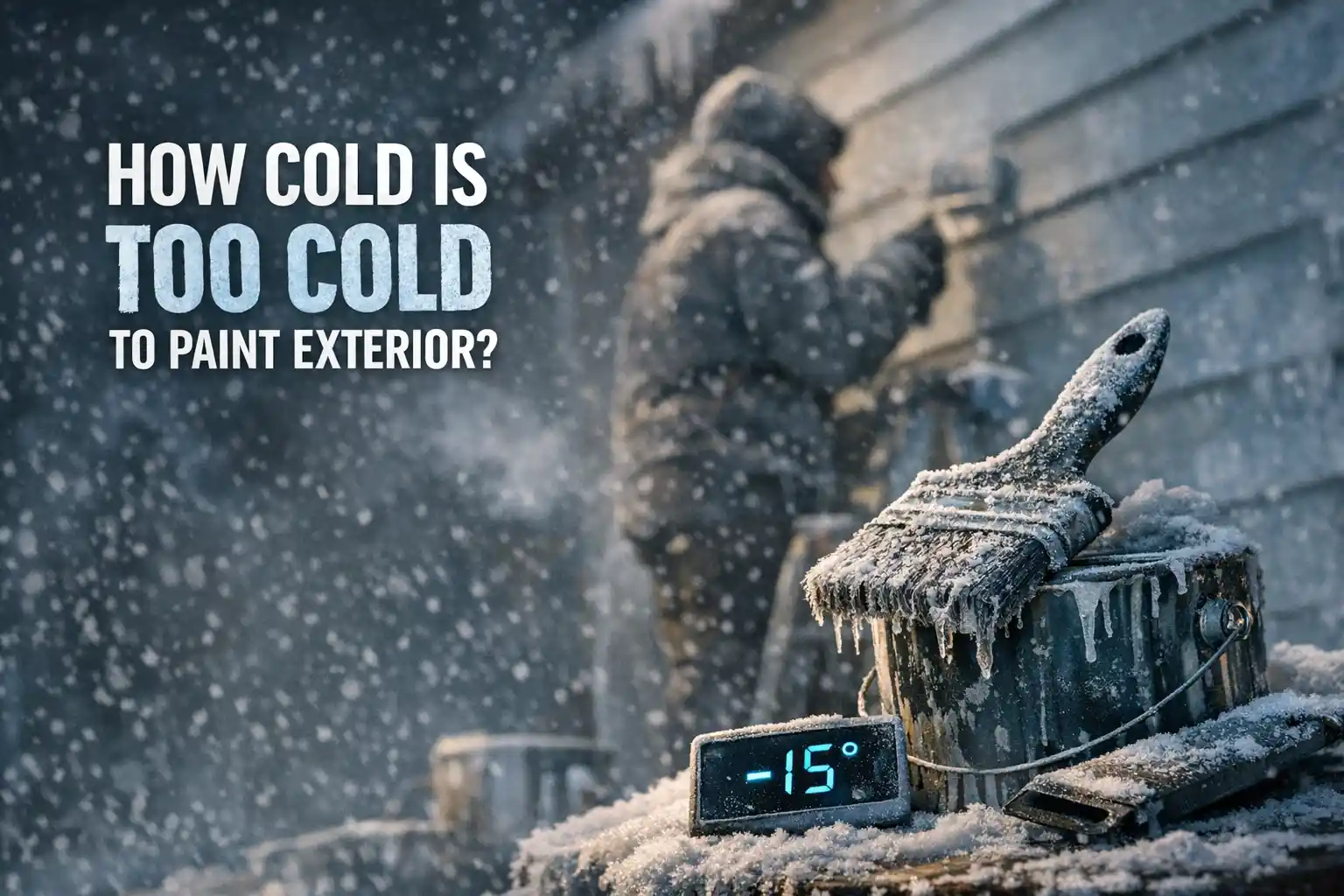
Key Takeaway:
Painting exterior surfaces requires careful attention to temperature, humidity, and paint type. For successful outcomes, use latex or specialty cold-weather paints when temperatures are above 35°F and avoid painting in high humidity. Proper preparation and scheduling can ensure durability and quality.
The Ultimate Guide: How Cold is Too Cold to Paint Exterior Surfaces
Understanding Temperature's Role in Exterior Painting

When embarking on an exterior painting project, understanding the role of temperature is critical for achieving a professional finish. The surface temperature of your home's exterior directly impacts paint adhesion and the drying process. It's not just the air temperature that matters; ensuring the surface temp is within the optimal range is essential for the paint to cure properly. This is why professional painters use infrared thermometers to verify surface conditions, ensuring that even in direct sunlight or shade, the temperature remains consistent within the ideal range. This attention to detail is what guarantees the paint's durability and longevity, providing a solid return on investment for your painting efforts.
Ideal Temperature Range
In the realm of exterior painting, the best outdoor painting temperature range is typically between 50°F and 85°F. This range supports the curing process, allowing latex paint and oil-based paints to adhere properly. Painting outside this temperature range, especially in cooler temperatures, can lead to subpar results. This is because lower temperatures affect the paint's ability to dry and cure, potentially leading to peeling or cracking over time. Many paints are formulated with specific temperature guidelines, so always consult the paint manufacturer’s instructions to ensure you're working within the recommended conditions.
Consequences of Painting in Cold Weather
Cold weather painting can present numerous challenges, primarily impacting paint adhesion and the curing process. When the temperature drops below the minimum recommended temperature of around 35°F for latex-based paints, the risk of improper curing increases. This can result in paint peeling, cracking, or bubbling, which undermine the aesthetic value and structural integrity of your home's exterior. Moreover, oil-based paints thicken in the cold, complicating the application process and risking an uneven finish. The cost of rectifying these issues can outweigh any initial savings from painting during the off-season, making it crucial to avoid painting under unsuitable weather conditions.
Technical Deep Dive: Paint Chemistry and Cold Weather
Latex vs. Oil-Based Paints
Understanding the chemical composition of paints is vital for successful cold-weather painting. Latex paints, known for their flexibility and ease of use, are generally more adaptable to cooler temperatures. They expand and contract with temperature changes, maintaining their adhesion and finish. In contrast, oil-based paints can become too viscous in colder temperatures, complicating application and risking a compromised paint job. The choice between these paints should consider local weather patterns and the specific demands of your painting project.
Impact of Humidity and Dew
Humidity and dew points are critical environmental factors affecting exterior painting projects. High humidity prolongs the drying process, potentially leading to sagging or running paint. It's essential to monitor the local weather patterns and avoid painting when there's a risk of dew formation, which can negatively impact paint adhesion. An infrared thermometer is an invaluable tool for assessing surface temp and ensuring conditions are suitable for painting outdoors. By maintaining optimal conditions, you enhance the paint's durability and ensure a smooth consistency in the finish.
Advancements in Paint Technology for Cold Climates

2026 Innovations
The future of paint technology promises exciting advancements, particularly for cold-weather painting. By 2026, we anticipate developments that enhance a paint's ability to cure in cooler temperatures, thereby extending the painting season. These innovations will focus on improving the paint's durability and finish under challenging conditions. Paint manufacturers are investing in research to formulate products that allow homeowners and professionals to achieve optimal results, even in less-than-ideal weather conditions. This progress is pivotal for maintaining the aesthetic and functional integrity of painted surfaces in cold climates.
Specialty Cold-Weather Paints
Specialty cold-weather paints are formulated to perform efficiently at lower temperatures, sometimes as low as 35°F. These paints maintain their consistency and adhesion quality despite cooler temperatures, ensuring a durable and attractive finish. When planning an exterior painting project in a cold climate, selecting the right paint is crucial for achieving the best results. These specially formulated paints provide a solution for those seeking to complete projects outside the traditional painting season, offering flexibility and reliability in challenging conditions.
Technical How-To: Preparing for a Successful Cold-Weather Paint Job
Proper Surface Preparation
Proper surface preparation is the cornerstone of a successful cold-weather paint job. Begin by ensuring that exterior surfaces are clean and dry. Use primers specifically designed for adherence in cooler temperatures to enhance the finish and longevity of the paint job. This preparation is essential not only for optimal paint adhesion but also for ensuring the paint cures properly, providing a smooth and durable finish. Skipping this step can lead to costly repairs and a diminished return on investment.
Tools and Techniques
Investing in the right tools and techniques is vital for painting in cold weather. Use brushes and rollers that are compatible with the specific type of paint you're using, and consider employing heaters or tents to maintain a consistent warmth on the painting surface. These measures can mitigate the effects of colder temperatures, ensuring a smooth and even application. By paying attention to these details, you can achieve a high-quality paint job that stands the test of time, even in challenging weather conditions.
Expert Troubleshooting for Cold-Weather Painting Issues
Common Problems
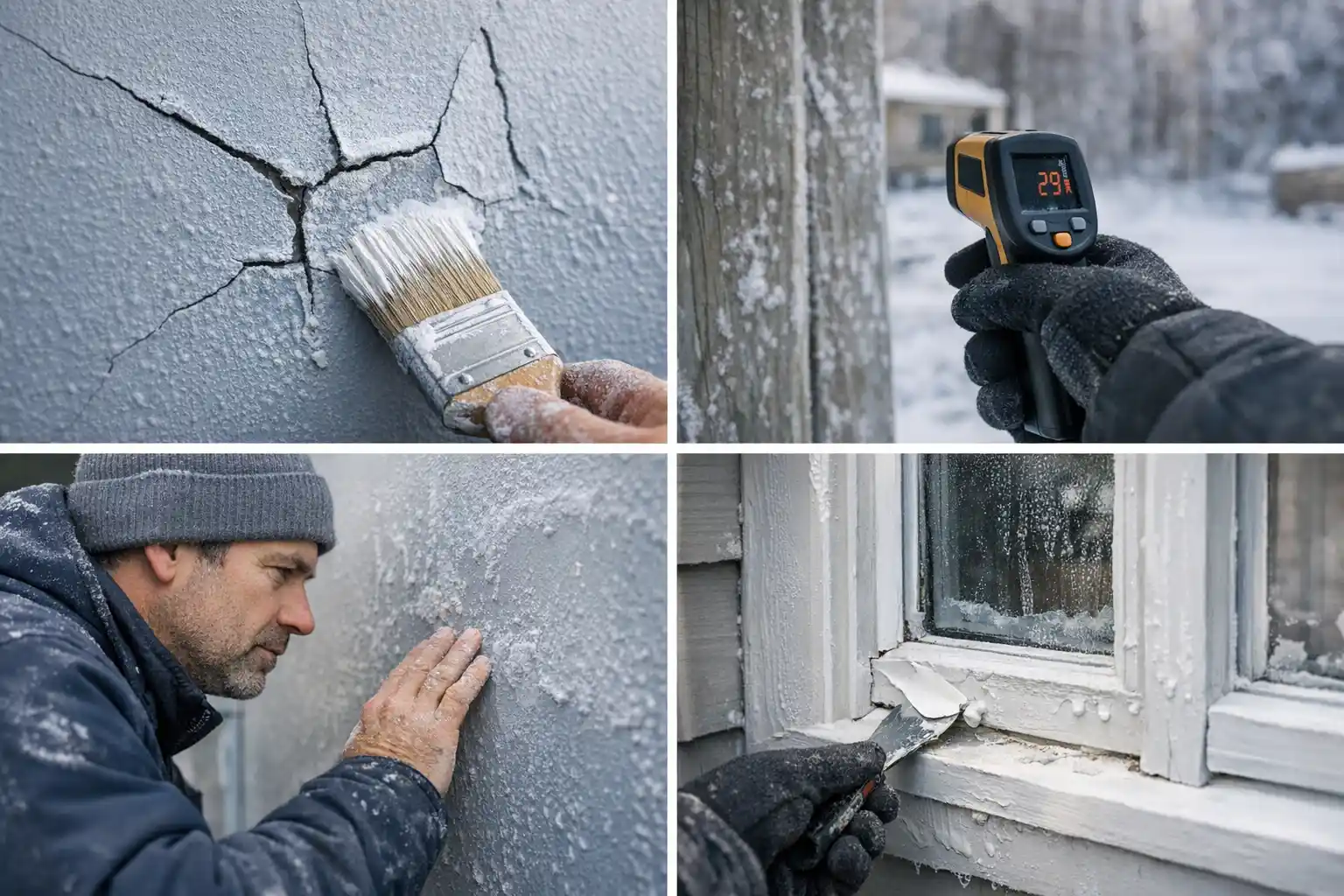
Cold-weather painting presents unique challenges, including poor adhesion, uneven surfaces, and prolonged drying times. These issues often arise from not adhering to best practices regarding temperature and humidity levels. By understanding these potential pitfalls, you can take proactive steps to avoid them, ensuring a successful painting outcome and protecting your investment in your home's exterior.
Solutions and Adjustments
To address the challenges of cold-weather painting, adjust your techniques and tools as needed. For instance, using a paint conditioner can improve the flow and leveling of paint in cooler temperatures, leading to a smoother finish. Additionally, closely monitor weather forecasts to avoid sudden temperature drops that could affect paint curing. These strategic adjustments can make a significant difference in the quality and durability of your paint job.
ROI & Cost Analysis: Is Cold-Weather Painting Worth It?
Cost Implications
While painting in colder temperatures might seem cost-effective due to off-season discounts, the potential need for additional materials and extended labor time can offset these savings. It's crucial to conduct a thorough cost analysis when considering a cold-weather painting project. Evaluating the costs of potential repairs and rework against the initial savings can provide a clearer picture of the return on investment.
Potential Savings
Despite the challenges, there are potential savings to be realized through strategic planning and execution. Leveraging advancements in paint technology and employing experienced professionals can lead to successful outcomes, preserving the value and appearance of the home while saving on costs associated with poor execution. By carefully considering the costs and benefits, you can make an informed decision that maximizes your investment's value.
Local Climate Considerations: Painting in Seattle's Weather
Humidity Levels
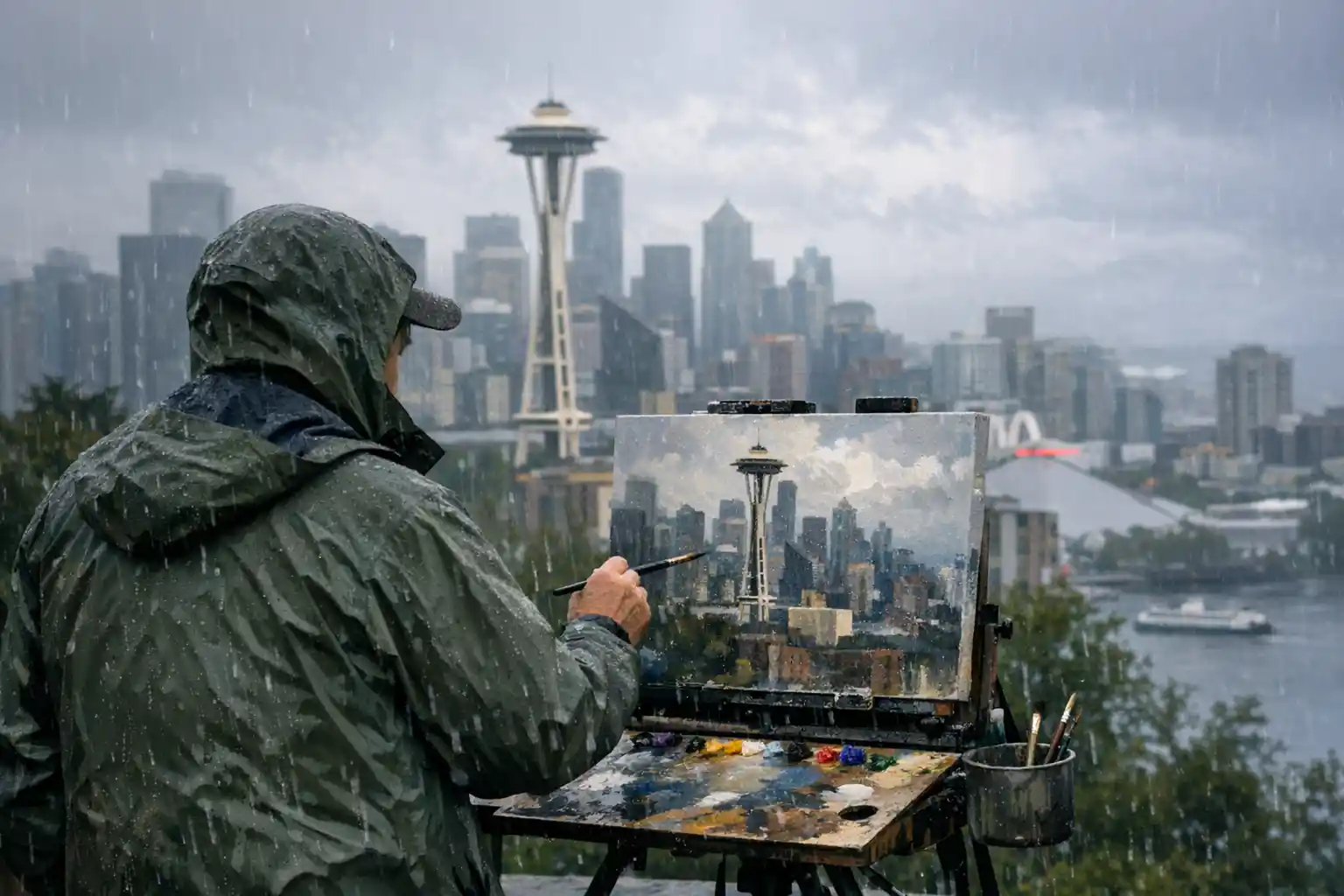
Seattle's climate presents unique challenges for exterior painting, particularly due to its high humidity levels. This necessitates careful planning and timing to ensure that paint cures correctly and maintains its integrity over time. Understanding the local climate conditions is essential for executing a successful painting project in this region.
Seasonal Weather Patterns
Understanding Seattle's seasonal weather patterns is crucial for scheduling painting projects. Most painting should be scheduled during the drier months, typically late spring to early fall. This timing helps avoid excessive humidity and temperature fluctuations that can impact the paint's performance. By aligning your painting schedule with local weather patterns, you can enhance the project's success and longevity.
Residential vs. Commercial: Painting Considerations
Residential Projects
Residential painting projects often offer more scheduling flexibility, allowing homeowners to adapt to optimal weather conditions. Prioritizing proper preparation and selecting paints formulated for local climate conditions can greatly enhance the project's success. This strategic approach ensures a high-quality finish that protects and beautifies the home.
Commercial Projects
Commercial painting projects may face stricter timelines, requiring careful management to navigate weather-related challenges. Utilizing specialty paints and advanced planning can mitigate risks associated with cold-weather painting, ensuring project success. By employing these strategies, commercial projects can maintain their timelines while achieving high-quality results.
Best Practices for Exterior Painting at Low Temperatures
Choosing the Right Paint
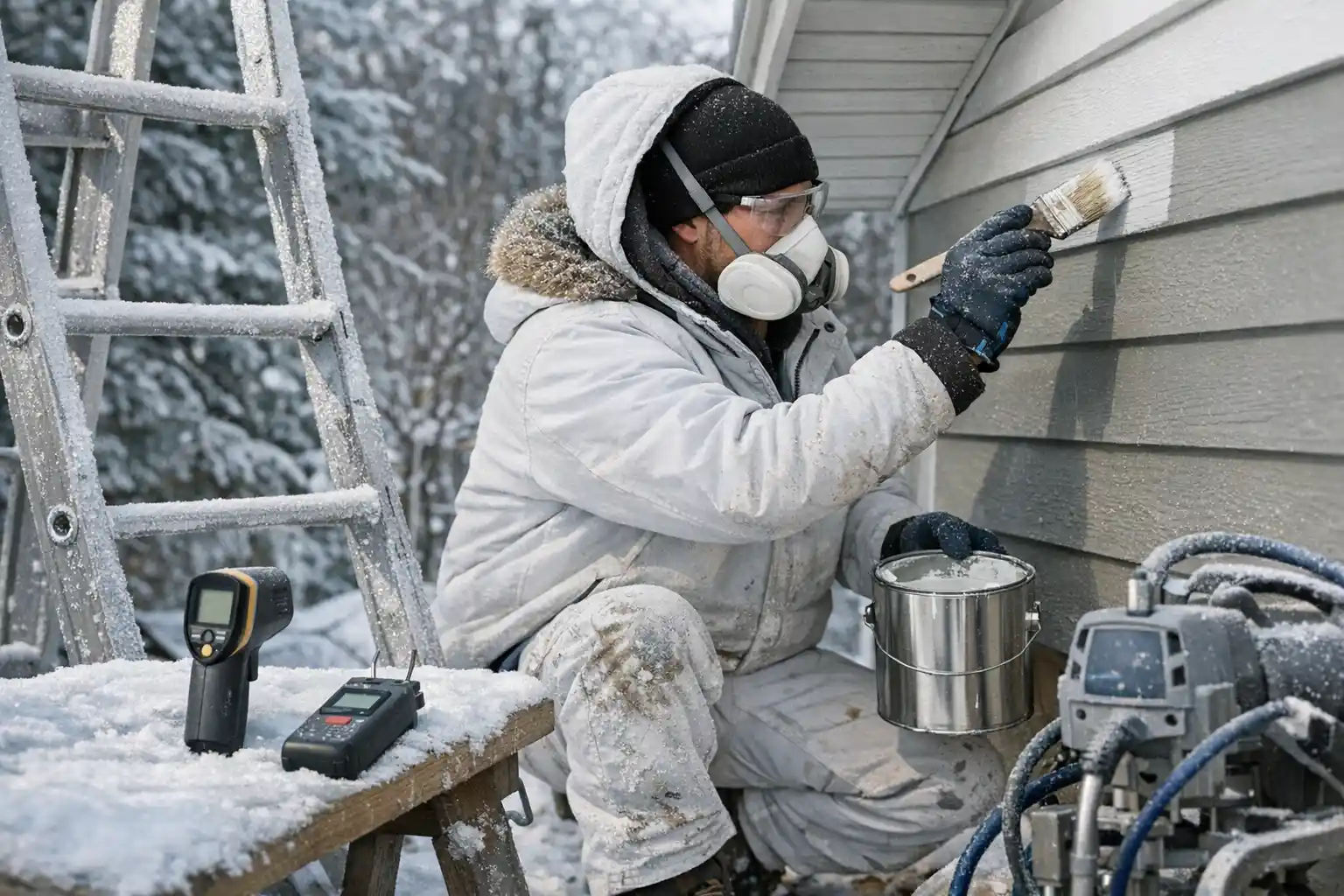
Selecting the right paint is a critical factor in the success of cold-weather painting projects. Opt for paints specifically formulated for cooler temperatures, and use a primer to enhance adhesion and durability. These choices can significantly impact the project's outcome, ensuring a long-lasting and attractive finish.
Timing and Scheduling
Effective timing and scheduling are key to overcoming the challenges of painting in low temperatures. Monitor the weather forecast closely and plan to paint during windows of warmer temperatures. This strategic approach can prevent issues and ensure the quality of the paint job, maximizing the investment's value.
Common Pitfalls to Avoid When Painting in the Cold
Missteps in Preparation
One of the most frequent mistakes is inadequate preparation. Failing to clean and prime surfaces can lead to poor adhesion and a subpar finish. Ensure that all surfaces are properly prepared before applying paint to avoid costly repairs and maintain the project's quality.
Ignoring Weather Forecasts
Ignoring weather forecasts is a common pitfall that can result in project delays and poor-quality finishes. Always stay informed about upcoming weather conditions and plan your painting schedule accordingly to avoid temperature drops and high humidity. By staying vigilant, you can ensure a successful and durable paint job.
Frequently Asked Questions
What is the minimum temperature for exterior painting?
Industry standards typically recommend a minimum temperature of 35°F for exterior painting, with considerations for the specific type of paint used.
Can you paint exterior surfaces during winter in Seattle?
Painting during Seattle's winter is challenging due to high humidity and fluctuating temperatures. It's advisable to follow recommended practices and use appropriate paints formulated for cold weather.
How does humidity affect exterior painting?
Humidity can significantly impact drying times and paint adhesion, leading to issues like sagging or running paint.
Are there paints designed for cold weather use?
Yes, there are specialty paints formulated specifically for use in colder climates, which maintain their consistency and adhesion quality.
How can I ensure a quality paint job in cold weather?
To ensure a quality paint job in cold weather, focus on thorough preparation, selecting the right products, and timing your project to avoid temperature extremes.
What are the risks of painting in temperatures below 35°F?
Painting in temperatures below 35°F can lead to poor adhesion, longer drying times, and a compromised finish.
