
%201.svg)


Garage Paint Ideas for a Brighter, Cleaner, More Useful Space
Key Takeaway
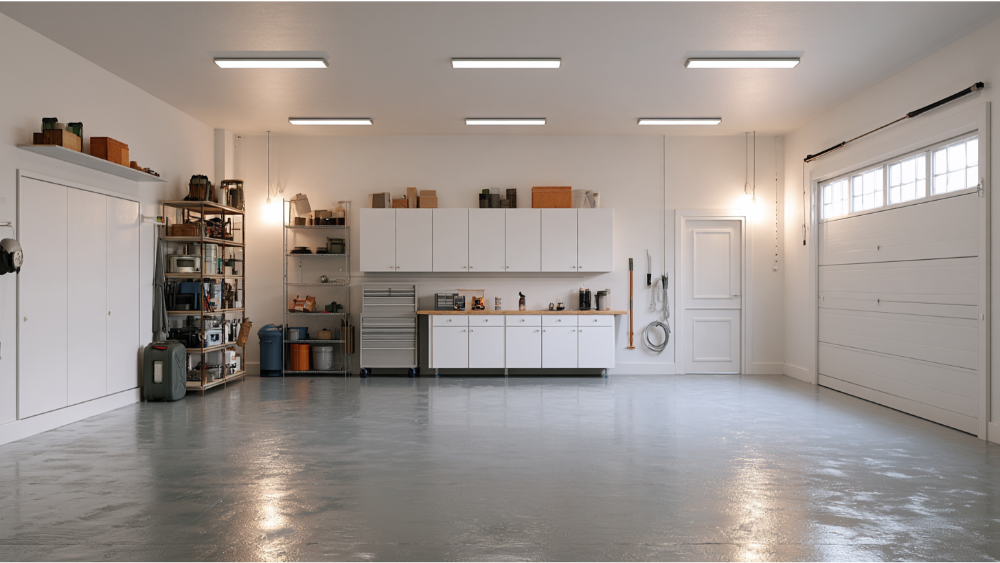
The best garage paint ideas start with light neutral walls and a bright white ceiling to reflect light and make the space feel larger, with a darker tone on the lower 36 to 48 inches to hide scuffs and wear. Match your color choice to how you use the space: pale gray or greige for parking and storage, blue-gray for a workshop, sage green for a gym. Always prep the surface before painting, because no color holds on unprepared drywall, masonry, or concrete.
For most garages, the reliable answer is light neutral walls, a light colored ceiling, and a medium-to-darker tone on the garage floor, the lower wall, or a few accents to hide everyday wear. Light colors reflect light and make the space feel larger, while the darker elements absorb the scuffs garages collect. Before you commit to any color, match the coating and the prep to the actual surface you're painting: drywall, masonry, wood, metal, and concrete all behave differently.
This guide covers garage interiors for homeowners who want a result that still looks clean in five years. Garage door color on your home's exterior gets its own section near the end.
Choose the Garage's Job Before Choosing Garage Paint Colors
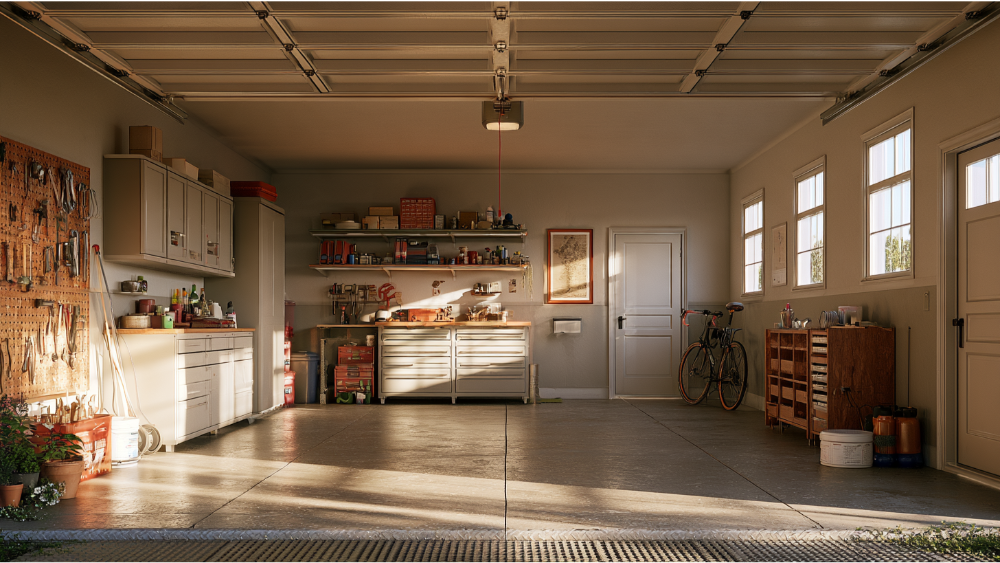
What you actually do in the space narrows the palette faster than any trend will. In a multi-use garage, wall color can mark functional spaces without a single wall being built.
- Parking and storage: light neutrals up top, a darker lower band where bumpers and bikes land.
- Workshop: light walls with a soft blue or blue-gray zone for focus and low glare.
- Home gym: when the garage doubles as a gym, sage green or a warm neutral that won't bounce harsh light back at you.
- Hobby or studio space: light walls plus one accent wall for interest.
- Everyday family entry: coordinate with the interior trim just inside the door.
- Car display: controlled charcoal gray or navy, paired with serious lighting.
What Should You Check Before You Paint Garage Walls?
Condition comes before color. Walk the garage with a flashlight and look for:
- Water stains, or an active leak at the roofline or slab edge
- Soft or rotted trim, framing, or door jambs
- Peeling, chalking, or failing existing paint
- Rust on metal doors, tracks, and hardware
- Bare versus already-primed drywall
- Powdery or efflorescing masonry
- Oil-contaminated concrete
- Cracks, spalling, or crumbling slab edges
Anything on that list gets repaired first. Paint over a problem and it comes back through the finish.
7 Garage Paint Ideas That Balance Style and Function
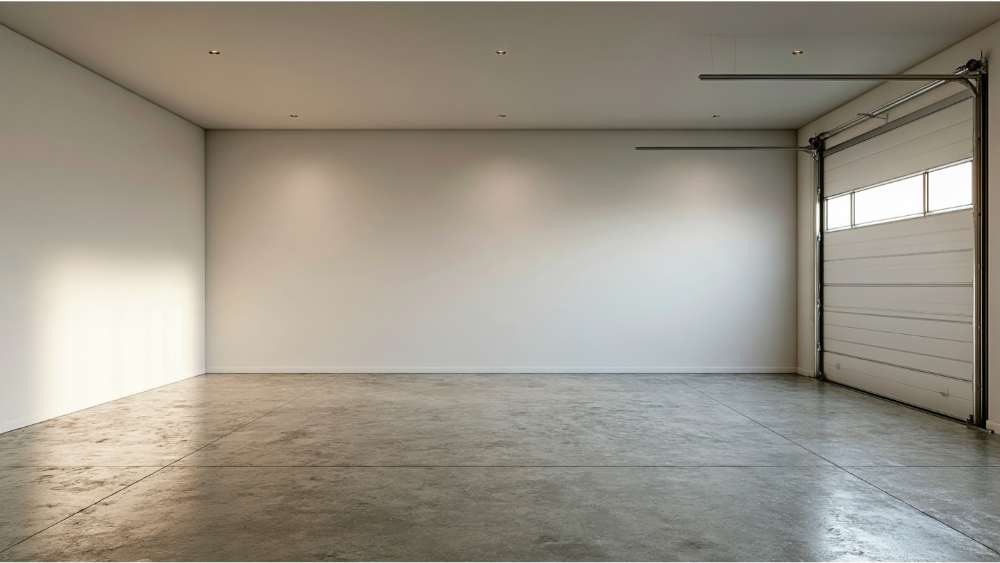
No brand color names below, because the principle travels further than the swatch.
Pale Gray Walls With a Bright White Ceiling
The dependable default. Pale gray keeps a windowless garage from feeling like a cave, and a bright white ceiling reflects light back down into the room. It pairs with nearly any floor tone, and small marks disappear into it instead of announcing themselves.
Warm Greige and Earth Tones With Charcoal Gray Accents
Warm tones take the chill off what is otherwise a cold concrete box. Put charcoal gray on the interior door, the cabinets, or a single wall to add depth and quietly absorb wear. Keep the ceiling light so the warmer walls don't darken the room.
Off-White Walls With a Darker Scuff-Hiding Lower Band
Crisp whites and soft beiges reflect the most light, but they show every heel mark. Run a medium-dark tone across the lower 36 to 48 inches, where bumpers, bikes, and boots make contact. Semi gloss on that band makes it easy to wipe clean.
Two-Tone Walls That Zone a Multi-Use Garage
Use a color change to separate the workshop end from storage or the entry path. Keep the lighter color on the larger surface so the room still feels open. A clean horizontal break at a consistent height looks deliberate; a ragged one looks unfinished.
Soft Blues or Blue-Gray for a Workshop
Blue-gray is calm, low-glare, and contrasts well against tools, lumber, and metal. Pair it with strong LED lighting over the bench, because the color itself won't brighten the space the way off white does, and detailed tasks need more light than ambient fixtures give you.
Sage Green for a Gym or Hobby Garage
Muted green is forgiving with dust and handprints, and it sits comfortably next to wood shelving and daylight from a side door. It's a good pick when the garage is a place you spend time rather than just park. Use a white ceiling and a medium neutral floor.
Matte Black or Navy as Accent Colors You Can Control
Deep charcoal, matte black, and navy give an upscale, modern look and hide wear better than anything else in the room. Matte black suits contemporary homes; navy reads more traditional. Use bold colors on one wall, the cabinets, or the interior door rather than the whole garage, and plan the lighting before the color.
Dark Colors, Lighter Walls, and Making a Small Garage Feel Brighter
Light Reflectance Value, or LRV, is a 0% to 100% scale of how much visible light a surface bounces back, and GSA lighting guidance treats it as a real design input. Higher-LRV lighter walls and a white ceiling spread daylight and fixture light instead of swallowing it. Keep dark colors to accents or the lower wall. Testing paint colors matters here: sample two or three painted boards and look at them in the garage at night under the actual lights, not in the store. A very high sheen doesn't add brightness, it adds glare.
Matching Garage Colors Across Walls, Ceiling, Floor, and Doors

Pick the ceiling and main walls first. Everything else responds to those two.
What Paint Finish Is Best for Garage Walls: Flat, Satin, or Semi Gloss?
No single sheen wins everywhere, so weigh the tradeoffs:
- Flat paint: hides wall imperfections well, but absorbs stains and cleans poorly.
- Eggshell: low glare, moderate cleanability, a fair compromise on imperfect drywall.
- Satin: satin finishes are the common balance for garage wall paint, wipeable without much shine.
- Semi gloss: strongest on trim, doors, and shelving, but it shows every flaw.
A quality acrylic latex rated for the substrate, in satin or semi gloss, lets you clean walls with soap and water and resists scratches. In a damp, poorly ventilated garage, ask about a mildew resistant formula. Unheated garages also see wide temperature fluctuations, which a premium product handles better than a bargain one.
Why Surface Prep Decides Whether Your Garage Paint Lasts
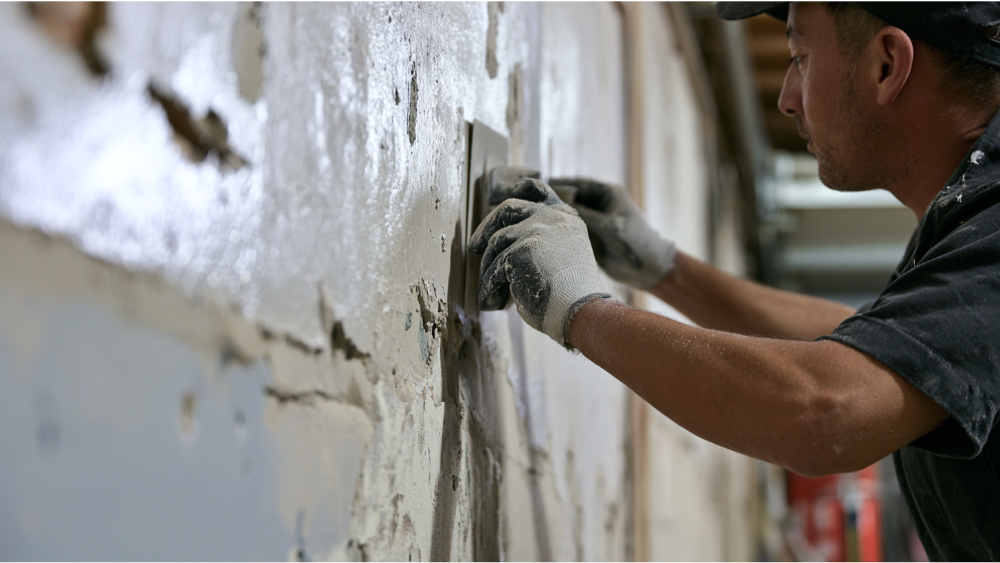
This is where the job is won or lost, and it's the part most garage paint articles skip. These preparation steps happen in order:
- Clean and degrease every surface, including the dust film on drywall nobody ever washed.
- Repair drywall damage, and handle rot repair on soft trim or framing before anything gets coated.
- Sand or profile where the existing finish is glossy or chalky.
- Prime bare drywall and porous masonry, which drink paint and flash unevenly without it.
- Seal water or rust stains so they don't bleed back through the topcoat.
- Remove failing coatings rather than bridging over them.
- Stay inside one manufacturer's system instead of mixing primer and topcoat lines.
Premium products and a five-year exterior warranty only mean something when the surface underneath was prepared to hold them. Damaged wood, trim, and siding around the garage should be repaired in the same engagement, not painted over and rediscovered in two years.
Garage Floor Color and Coating Considerations
Medium gray and mixed neutral colors are the most forgiving floor choices. Very dark floors show dust; very light floors show tire marks and oil stains. Solid colors reveal more than a decorative flake blend, which hides everyday dirt in the pattern.
The distinction readers rarely get: concrete floor paint, epoxy-fortified paint, and true multi-component epoxy or polyaspartic systems are not interchangeable in prep, durability, or cure time. The industry measures required surface texture on the ICRI Concrete Surface Profile scale (CSP 1 through CSP 10), and capillary moisture should be assessed before coating per ASTM D4263-24. Moisture, an inadequate profile, and fluctuating temperatures during cure are what make floor coatings peel.
What About Garage Door Color on Your Home's Exterior?

A garage door can occupy as much as 30% of a front elevation, so its color drives curb appeal about as much as the siding does. Charcoal gray hides road dirt and adds depth. Matte black suits modern homes, navy blue fits traditional and Cape Cod styles, and sage green sits well against stone and beige siding. Painting the door the same color as the body creates a seamless transition and lets the front door lead instead. A wood door takes stain and paint differently than a steel one, and the prep differs too.
Which Garage Color Trends Are Worth Following?
Trending colors lean toward warm neutrals, deep charcoals, and soft greens, and creamy white has largely replaced stark white on ceilings and trim. A fresh coat in any of them will look current. Still, color trends move faster than paint wears, so pick the right color for how you use the space and let cabinets and accents carry the modern feel. Repainting a cabinet door is easier than repainting a garage.
Safety Notes Before You Start Painting a Garage
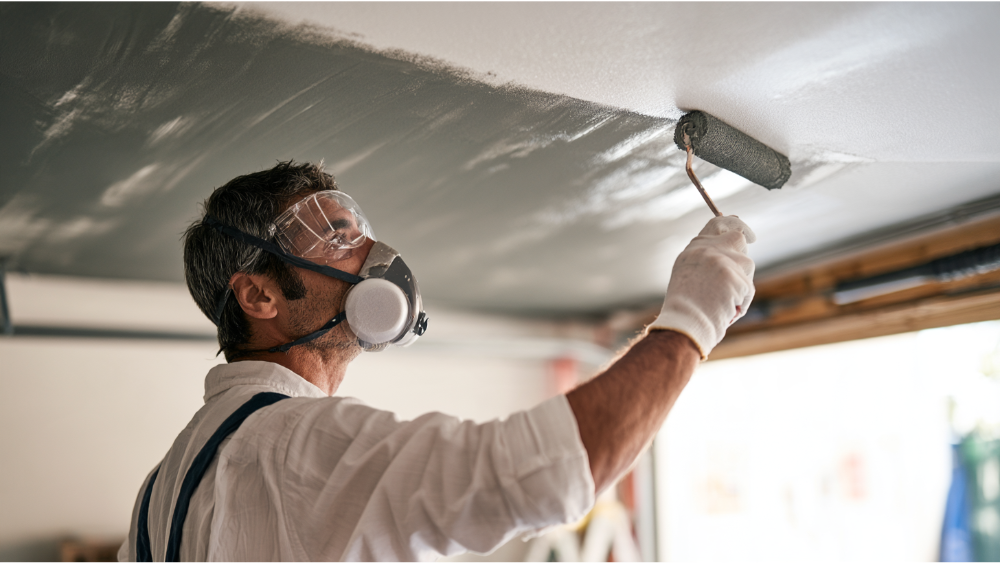
The EPA reports that several organic pollutants average two to five times higher indoors than outdoors and recommends increasing ventilation while using products that emit VOCs. EPA also cautions that "low-VOC" does not mean non-toxic. Read the label and safety data sheet, ventilate during application and curing, and keep children and pets out for the period the label specifies.
Homes built before 1978 may contain lead-based paint, and EPA's RRP Rule generally requires paid contractors disturbing those surfaces to be certified in lead-safe work practices. We're EPA Lead-Safe (RRP) Certified. Leftover paint goes to your local household hazardous waste program, and if you're altering unfinished attached-garage walls or ceilings, confirm locally adopted code requirements first.
When Is It Worth Bringing in a Professional?
- Unknown or peeling existing coatings
- Bare masonry or long runs of unfinished drywall
- Suspected concrete moisture or adhesion problems
- Oil-contaminated, cracked, or spalling slabs
- Rot, failed trim, or water intrusion
- Tall walls or awkward ceiling areas
- Possible lead-based paint
- A project combining walls, trim, doors, repairs, and a floor coating
You shouldn't have to line up a carpenter, a siding crew, and a painter to finish one garage. Rot repair, carpentry, and painting belong in one relationship.
What We Look At Before Painting a Garage
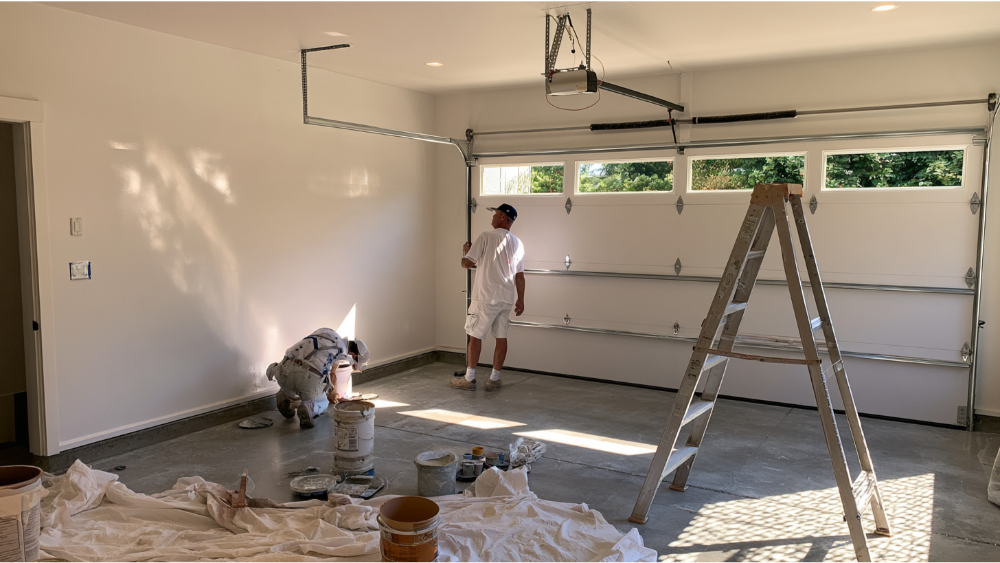
At Cover Pro, we don't look at a garage as simply a room that needs a coat of paint. During an estimate, we're looking at the condition of the walls, trim, doors, and other surfaces, along with any repairs or prep that may need to happen first. Garages often have a mix of drywall, wood, masonry, metal, and concrete, so the right approach can vary quite a bit from one project to another.
If we find damaged trim, rot, water intrusion, or other repairs that need attention, we can address those as part of the project rather than simply painting over them and hoping they don't come back.
What we commonly find in garages: The paint itself is rarely the only issue. We've seen garages where the walls are in decent shape but the trim has rot, where old paint is peeling because of moisture, and where years of storage, dust, grease, and general wear require much more preparation than the homeowner expected. That's why we look at the condition of the entire space before recommending a paint system.
Frequently Asked Questions
What is the best color to paint a garage?
Light neutral walls with a white ceiling is the most reliable default, because they reflect light and make the space feel larger. Add a darker lower band or a single accent where scuffs actually happen.
How many gallons of paint do I need for a 2-car garage?
Measure your wall and ceiling square footage, then check the coverage stated on the product label. Add material for primer on bare drywall or porous masonry. Heavy texture and a big color change both increase what you'll need.
What type of paint is best for a garage?
A quality acrylic latex rated for interior use on your specific substrate, in satin or semi gloss, handles walls and ceilings. Masonry needs a primer made for porous surfaces. Floors are a separate category entirely.
Is it better to spray or roll garage paint?
Spraying covers large open walls, block, and ceilings quickly. Rolling gives more control and far less masking in a garage packed with stored belongings. Many jobs use both, and the finish is decided by the prep either way.
Start With a Free Estimate
A free estimate tells you exactly what surface preparation, repairs, colors, and coatings your garage project will involve, and what you'll invest, before anything starts. Every project includes a color consultation, and painting, rot repair, siding, and carpentry are handled by one licensed, bonded, and insured team out of our Edgewood, WA home base. Call 206-222-0435 to schedule. Don't see your city listed? Contact us to confirm service availability.
