



Front Door Paint: What to Use for a Clean, Long-Lasting Result
Key Takeaway
For most front doors, use a premium exterior acrylic or waterborne enamel made for doors and trim, in satin or semi-gloss. It handles the temperature swings, moisture, and UV a door takes daily, holding up far better than interior wall paint. The result depends less on color and more on your door's material, condition, and careful prep. Apply two to three thin coats.
What's the Best Paint for a Front Door? (Quick Answer)
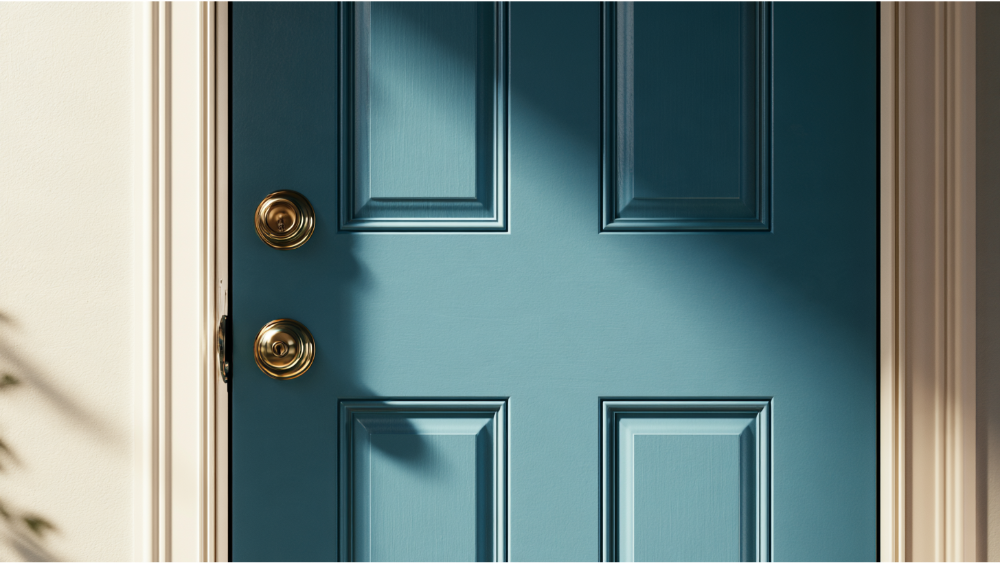
For most front doors, use a premium exterior acrylic or waterborne enamel made for doors and trim, usually in satin or semi-gloss. Exterior-grade front door paint handles the temperature swings, moisture, and UV exposure a door takes every day, and it holds up far better than interior wall paint. This guide is for homeowners who want a finish that lasts, not one that peels in two years. The result depends less on the paint color and more on what your door is made from, what shape it's in, and how carefully it's prepped. Material and the manufacturer's instructions come first. Everything else follows from there.
Start With What Your Front Door Is Made From
The paint and prep both change depending on the substrate, so identify your door before anything else.
- Wood: Needs dry, stable wood and the right primer. Moisture and rot are the main enemies.
- Steel: Needs a rust-inhibiting primer on any bare or repaired metal, then an exterior enamel. Painting over active rust won't hold.
- Fiberglass/composite: Durable, but some skins should not be sanded. Check the maker's guidance first.
- Factory-finished vs. previously repainted: A factory finish and an old DIY coat call for different prep.
One rule applies across all of them: the door manufacturer's current finishing instructions override generic online advice. Following them protects both your finish and your warranty.
Choosing the Right Front Door Paint for Durability
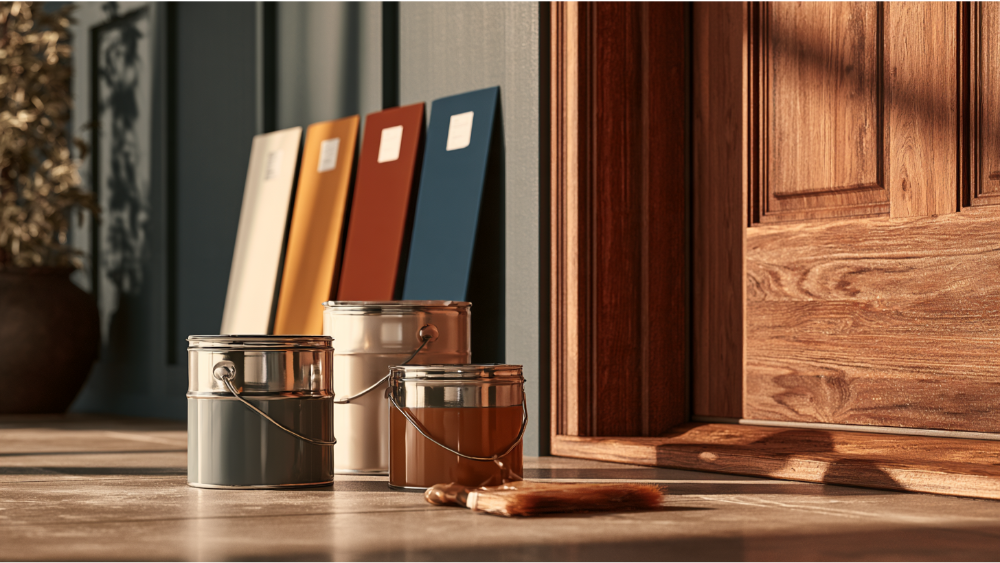
You don't need a specific brand name. You need the right performance category: a premium exterior door-and-trim paint built for weather, UV, adhesion, and block resistance on your substrate. A high-quality 100% acrylic exterior coating is a sound default for most current wood, steel, and fiberglass doors, and it's the kind of material that stands up over the long haul. Where you have bare or repaired metal, a compatible rust-inhibiting primer goes on first, and slick surfaces may call for a bonding primer. Wall paint is the wrong choice for a front door: it isn't built to flex, shed water, or stand up to constant handling. We use premium products to help ensure lasting performance on a surface this exposed to the elements.
Satin, Semi-Gloss, or High-Gloss — Which Sheen?
Semi gloss is the reliable default for a front door. It sheds rain, resists humidity, and wipes clean, which matters on a surface people touch constantly. A satin finish is the softer, more forgiving option: it hides minor surface flaws better, though it isn't quite as washable. High-gloss makes the biggest visual statement and holds up to frequent cleaning, but it shows every dent, sanding mark, and wave in the surface, so it only works over a genuinely smooth finish. If you want a deeper breakdown of sheen, see our guide to choosing the right paint and finish for doors.
Inspect the Door Before You Open the Can
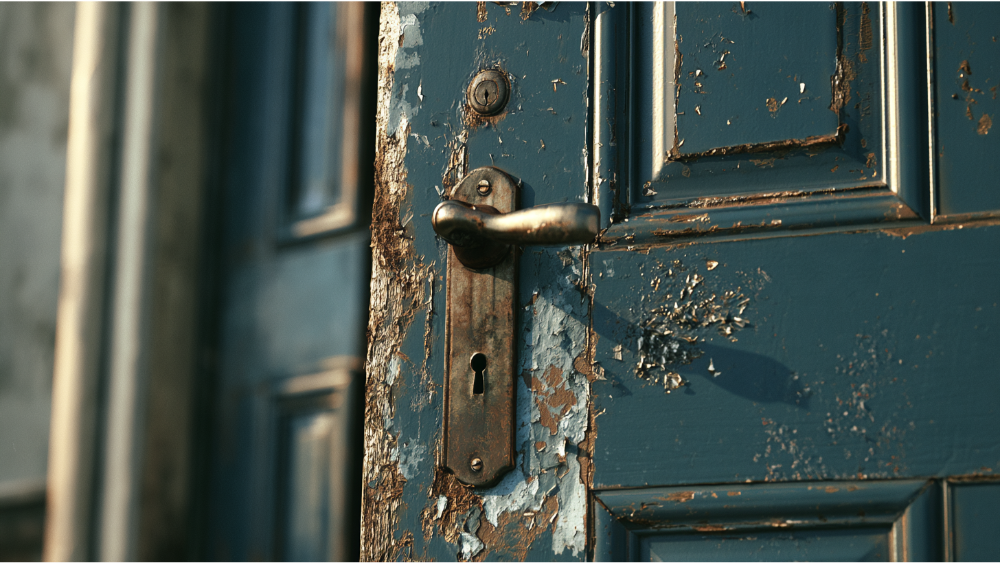
Paint hides color, not problems. Before any coating goes on, walk the door and frame and look for:
- Peeling or cracking paint
- Rust on a steel door
- Wet or swollen wood
- Rot in the slab, jamb, threshold, trim, or surrounding siding
- Failed caulk or signs of water getting in around the corners
Paint slows moisture movement, but it does not fix an active leak, rot, or rust. Coat over any of these and the new finish fails fast, usually right where you can see it. If the jamb, threshold, trim, or nearby siding needs rot repair or carpentry, those issues can be addressed before painting begins. Having both repairs and painting handled by the same team helps ensure the underlying problems aren't overlooked.
When Does a Front Door Need Primer?
Primer isn't automatic. Sanding and priming create grip and longevity where it's actually needed. Prime when you have:
- Bare wood
- Tannin or stain bleed (common on some woods)
- Bare or repaired metal
- A major door color change
- A slick or incompatible existing coating
An intact factory-primed steel door that's being finished promptly per its instructions may not need another full primer coat. When in doubt, a high-adhesion primer is cheap insurance for a finish that has to hold.
Manufacturer and Warranty Checks Homeowners Miss

A few quick checks in the door manual can save a finish or a warranty:
- Can the fiberglass be sanded? Some fiberglass skins should not be sanded at all. Confirm before touching sandpaper to it.
- Must all six sides be finished? Some wood doors require the front, back, top, bottom, and both edges to be coated, and skipping edges can void the warranty.
- Is the paint color too dark? One maker defines a dark color as an LRV below 55 and limits coverage for certain constructions. Dark paint absorbs more heat, so factor in storm doors, overhang, and direct sun.
How to Paint a Front Door and Avoid Brush Marks
- Remove or carefully protect the hardware, including the hinges, so edges stay clean and don't peel later.
- Clean the door with a degreasing cleaner and let it dry.
- Scrape only the paint that's actually failing.
- Sand or degloss only where it's appropriate, using around 120-grit, and only if the door allows it.
- Make any repairs, then prime the areas that need it.
- Brush the panels and detail the edges, then roll the flat sections with a 1/4-inch nap roller.
- Keep a wet edge as you go, and apply two to three thin coats rather than one heavy one to prevent drips.
To avoid brush marks: thin coats, a quality brush, and that wet edge do most of the work and give you a smooth finish. A helpful tip is to never paint in direct sun, which dries the surface unevenly. Moderate temperatures give you the cleanest result, and the manufacturer's coating system always takes priority over any general sequence.
Dry Time vs. Cure Time (Don't Close the Door Too Soon)
There are four distinct stages, and they aren't the same thing. Touch-dry means the surface feels dry. Recoat is when it's ready for the next layer. Safe-to-close is when the paint resists blocking, the failure where fresh paint ends up sticking to the jamb or weatherstripping and tears when you open the door. Full cure is when the film reaches full hardness. A common guideline is to wait at least 24 hours before closing, but the product's Technical Data Sheet controls, not a universal rule. Plan your weatherstripping and home security around the actual closing time, not the touch-dry time.
Front Door Paint Colors, Personal Style, and Curb Appeal
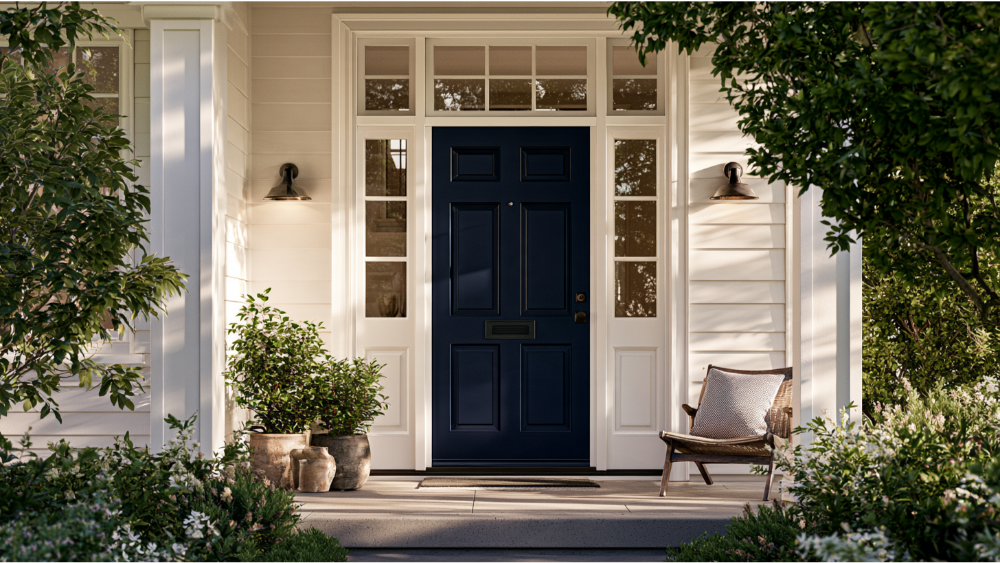
Pick a paint color that works with the fixed elements of your house: roofing, brick, stone, siding, trim, and hardware. Those aren't changing, so the door should complement them. On a home with neutral siding and white trim, the door is often the one spot where you can add real character. A little contrast makes the entryway read as a clear focal point. When you compare door paint colors, think about the look you're after. A bold front door's color draws the eye, while a quieter neutral keeps things understated. Saturated reds and warm yellows feel welcoming, and a soft yellow brings light to a shaded entryway. A cheerful coral or clay tone adds warmth, a classic deep red never dates, and a rich, deep green brings a calm, grounded feel. Deep navy and near-black shades read modern, while a traditional barn red or forest green leans timeless. The right shutters and landscaping tie it all together, and the surrounding texture of stone or brick can push you toward a warmer or cooler hue. Balance your own personal style against something that will still look right in ten years. A fresh, well-applied door color gives the whole entry new life and a more polished, inviting feel. Every project includes a free color consultation, so you don't have to commit blind.
Seattle-Tacoma and Washington Considerations
Our climate makes timing part of the job. Homes surrounded by the damp Sea-Tac air take a beating, and the 1991-2020 normals show 39.34 inches of annual precipitation across about 156.2 days with measurable rain, with July the driest month. You want a genuinely dry application and cure window for your exterior paint, not just a preferred weekend. Dry wood matters too: 9% to 14% moisture content is the desirable range, and painting wood above 20% invites blistering and peeling. Give the paint the space it needs to set up before the next rain rolls in, and let a vibrant finish fully harden around the windows and trim.
If your house predates 1978, lead safety applies. The EPA's Renovation, Repair and Painting Rule covers disturbing painted surfaces in most pre-1978 homes, with minor-work thresholds of 6 square feet interior and 20 square feet exterior. Cover Pro Painting is EPA Lead-Safe (RRP) Certified. Washington homeowners can verify any contractor's registration, bond, and insurance through L&I, and leftover latex paint in containers of five gallons or smaller can be dropped at a PaintCare site.
When to Hire a Professional
Some front door jobs are worth doing yourself. Others aren't. Call a pro when you're after a high-gloss finish, facing significant peeling or an unknown coating, working on a pre-1978 door, or dealing with rot, rust, siding, or carpentry around the opening. Hard-to-remove doors, sidelights, and complex trim also go faster and cleaner with an experienced crew. Thorough surface prep is what makes a finish last, and that's where we lead. As a licensed, bonded, and insured Washington contractor, we offer full-service repair capabilities, transparent estimates, and a 3-year workmanship warranty on exterior painting. That means we can address the preparation and repair work that helps a new finish last, not just apply the paint.
Get a Lasting Front Door Finish From a Team That Preps It Right

Cover Pro Painting is based in Edgewood, WA, serving the greater Seattle-Tacoma region with interior and exterior painting plus rot repair, siding, and carpentry. Start with a free estimate and a clear scope, backed by our 3-year workmanship warranty on exterior painting, so you know exactly what your project involves before work begins. Don't see your city listed? Contact us to confirm service availability. Get My Free Painting Estimate by calling 206-222-0435.
Frequently Asked Questions
What kind of paint do you use on a front door?
A premium exterior acrylic or waterborne enamel made for doors and trim. Match the coating and primer to your substrate, and follow the door maker's finishing instructions, which take priority over any general advice.
What are the three colors not to paint your front door?
There's no universal list of banned door paint colors. Be cautious with very dark colors that trap heat or fall under a warranty's LRV restriction, and avoid any shade that clashes with fixed features like brick, stone, or roofing or hurts the door's visibility. Check your door warranty before committing to a very dark hue.
Which paint is best for a front door?
A premium 100% acrylic exterior latex or waterborne enamel in satin or semi-gloss, chosen for UV and moisture resistance. Grade matters, but prep is what decides how long it lasts.
Do I need to prime my front door before painting?
It depends. Prime bare wood or metal, repairs, a major color change, or a slick existing coating. An intact factory-primed door finished promptly per its instructions may not need another full coat, and a high-adhesion primer is a safe call when you're unsure.
