
%201.svg)


Choosing the Right Paint and Finish for Doors
Key Takeaway
For most doors, choose a door-and-trim enamel in satin or semi gloss, with semi gloss as the reliable default recommended by the Master Painters Institute (G5, 35-70 gloss units) for its durability and cleanability. Choosing the right paint and finish for doors also means matching the product to the material, whether wood, fiberglass, steel, or MDF. Prep always comes first: a properly cleaned, primed, and sanded surface is what makes any finish last for years instead of two.
What Paint and Finish Should You Use on Doors?
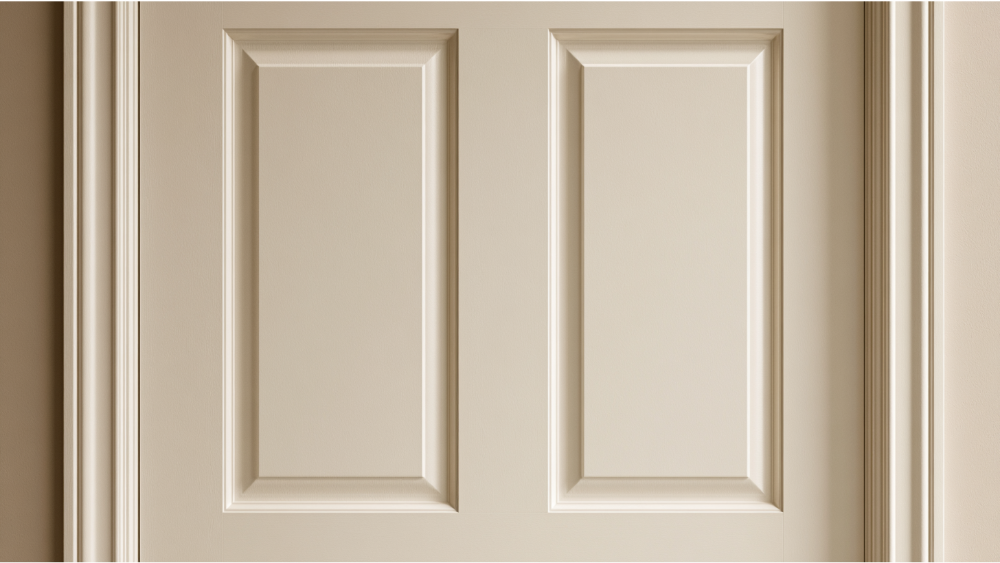
For most doors, use a durable door-and-trim enamel (a waterborne alkyd or acrylic enamel) in satin or semi gloss, with semi gloss as the safest default. Doors are high-touch surfaces, so they need a harder, cleanable paint finish that stands up to hands and daily wear. Exterior and front doors need an exterior-rated coating and careful surface prep so the paint protects against moisture and sun, not just changes the color. If you're a homeowner deciding on a door project and you want a finish that lasts, the right answer depends on where the door is, what it's made of, and how well it's prepped. Think of it as a coating system, not a can of color.
Why Doors Need Different Paint Than Walls
Walls mostly need coverage and easy touch-up. Doors take a different kind of abuse: hands, oils, fingerprints, scuffs, the occasional shoulder or dog, and regular cleaning. Exterior doors add weatherstripping friction and constant contact with the jamb. That's why flat or matte wall paint fails on a door: it marks easily, won't wipe clean, and shows every scuff. A matte finish paint holds up fine on walls and ceilings, but on a door it can't take the handling. A door needs a paint finish with more hardness and cleanability, which is exactly what a higher sheen and a true enamel deliver. The sheen isn't a style choice alone here. It's what lets the surface shed dirt and survive being touched dozens of times a day, and it's why door paint and wall paint aren't the same product.
Interior Doors and Trim: Best Paint and Finish

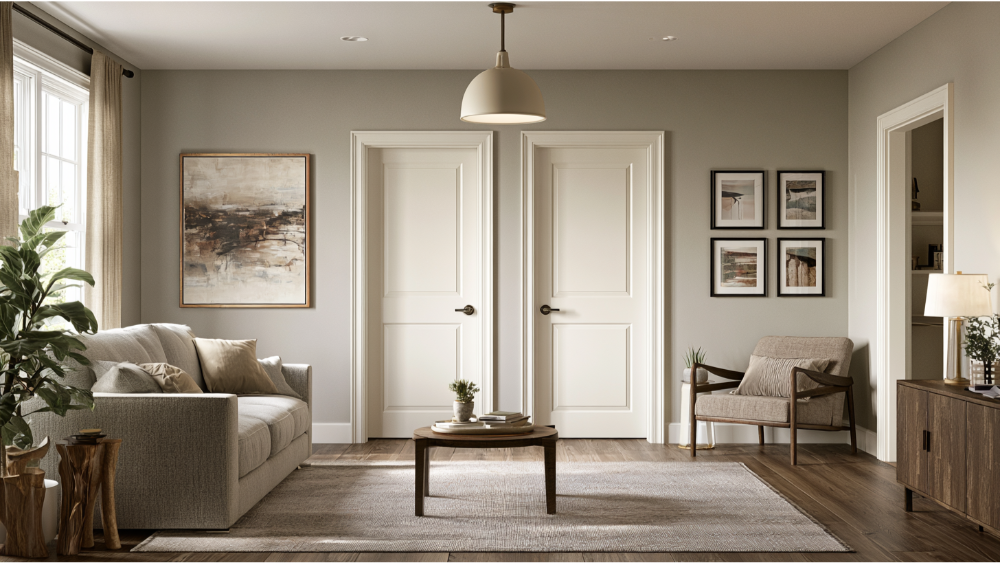
Default to a satin or semi gloss interior door-and-trim enamel. A semi gloss finish is the choice for maximum durability and easy cleaning, which makes it a natural fit for a kitchen, a bathroom, a kid's room, and any high-traffic door. Satin gives a softer, less reflective look and hides minor imperfections better on older doors, and it's still cleanable, which is why it's a popular choice for a bedroom door. The same finish works well when you're painting interior doors and the surrounding trim together so the whole room reads as one clean result. When you want the trim and doors to match a busier space, choose semi gloss for the extra cleanability.
Waterborne alkyds and acrylic enamel both lay down smooth and dry to a durable finish, with the low odor and water cleanup of a modern product. Satin paint and satin finishes sit a step down in sheen and still wipe clean, so they suit a quieter door. A quick guide to sheen for interior doors:
- Semi gloss: bathrooms, kitchens, kids' rooms, busy hallways.
- Satin: bedrooms, older or slightly imperfect doors, a softer appearance.
- Avoid flat or matte: flat paint won't clean up and shows every mark.
Exterior and Front Doors: Best Paint and Finish
Exterior doors call for an exterior-grade acrylic or enamel coating in satin or semi gloss, chosen for the look you want and the condition of the surface. Frame this as protection plus curb appeal, not color alone. An exterior coating is built to handle UV, moisture, and the temperature swings that make a door expand and contract, so it needs enough flexibility to move without cracking. Interior and exterior products aren't interchangeable for this reason.
In the greater Seattle-Tacoma area, exterior doors face real moisture and seasonal weather, so moisture-aware prep and any needed repair have to happen before paint goes on. Sealing water or rot under a fresh coat is how a front door looks great for a season and fails soon after.
How to Choose the Right Sheen: Flat Paint to High Gloss Paint

Sheen decides how durable, cleanable, and forgiving the paint finish is. The Master Painters Institute measures gloss in units and defines the common levels, and it specifies G5 semi gloss as the default for doors and trim, frames included, inside and out. Higher gloss means more stain and scuff resistance, but it also highlights every dent, brush mark, and prep flaw, so a shiny door only looks good over flawless prep. The trade-off is simple: more sheen buys you durability and cleaning ease, but it also asks more of the surface underneath. A subtle sheen like satin is more forgiving of surface imperfections than the brighter options.
An eggshell finish and flat paint belong on walls. On a high-touch door they mark up and won't wipe clean, so we steer away from them. High gloss paint sits at the other end: it's the hardest, most washable option, but high gloss finishes turn every flaw into a shadow, so we only reach for high gloss when the prep is genuinely flawless.
How to Choose Paint by Door Material, Including Wood Doors
The right primer and coating depend on what the door is made of. Getting this wrong is a common cause of peeling and adhesion failure across different surfaces.
- Wood: check the condition, sand, and prime bare wood. Wood doors move with humidity, so address any moisture or rot before paint and pick a product with enough flexibility to move with them.
- Fiberglass: use a bonding primer and a compatible coating so the paint actually grips a slick surface.
- Steel or metal: handle rust and dents first, then use a compatible metal primer.
- MDF: seal the exposed edges. They soak up moisture and swell if left bare.
- Previously painted: scuff-sand and check adhesion before recoating.
- Stained or clear-coated: degloss and prime properly so paint has something to bond to.
Oil based paint is still an option, but it dries slower with a stronger odor and can yellow over time. Water based paints have largely closed the gap, and a waterborne alkyd or acrylic enamel usually gives a smoother finish with easier cleaning, better color retention, and comparable durability on doors and trim. Benjamin Moore Advance is one example of a waterborne alkyd many painters like for this kind of work.
Prep Is What Makes the Finish Last
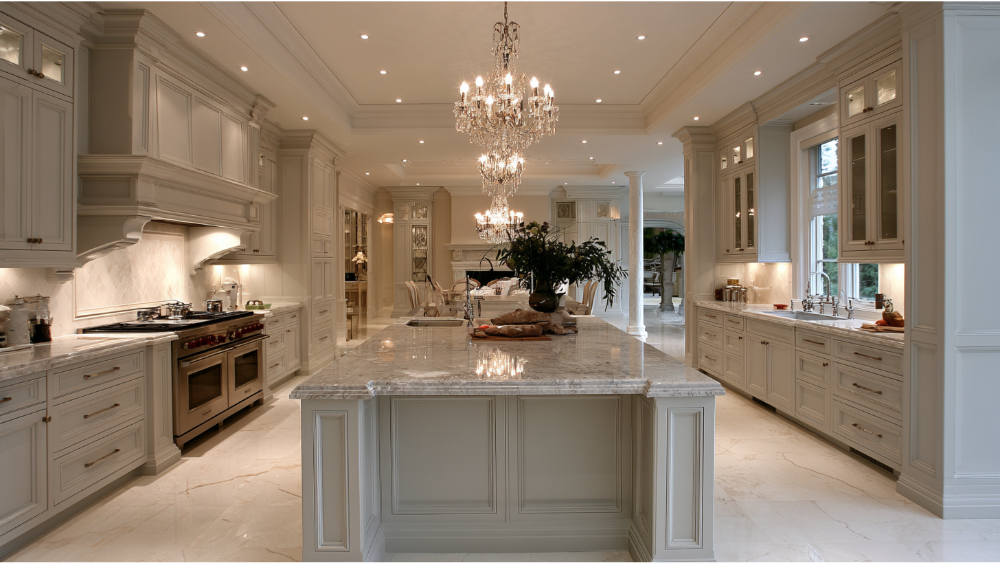
Paint quality only shows when it goes on a dry, clean, properly prepared surface. On a smooth door, brush marks, dust nibs, and raised grain show badly, so the prep is what makes the finish look smooth in the first place. Skipping it is what separates a job you redo in two years from one that holds.
- Clean off oils, grime, and residue.
- Remove loose or failing paint.
- Sand or degloss for adhesion.
- Fill dents and caulk the gaps that should be caulked.
- Prime where the material or repair needs it.
- Sand lightly between coats.
- Let each coat dry and harden per the manufacturer's directions before the next.
For exterior wood, moisture content matters. Wood that's too wet (outside the roughly 7 to 14 percent range for exterior wood, depending on region) won't hold paint, and the coating lifts as it dries out. The same discipline applies to the trim and jamb around the door, since those surfaces weather right alongside it.
Choosing a Paint Color That Lasts
Deep, bold colors like black, navy, and deep red often need three or more finish coats over primer to hide evenly, and they can mark and lose shine faster in high traffic spots. A glossy dark front door looks striking, but only if the prep underneath is right, because gloss magnifies every flaw. Paint color drives curb appeal, and product and prep decide how long that color holds up. If you're weighing options, a free color consultation makes it easier to land on a shade that suits the house and wears well on the door, the trim, and any adjacent interior spaces.
What About Cabinets and Built-In Millwork?
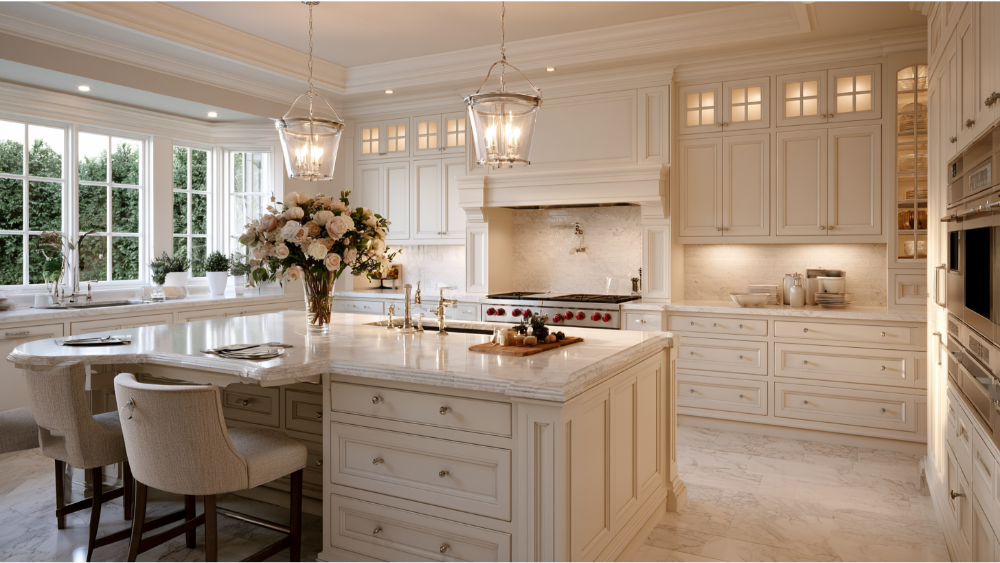
Cabinets follow the same logic as doors. They're touched constantly, wiped down often, and expected to look crisp for years, so a hard door-and-trim enamel in satin or semi gloss is the right call. Acrylic enamel and waterborne alkyd both cure hard enough to survive daily cleaning on cabinets, drawer fronts, and built-in millwork. Fine architectural details and profiles add dimension to a room, and a clean coat that follows those lines is what makes them read as crisp. The prep matters even more here because the surfaces are so visible: degloss, prime, and sand between coats, or the finish telegraphs every shortcut.
Safety and Compliance Notes for Older and Commercial Doors
Pre-1978 homes: disturbing painted surfaces on old doors, frames, or trim can trigger EPA Renovation, Repair and Painting (RRP) lead-safe requirements. About three-quarters of housing built before 1978 contains some lead-based paint. The rule's minor-repair exclusion generally covers work disturbing 6 square feet or less inside a room, or 20 square feet or less outside, though door prep can exceed that. This isn't legal advice, but it's why older-home door work should be handled carefully. Cover Pro Painting is EPA Lead-Safe (RRP) Certified.
Fire-rated and commercial doors: in schools, offices, multifamily buildings, and garage entries, don't paint over rating labels or interfere with hardware. A covered label can require field recertification.
Low-VOC products: still need good ventilation during and after painting, especially in bedrooms, nurseries, dining rooms, and other occupied interior spaces.
When to Hire a Professional Painter
Some doors are past a quick DIY coat. Call a professional painter when you're dealing with peeling, sticking, swollen, rotted, or moisture-damaged doors, exterior doors with substrate damage, or older doors in a pre-1978 home. The same goes for a whole room of doors and trim, cabinets, millwork, or a commercial or HOA scope, and any time you want a smooth, sprayed-quality appearance with a clear scope up front. A pro can also help you pick the best paint and the best finish for each door across different rooms so the whole home reads consistently. You shouldn't have to seal rot under paint or juggle a carpenter and a painter on the same job. That's the point of full-service work: the repair and the finish are handled together.
Final Thoughts on Paint Finish: Choosing Well for Every Door
The difference between a door that stays crisp and one you repaint in two years usually comes down to two things: matching the right finish to the room and prepping properly underneath it. Semi gloss is the great choice for busy doors, satin is the better choice where you want a softer look, and high gloss is a statement reserved for perfect surfaces. Every material asks for its own primer, and every surface earns its result through prep. Get those calls right and easy maintenance follows for years.
Get a Free Estimate from Cover Pro Painting
Cover Pro Painting is a founder-led team based in Edgewood, WA, serving Federal Way, Tacoma, Puyallup, Kent, Bellevue, and surrounding cities. We lead with surface prep, use premium products backed by warranties, and handle rot repair and carpentry in-house if your door needs it, so nothing gets painted over that shouldn't be. Low-VOC, family-safe options are available, and you get a transparent estimate with a clear number before work starts. First-time customers receive 10 percent off, and 0% APR financing is available. Ready to move forward on your painting project? Get a free estimate or call 206-222-0435 and we'll walk the scope with you.
Frequently Asked Questions
What paint finish is recommended for doors?
A durable door-and-trim enamel in semi gloss is the reliable default, with satin as a solid alternative for a softer look. Both give the hardness and cleaning ease that a high-touch door needs, and both hold up far better than flat or matte wall paint.
Should interior doors be satin or eggshell?
Go with satin over eggshell on interior doors. Satin is more durable and easier to wipe clean, while an eggshell finish is really a wall finish that marks up on high-touch surfaces.
Should a front door be gloss or satin?
Satin or semi gloss is the most durable and forgiving choice for a front door. High gloss paint looks dramatic but shows every flaw and only works over flawless prep.
How long should door paint dry before closing the door?
Dry to the touch isn't the same as cured. Follow the manufacturer's directions before closing the door, or it can stick and block against the jamb and weatherstripping.
What if my door has peeling paint, rot, or moisture damage?
Address the substrate first. Repair the rot, dry it out, and prime before any paint goes on, because painting over the problem just seals in the failure. We handle that repair work in-house so it's part of the same project.
