
%201.svg)


Can You Paint Vinyl Cladding? A Professional’s Guide
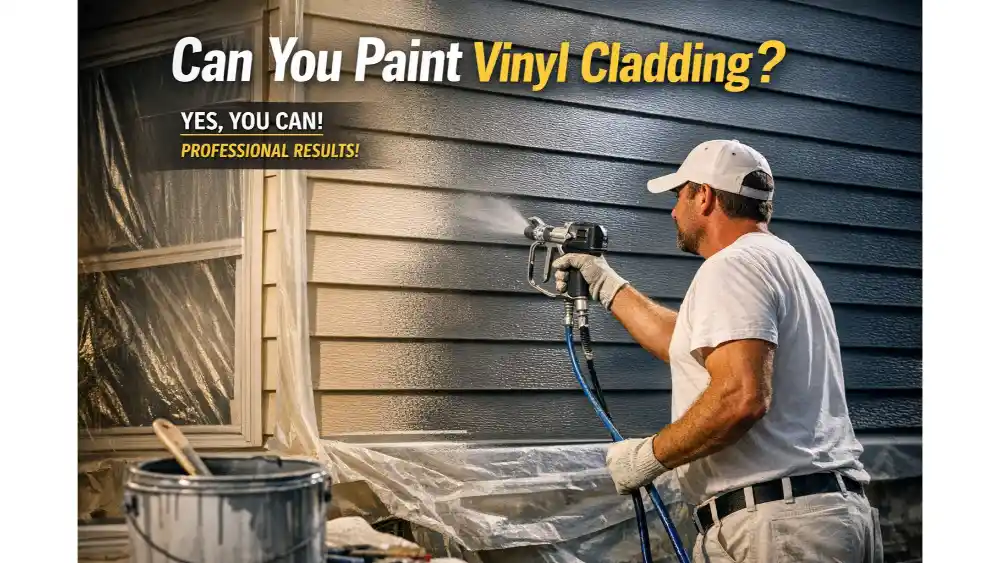
Key Takeaway:
Yes, you can paint vinyl cladding using the right vinyl-safe paint, proper surface preparation, and expert application methods. Industry advancements now make painting vinyl cladding both durable and cost-effective—especially when handled by professionals who understand material and climate challenges. Get practical tips, paint recommendations, and expert answers to help you protect and refresh your home’s exterior.
Introduction: Why Homeowners Ask ‘Can You Paint Vinyl Cladding?’
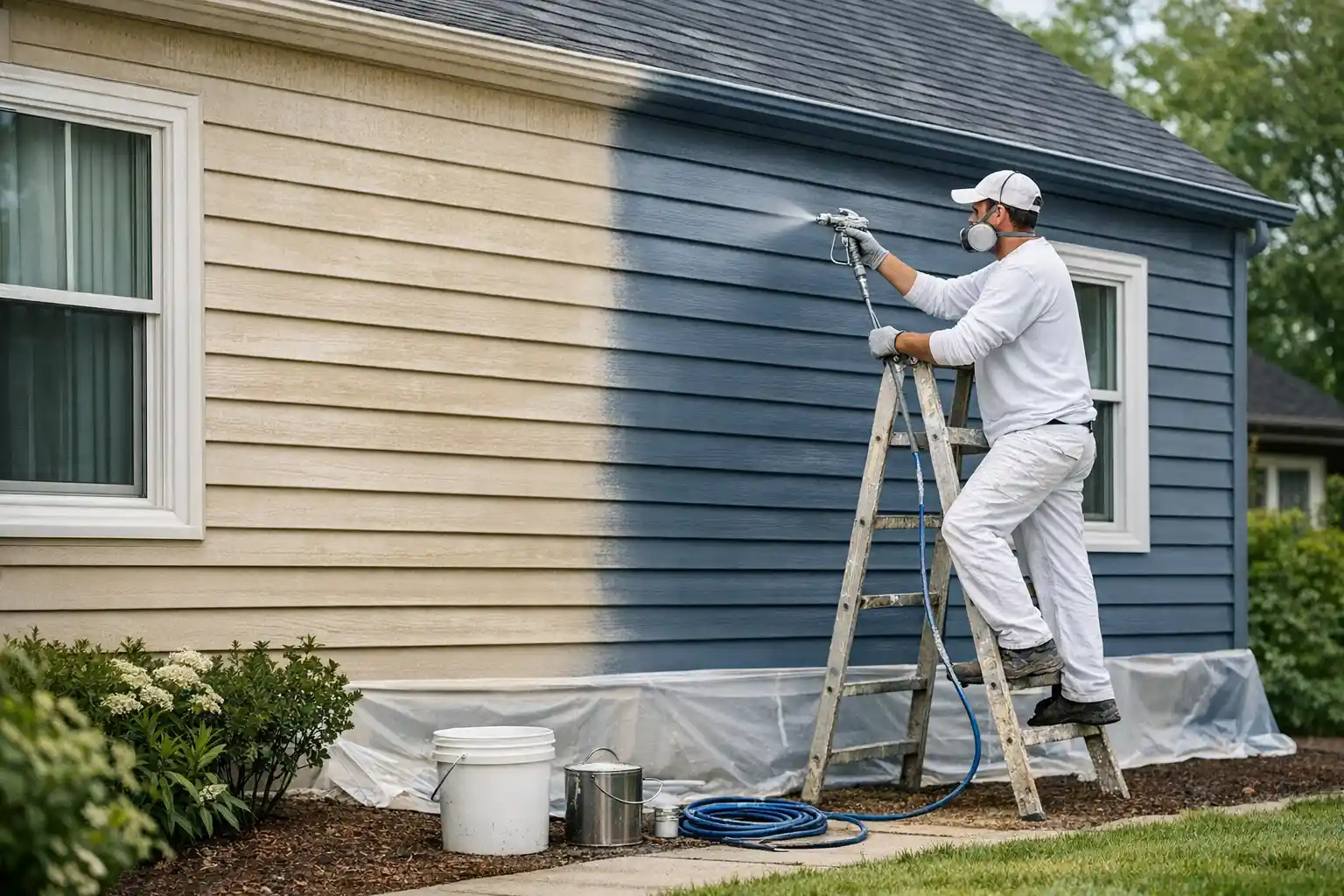
Vinyl’s Popularity and Appeal
Vinyl cladding has become a go-to choice for homeowners across North America. It’s affordable, requires less maintenance than wood or metal, and can withstand years of weather exposure. Vinyl’s uniform look can boost curb appeal and keep homes looking sharp, especially when paired with the right finish. But styles change, and vinyl cladding—like all siding—eventually shows its age.
Common Reasons to Consider Painting
Homeowners often wonder about updating faded, dated, or mismatched vinyl siding. Maybe the color has dulled, you've replaced sections and can’t get a perfect match, or you’re simply ready for a fresh, modern look. The big question comes up: Can you paint vinyl cladding safely? Will the results hold up?
Can You Paint Vinyl Cladding? Short Answer Upfront
Yes, you can paint vinyl cladding when you use the right products (vinyl-safe paint and specialty bonding primer) and proper preparation methods. Results can last 8–10 years or even longer, especially with professional application.
Understanding Vinyl Cladding and Its Challenges
What Is Vinyl Cladding?
Vinyl cladding (or vinyl siding) is made from polyvinyl chloride (PVC), a durable plastic designed for exterior use. It performs well against moisture, but its surface isn’t naturally meant for paint to stick. That’s why using the wrong product or technique often leads to peeling or warping over time.
How Vinyl Reacts to Paint
Vinyl panels expand and contract throughout the year due to thermal expansion. This means the best paint for vinyl needs flexibility to avoid cracking or separating. Not all paints are up to this task; only vinyl safe paint products are engineered for ongoing flexibility and adhesion.
Risks of Painting Vinyl Without the Right Know-How
Painting vinyl without proper prep or with standard paints is risky: colors can fade, siding can warp (especially with dark colours), and paint may fail after just one season. That’s why preparation, material knowledge, and product selection matter so much for lasting, professional results.
Industry Advances: Paints Made for Vinyl
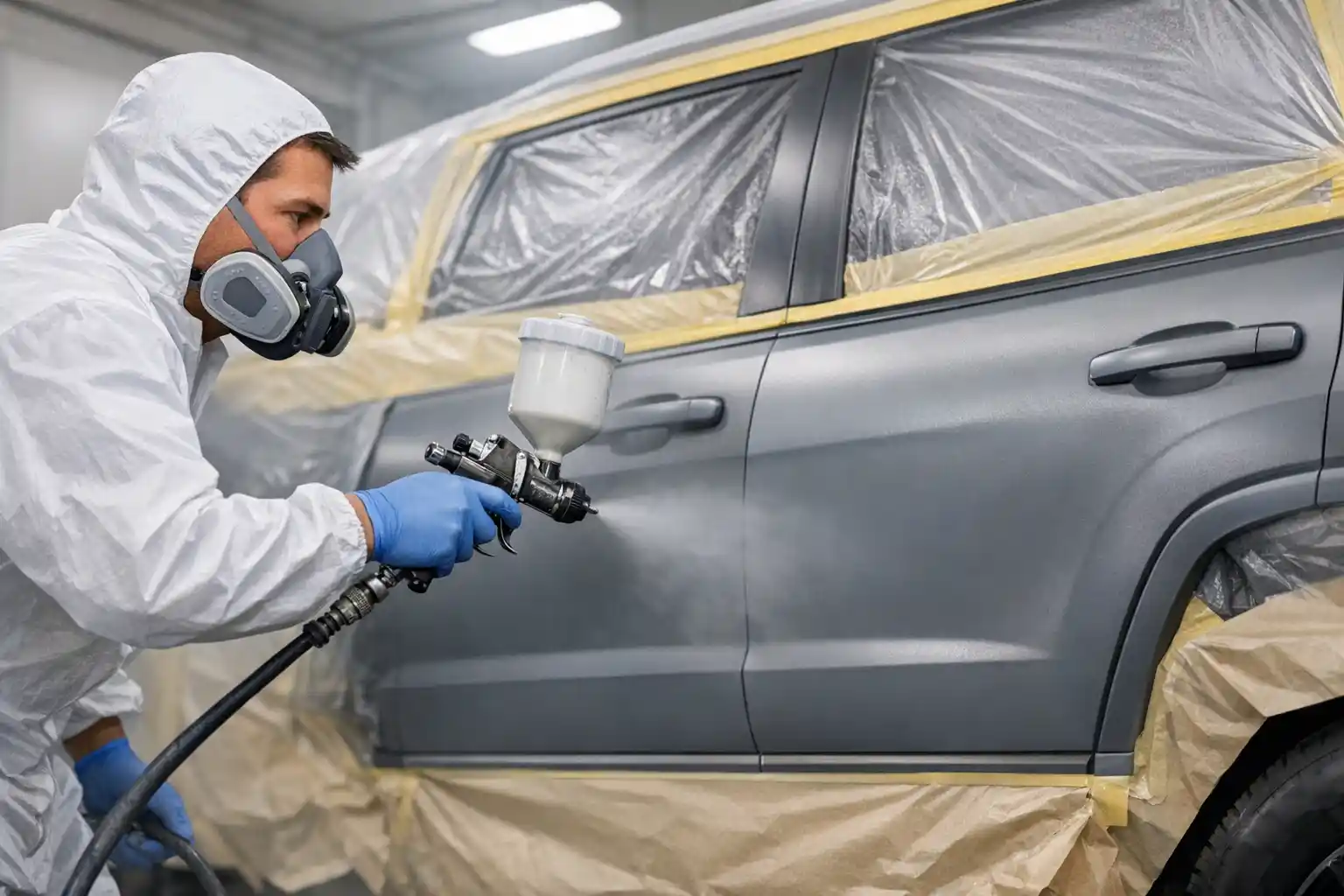
Specialty Paint Formulations (2026 Standards)
Modern vinyl paint formulations are designed to solve the classic problems of adhesion and flexibility. These products use acrylic resins blended for enhanced weather protection, UV resistance, and thermal movement. Brands continually improve these formulations—so the right paint is more than just paint, it’s engineered protection.
Major National Brands and Product Lines
Two of the most trusted lines for painting vinyl are:
- Sherwin Williams SuperPaint and Duration lines, both labeled as 'vinyl safe paint,' with a wide range of approved colors.
- Benjamin Moore Regal Select and Aura Exterior, also offering a dedicated palette for vinyl siding.
Manufacturers now provide vinyl safe paint lines with pre-selected shades that resist heat build-up—even when choosing what appears to be dark colours.
Key Features: Flexibility, Adhesion, UV Protection
The best paint for vinyl cladding combines high-quality acrylic binders with UV-blockers and mildewcides. These features help prevent color fade, cracking from temperature changes, and mildew growth. For tough adherence, a bonding primer or etch primer is often recommended, especially if existing walls are chalky or glossy.
Preparation: What It Takes to Get Vinyl Ready
Necessary Cleaning Steps
Every professional starts with a deep clean using mild detergent or sugar soap. For stubborn surface grime, a pressure washer (on a gentle setting) removes loose debris and chalky build-up. This step is non-negotiable—nothing ruins a paint job like hidden dirt.
Addressing Mold, Mildew, and Chalky Build-Up
If mildew is present, solutions with diluted bleach (or a specialty mildew remover) are used before painting. Mildew left behind will spread under new paint layers. Rough areas get lightly sanded for even coverage.
Repairing and Inspecting Cladding Before You Paint
Professional painters scan for cracks, loose panels, gaps, or warping. You don’t want to paint over hidden damage. All repairs—such as fixing fasteners or filling open seams—should be handled before the first coat.
Why Skimping on Prep Shortens Lifespan
Quick Tip: Most paint failures on vinyl siding can be traced directly to poor preparation: skipping cleaning, skipping sanding, or failing to repair damaged cladding. Proper prep is the single most cost effective way to make a fresh coat last.
Selecting the Right Paint for Vinyl Siding
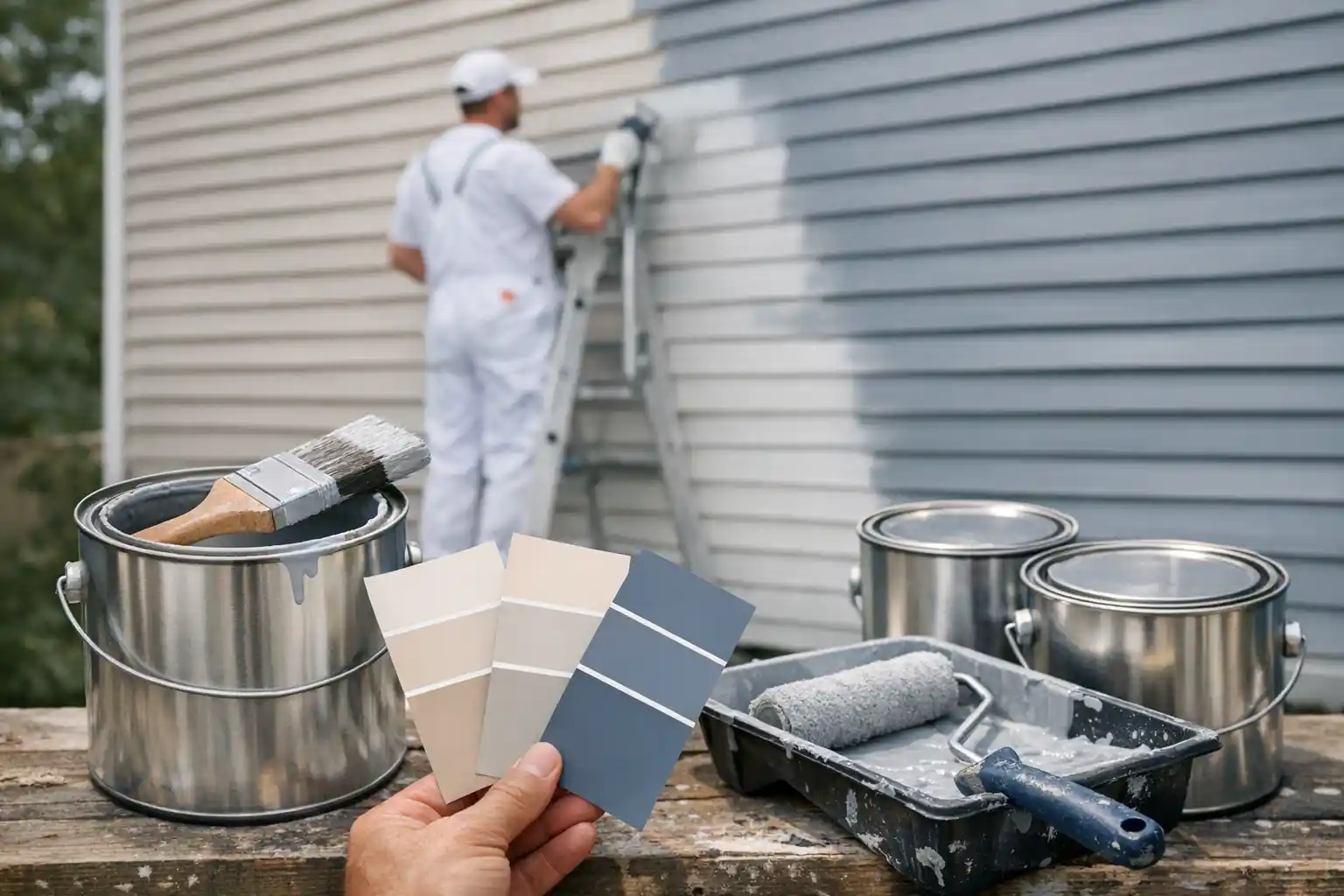
Primer: When It's Needed (and When It’s Not)
Vinyl often doesn’t need a primer if you use a vinyl safe, self-priming exterior paint. However, if existing walls are badly oxidized or have old, patchy finishes, using a bonding primer helps ensure professional results. For especially slick or chalky surfaces, an etch primer may also be recommended.
Choosing Paints Labeled “Safe for Vinyl”
Check for labels indicating ‘paint for vinyl’ or ‘vinyl safe paint’ when selecting your product. These formulations are tested for flexibility, heat resistance, and UV protection—all critical for siding.
Avoiding Common Paint Mistakes (e.g., Oil-Based Products)
Never use oil-based paints on vinyl cladding. Oil paints can become brittle, reducing flexibility and inviting premature failure. Always use 100% acrylic, water-based vinyl paint for best solution and durability.
Color Selection: How to Avoid Warping and Wasted Money
Why Not All Colors Are Safe for Vinyl
Vinyl expands and contracts with temperature changes. Painting with a much darker color increases heat absorption, driving up the risk of warped or buckled panels. Paint manufacturers combat this by developing colors that reflect sunlight and minimize this effect.
Heat Absorption: The Science Behind Warping
Darker paint absorbs more heat, causing vinyl to surpass its engineered max temperature. Even the best paint won’t prevent warping if you select a color that spikes surface temps.
National Paint Manufacturer Color Guidance
Brands like Sherwin Williams and Benjamin Moore offer vinyl safe color charts, which identify shades proven not to exceed safe temperature thresholds. These charts help you pick a lighter color or a shade within safe reflectance limits.
Practical Color Selection Chart for Homeowners
Always consult your paint brand’s vinyl color chart before final decisions. Paint stick samples help you visualize options on your home before full commitment.
How to Read LRV (Light Reflectance Value) Ratings
LRV measures how much light a color reflects (0 = pure black, 100 = pure white). Most vinyl-safe colors are LRV 55 or higher. Lower LRVs can spell trouble in hot sun exposure.
Is It Safe to Go Darker Than the Original Siding Color?
Quick Tip: Only choose a darker color than your original siding if the manufacturer’s chart specifically rates it as vinyl safe. When in doubt, stick with a similar or lighter hue to ensure weather protection and avoid voiding warranties.
Step-By-Step: Our Proven Vinyl Painting Process
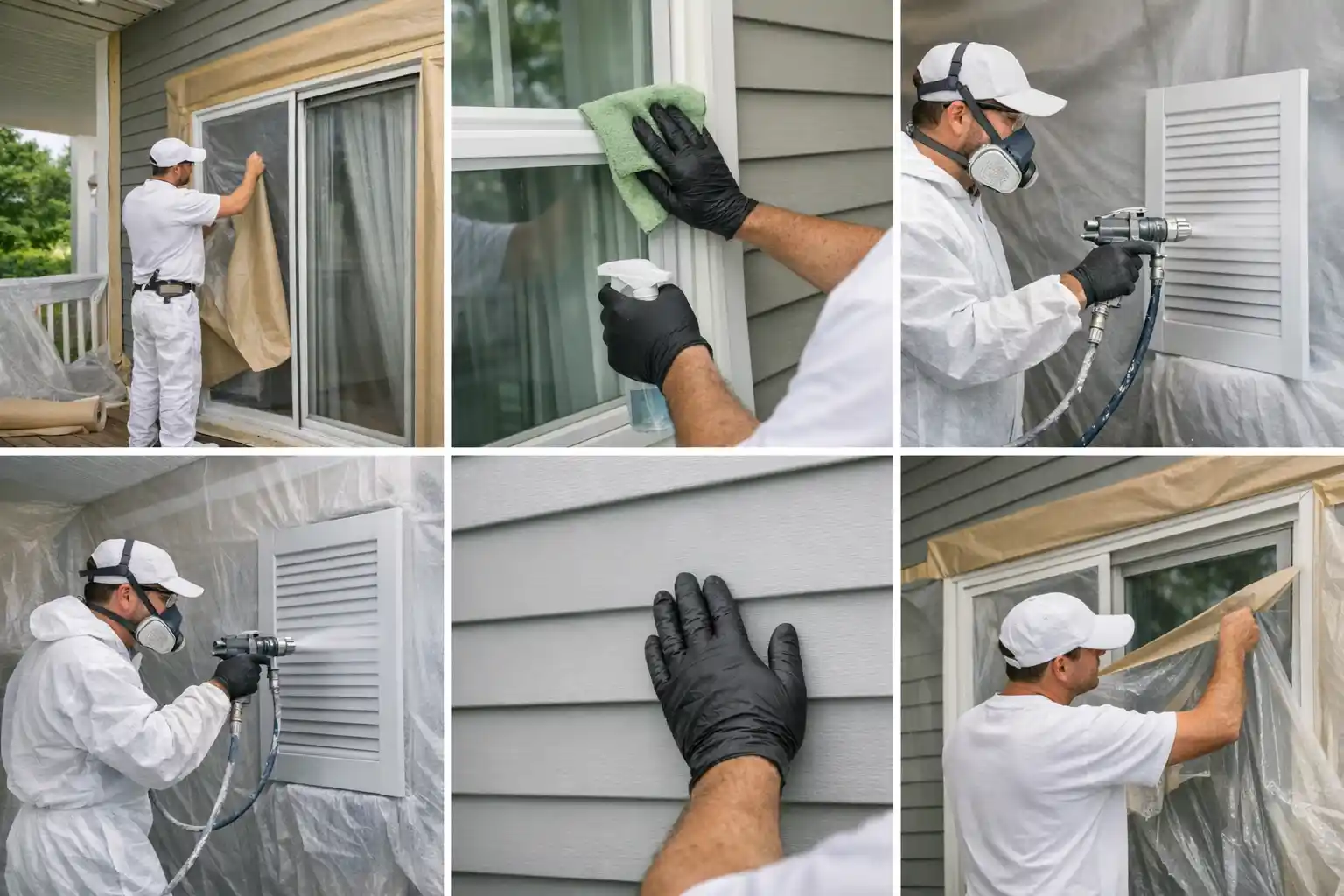
Detailed On-Site Assessment
Every project begins with a thorough evaluation. We check for surface integrity, past paint history, chalkiness, mildew, and thermal expansion patterns. Our proposals reflect honest assessment—no hidden surprises.
Masking and Protecting Non-Vinyl Surfaces
We use quality masking tape and drop cloths to protect landscaping, windows, doors, and other materials. Preparation also includes detaching fixtures if needed and shielding delicate trim.
Application: Spray vs. Back-Rolling Techniques
Most exterior painting pros apply vinyl paint by sprayer for even coverage, then back-roll with a soft roller to ensure a smooth, consistent finish. This also avoids creating lap marks and helps maintain a wet edge for a uniform look.
Drying and Curing Considerations
A fresh coat must dry completely, so we monitor temperature and humidity closely. Two coats are always applied, with generous time between coats for proper adhesion and longevity. Avoiding cold weather and damp days is key, especially in climates with frequent rainfall.
What Makes Puget Sound Different: Local Climate Factors
Rain Frequency and Cure Times
Projects in rainy climates like Western Canada and the Pacific Northwest face long dry times and risks of mildew. Scheduling around rain and dew is critical; paint that’s hit by moisture before curing can peel or streak.
Humidity, Dew, and Mildew Prevention
High humidity favors mildew. We use specialty exterior paints with mildewcides and recommend early-season painting to reduce risks. Pressure washing and sugar soap cleaning eliminate growth before work begins.
Why Professional Scheduling Matters Here
Unexpected weather can interrupt even the best-prepped jobs. Our experience helps us read forecasts and pick windows that work, maximizing your investment and reducing callbacks.
Extra Steps We Take at Cover Pro Painting
Quick Tip: Our crews always plan for extra cure time and build flexibility into project schedules to match our local weather. That means fewer headaches for homeowners, and a longer-lasting finish you can trust.
Care and Maintenance for Painted Vinyl Cladding
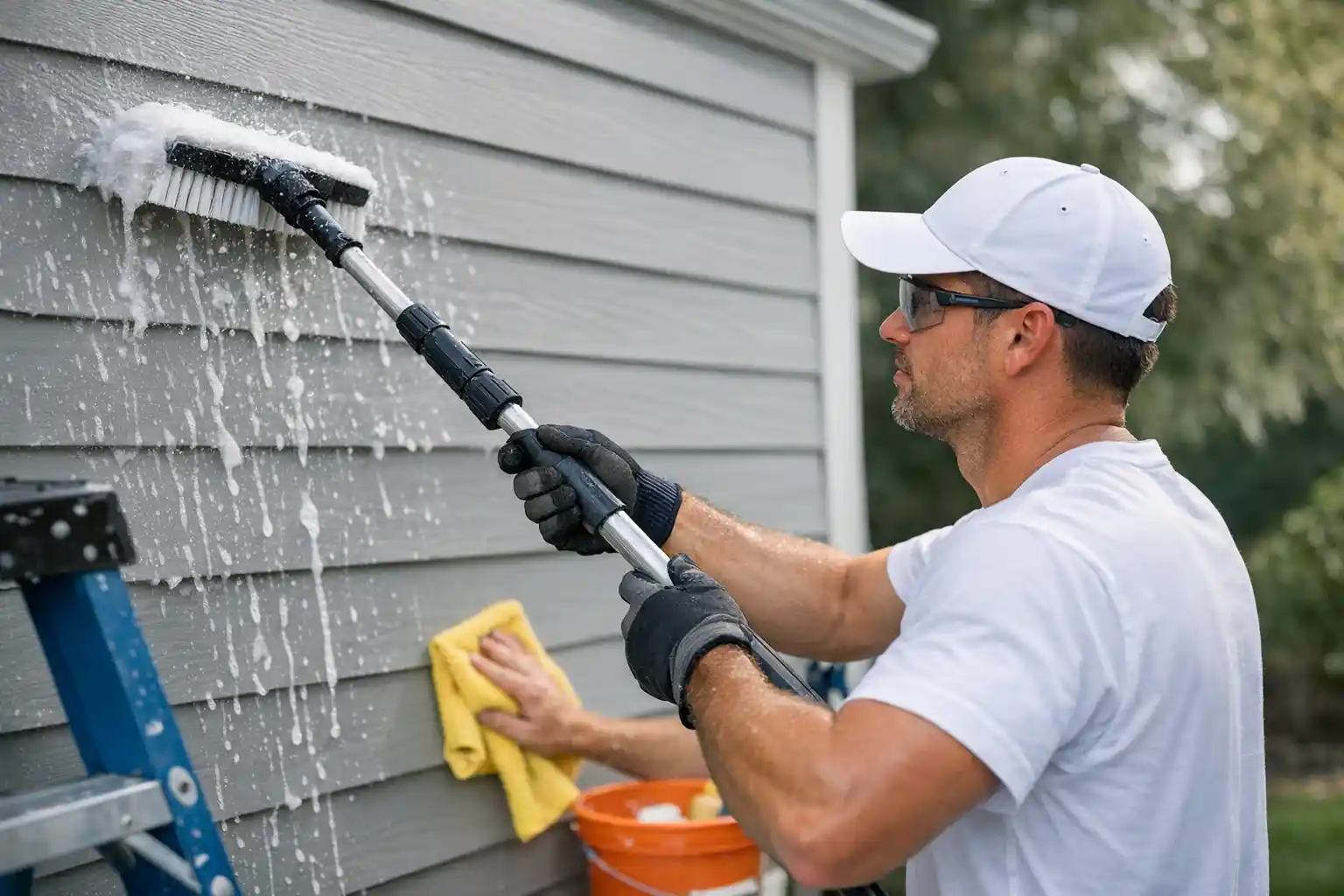
Cleaning Safely After Painting
Painted vinyl siding needs gentle cleaning—no harsh chemicals or abrasive tools. Use a soft brush and mild detergent. Annual rinse-downs keep it looking sharp without damaging your new finish.
Spot Touch-Ups and Longevity Tips
Even professional paint jobs encounter the elements. For small nicks, a dab of vinyl paint and a paint stick restore protection fast. Keep extra paint sealed in a cool spot for quick fixes.
Protecting Your Warranty and Investment
Professional results include long-term value, not just curb appeal. Honest surface prep, proper product selection, and routine maintenance all help extend your investment.
Our Five-Year Workmanship Warranty Explained
Our five-year workmanship warranty covers peeling, blistering, or cracking due to labor or materials—extra reassurance for your home’s exterior.
DIY vs. Professional: Who Should Paint Vinyl Cladding?
DIY Risks and Limitations
Tackling painted vinyl as a DIY project is possible but risky. Surface prep, selecting the right paint, reading weather, and working at heights all require skill. Missing even one step can shorten the lifespan of your finished coat or create expensive repairs.
Advantages of Professional Teams
Trained crews have tools (scaffolds, specialty sprayers, bonding primers) and the expertise to deliver even coverage and proper prep every time. Quality pros know to avoid painting in cold weather or damp mornings—and won’t skip safety steps.
What to Ask Any Painting Contractor
Always verify licensing, insurance, and recent project experience. Request a written proposal, clear scope, and ask about warranty—don’t settle for vague promises.
Questions to Cover During an Estimate
Quick Tip: During a free consultation, ask: “What paint and prep methods do you use for vinyl cladding? Do you follow manufacturer guidance for LRV and vinyl safe color charts? How do you handle issues if they arise later?”
Why Trust Cover Pro Painting for Your Vinyl Cladding Project?
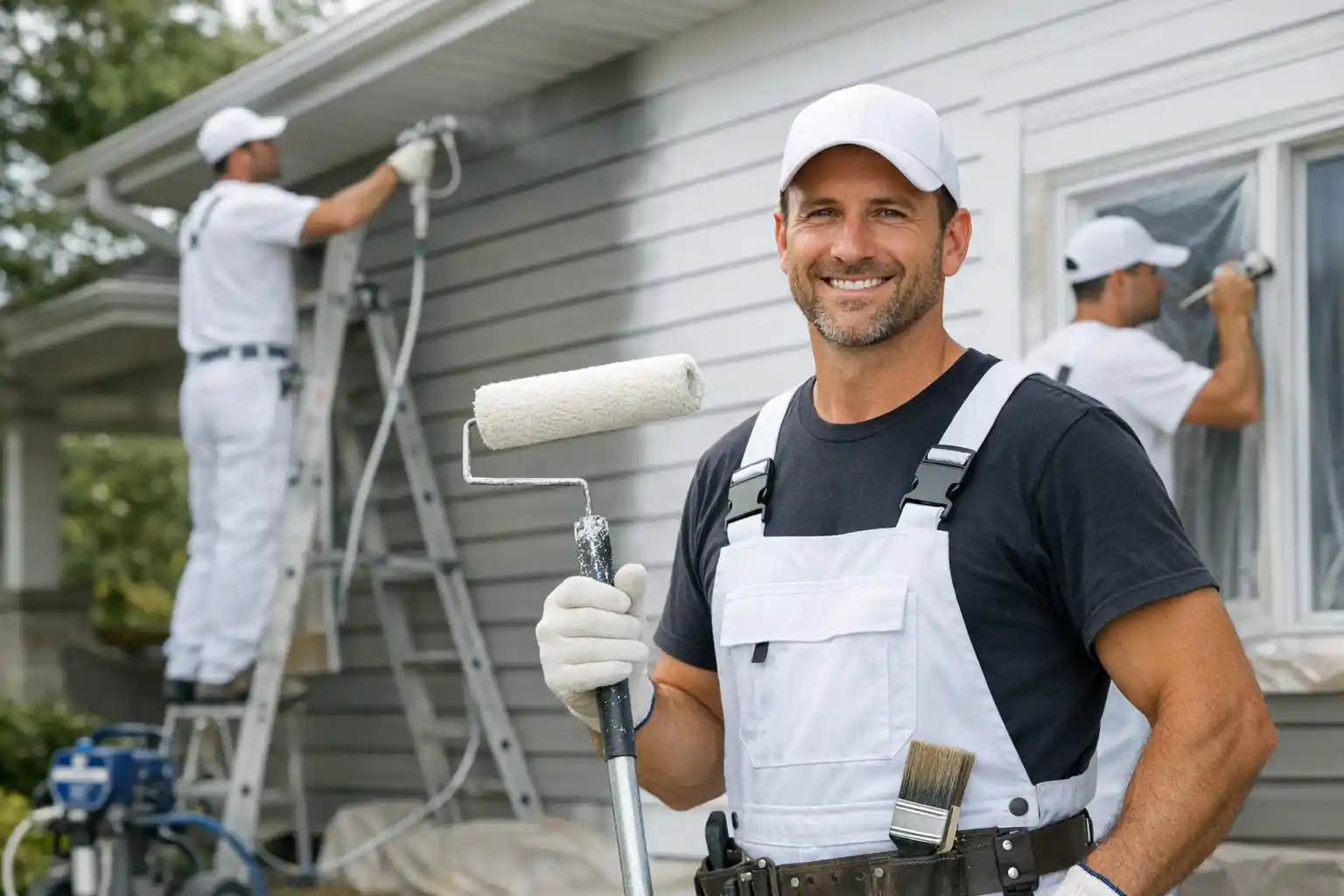
Our Local Experience and Licensing
We’ve helped hundreds of homeowners in the region update and protect their vinyl cladding. Our crews are licensed, bonded, and insured for every project. Our integrity is our calling card—you get detailed bids, honest advice, and zero pressure.
Clear Proposals and Honest Recommendations
We assess every job onsite, explain pros and cons, and recommend the best solution for your specific home and budget. If repainting vinyl isn’t your best investment, we’ll say so and offer alternatives.
How to Get Your Custom Quote
Contact us for a straightforward, no-obligation estimate. We’ll provide a full report covering surface conditions, color options, and our preparation methods to ensure professional results—no guesswork or half-measures.
Internal Resources and Next Steps
Related Services: Exterior Painting Overview
Find more on our full range of exterior painting services, including rot repair, siding repair, and fence painting—all backed by our five-year workmanship warranty.
Gallery: Pacific Northwest Vinyl Painting Projects
Check out examples and customer stories in our project blog for insight into real-world results and finishes.
Contacting Cover Pro Painting for a Consultation
Ready for a free consultation? We’re happy to answer your questions, inspect your home, and provide honest guidance for your next painting project.
Frequently Asked Questions
Is painting vinyl cladding really a good idea, or does it just cover up problems?
Paint can be a smart, cost-effective way to update vinyl if the cladding is in good condition. It won't solve underlying issues like rot, buckling, or poor installation—those should be addressed first. We always inspect before recommending paint.
Will new paint stick to my aging vinyl siding?
Today’s special vinyl-safe paints offer strong adhesion even on older siding, as long as surfaces are cleaned and prepped correctly. Peeling usually means one of these steps was skipped or the wrong product was used.
Which paint colors are actually safe for vinyl siding?
Most manufacturers recommend only using colors similar to or lighter than the original vinyl. Darker shades absorb more heat and can cause warping. Look for paint lines with color charts specifically labeled ‘vinyl-safe.’
How does our rainy, wet season affect vinyl painting projects?
Washington’s climate means longer drying and curing times, and more risk for mildew if paint is applied in damp conditions. We monitor forecasts, use products rated for cool/humid cures, and build in extra time for your project.
What’s the typical lifespan of paint on vinyl cladding?
With premium products and proper prep, you can expect 8–10 years of solid performance. Maintenance (like gentle cleaning, yearly inspection, and touch-ups) helps extend the life between repaints.
Will painting my vinyl siding void manufacturer warranties?
Most original siding warranties are voided by painting. However, many homeowners find this tradeoff worth it, since the alternative is a costly replacement. We back our work with a five-year warranty for added peace of mind.
Is vinyl painting something I can tackle as a DIY project?
It’s possible, but there’s little margin for error. Surface prep, color choice, and weather all matter a lot. Hiring a pro reduces risk and gives you a finish that will actually last, plus warranty coverage.
