
%201.svg)


Can You Paint a Brick House? Discover the Ultimate Guide

Key Takeaway:
Painting a brick house can enhance its aesthetic appeal and insulation properties. This comprehensive guide covers preparation, paint selection, application techniques, and maintenance tips. Learn how to choose the right paint and avoid common pitfalls for a long-lasting finish.
Can You Paint a Brick House? Discover the Ultimate Guide
Understanding the Basics of Brick Painting
Why Paint a Brick House?
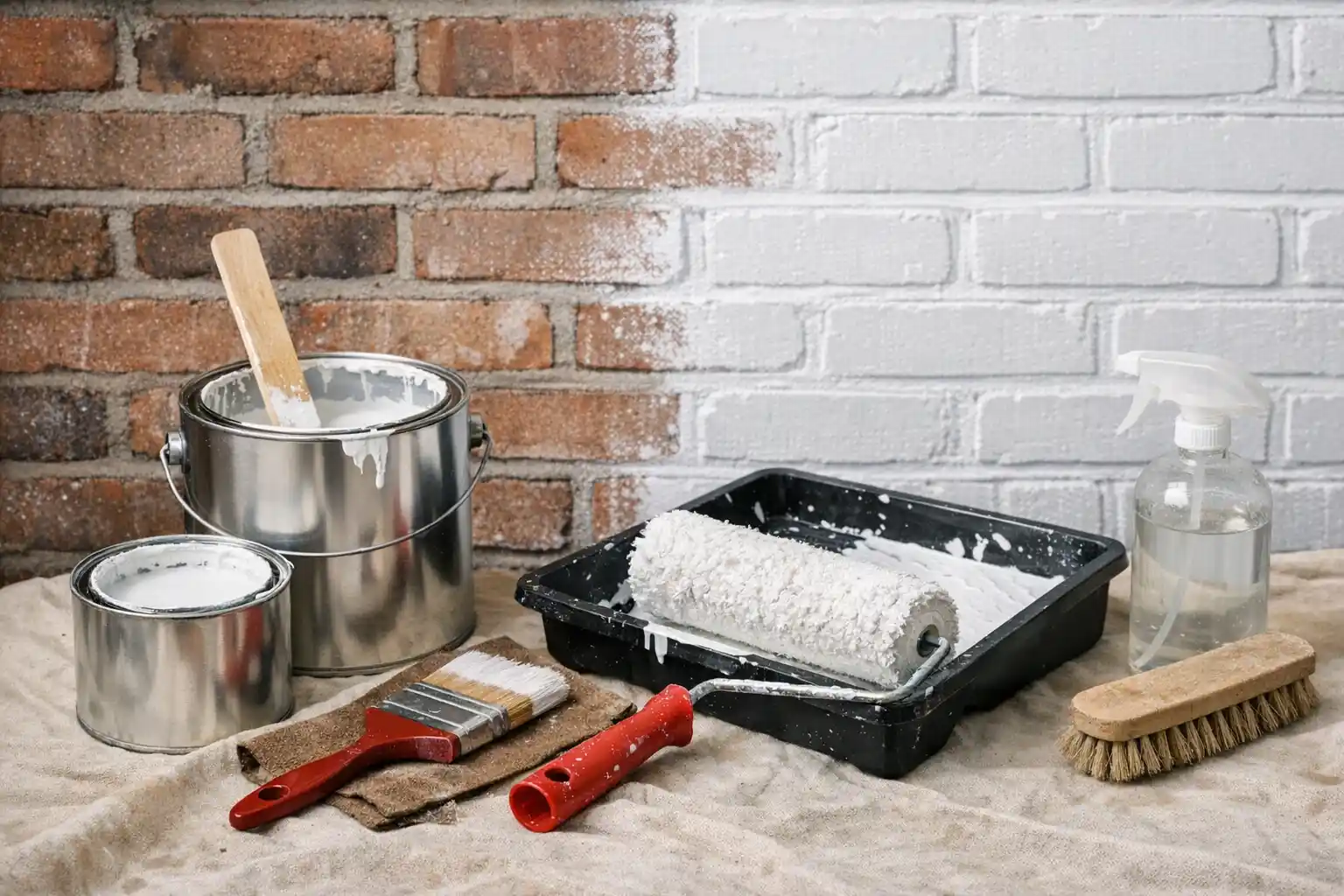
Painting a brick house can significantly boost its curb appeal and protect the masonry surfaces from environmental wear. It allows homeowners to customize their home's exterior with a fresh, modern look while potentially improving its market value. Moreover, painting brick helps to seal and protect damaged brick from moisture penetration, which is crucial for longevity, especially in climates with high humidity or rainfall. For instance, a painted brick house in a coastal region can stand up better against salty air and heavy rains, prolonging the structural integrity of the brickwork.
The Pros and Cons of Painting Brick
While painting brick offers aesthetic flexibility and protection, it comes with both pros and cons. On the upside, a painted brick house can stand out with vibrant colors and can be easier to clean and maintain. However, it's important to choose proper paint to allow the brick's surface to breathe, preventing trapped moisture that can lead to damage over time. Additionally, once painted, brick requires consistent maintenance and repainting every 3-5 years to maintain its appearance and integrity. Consider using brick stain as an alternative to paint, which can offer a translucent finish that enhances the natural texture of the brick without the risk of peeling.
Essential Preparations Before Painting Brick
Assessing the Condition of Brickwork
Before diving into painting, it's critical to assess the condition of your brick house. Examine for any signs of damaged brick, crumbling mortar, or trapped moisture. Address these issues first to prevent further deterioration. A thorough inspection ensures that the painted surface will adhere properly and last longer. Use a wire brush to remove any loose mortar or efflorescence, and consider hiring a masonry expert for significant repairs before applying paint.
Cleaning Techniques for Brick Surfaces
Cleaning is a non-negotiable step in preparing your brick house for painting. Use a pressure washer with low pressure to eliminate dust, dirt, and efflorescence. For stubborn stains, a scrub brush or wire brush can be effective. This prep work is essential for achieving full coverage and ensuring the paint adheres well to the brick's textured surface. In some cases, a specialized brick cleaning solution can be used to remove deeply embedded grime without damaging the brick.
Choosing the Right Paint for Brick
Types of Paint Suitable for Brick
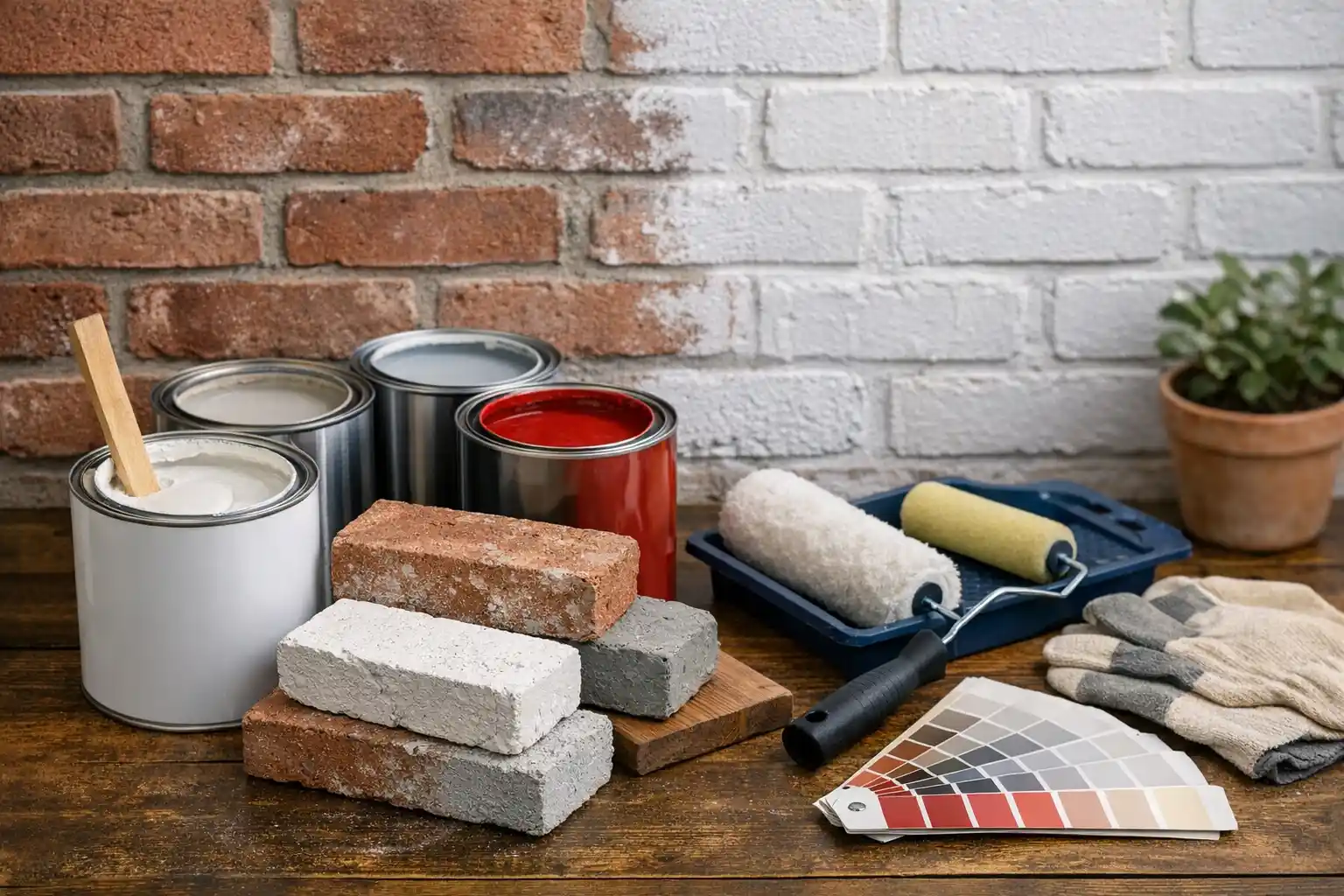
When it comes to painting brick, selecting the right type of paint is crucial. Masonry paint and mineral paint are popular choices because they allow the brick to breathe while providing a durable finish. A proper paint choice can prevent issues like trapped moisture, which can lead to peeling and cracking. Additionally, floor paint options are available for brick steps or patios that require a more robust, weather-resistant finish.
Recent Advancements in Paint Technology
Recent advancements in paint technology have introduced breathable and energy-efficient options that are perfect for brick surfaces. These paints not only protect the exterior brick but also contribute to home insulation, reducing energy costs. Sherwin Williams and other industry leaders offer products that provide excellent coverage and longevity. Innovations such as nanotechnology in paint can provide self-cleaning properties and resistance to pollutants, making maintenance easier.
Technical Deep Dive: Application Techniques
Tools and Equipment Needed
Having the right tools and equipment can make a significant difference in the outcome of your painting project. Essential items include a high-quality paint sprayer, rollers, brushes, and a pressure washer for initial cleaning. Using the right tools ensures that the paint is applied evenly and efficiently. For textured surfaces, consider using specialty brushes or rollers designed for rough masonry surfaces to achieve a consistent application.
Step-by-Step Painting Process
Start by applying a coat of primer to the clean brick surface to improve paint adhesion and coverage. Once dry, apply paint in two coats for a durable finish, allowing each coat to dry thoroughly. Ensure that you cover all areas, including brick steps and fireplaces, for a uniform appearance. For exterior applications, ensure the primer is fully dry before applying the first coat and allow sufficient time between the first coat and second coat for optimal results.
Weather Considerations for Brick Painting
How Climate Affects Paint Choice
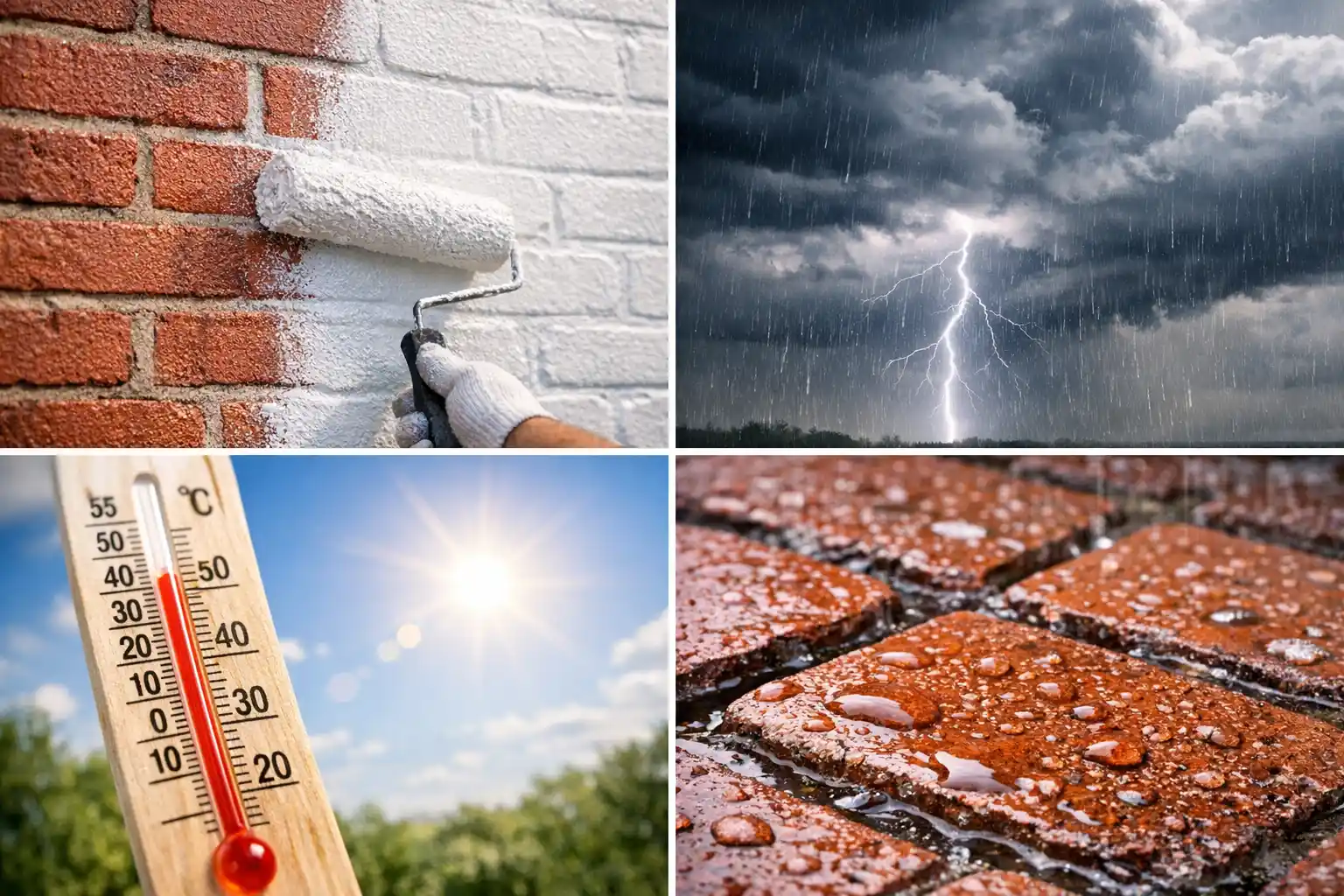
The climate plays a pivotal role in determining the type of paint to use on brick. In humid or rainy areas, opting for paint that offers moisture resistance is crucial. Climate-specific paints help in maintaining the integrity of the paint job over time. In colder climates, antifreeze additives in paint can prevent cracking during freeze-thaw cycles, which is crucial for exterior brick surfaces exposed to harsh weather conditions.
Optimal Painting Conditions
For the best results, paint your brick house under optimal weather conditions. Ideal conditions include mild temperatures and dry weather to ensure the paint adheres properly and cures completely. Avoid painting during extreme temperatures or high humidity to prevent application issues. Always check the forecast and aim for a window of 3-4 days of stable weather to ensure the paint has enough time to fully dry.
Color Selection and Energy Efficiency
Impact of Paint Color on Heat Absorption
The color of paint you choose for your brick house can impact heat absorption and, consequently, energy efficiency. Lighter colors reflect sunlight, reducing heat absorption, which can help lower cooling costs during hot months. Consider these factors when selecting your paint color for both aesthetic appeal and energy savings. For a brick fireplace, using a lighter shade can brighten the room and make it feel more spacious.
Energy Efficient Paint Choices
Energy-efficient paints can contribute to a home's insulation. Look for paints that include reflective properties or those designed to enhance energy efficiency. These products can help maintain a comfortable indoor temperature and reduce energy bills. Some brands offer specialized coatings that reflect infrared heat, providing additional insulation benefits for exterior brick walls.
ROI & Cost Analysis of Painting Brick

Cost Factors to Consider
When calculating the cost of painting a brick house, consider factors such as paint quality, labor, and necessary repairs to the brickwork. While an initial investment may be significant, the long-term benefits of protection and enhanced curb appeal can justify the cost. A professional painting job might require an upfront cost, but it often results in a more durable and visually appealing finish, reducing the need for frequent touch-ups.
Long-term Value and Benefits
Investing in painting your brick house can offer long-term value through improved aesthetics and protection against environmental damage. A well-maintained painted brick house can increase property value and appeal to potential buyers if you decide to sell in the future. A case study of a painted brick home in a competitive real estate market showed a significant return on investment, with the home selling faster and at a higher price compared to unpainted brick counterparts.
Common Pitfalls and How to Avoid Them
Mistakes to Avoid in Preparation
One common mistake is neglecting proper cleaning and inspection of the brick surface before painting. Failing to address damaged brick or trapped moisture can lead to peeling and paint failure. Thorough prep work is the key to a successful paint job. Use a power wash to remove all debris, and allow the surface to fully dry before applying primer to ensure optimal adhesion.
Application Errors and Fixes
Avoid applying paint in one heavy coat, as this can lead to uneven coverage and drips. Instead, apply paint in two thin, even coats, allowing adequate drying time between each. If mistakes occur, gently sand the area and reapply for a seamless finish. Using a high-quality roller or brush specifically designed for exterior surfaces can also help achieve a smoother, more even application.
Local Considerations: Seattle, WA

Local Regulations and Recommendations
In Seattle, there may be specific regulations regarding exterior painting projects. Check with local authorities for any permits or guidelines to ensure compliance. Local paint stores can also provide recommendations suited to Seattle's unique climate. Consulting with a local masonry expert can provide insights into the best practices for maintaining painted brick in Seattle’s damp environment.
Weather Patterns Affecting Brick Homes
Seattle's weather patterns, characterized by frequent rain and humidity, can affect painted brick homes. Choosing moisture-resistant paint and scheduling painting projects during dry seasons can help mitigate weather-related issues and prolong the life of your paint job. Regular inspections for signs of moisture damage can help address any issues early, preventing costly repairs down the line.
Maintaining a Painted Brick House
Routine Maintenance Tips
Regular maintenance is essential to keep your painted brick house looking its best. Inspect for signs of wear, such as cracking or peeling, and address any issues promptly. Regular cleaning and touch-ups can extend the life of your paint job and maintain your home's curb appeal. Using a soft brush and mild detergent for periodic cleaning can prevent the buildup of dirt and moss on exterior surfaces.
Signs of Wear and When to Repaint
Look for signs of wear like fading, chalking, or peeling paint. These indicate it's time to repaint to maintain protection and appearance. Typically, a brick house will need repainting every 3-5 years, depending on exposure to elements and paint quality. Observing the condition of painted surfaces during seasonal changes can help identify areas that need attention before more extensive damage occurs.
Frequently Asked Questions
What are the benefits of painting a brick house?
Painting a brick house enhances its aesthetic appeal and insulation properties, offering a fresh look and improved energy efficiency.
Is there a special type of paint for brick?
Yes, breathable and energy-efficient paints, such as masonry and mineral paints, are ideal for brick to prevent moisture issues.
How often should I repaint my brick house?
Repainting is typically necessary every 3-5 years, depending on climate, paint quality, and exposure to elements.
Are there any local regulations for painting in Seattle?
Yes, check local guidelines in Seattle for permits or recommendations to ensure compliance with regional regulations.
What mistakes should I avoid when painting brick?
Avoid neglecting proper surface preparation and using the wrong type of paint, which can lead to peeling and moisture issues.
How does paint color impact energy efficiency?
Paint color affects energy efficiency by influencing heat absorption; lighter colors can reduce cooling costs by reflecting sunlight.
