
%201.svg)


Wood Floor Paint: How to Choose the Right Product and Prep for a Finish That Lasts
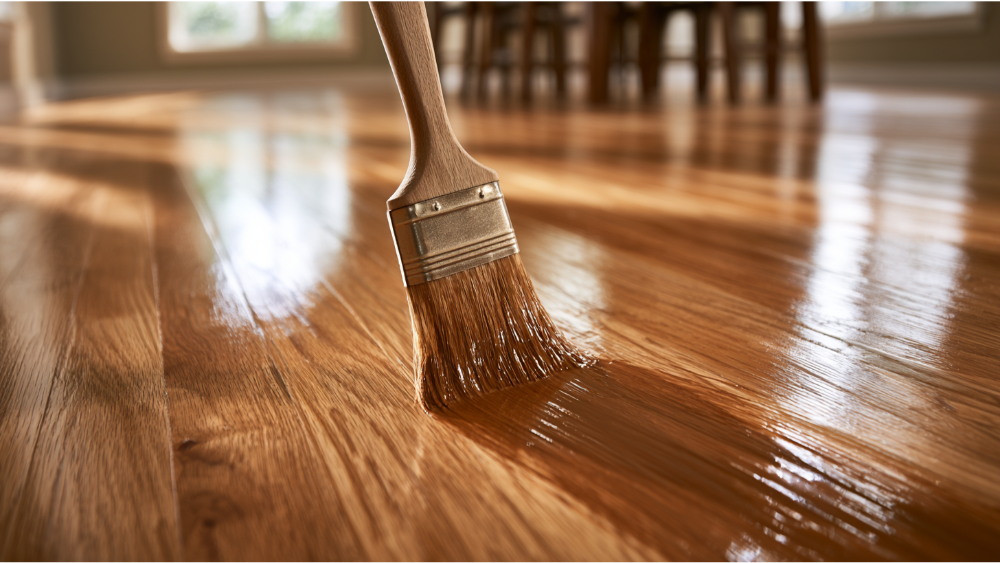
Key Takeaway
Wood floor paint must be a floor-rated enamel or porch-and-floor paint made for wood, not standard wall paint, which scuffs and peels under foot traffic. Proper prep is the deciding factor: the floor must be clean, sound, dry, and scuff-sanded before the first coat goes down. In homes built before 1978, sanding painted floors can release lead dust, so hire an EPA Lead-Safe certified contractor.
Yes, you can paint wood floors, and it can look great, but only if you use a floor-rated paint or porch-and-floor enamel made for wood. Standard wall paint won't hold up to the friction of footsteps. It scuffs, peels, and wears through fast. The finish only lasts when the floor is clean, sound, dry, repaired where needed, and properly primed and prepped before the first coat goes down.
If you've got worn, dated, or design-driven wood floors and you're weighing whether to paint them, this post walks you through choosing the right floor paint, prepping the surface, staying safe in older homes, and knowing when to call a professional. One thing to note up front: if your home was built before 1978, sanding painted floors can disturb lead paint, so read the lead-safe section below before you touch any sander.
Paint vs. Refinish vs. Repair: Which Is Right for Your Floor?
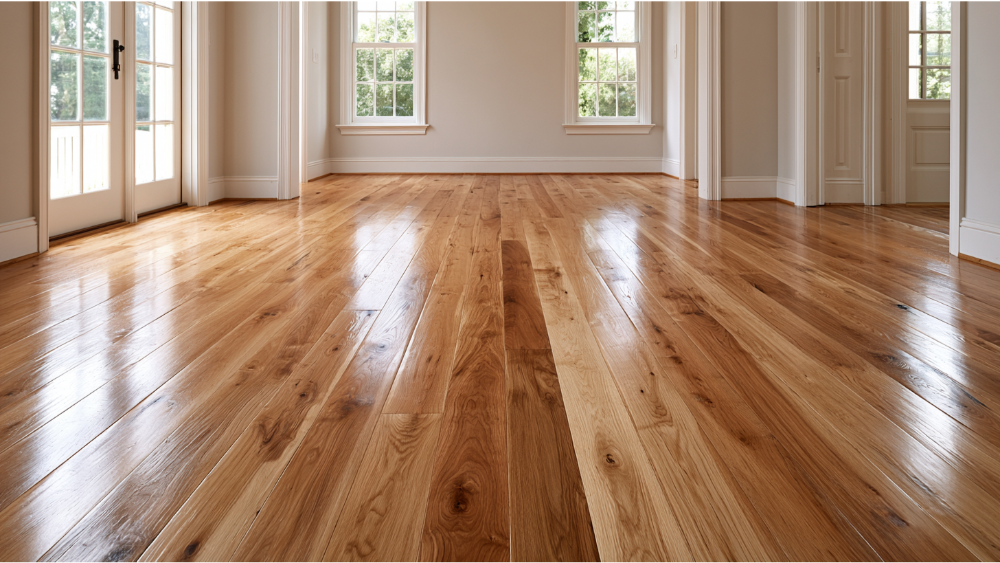
Before you buy a can of anything, figure out which path your floor actually needs. Painting is a cosmetic and protective surface treatment. It isn't a fix for structural problems.
- Good for paint: Worn cosmetic floors, floors that are already painted, softwoods like pine, and design-forward spaces where you want a color the wood grain can't give you.
- Better to refinish: Quality hardwood floors with enough wear layer left, exposed bare wood, or deep scratches. The National Wood Flooring Association distinguishes a light maintenance coat (clean, lightly sand, recoat) from a full sand-and-refinish, which it recommends when the finish is worn through or bare wood shows.
- Better to repair or replace: Rot, moisture damage, unstable or cupped boards, and structural issues. No coating hides a failing substrate.
This is where full-service capability matters. If your floor has rot or damaged boards, our team handles the rot repair and carpentry first, then the floor paint goes down on a sound surface. You don't have to line up a separate contractor to fix the interior wood before anyone can paint it.
What Kind of Paint Should You Use on Wood Floors?
Reach for a floor-rated enamel or porch-and-floor paint made for wood. These products are built to resist abrasion and foot traffic in ways wall paint simply isn't. If you're painting wood floors for the first time, the product you choose matters as much as the color.
You'll generally see two chemistries. Oil-based enamels give strong scuff and gouge resistance. Water-based floor paint offers lower VOCs and cleans up with soap and water. Both can work well on wood floors, so let the floor's use guide you, and always check the product's technical data sheet for recommended coats, cure time, and application conditions.
A clear coat on top of the color adds durability, and this top coat helps seal the surface against everyday wear. On bare wood, an oil-based primer helps block tannin bleed that can stain a light finish. And think hard about sheen: high-gloss looks sharp but is more slippery. For stairs, entries, kitchens, laundry rooms, and other high-traffic spots, satin or low-luster is the more suitable choice. We use premium paint products backed by lifetime manufacturer warranties, and we'll match the paint color and sheen to how the room actually gets used.
The Prep Work That Makes or Breaks the Finish
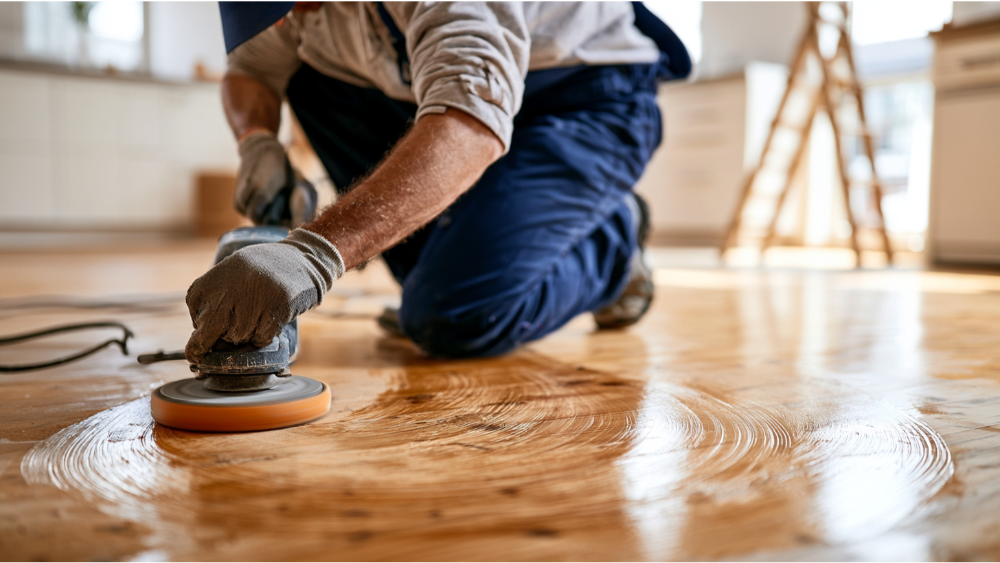
Prep is where painted floors succeed or fail, full stop. Floors don't peel because the paint was cheap. They peel because the finish never bonded. Old gloss, wax or oil residue, dust, moisture, loose or peeling coating, exposed nail heads, gaps, and board movement all break adhesion. Whatever you do, don't skip this stage.
Here's the order that gets it right:
- Clear the room completely so you have open space to work.
- Clean and degrease with warm soapy water so no debris sits between the wood and the coating.
- Inspect for popped nails, gaps, peeling paint, stains, rot, and loose boards. Fix these before anything else.
- Scuff-sand or sand with medium-grit paper (roughly 120 to 150 grit) to dull glossy surfaces and give the paint something to grab.
- Vacuum, mop, rinse, and let the floor dry completely, ideally overnight.
- Prime where needed. Bare, stained, uneven, or previously coated floors are safer candidates for primer. Let the primer dry completely before you apply any color. A painted floor in good shape may not need to be primed, but it still needs a scuff-sand.
The surface has to be clean, sound, and dry before a single coat goes on. That attention to detail is the reason a floor either looks new for years or needs redoing.
A Lead-Safe Warning for Homes Built Before 1978
If your home predates 1978, take this seriously. Sanding or scuff-sanding painted floors can release lead dust. According to the EPA, about 87% of homes built before 1940 and 24% of those built between 1960 and 1978 contain some lead-based paint. Sanding an entire floor easily exceeds the EPA's 6-square-foot interior minor-repair threshold, which means this becomes regulated work. It's a critical safety point, not a technicality.
For pre-1978 wood floors, the safe move is to hire an EPA Lead-Safe (RRP) certified contractor who uses proper containment and HEPA equipment (a true HEPA filter captures 99.97% of particles at 0.3 microns). Cover Pro Painting is EPA Lead-Safe Certified, so we handle older homes with the right precautions. We acknowledge that this adds steps, but the risk of shortcuts here is simply too high.
Painting Wood Floors: Step-by-Step and Helpful Tips
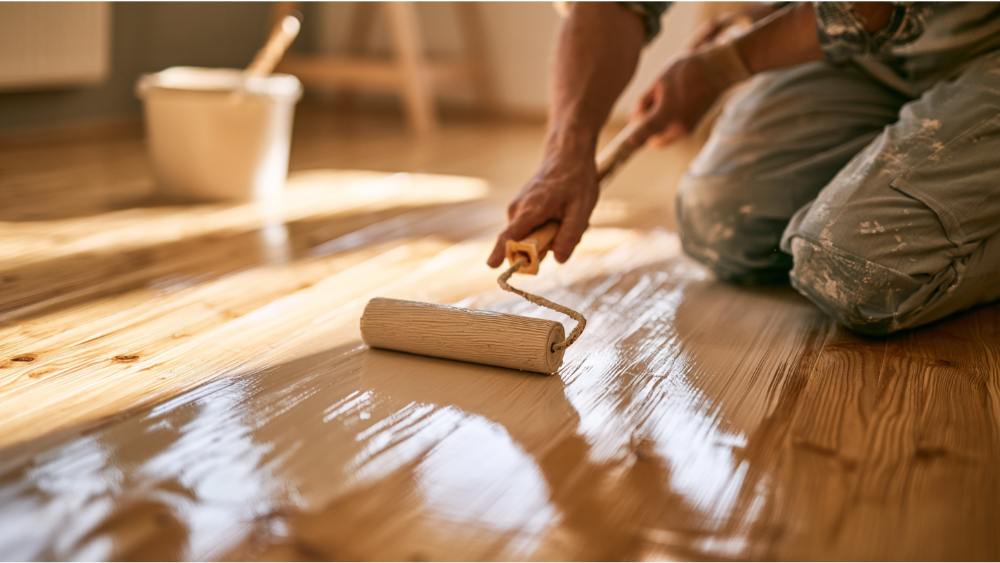
Once prep is done, the painting itself is straightforward. Cut in the edges with a brush, then apply thin, even coats with a roller. A short-nap roller lays down a smooth film, and steady overlapping passes keep lap marks from showing. Work toward the exit door so you don't paint yourself into a corner.
Let each coat dry completely per the label before recoating. Dry times are product-specific: one floor paint might be ready to recoat in a couple of hours, another wants a full 24. Most floors need two coats for solid coverage and durability. One coat rarely holds up on its own, though some products call for three. A few helpful tips: keep a wet edge, apply along the grain, and back-brush any spots the roller covers unevenly. Don't drag a dry roller across tacky paint, since that pulls up the film. Ventilate the space well throughout, and follow the coating's technical data sheet rather than any universal rule you read online. The label is the real instruction manual.
Dry Time, Cure Time, and When You Can Use the Room Again
Here's the mistake that ruins good work: assuming dry-to-touch means ready for use. It doesn't. A coating can feel dry in about an hour and still be nowhere near ready for furniture or rugs, so let it dry completely before you commit the space to normal life. Remember that a visible sheen can look finished long before the coating has fully cured.
- Dry-to-touch: around an hour for some products.
- Recoat window: often 4 to 6 hours, or up to 12, depending on the product.
- Light foot traffic: after the coating dries, but tread carefully.
- Normal use and furniture: often 72 hours to 5 to 7 days.
- Gentle cleaning: some coatings say wait 30 days before washing.
Premature heavy traffic causes paint failure, so don't rush heavy furniture back before the floor fully cures. All of these are product-specific examples, not promises, which is exactly why we set clear timing expectations with you before the work starts.
What is the best paint to use on wood floors?
A floor-rated enamel or porch-and-floor paint made for wood. Never use standard wall paint, since it can't withstand foot traffic. Manufacturers offer a variety of floor-rated products, and the best one depends on how the space gets used and the color you're after.
Do I need to prime wood floors before painting?
Usually yes for bare, stained, or uneven floors. Even a floor in good shape needs a scuff-sand for adhesion, and an oil-based primer helps block tannin bleed on bare wood. Let it dry completely once primed before you apply color.
Is painting wood floors a good idea?
Yes for worn, softwood, already-painted, or design-driven floors. If you have quality hardwood floors with plenty of wear layer left, refinishing is usually the better route.
How long before I can walk on painted wood floors?
Light traffic is fine once the coating dries, but wait per the label (often 72 hours to a week) before returning furniture and normal use.
Get a Clear Plan Before You Prepare and Paint Your Floors
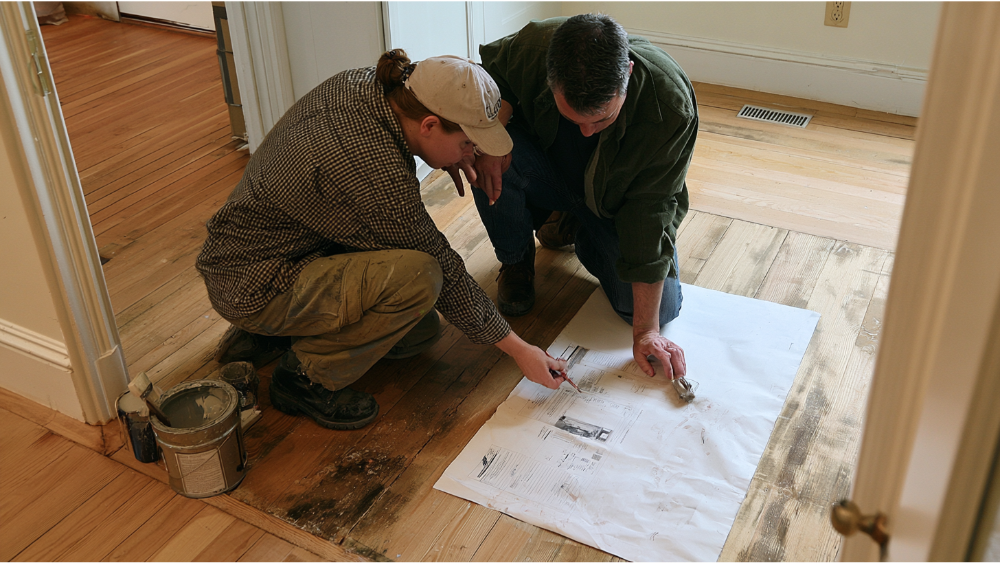
Floors that hold up come down to the right floor paint, real surface prep, lead-safe practices on older homes, and honest advice on whether to paint, repair, or refinish. If you've been thinking about the project but find choosing a product difficult, we're glad to help you learn what fits your space. Cover Pro Painting is a founder-led, full-service team, licensed, bonded, and insured in Washington State and EPA Lead-Safe Certified, handling repairs and painting together with clear communication start to finish. This post is a starting reference, not a substitute for a scope built around your actual floors. Start with a free estimate and a clear scope so you know exactly what your project will involve before work begins. Call us at 206-222-0435. We serve the greater Seattle-Tacoma area from our home base in Edgewood, and if you don't see your city or area listed, contact us to confirm service availability. Have a question about your floors? Leave a comment or reach out, and we'll help you plan the job right. There's no cart to check out here, just a conversation about doing it once and doing it well.
