



How to Paint Window Frames Without Peeling or Painting Them Shut
Key Takeaway
Windows paint refers to either Microsoft Paint, the free graphics app built into Windows PCs, or the process of painting your home's window frames. For home windows, most wood frames can be painted when the wood is dry and sound, but you must check for rot, identify the frame material, and keep paint off tracks and moving parts so the window still operates properly.
Windows Paint: What You're Actually Looking For
"Windows paint" means one of two things. It's either Microsoft Paint, the graphics app built into Windows PCs for quick image edits, or it's the job of painting the window frames in your home. If you landed here looking for the software, often called MS Paint, the short version is below. If you're here about painting the actual windows in your house, here's the direct answer.
Most wood window frames can be painted when the wood is dry and structurally sound. But you don't start with paint. You start by identifying the frame material, checking for rot and lead, and keeping paint off the moving parts so the window still opens. This guide is for homeowners weighing a DIY repaint against calling a pro, and it walks through every decision in order.
Is MS Paint the Microsoft Windows App or Your Home's Windows?
Microsoft Paint is the free graphics program on Microsoft Windows PCs. As a tool, it handles quick tasks like cropping images, resizing, and rotating an image, adding text, and letting you draw shapes or fill color on a blank canvas, then saves to common image file formats including BMP, JPEG, GIF, TIFF, and PNG. You can open a recent file, edit photos, change the background, and export the result in a few clicks. The pencil tool and brush tool handle freehand drawing, the fill tool floods an area with your selected color, and the color picker pulls an exact shade from an existing image.
The latest version on Windows 11 has added new features like layers, transparent backgrounds, and AI-powered tools, so this basic software now does more digital art work than it used to. The simple user interface stayed familiar for many users even as the toolbar grew. Microsoft also shipped Paint 3D for a time, a separate app with 3D modeling features and custom textures, though Paint 3D was later retired while classic MS Paint stayed. If you need more advanced editing than Microsoft Paint offers, dedicated image editors go further. That's the software in a sentence. The rest of this guide is about painting the windows in your house: the frames, the sash, and the trim, so they look clean and hold up for years.
Know Which Part of the Window You're Painting
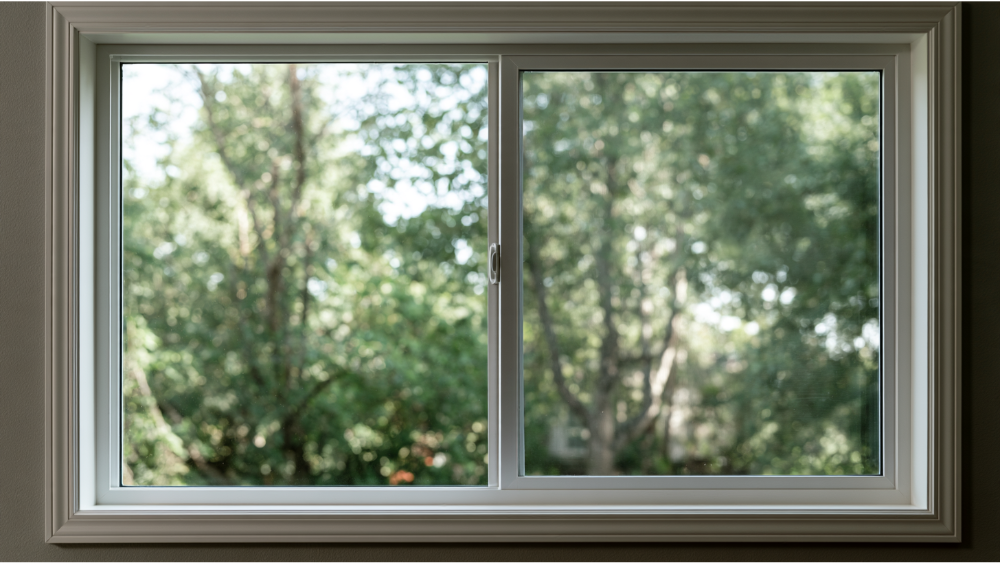
"Paint the frame" sounds simple until you paint a track and the sash won't budge. A quick vocabulary check keeps you out of that trap. A labeled photo or diagram helps even more.
- Sash: the movable panel that holds the glass.
- Frame: the fixed outer structure the sash sits in.
- Jamb: the vertical sides of the frame.
- Stop: the thin strip that holds the sash in place.
- Sill: the bottom ledge, usually sloped to shed water outside.
- Interior stool and apron: the interior shelf and the trim beneath it.
- Exterior casing or trim: the boards framing the window outside.
- Track or channel: the groove a sliding sash runs in.
- Weatherstripping: the seal between moving parts.
- Weep holes: small drainage openings that let water escape.
- Glazing compound: the putty that seals glass into a traditional wood sash.
Can Your Window Material Even Be Painted?
Material decides the whole project. Wood is forgiving. Factory-finished frames are not, and painting them can affect warranty coverage.
Before you paint any non-wood frame, find the manufacturer and model and read the current care and warranty documents. Several manufacturers warn that painting vinyl, fiberglass, or exterior cladding can alter warranty coverage or product performance. Warranty terms also change by model and over time, so verify the live documentation. If you can't identify the manufacturer, get a professional evaluation instead of guessing.
Inspect for Rot and Damage Before You Prep
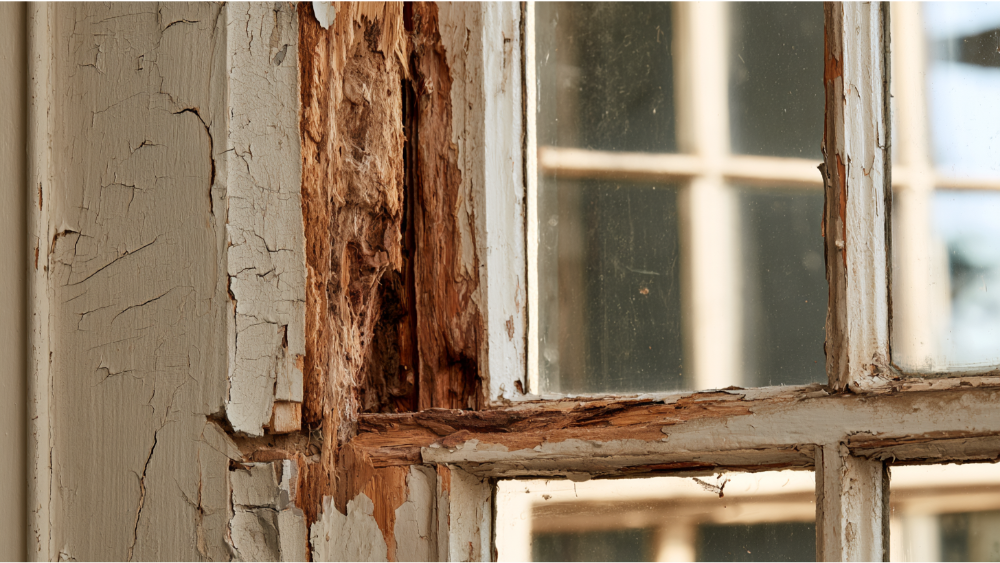
Paint protects sound wood. It can't restore structure. A finish coat over decay just hides the problem until it spreads. Walk the window and check for these before you touch sandpaper:
- Soft, spongy, or crumbling wood
- Open corner joints
- Peeling caused by moisture
- Cracked or missing glazing
- Failed caulk between trim and siding
- Blocked drainage openings
- A window that already rubs or binds
- Water staining beneath the sill
- Damaged siding around the opening
If you find soft wood or an open joint, that part needs repair or replacement first. A damaged sill, rotted casing, or failed glazing line is a repair job, not a paint job. The upside is that rot repair, siding work, and carpentry can be handled in the same engagement, so you're not chasing the paint over a problem that keeps coming back.
Lead-Paint Safety for Pre-1978 Windows
Lead-based paint was banned for consumer use in housing in 1978. The EPA estimates roughly three-quarters of pre-1978 homes still contain some lead-based paint, and the odds climb with age: around 87% of homes built before 1940, about 69% from 1940 to 1959, and roughly 24% from 1960 to 1977. Windows matter more than most surfaces here because sash and frame rub against each other, and scraping or sanding old paint generates fine lead dust.
There's a key distinction worth understanding. Simply applying a new coat without disturbing the old paint generally doesn't trigger the EPA's Renovation, Repair and Painting (RRP) Rule. Scraping, sanding, and surface restoration can. The rule's general minor-repair thresholds are 6 square feet per room inside and 20 square feet outside, subject to conditions, and window replacement is covered regardless of size.
A retail lead swab doesn't give you a formal determination. The EPA recommends a certified inspector or risk assessor for that. Homeowners working on their own primary home generally aren't RRP-regulated, but the EPA still recommends lead-safe practices. Cover Pro Painting is EPA Lead-Safe (RRP) Certified, which matters on older homes where the prep itself is the risk.
Tools and Materials You'll Need
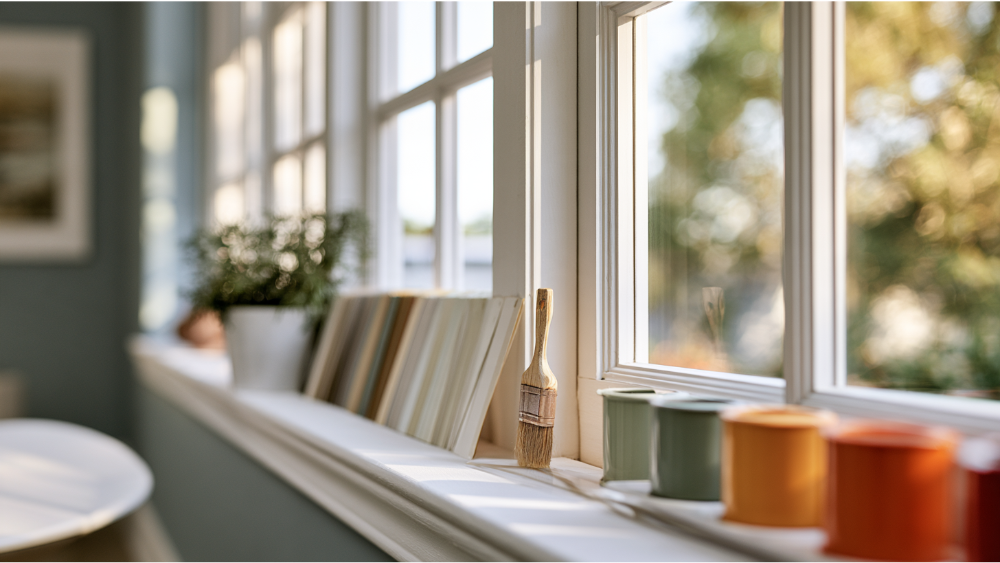
Keep the kit practical:
- Drop cloths and containment materials
- A scraper suited to the surface
- Sanding materials
- HEPA dust control where applicable
- Cleaning supplies
- Exterior-grade repair materials
- Compatible primer
- The appropriate interior or exterior trim coating
- A quality angled brush
- Painter's tape or masking film
- Putty knife and glazing tools where relevant
- Personal protective equipment
A good angled brush is the one tool that makes or breaks trim work, so don't skimp on it. One rule governs timing: the paint label, not a generic online timetable, tells you the dry, recoat, and cure times for your product and conditions.
How to Paint a Sound Wood Window, Step by Step
Once the wood is sound, the material checks out, and lead safety is handled, the sequence is straightforward.
- Confirm dry weather and read the coating instructions.
- Protect glass, walls, flooring, siding, and landscaping.
- Remove or mask the hardware.
- Clean the surface.
- Remove only loose or failed coating. You don't need to strip to bare wood if the existing paint is firmly adhered.
- Feather the sound paint edges with a brush so the repair blends in.
- Repair rot, open joints, glazing, and any other defects.
- Prime exposed wood and compatible repairs.
- Paint the muntins or divided-light details first.
- Paint the sash faces, keeping sliding and contact edges clean.
- Paint the fixed frame and trim.
- Paint the sill last.
- Keep the sash moving during drying so it doesn't seal shut.
- Remove the masking and clean the glass.
- Confirm drainage and operation before you pack up.
For traditional wood-and-putty glazing, the exterior paint should cover the glazing compound and extend slightly onto the glass to complete the weather seal. Follow the glazing and window instructions for how far. That's not a universal measurement, and it doesn't apply to every modern insulated unit.
What You Should Never Paint on a Window

Coating these parts causes sticking, blocked drainage, impaired operation, or warranty problems:
- Tracks and channels
- Weatherstripping
- Locks and hinges
- Operating hardware
- Weep or breather holes
- Unapproved vinyl, fiberglass, or exterior cladding
- Wet, decayed, or unstable wood
Interior vs. Exterior Window Painting
The two sides live in different worlds. Exterior surfaces take rain, sunlight, and temperature swings, so moisture protection and wear resistance drive the choice. Interior coatings need a smooth, washable finish and blocking resistance, which is the tendency of painted surfaces to stick together when the window is closed.
That's why the same coating isn't always right for both sides, and why label and substrate compatibility matter more than a blanket "use latex" rule. Proper surface prep plus the right product for each side is what delivers clean, long-lasting results.
How to Avoid Painting the Window Shut
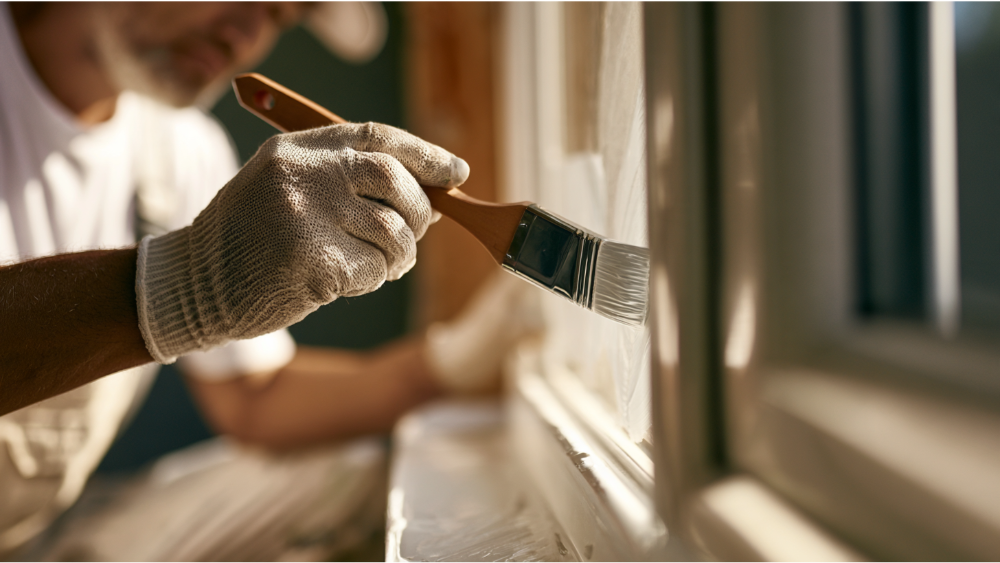
A stuck window is almost always a paint problem, and it's preventable. Use thin, controlled coats. Keep paint out of the tracks and off the sliding contact points. Keep opposing painted surfaces apart so they can't fuse. Operate the sash as the instructions allow during drying so it doesn't seal itself. Then wait for the label-directed cure before you close it for a long stretch. The product label is the source of truth for recoat and cure time, so don't trust a universal number you found online.
When to Call a Professional (and Why One Team Helps)
Some windows are a quick repaint. Others are a small restoration. Call a pro when:
- Several windows need restoration
- The wood is soft or structurally damaged
- The home predates 1978
- The windows are above the first story
- Factory-finished material needs evaluation
- The sash is stuck, damaged, or heavily layered with old paint
- Surrounding siding or trim also needs repair
- You want one team to handle repairs and painting
That last point is where a full-service team earns its keep. Cover Pro Painting inspects and paints interior and exterior window trim, handles rot repair, siding, and carpentry, and follows lead-safe practices on applicable pre-1978 homes. You get a transparent estimate before work begins, and you're not coordinating a painter and a carpenter separately. It's a founder-led crew with 13+ years in business and over 100 years of combined experience, licensed, bonded, and insured in Washington State. In the Seattle-Tacoma area, it's worth checking moisture-prone joints, sills, and caulking for deterioration before any exterior painting.
Window Painting in the Seattle-Tacoma Area

Cover Pro Painting is based in Edgewood, WA and serves the greater Seattle-Tacoma region, including Edgewood, Federal Way, Tacoma, Puyallup, Kent, Renton, and Bellevue. Pacific Northwest moisture is hard on window sills, joints, and caulking, so repairing that deterioration before you paint is what makes the finish last. Because painting, rot repair, siding, and carpentry all come from one founder-led team, you don't have to juggle contractors to get it done right. Don't see your city listed? Contact us to confirm service availability.
Frequently Asked Questions
What happened to Windows Paint?
It's still included on Microsoft Windows and has been updated over time. The latest version on Windows 11 added layers, transparent PNG support, and AI-powered tools, while the separate Paint 3D app was retired. Classic MS Paint remains a handy tool for a quick edit, and it has stayed through many operating systems, from Windows Vista and other older versions up to today's release with its refreshed features.
Is Paint free on Windows?
Yes. Microsoft Paint is a free, built-in graphics app on Windows PCs for quick edits like cropping, resizing, and adding text. You can draw shapes on the canvas, change the background, and save the image to file formats including BMP, JPEG, GIF, TIFF, and PNG. The tool box holds the drawing tools you need for creating simple drawings without extra software.
What kind of paint is best for your home's windows?
It depends on the material and whether you're painting the interior or exterior. Follow the product label and the manufacturer's warranty guidance. Exterior needs moisture and UV resistance, while interior needs blocking resistance. For the right choice on your specific windows, start with a free estimate.
Can you paint over rotten window wood?
No. Decayed wood has to be repaired or replaced first, because paint can't restore structure. Cover Pro Painting handles rot repair and painting together, so the fix lasts.
How long should paint dry before closing a window?
Follow the paint label. Keep the sash moving during drying and wait for the directed cure before closing it for a long stretch, rather than trusting a universal online number.
Start With a Free Estimate
Window painting is sometimes a simple trim repaint and sometimes a small restoration. Either way, one founder-led team can diagnose it, repair what's underneath, and paint it to last. First-time customers get 10% off, and 0% APR financing (Paint Now, Pay Later) keeps cost from standing in the way. Start with a free estimate and see exactly what your windows, trim, and surrounding surfaces need before work begins. Call us today at 206-222-0435 to get your free painting estimate.
