
%201.svg)


When Do I Need Primer? A Pro Painter’s Guide for Homeowners
.webp)
Here’s a quick answer: when do I need primer comes down to the condition of the surface, the material you are painting, and the colour change you are making. Primer is needed on porous surfaces, bare drywall, fresh drywall, bare wood, stained areas, glossy finishes, tricky surfaces, and during a drastic color change. Primer is often not needed when repainting a previously painted surface that is clean, dull, and in good condition. Understanding this before starting a painting project helps you avoid peeling, flashing, stains, and unnecessary additional coats.
Primer is one of the most misunderstood steps in the painting process. Many homeowners assume paint and primer products remove the need for priming, or that just two coats of paint will solve every problem. In reality, primer plays a specific role that paint alone cannot always handle. Used correctly, it helps create a uniform surface, improves adhesion, blocks stains, and reduces how many coats of paint are needed. Used incorrectly or skipped altogether, it often leads to uneven texture, poor coverage, and a shorter lifespan for the new paint.
Here’s the Quick Answer: When You Do and Don’t Need Primer
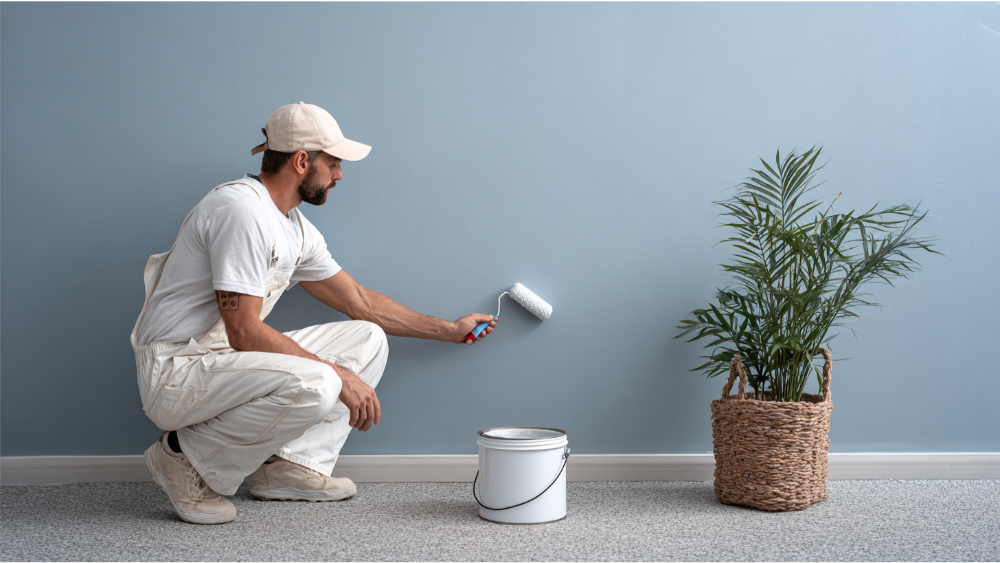
You need to use a primer when painting bare drywall, new drywall, fresh drywall repairs, bare wood, plaster, masonry, metal, or any porous surface. Primer is also required when dealing with stains, smoke damage, water spots, grease, glossy or semi gloss finishes, oil based paint, or a drastic color change such as going from a dark surface to a lighter colour or vice versa.
You generally do not need primer when repainting a previously painted surface that is clean, smooth, dull, and in good condition with no stains or repairs, especially when staying close to the previous color. Even then, spot priming is often used to seal patches and create an even base coat.
What Primer Actually Does and Why Paint Alone Isn’t Enough
Primer is designed to prepare the surface so the topcoat performs properly. Paint is designed to provide colour, sheen, and protection. Mixing up those roles is where problems start.
Primer seals porous surfaces
Drywall, bare drywall, fresh drywall patches, plaster, masonry, and wood are all porous. Porous materials absorb moisture at different rates, which leads to uneven drying and inconsistent colour. A primer coat seals the surface so the first coat of paint and second coat dry evenly. Without this step, the wall can look blotchy, even after two coats.
Primer improves adhesion
Some surfaces are smooth, glossy, or difficult for paint to grip. Semi gloss trim, glossy doors, cabinets, tile, laminate, metal, and previously oil based paint surfaces benefit from a bonding primer. Bonding primer helps new paint stick where sanding alone is not enough.
Primer blocks stains and bleed through
Stains from smoke damage, water spots, grease, tannins in wood, and old discoloration can bleed through new paint. Primer is formulated to block these issues so they do not reappear after the job is complete.
Primer creates a uniform surface
Primer creates consistency. It helps the topcoat lay flat, reduces texture differences, and ensures colour looks the way it should across the entire wall or ceiling.
Situations Where Primer Is Required
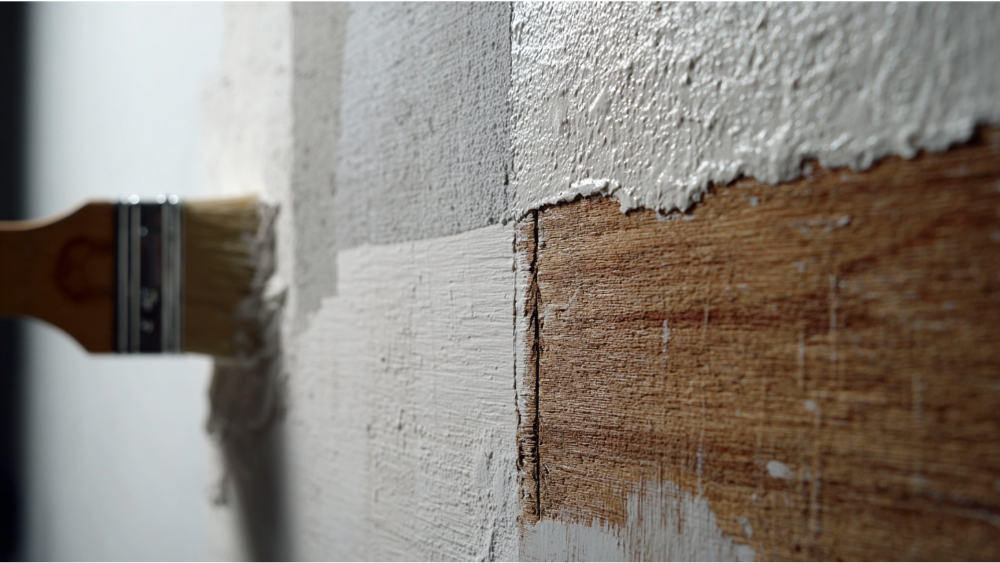
These are the most common situations where using a primer is not optional if you want long lasting results.
New drywall or fresh repairs
New drywall and fresh drywall repairs are extremely porous. Joint compound and patches absorb paint differently than the surrounding wall. Without priming, these areas flash and stand out, even after multiple coats of paint. Spot priming or full priming is needed to seal the drywall and create a uniform surface before applying the base coat and topcoat.
Bare drywall and plaster
Bare drywall and plaster must always be primed. These materials soak up paint quickly, which wastes paint and leads to uneven coverage. Primer seals the surface and allows you to achieve better results with fewer coats.
Bare wood
Bare wood needs primer to seal the grain, prevent moisture absorption, and block tannin bleed. This applies to interior trim, doors, exterior siding, and repaired areas after rot work. Wood is porous and moves with moisture, so priming is critical for durability.
Stains, smoke damage, and water spots
Stains do not disappear just because they are covered with paint. Smoke damage, water spots, and grease will often come back through the topcoat if primer is skipped. A stain blocking primer is required to block these issues permanently.
Glossy and semi gloss surfaces
Glossy and semi gloss finishes are smooth and resist adhesion. Paint applied directly to these surfaces is more likely to peel or chip. Sanding helps, but bonding primer provides an extra layer of insurance, especially on trim, cabinets, and doors.
Major or drastic color change
A drastic color change often requires primer. Going from a dark colour to a lighter colour, from a lighter colour to a much darker color, or covering a dark surface can require primer to prevent bleed through and reduce how many coats are needed. Primer helps neutralize the previous color so the new paint covers evenly.
Masonry and concrete
Concrete, brick, and block are porous and require masonry primer. Masonry primer seals the surface, controls moisture, and allows the topcoat to adhere properly. Skipping this step often leads to peeling and poor coverage.
Metal surfaces
Metal surfaces often need primer to prevent rust and improve adhesion. Bare metal, previously painted metal, and smooth factory finished metal all benefit from the right primer before applying paint.
When You Usually Don’t Need Primer
Primer is important, but it is not required on every job.
Repainting a previously painted surface in good condition
If the surface is clean, smooth, dull, and in good condition with no stains, repairs, or adhesion issues, primer may not be necessary. In these cases, the painting process may involve cleaning, light sanding, and applying the first coat and second coat of paint directly.
Staying close to the previous color
When repainting walls with a similar colour, primer often adds little value. The existing paint already provides a suitable base coat.
Paint and primer products
Multi purpose primers and paint and primer products can work well on previously painted surfaces. They are not a replacement for true primer on porous or stained surfaces, but they can simplify straightforward jobs.
Interior vs Exterior Priming
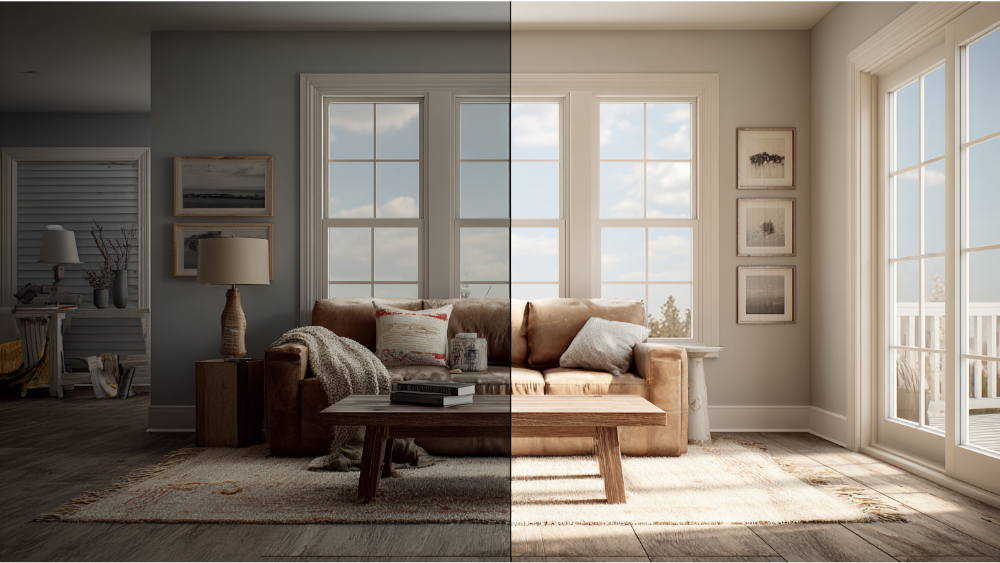
Primer decisions differ between interior and exterior work.
Interior priming considerations
Interior priming focuses on drywall, texture consistency, stains, and sheen. Bathrooms and kitchens often require primer due to moisture and grease. Lighting can make flaws more visible, so priming helps create a smooth, uniform surface for painting walls and ceilings.
Exterior priming considerations
Exterior surfaces face moisture, sun, and temperature changes. Bare wood, scraped areas, and repairs always require primer. Masonry primer is essential on concrete and brick. Exterior priming helps seal surfaces and protect the house long term.
What Happens If You Skip Primer When You Shouldn’t
Skipping primer often leads to problems that show up later.
Peeling and adhesion failure
Paint applied to glossy or smooth surfaces without primer may peel or chip, especially on trim and doors.
Flashing and uneven colour
Porous patches absorb paint unevenly, creating visible texture and colour differences.
Stains returning
Smoke damage, water spots, and wood stains can bleed back through the topcoat.
Shortened lifespan
Paint jobs without proper priming often require additional coats or repainting sooner than expected.
How Professional Painters Decide When to Prime
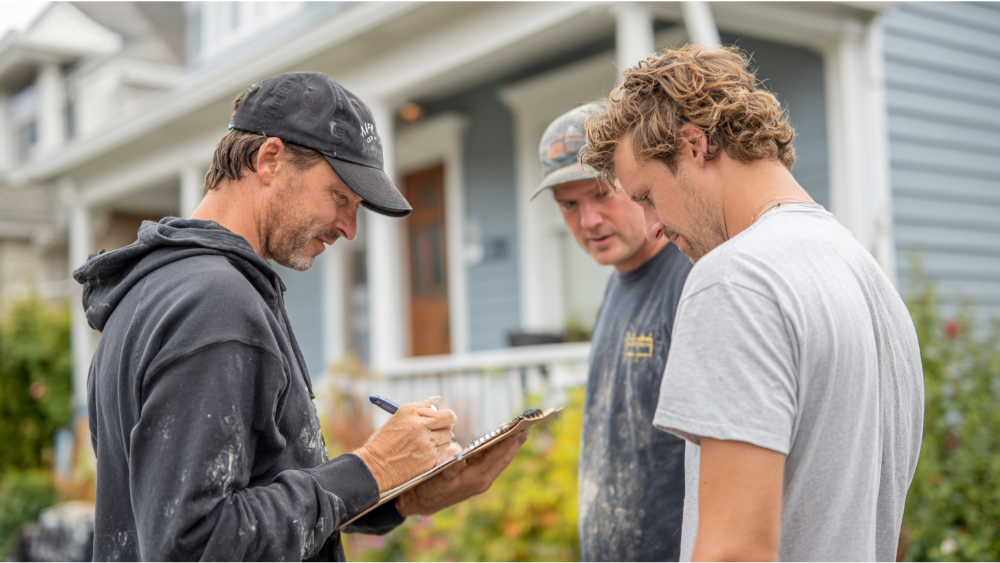
Professionals evaluate each job before starting.
Surface evaluation
We look at the material, porosity, gloss, stains, moisture, and previous coatings to decide whether to prime walls or spot prime.
Spot priming vs full priming
Spot priming is used on repairs and bare areas. Full priming is used when the entire surface needs sealing or colour control.
Matching primer to material
Different primers are used for drywall, plaster, wood, masonry, metal, and tricky surfaces. The goal is to create the best base coat for the topcoat.
Common Homeowner Myths About Primer
One coat of paint does the same thing
One coat or even two coats of paint cannot replace what primer does. Paint builds colour, not adhesion or sealing.
Just two coats always works
Just two coats works only when the surface is already suitable. On porous or stained surfaces, primer is still required.
Primer is unnecessary upselling
Primer is used to solve specific problems. Skipping it often leads to additional coats and higher costs later.
FAQs When Do I Need Primer
Do I need primer if the wall is already painted?
Not always. If the wall is clean, smooth, and in good condition, you may apply paint directly.
Do I need primer before painting a lighter colour?
Often yes, especially when covering a dark surface or making a drastic color change.
Should I prime the entire wall or just patches?
Typically, patches are spot primed, while full walls are primed only when needed.
Is primer required for bathrooms?
Bathrooms often need primer due to moisture, stains, and potential mildew.
Does primer reduce how many coats of paint are needed?
Yes. Primer can lead to fewer coats and better coverage.
Final Thoughts on Primer and Paint
Primer is not about adding steps. It is about doing the job correctly. Knowing when to use a primer, what type to use, and how it fits into the painting process helps you achieve a better finish, fewer coats of paint, and longer lasting results. Every painting project is different, and the right preparation makes all the difference.
If you want straight answers about your walls, surfaces, and colour choices, a professional evaluation can help you avoid mistakes and get the most out of your new paint job.
