
%201.svg)


What's The Best Way to Prevent Roller Marks, Lap Marks, or Streaks on Walls?
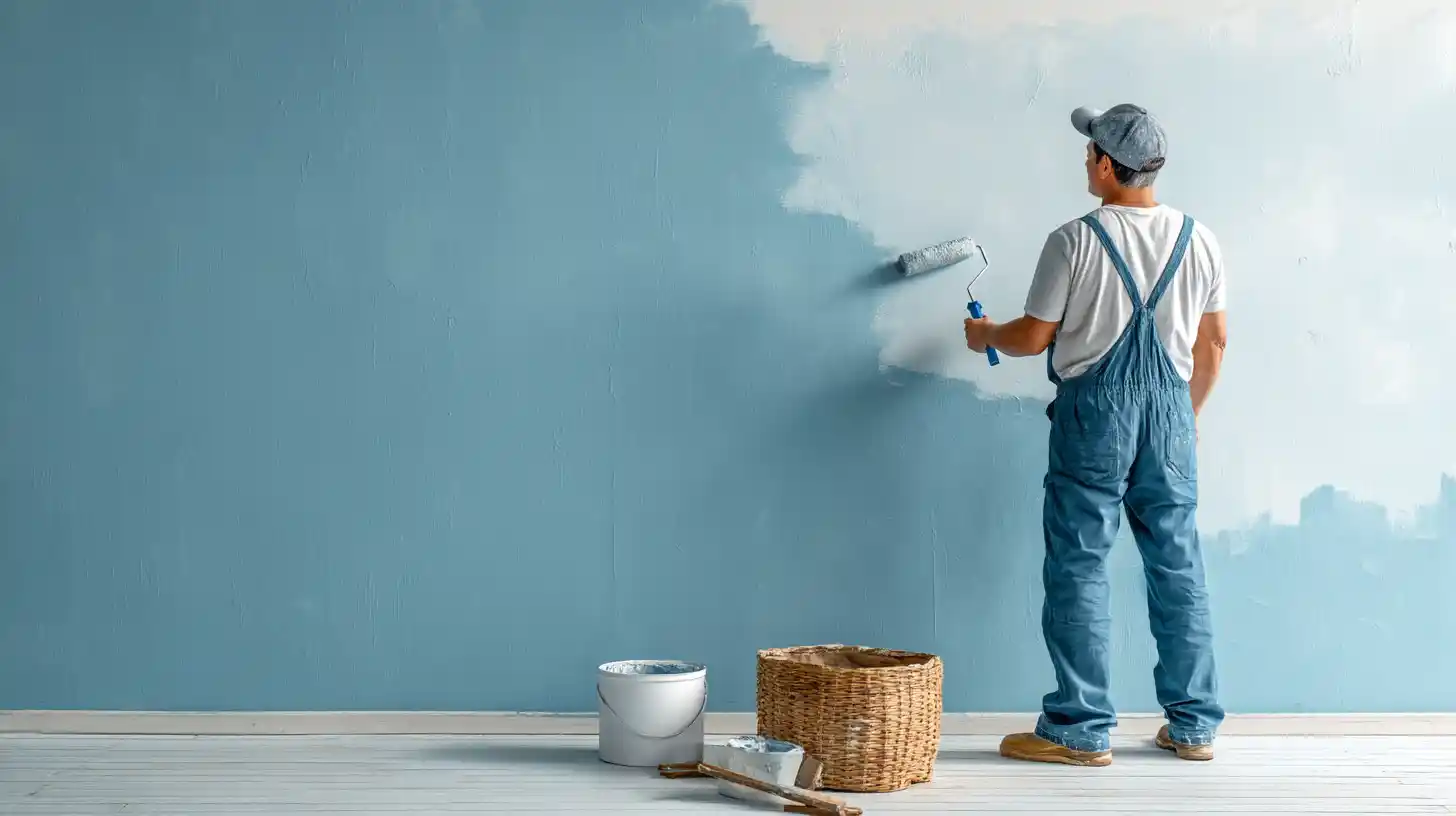
Here’s a quick answer to what’s the best way to prevent roller marks lap marks or streaks on walls. A clean surface, the right paint, proper primer, enough paint on the roller, and the ability to maintain a wet edge are what separate a flawless finish from a frustrating paint job. Most marks happen when freshly applied paint starts to paint dry before it is blended evenly. With the right tools, light pressure, and a consistent technique, smooth results are absolutely achievable on any interior wall.
What Are Roller Marks, Lap Marks, and Paint Streaks?

Roller marks are visible lines or bands left behind by the roller during application. They often appear as vertical or diagonal roller lines that catch the light. Lap marks occur when one section of paint overlaps another section that has already begun to dry. These lap marks show up as darker or lighter bands, sheen changes, or texture differences on the painted surface. Streaks are broader uneven areas where paint thickness, absorption, or pressure varied during the job. All three issues stand out most once the wall is fully dry and light hits it from a window or overhead fixture.
Roller Marks vs. Lap Marks
Roller marks usually follow the path of the roller strokes and are tied to pressure, roller nap, or a dry roller. Lap marks are tied directly to timing. When paint overlaps wet paint onto paint that is no longer wet, the overlap line becomes visible. Both can exist on the same wall, especially on large surfaces or during repainting projects.
Why Problems Appear After the Paint Dries
Paint almost always looks better while wet. As it dries, sheen develops and thickness becomes more apparent. Areas with more paint, less paint, or uneven absorption stand out. Direct sunlight and shadows make imperfections even more visible. This is why homeowners often worry when a wall looks fine at night but shows lines the next day.
The Real Causes of Roller Marks and Streaks
Losing the Wet Edge
The single biggest cause of lap marks is failing to maintain a wet edge. A wet edge means each new roller pass blends into paint that is still wet. Once the edge starts to dry, overlapping creates visible marks. Learning to maintain a wet edge across the entire wall is critical to a smooth wall.
Paint Drying Too Fast
Paint can paint dry quickly in hot rooms, near windows, or when airflow is strong. Direct sunlight, heaters, and fans all speed up drying and make it harder to keep paint wet long enough to blend. Fast drying increases the risk of roller marks and lap marks.
Uneven Pressure and Dry Rollers
Uneven pressure creates uneven thickness. A roller that does not have enough paint forces the painter to press harder, which leads to roller lines and streaks. This also reduces paint adhesion and creates texture differences across the surface.
Skipping Primer or Poor Surface Prep
Primer plays a major role in how paint dries. Bare drywall, sanded patches, and repaired areas absorb paint differently than previously painted areas. Without primer, the paint soaks in unevenly and dries at different rates. This almost guarantees lap marks on a finished wall.
The Best Way to Prevent Roller Marks Step by Step
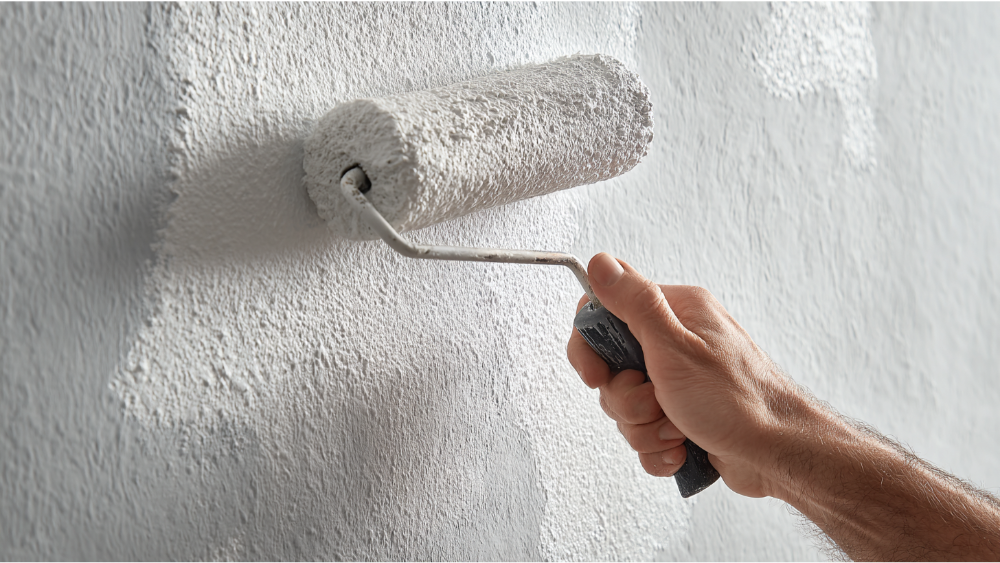
Step 1: Prepare the Surface for Even Absorption
Every quality paint job starts with preparation. The surface should be clean and free of dust. Wipe walls with a damp cloth to remove residue, especially near windows, doors, and high touch areas. Any repairs should be sanded smooth so edges disappear into the wall. Sanded areas help create a uniform surface that accepts paint evenly.
Step 2: Prime When Needed
Primer is essential for consistent results. It evens out absorption and improves paint adhesion. Full primer coats are often required on new drywall, heavy repairs, or drastic color changes. Spot primer may work for small fixes, but those areas still need to be sanded and blended. Primer helps keep freshly applied paint wet longer, which helps prevent lap marks.
Step 3: Choose the Right Roller Cover
The roller cover matters. The roller nap should match the wall texture. A smooth wall usually needs a shorter nap, while textured surfaces need a thicker nap. Using a quality roller cover helps hold enough paint and release it evenly. Low quality paint tools and covers are a common cause of streaks and roller marks.
Step 4: Load the Roller With Enough Paint
Always start with enough paint on the roller. A dry roller creates lines and uneven coverage. Dip the roller fully, roll off excess evenly, and reload often. More paint on the roller allows smoother application without forcing pressure. Trying to stretch paint leads to thin coats in some areas and thick coat buildup in others.
Step 5: Work in Manageable Sections
Break the wall into manageable sections you can complete without stopping. Large walls should be divided into small sections that allow you to keep everything wet. Avoid stopping in the middle of the wall, since overlap points often create lap marks.
Step 6: Maintain a Wet Edge at All Times
Always roll from unpainted areas back into wet paint. This helps maintain a wet edge and blend each section smoothly. Overlap each pass slightly and keep moving steadily. Learning how to maintain a wet edge is one of the most important professional skills.
Step 7: Use Light and Consistent Pressure
Let the roller do the work. Use light pressure and keep it consistent from top to bottom. Heavy pressure squeezes paint out of the roller and leaves roller lines. Consistent pressure helps create an even layer across the entire wall.
Step 8: Feather the Edges When Necessary
When you must stop or change direction, feather the edges gently. Feathering softens transitions and reduces hard lines. This technique is especially helpful near corners, edges, and ceilings where stopping points are unavoidable.
How Room Conditions Affect Streaking
Temperature and Airflow
Rooms that are hot or have strong airflow make paint dry too fast. Fans, open windows, and HVAC vents should not blow directly on wet walls. Controlling airflow helps keep paint wet long enough to blend properly.
Humidity and Moisture
Bathrooms and laundry rooms have higher moisture levels. Paint dries and cures differently in these spaces. Proper ventilation and moisture control reduce streaks and help paint level evenly.
Common DIY Mistakes That Cause Streaks

Many homeowners run into the same issues. Using low quality paint, skipping primer, rolling too slowly in one area, or overworking the surface all create problems. Applying one thick coat instead of thin coats is another common mistake. One thick coat dries unevenly and highlights imperfections. Thin coats applied evenly are always better.
Can You Fix Roller Marks After the Wall Is Dry?
When a Light Recoat Will Work
Minor roller marks can sometimes be fixed. Light sanding to knock down raised texture, followed by a second coat applied correctly, may solve the issue. The key is addressing the underlying cause before repainting.
When Primer and Repainting Are Required
If lap marks are severe or sheen differences are obvious, primer is often required before repainting. This resets the surface and creates uniform absorption so the next coat dries evenly.
Why Spot Fixes Rarely Blend
Trying to fix roller marks in one small area rarely works. Touch ups often dry differently and create visible patches. Full wall repainting is usually the only way to fully fix the problem.
Why Professional Painters Do Not Leave Roller Marks

Process Over Speed
Professional painters focus on process. Walls are planned from start to finish, with clear stopping points and consistent pacing. This approach helps maintain a wet edge across the entire wall.
Professional Materials and Tools
Professionals use quality paint, quality roller covers, and the right tools for the job. Brands like Benjamin Moore are trusted for their consistency and performance. Quality materials reduce the risk of streaks and marks.
Prep Standards That Prevent Problems
Professionals spend more time on prep. Dust removal, sanding, priming, and surface correction all play a role in the final look. These steps reduce surface irregularities and texture differences.
Experience With Dry Times
Knowing when to stop is just as important as knowing how to roll. Overworking paint after it starts to set is one of the biggest causes of streaks. Experience helps painters recognize the right moment to move on.
FAQs About Roller Marks and Streaky Walls
Why do roller marks appear on a smooth wall?
They usually come from uneven pressure, a dry roller, or paint drying too quickly.
Will a second coat remove lap marks?
A second coat can help, but only if the surface is prepped correctly and applied with the right technique.
Does flat paint hide marks better?
Flat paint hides imperfections better than higher sheen finishes, but technique still matters.
Are dark colors harder to apply?
Yes, darker colors often show lap marks and roller lines more easily.
How long should paint dry before recoating?
Always follow the manufacturer guidelines, but most interior paint needs several hours before applying another layer.
When It Is Time to Call a Professional
If you keep fixing the same issues or worry every time the paint dries, it may be time to call a professional. Repainting a wall multiple times costs more time and money than doing it right once.
Conclusion
Preventing roller marks and lap marks comes down to preparation, enough paint, the right roller nap, proper pressure, and the ability to maintain a wet edge. Smooth, even walls are not about luck. They are about process, patience, and quality materials. With the right approach, you can create a flawless finish that stands up to light, shadows, and daily use.
Ready for Smooth, Even Walls Without the Stress?
At Cover Pro Painting, we focus on transforming homes with proven techniques, quality materials, and careful preparation. Our goal is a smooth, consistent finish on every job, without streaks, lines, or marks. When you want a paint job done right the first time, our team is ready to help you stand back and enjoy the result instead of worrying about imperfections.
