
%201.svg)


What's the Best Time of Year to Paint a House Exterior?
.webp)
Homeowners ask us every year, what’s the best time of year to paint a house exterior? It’s a smart question, because exterior painting is not just about color choice or curb appeal. Timing plays a major role in how well the paint performs, how long it lasts, and whether the project protects the home or creates future problems.
In a northern climate like Western Washington, the local climate, temperatures, humidity, and rain patterns all affect exterior painting results. The best time to paint is less about picking a single date and more about understanding conditions that allow paint to dry properly and cure properly.
This guide explains when and why exterior paint jobs perform best, what to avoid, and how to plan an exterior painting project that delivers long-term quality.
Here’s a Quick Answer: When Is the Best Time to Paint a House Exterior?

For most regions, including Western Washington, the best time to paint a house exterior is late spring through late summer, with early fall often working well too. These seasons usually offer moderate weather, dry days, and temperatures that stay within an acceptable temperature range for most paints.
The ideal time to paint your home’s exterior is when surfaces are dry, humidity is manageable, and the weather forecast shows consistent weather for several days. While early summer and late summer are often prime, early fall can also be a strong option before cold temperatures and rain become more frequent.
Why Timing Matters for Exterior House Painting
How Weather Affects Paint Adhesion and Longevity
Weather conditions directly affect exterior painting performance. Paint needs stable conditions to bond to surfaces and form a durable protective layer. When paint is applied during poor weather, it may not adhere correctly, leading to poor adhesion, peeling, or early failure.
Rain, excessive moisture, or wet surfaces can trap moisture under wet paint, weakening the bond between the paint and the house exterior. Over time, these issues reduce quality and shorten the life of the paint job. Timing helps ensure the paint dries evenly and protects the home’s exterior for years.
Temperature, Humidity, and Dew Point Explained Simply
Temperatures play a major role in how paint behaves. Most paints are designed to perform best within a specific acceptable temperature range, often between 50 and 85 degrees Fahrenheit.
- Low temperatures slow drying times and can prevent paint from curing fully.
- Extreme heat can cause paint to dry too quickly, which may lead to cracking or an uneven finish.
- Humidity also matters. High humidity slows evaporation and keeps surfaces wet longer, while low humidity helps paint dry at a steady pace.
- Morning conditions are important too, because overnight moisture can leave surfaces wet even when the air feels dry.
Best Seasons to Paint a House Exterior (Pros and Cons)
.webp)
Spring
Spring is often the beginning of the exterior painting season. Temperatures are rising, but rain is still common in many areas. Spring painting can work well when there are enough dry days and surfaces have time to dry fully after washing or rain.
The challenge is avoiding painting too early, when cold temperatures and moisture are still frequent. Spring is also an ideal time to prepare a home’s exterior, repair damaged surfaces, and schedule a future painting project.
Summer
Summer is the most popular season for exterior painting in most regions. Early summer through late summer typically offers warmer air, lower rain risk, and more predictable weather. These conditions help paint dry properly and allow crews to complete larger projects efficiently.
However, hot afternoons and extreme heat can be an issue. Painting outdoors during peak heat can cause paint to dry too fast, which may reduce paint adhesion. Professional painters adjust schedules, often starting in the morning and working around sun exposure to achieve best results.
Fall
Fall can be an excellent time to paint, especially early fall. Temperatures are often stable, humidity levels may drop, and the sun is less intense. Early fall provides a balance of moderate weather and dry conditions.
The risk increases as the season progresses. Rain becomes more frequent, and cold nights can slow drying times. Painting in early fall requires close attention to the weather forecast to ensure enough time for coats to dry.
Winter (and Why It’s Usually Not Ideal)
Winter is generally not the best time to paint a house exterior in a northern climate. Cold temperatures, frequent rain, and high humidity make it difficult for paint to dry and cure properly. Even products designed for cooler air struggle when surfaces remain wet.
Early winter conditions often limit dry days, while late winter can still bring cold and moisture. In most cases, homeowners should avoid painting during winter and instead use the season to plan, schedule, and prepare for the next year to paint.
The Best Time to Paint a House Exterior in Washington State
Western Washington vs. Eastern Washington
Washington’s climate varies widely. Eastern Washington experiences hotter summers and drier conditions, while Western Washington deals with frequent rain and higher humidity. These differences affect exterior painting timelines.
In Western Washington, moisture is the primary concern. Even when it is not raining, surfaces may remain wet due to dew or recent showers.
South Puget Sound Climate Considerations
In the South Puget Sound area, local climate patterns make timing especially important. Rain can arrive quickly, and cool nights increase the chance of wet surfaces in the morning.
Professional painters monitor weather conditions closely, testing surfaces and adjusting schedules to protect the paint job. This attention helps ensure paint dries properly and bonds as intended.
Why Professional Scheduling Makes a Difference Here
Experienced painters understand how many factors affect exterior painting. They track temperatures, humidity, air movement, and rain risk. They also know when to pause a project to avoid painting during poor conditions.
This approach protects the quality of exterior paint jobs and reduces the risk of early failure.
What Conditions Matter More Than the Season
Dry Surfaces and Proper Prep
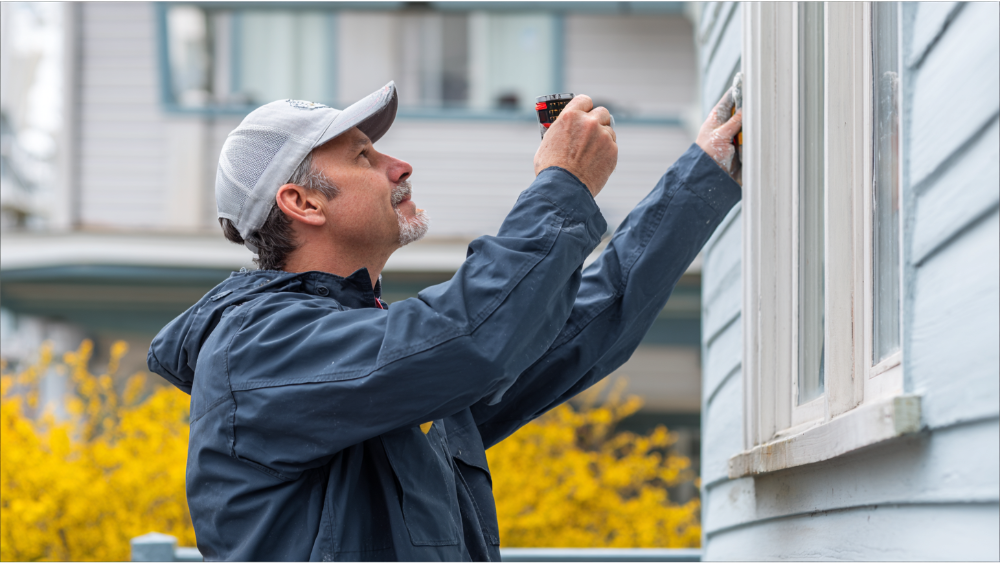
No matter the season, paint should only be applied to dry surfaces. Wet wood, siding, or trim can cause major issues with adhesion.
Proper preparation includes cleaning, sanding, scraping, and allowing enough time for surfaces to dry fully. Addressing damaged areas before painting helps ensure the home’s exterior is protected once the house painted project is complete.
Paint Products Designed for Cooler or Variable Weather
Modern paints are more flexible than older formulas. Water based paint products often perform well in a wider range of temperatures, while oil based paint may require stricter conditions.
Even so, most paints still rely on dry surfaces and suitable temperatures. Product selection supports good timing, but it does not replace it.
How Long Exterior Paint Needs to Dry and Cure
Dry Time vs. Cure Time
Dry time refers to how long paint needs before it can be touched or recoated. Cure time is how long it takes to fully harden and reach maximum durability.
Paint dries on the surface first, then continues to cure over days or weeks. During this period, the paint film becomes stronger and more resistant to wear.
How Weather Extends or Shortens These Timelines
Weather has a direct impact on drying times. Cool air, high humidity, and limited airflow slow the process. Hot, dry air can cause paint to dry quickly, which may seem helpful but can create problems if it dries too fast.
Balanced conditions allow paint to dry evenly and fully dry before exposure to rain or moisture.
When Should You Start Planning Your Exterior Paint Project?

Ideal Planning Timeline (1–3 Months Ahead)
Planning ahead is key for a successful exterior painting project. In peak season, schedules fill quickly. Starting early allows time to evaluate the home, choose colors, and address repairs.
This preparation ensures the project can be completed during the best time with minimal delays.
Signs Your Home Shouldn’t Wait
If your home shows peeling paint, exposed wood, or moisture damage, delaying can lead to bigger issues. Paint protects the house exterior from water intrusion.
Once that barrier fails, repairs become more extensive. In these cases, painting sooner during suitable conditions can prevent further damage.
Can You Paint Your House Exterior Outside the “Ideal” Season?
Painting outside the ideal time is sometimes possible, but it carries more risk. Cold air, rain, and low temperatures increase the chance of failure.
Professional painters reduce risk by monitoring weather, using appropriate materials, and allowing enough time between coats. Homeowners attempting a painting project without this experience may struggle to achieve best results.
Cost Considerations Based on Time of Year
Does Exterior Painting Cost Less in the Off-Season?
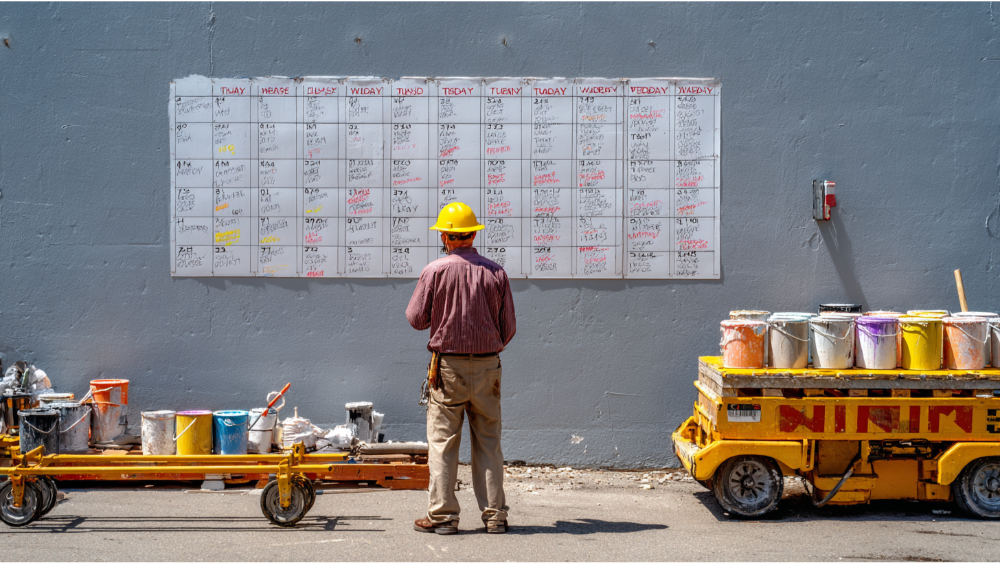
Some homeowners assume off season painting costs less. In reality, pricing depends on labor, prep, materials, and project scope.
Saving money by painting during poor conditions can backfire if the paint job fails early.
Protecting Your Investment with the Right Timing
Choosing the best time to paint protects your investment. A well timed project lasts longer and provides better UV protection and moisture resistance.
Quality timing supports long term durability and helps ensure the paint cures properly.
Frequently Asked Questions
What is the best month to paint a house exterior?
There is no single best month. In Western Washington, early summer through late summer often offers the most consistent weather, with early fall also working well when conditions are dry.
What temperature is too cold to paint a house outside?
Most paints should not be applied when temperatures drop below 50 degrees Fahrenheit. Cold temperatures slow curing and increase the risk of failure.
How long does exterior paint last if applied at the right time?
When applied under good conditions, exterior paint can last seven to ten years or more, depending on exposure and materials.
Can I paint my house exterior during the rainy season?
Painting during the rainy season is risky. Even if rain is not falling, surfaces may remain wet, which affects adhesion.
How do I know if my siding is dry enough to paint?
Surfaces should feel dry to the touch and show no signs of moisture. Professionals often use tools to confirm moisture levels before painting.
Is summer always the best time to paint in Washington?
Summer is often the best season, but early fall and late spring can also work when weather conditions are favorable.
Final Thoughts: Choosing the Right Time (and the Right Painter)
The best time of year to paint your home’s exterior depends on many factors. Temperatures, humidity, rain, and surface condition all matter.
In a northern climate, timing is critical. Planning an exterior painting project during dry, moderate weather helps ensure the paint dries properly and cures fully.
When you choose the right season and follow proven practices, the result is a durable, attractive finish that protects your house for years.
