
%201.svg)


What Temperature Is Too Cold or Too Hot to Paint Outside?
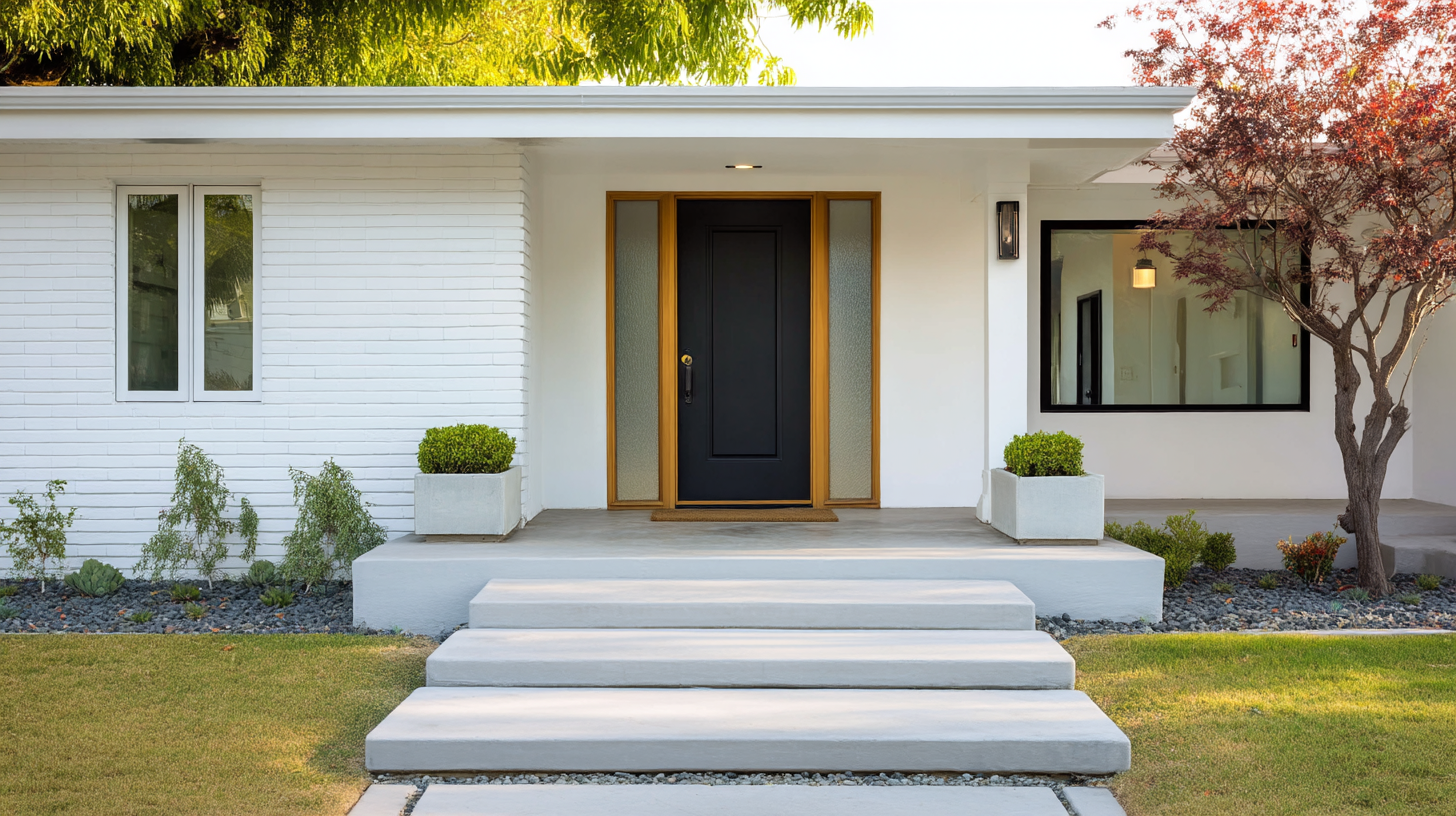
Homeowners ask us this every year: what temperature is too cold or too hot to paint outside? The answer is more detailed than most people expect. Exterior painting is not just about picking a dry day. Temperature, humidity, moisture, and sun exposure all affect how exterior paint performs on your home’s exterior. If conditions are wrong, even high-quality paint can fail early. A successful paint job depends on understanding how paint behaves in cold weather, warm conditions, and changing outdoor temperatures, especially here in Washington.
Here’s a quick answer: For most exterior paint products, it is too cold to paint outside when air and surface temperatures drop below 35 degrees Fahrenheit. It is too hot when surface temperatures climb above about 90 degrees, especially in direct sunlight. The best temperature range for most exterior painting projects is typically between 50 and 85 degrees with stable weather conditions.
Why Temperature Matters So Much for Exterior Painting
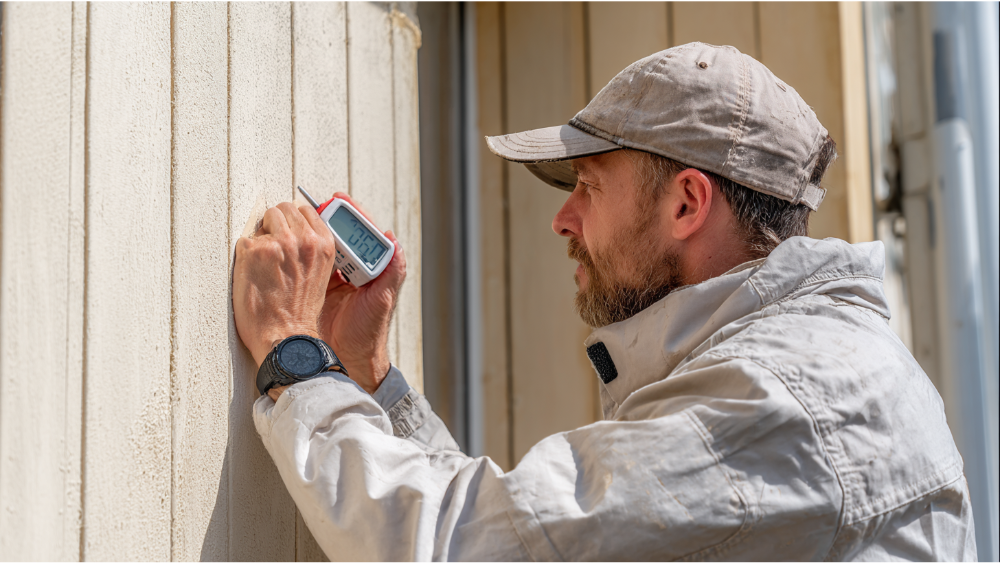
Paint does not simply dry; it cures. When paint dries, moisture evaporates. When paint cures, the resins bond to exterior surfaces and form a protective film. Temperature directly controls this process. If the painting temperature is wrong, paint adhesion suffers and paint’s durability is reduced.
Cold temperatures slow down curing. Low temperatures can cause latex paint to remain soft too long, making it vulnerable to moisture, dirt, and damage. Oil-based paint reacts differently. Oil-based paints thicken as temperatures drop, which can lead to poor coverage and uneven application.
High temperatures cause the opposite problem. Paint dries too fast, especially on hot surfaces or siding in direct sunlight. When paint dries too quickly, it cannot level properly. This results in lap marks, uneven sheen, and weaker bonding to building materials.
For any exterior painting project, temperature considerations are just as important as prep work and product selection.
What Is the Coldest Temperature You Can Paint Outside?
The Industry Minimum Temperature (2025 Standards)
Most paint manufacturer guidelines in 2025 list 35 degrees Fahrenheit as the minimum recommended temperature for applying exterior paint. This number applies to air temperature, surface temperature, and the temperature of the paint itself. It also applies to the hours after the paint is applied. Many products require air and surface temperatures to remain above the minimum recommended temperature for 24 to 48 hours.
Manufacturers like Benjamin Moore, Sherwin Williams, PPG, and Behr all publish similar standards for latex paint and water-based paints. These requirements exist because paint needs ample time to cure properly.
Why Painting Below 35 Degrees Causes Problems
When it is cold to paint, several things go wrong at once. Cold temperatures cause latex paint to thicken and lose its ability to flow smoothly. Brush and roller marks become more visible. Paint dries very slowly, which increases the risk of excess moisture settling on the surface.
Oil-based paints thicken even more dramatically in low temperatures. When oil-based paint becomes too thick, it does not spread evenly, which compromises the finish painting quality and long-term protection.
Low temperatures also interfere with coalescing agents in water-based paints. These agents help paint form a continuous film. If they cannot function properly, paint adhesion is reduced and the paint job may fail prematurely.
Cold Nights Versus Daytime Temperatures
Many homeowners focus only on daytime highs. This is a common mistake. Air temperature during the day may be acceptable, but temperature drops at night can ruin a fresh coat of paint.
In Washington, cold weather often brings significant overnight cooling. A day that reaches 45 degrees may still drop below freezing overnight. If paint has not cured properly before those temperature drops, the coating can be permanently damaged.
Professional painters always check air and surface temperatures over a full 24 to 48 hour window, not just the afternoon forecast.
Are There Cold Weather or Specialized Paints?
Some specialized paint products are formulated for cooler temperatures. These products still have limits and require careful planning. Cold weather painting often requires monitoring air temperature, surface temperature, and moisture levels throughout the day.
For most homeowners, relying on specialized paint alone is not enough. Timing, experience, and proper surface prep matter just as much.
What Is Too Hot to Paint Outside?
Upper Temperature Limits Explained
Just as cold temperatures cause problems, extreme temperatures on the high end also create risk. Many exterior paint products list 90 degrees as the upper end of their recommended temperature range for surface conditions. Some allow application up to 100 degrees, but that is usually the edge of acceptable conditions, not the ideal painting temperature.
High temperatures increase the risk of a poor paint job, especially during summer months when siding can absorb heat.
Why High Heat Causes Paint Failure
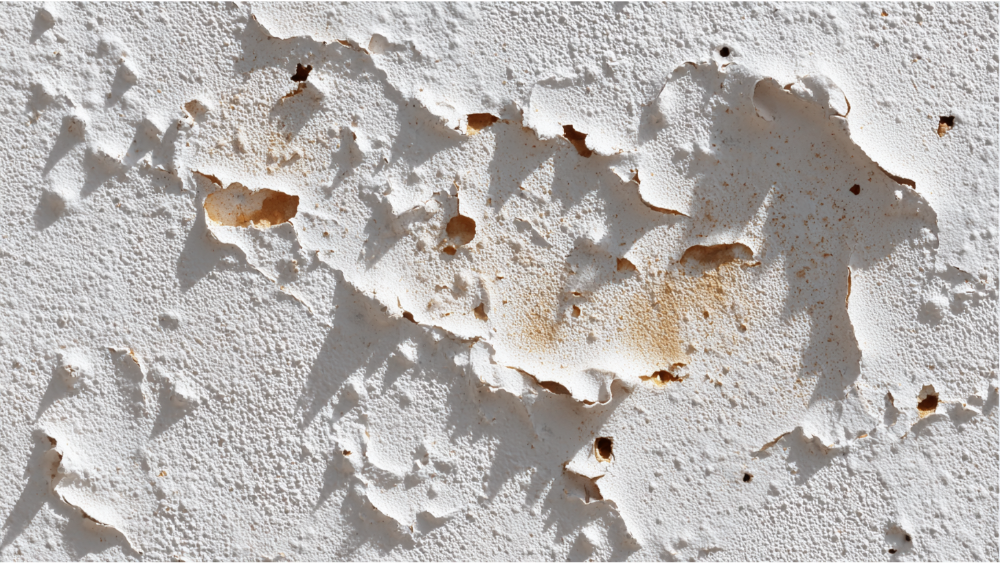
When paint is applied in high temperatures, it dries too fast. Fast drying prevents paint from leveling. This leads to visible lap marks and uneven coverage.
High temperatures also shorten drying times between coats, which can trick homeowners into applying a second coat too soon. Even if paint appears dry, it may not have cured enough to accept another layer, increasing the risk of peeling later.
Surface Temperature Versus Air Temperature
Surface temperature matters more than ambient air temperature. Exterior surfaces exposed to direct sunlight can become much hotter than the surrounding air. Dark siding, trim, and doors can reach dangerous temperatures quickly.
Professional painters use an infrared thermometer to check hot surfaces before painting. If surface temperature exceeds safe limits, they avoid painting until conditions improve.
The Most Overlooked Factor: Surface Temperature and Dew Point
Understanding Dew Point
The dew point is the temperature at which water vapor in the air condenses into liquid moisture. If a surface cools to the dew point, dew formation occurs even if there is no rain.
Paint should never be applied when surface temperature is too close to the dew point. Most guidelines recommend keeping the surface at least five degrees warmer than the dew point during application and early curing.
Moisture, Dew, and Coastal Weather
In the Pacific Northwest, excess moisture is a constant concern. Evening humidity levels rise, and cooler temperatures can cause dew to form overnight. Painting over damp surfaces traps moisture under the paint film.
Excessive humidity and high humidity slow drying times and increase the chance of failure. Moisture levels must be controlled to achieve a successful paint job.
Ideal Temperature Range for Exterior Painting
The ideal temperature range for most exterior painting projects falls between 50 and 85 degrees Fahrenheit. This range allows paint to dry and cure properly without rushing or stalling the process.
The optimal temperature also includes stable conditions. Large swings between day and night temperatures increase risk. Calm air, moderate humidity, and dry surfaces are all part of the best temperature range.
Late spring and early fall often provide the most reliable conditions for painting projects in our area.
Can You Paint Outside in Winter in Washington?

When Winter Painting Can Work
Winter painting can work during mild stretches when outdoor temperatures remain stable. South-facing walls that receive sunlight during the day often perform better. Using a moisture meter helps confirm that exterior surfaces are dry enough for paint.
Winter exterior painting projects require careful scheduling and patience. Each coat needs ample time to dry before temperature drops.
When to Avoid Painting in Winter
Cold weather combined with frequent moisture, low temperatures, and short daylight hours makes many winter days unsuitable. Freeze-thaw cycles are especially damaging to paint that has not cured properly.
In these conditions, it is often better to avoid painting and focus on repairs or preparation until conditions improve.
Can You Paint Outside in Summer Heat?
How Professionals Handle Warm Weather
Warmer temperatures can be manageable with the right approach. Professional painters often start early in the day, work on shaded sides of the house exterior, and rotate around the home to avoid direct sunlight.
This strategy keeps surface temperatures within a safe temperature range and protects paint’s durability.
Why Summer DIY Painting Often Fails
DIY projects in summer struggle because homeowners underestimate how fast paint dries. Chasing the sun around the home’s exterior often leads to inconsistent results and visible overlap marks.
Without experience managing high temperatures, it is easy to compromise the finish.
How Professional Painters Plan Around Temperature
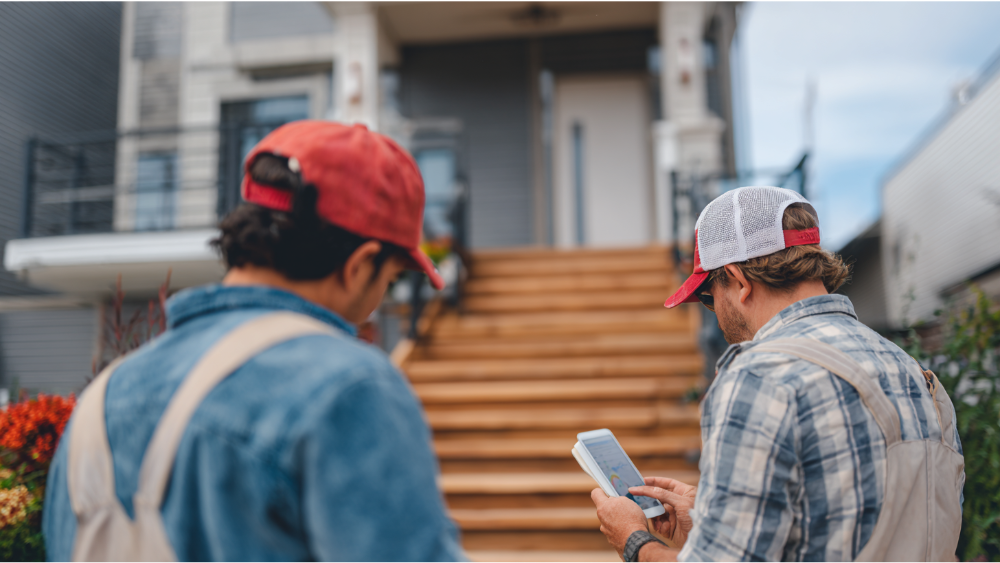
Professional painters plan painting projects around weather conditions, not calendars. They monitor air temperature, ambient air temperature, surface conditions, humidity level, and dew point.
Tools like infrared thermometers and moisture meters help confirm that surfaces are ready. If conditions are not right, professionals delay work rather than risking failure.
This approach protects the paint job and ensures the paint applied performs as intended.
How Cover Pro Painting Handles Temperature Sensitive Projects
At Cover Pro Painting, every exterior painting project starts with evaluating temperature, humidity, moisture, and sun exposure. We track air, surface, and weather conditions throughout the project. If conditions are not right, we avoid painting until they are.
This approach allows us to deliver a successful paint job and stand behind our work with confidence.
Frequently Asked Questions
Can you paint outside at 40 degrees?
Sometimes, but only if air and surface temperatures stay above the minimum recommended temperature and overnight temperature drops do not fall below safe limits.
Can you paint outside at 90 degrees?
It depends on surface temperature and sun exposure. Hot surfaces in direct sunlight often exceed safe limits even when air feels comfortable.
What happens if paint freezes overnight?
Paint that freezes before it cures can lose adhesion and fail early, even if it looks fine at first.
Is it better to paint in the morning or afternoon?
Morning is often better, as long as surfaces are dry and above the dew point. Afternoon heat can create hot surfaces quickly.
How long does exterior paint need before it gets cold?
Most products require 24 to 48 hours above the minimum recommended temperature.
Does humidity affect exterior painting?
Yes. Excessive humidity and high humidity slow drying times and increase the risk of moisture-related failures.
Final Takeaway: Temperature Determines Whether Exterior Paint Lasts
Painting outside is about timing and conditions. Cold temperatures, extreme temperatures, excess moisture, and direct sunlight all affect results. Choosing the right temperature range protects your investment and ensures long-term performance.
If you want exterior paint that looks good and lasts, temperature matters. Planning around the right temperature, not rushing the job, is the difference between a paint job that fails early and one that holds up for years.
