
%201.svg)


The Ultimate Guide: What is the Difference Between Interior and Exterior Paint

Key Takeaway:
Interior and exterior paints differ mainly in their formulation, with exterior paints designed to withstand harsh weather and UV rays, while interior paints focus on aesthetics and indoor air quality. Choosing the right paint involves considering the environment and application techniques for optimal results. Understanding these differences ensures a successful painting project tailored to specific needs.
The Ultimate Guide: What is the Difference Between Interior and Exterior Paint
Understanding Paint Formulations
Components of Interior Paint
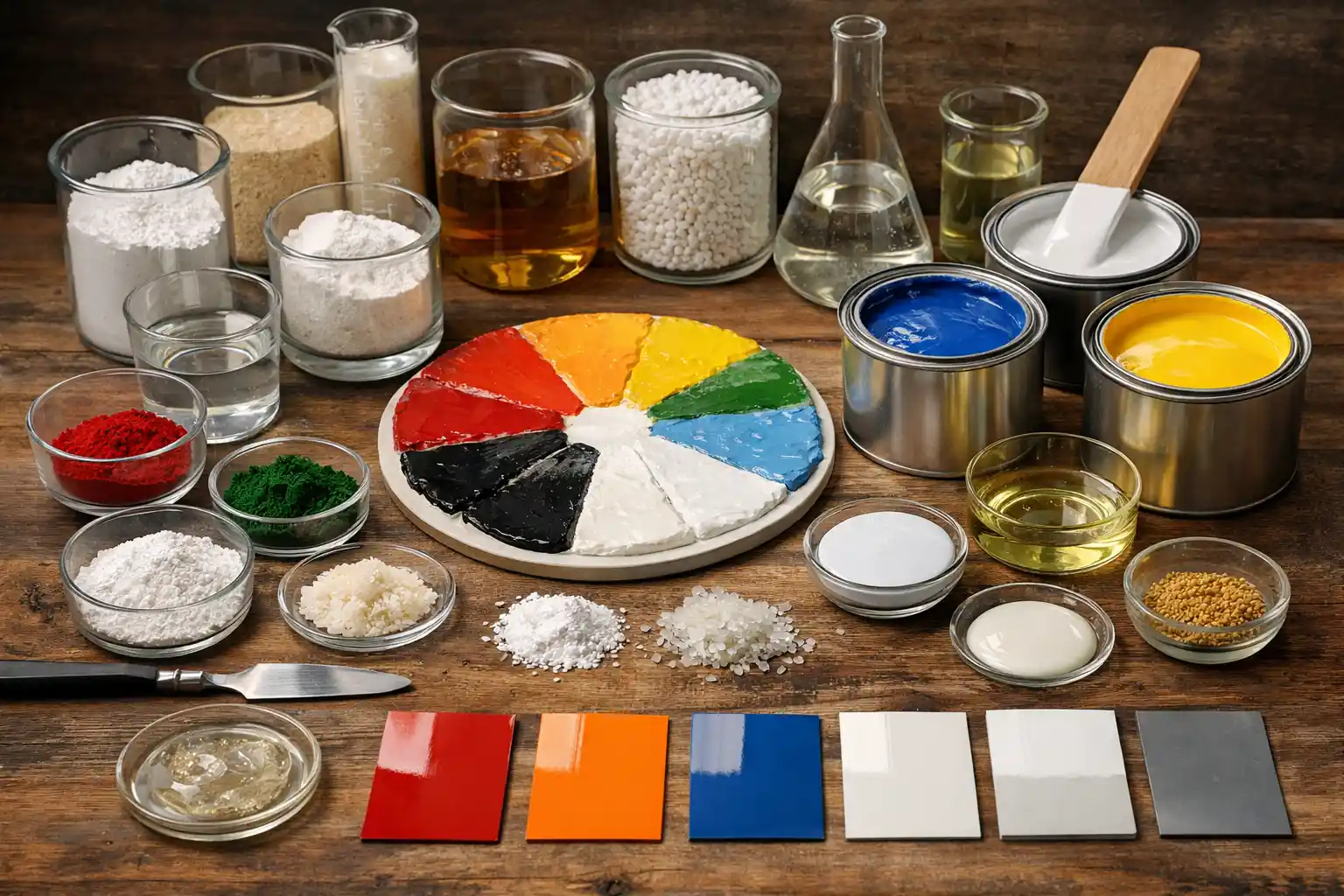
Interior paints are crafted to enhance the aesthetics and durability of indoor spaces. The primary components include binders, pigments, solvents, and additives. Most interior paints offer a smooth finish and are often available in a range of sheens, from flat to semi-gloss. The binders used in interior paints, such as acrylic or vinyl, help create a painted surface that is smooth and easy to clean, essential for maintaining high indoor air quality. Additives are included to enhance properties like stain resistance and ease of application. In addition to these, the paint chemistry of interior paints is often optimized to ensure they emit fewer volatile organic compounds, enhancing indoor air quality and making them safer for prolonged exposure.
Components of Exterior Paint
Exterior paint is formulated to withstand harsh weather conditions and exposure to UV rays. The resins used in exterior paints are typically more flexible and durable to resist fading and cracking due to extreme temperatures and direct sunlight. Paint manufacturers include additives for mildew resistance and weather resistance, crucial for exterior surfaces that face constant environmental stress. The pigments are designed to resist fading over time, ensuring that exterior paint colors remain vibrant. Furthermore, the basic components of exterior paint are selected to handle extreme temperatures, offering a protective barrier against the elements that can cause premature aging or damage to the painted surface.
Durability and Weather Resistance
How Exterior Paint Withstands the Elements
Exterior paint is engineered to withstand the elements, including rain, wind, and UV rays. Its formulation includes high-quality resins and pigments that provide a robust barrier against moisture and mildew growth. This makes it ideal for outdoor surfaces where paint cracking and peeling are common concerns. Paint chemistry plays a significant role in ensuring that exterior paint can withstand harsh weather conditions and maintain its integrity over time. Moreover, the use of organic pigments in exterior paints helps in resisting fading, even when exposed to prolonged direct sunlight, thereby maintaining the aesthetic appeal of the paint job.
Durability Features of Interior Paint
Interior paint focuses on durability against daily wear and tear rather than weather resistance. High-quality interior paints offer stain resistance and are easy to clean, making them suitable for areas with high traffic, such as kitchens and hallways. The paint dries to a smooth finish, which helps in maintaining the aesthetic appeal of interior walls. Additionally, the formulation often includes fewer volatile organic compounds (VOCs), enhancing indoor air quality. Interior paints are also designed to resist staining and are formulated to cover surfaces effectively, ensuring that they remain vibrant and clean with minimal maintenance.
Paint Application Techniques
Preparing Interior Surfaces for Painting
Proper preparation is key to a successful interior paint job. Begin by cleaning the surfaces to remove dust and grease. Fill any holes or cracks with a suitable filler, and sand the surface to ensure it is smooth. Use a primer to cover surfaces that have patches or old paint, providing a uniform base for the new paint. This step is crucial for achieving a professional finish and ensuring the paint adheres well. Professional painters often recommend using water-based paints for interior surfaces due to their ease of use and quick drying times, which facilitate efficient project completion.
Preparing Exterior Surfaces for Painting
Preparing exterior surfaces involves more rigorous steps due to exposure to harsh weather. Start by pressure washing to remove dirt and mildew. Address any issues such as wood rot or paint cracking to ensure a solid foundation. Priming is essential, especially on bare wood or where old paint has been removed. This preparation helps the paint adhere better and enhances weather resistance. Using the right paint, such as oil-based paints for rougher surfaces, can provide additional protection against weather conditions and improve the longevity of the paint job.
Technical Deep Dive: Paint Chemistry
Role of Binders and Pigments
The binders and pigments in paint play crucial roles in its performance. Binders provide adhesion, durability, and flexibility, while pigments give paint its color and opacity. In exterior paints, binders are chosen for their ability to withstand UV rays and moisture, while interior paints prioritize smooth application and resistance to wear. The selection of these components is pivotal in ensuring that the paint can handle extreme temperatures and resist environmental stressors, thereby prolonging the life of both exterior and interior paint applications.
Impact of Solvents on Paint Performance
Solvents are vital for controlling the flow and application of paint. They ensure that the paint remains liquid until it is applied, then evaporate as the paint dries. The choice of solvent affects drying time and the final finish. Oil-based paints, often used for exterior applications, offer excellent durability and adhesion but may contain higher VOC levels. These paints are ideal for projects that require multiple coats for better coverage and longevity, especially in outdoor environments where weather conditions can be unpredictable.
Eco-Friendly Paint Options in 2026
Advancements in Green Paint Technology
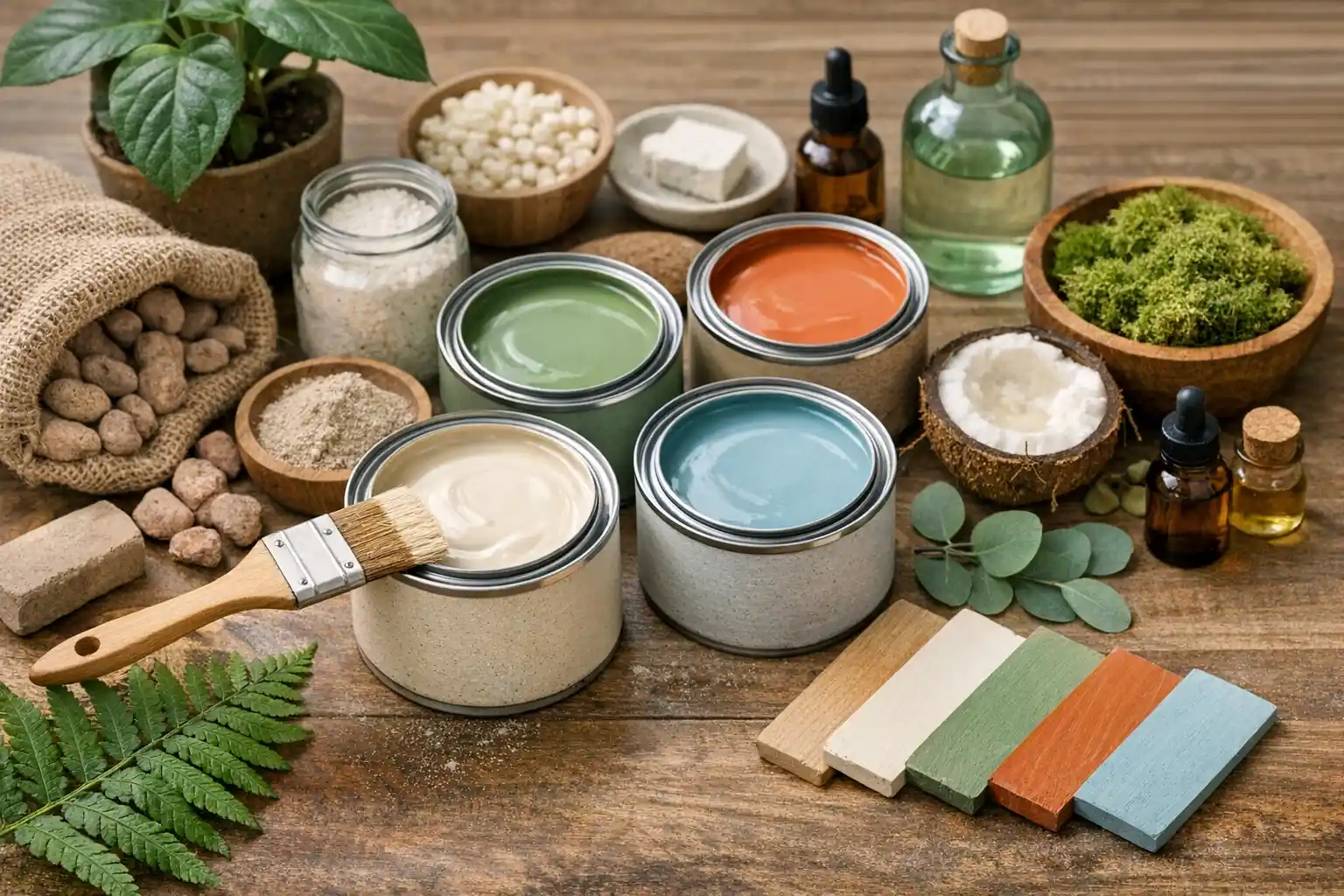
Eco-friendly paints have evolved significantly, with low-VOC and zero-VOC formulations becoming more prevalent. These paints reduce environmental impact and improve indoor air quality by minimizing harmful emissions. Paint manufacturers have also developed bio-based binders, further reducing the reliance on petroleum-derived materials. In addition, the development of water-based paints with enhanced performance characteristics has made them a preferred choice for both interior and exterior applications, contributing to sustainable building practices.
Choosing Sustainable Paints for Your Project
When selecting sustainable paints, consider certifications like GreenGuard or LEED, which indicate compliance with environmental standards. Opt for paints with low VOC content and those made from renewable resources. These choices not only benefit the environment but also contribute to healthier indoor spaces. Moreover, selecting stain-resistant and mildew-resistant formulations can enhance the longevity and aesthetics of both interior and exterior paint jobs, providing a cost-effective solution to long-term maintenance needs.
Choosing the Right Paint for Your Project
Considerations for Residential Painting
Residential painting requires careful selection of paint types based on the specific environment and use. For interiors, consider factors such as room function, lighting, and desired finish. Exterior projects demand paints that can withstand harsh weather and maintain color fidelity over time. Selecting the best paint involves assessing the specific needs of each area, such as using semi-gloss finishes for high-traffic areas for easier cleaning and durability.
Considerations for Commercial Painting
Commercial painting focuses on durability and maintenance. Choose paints that offer robust performance, are easy to clean, and meet aesthetic requirements. The right paint can enhance the building's appearance while minimizing maintenance costs over time. High-quality paints that resist fading and can withstand harsh weather conditions are essential for maintaining the exterior appearance of commercial properties, ensuring they remain attractive and functional over the long term.
Common Pitfalls in Paint Selection
Mistakes in Choosing Interior Paint
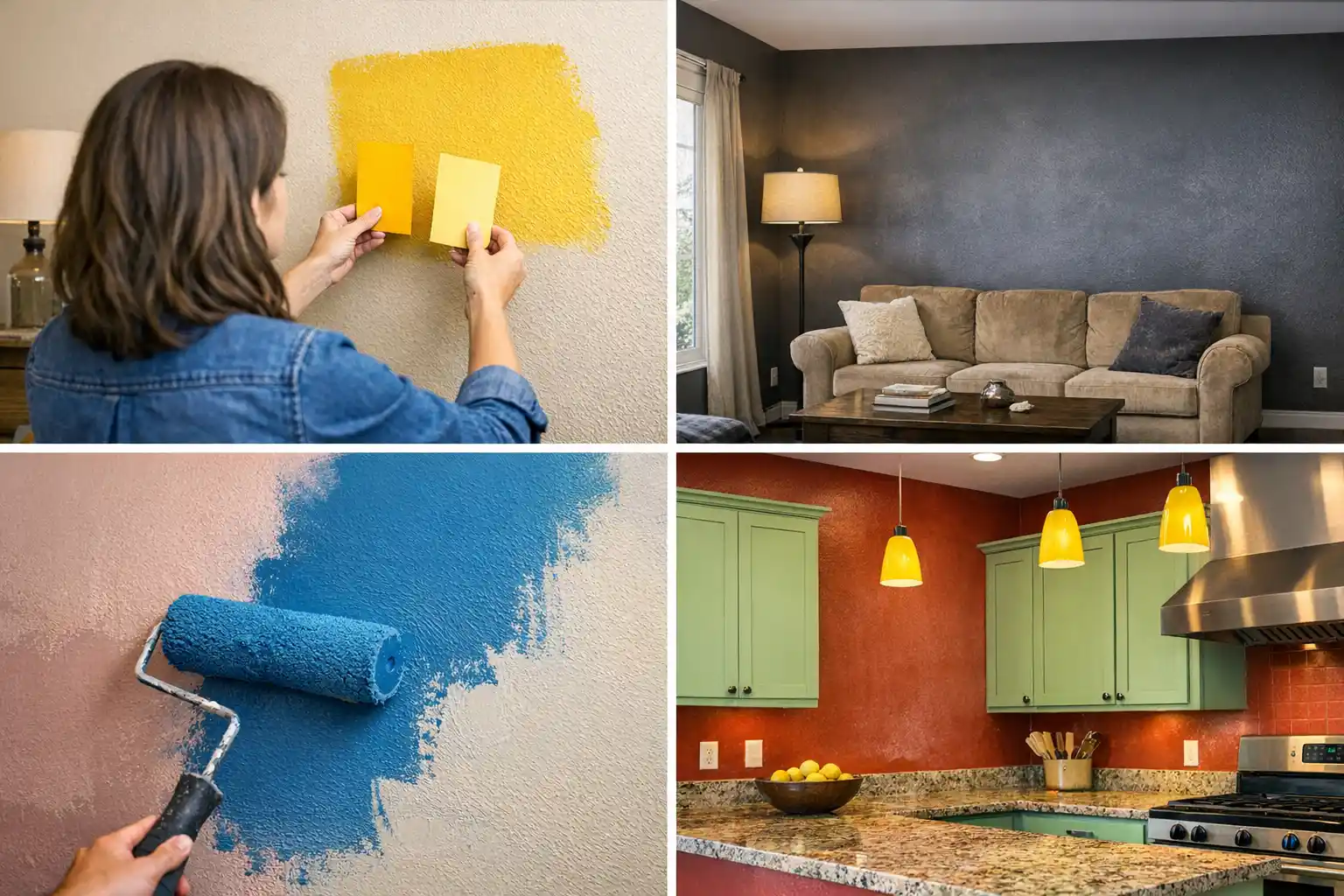
A common mistake in selecting interior paint is overlooking the room's function. Kitchens and bathrooms require paints that resist moisture and stains. Another pitfall is ignoring the impact of lighting on paint colors, which can alter perception. Additionally, failing to consider the impact of volatile organic compounds on indoor air quality can lead to health concerns, making it crucial to choose low-VOC options for indoor paint applications.
Missteps in Exterior Paint Selection
For exterior paint, a frequent error is underestimating the local climate's impact. Not all paints can withstand extreme temperatures or constant moisture. Selecting colors without considering how they might fade over time is another misstep that can affect the house's curb appeal. It's important to use paints that offer both mildew growth resistance and weather resistance to avoid frequent repainting and maintain the property's aesthetic appeal.
ROI & Cost Analysis of Painting Projects
Cost Considerations for Interior Projects
Interior painting costs vary based on room size, paint quality, and labor. Investing in high-quality paints can enhance durability and reduce the need for frequent repaints, ultimately offering a better return on investment. Using paints that offer easy maintenance and resist staining can further extend the life of the paint job, reducing long-term costs associated with upkeep.
Financial Implications of Exterior Painting
Exterior painting involves higher costs due to the need for durable, weather-resistant paints and extensive preparation work. However, a well-executed exterior paint job can significantly increase a property’s value and curb appeal, making it a worthwhile investment. The use of paints that can withstand extreme temperatures and offer UV protection can prolong the life of the paint job, ensuring that the investment remains valuable over time.
Local Insights for South Puget Sound Homeowners

Weather-Related Painting Challenges
The South Puget Sound area presents unique challenges for painting due to its moist climate. Selecting paints with mildew resistance and robust binders is crucial for longevity. Proper timing is also essential to avoid painting during rainy seasons. Utilizing painting techniques tailored for such climates, such as applying multiple coats for added protection, can help ensure the durability of the paint job.
Best Paint Types for Local Homes
For homes in the South Puget Sound, choose paints that are specifically formulated to resist moisture and mildew growth. Exterior paints should have excellent UV resistance to maintain color vibrancy, while interior paints should offer easy maintenance and low VOC levels. Acrylic paint is often recommended for its flexibility and resistance to cracking, making it an ideal choice for both interior and exterior applications in this region.
Expert Tips for Long-Lasting Paint Jobs
Maintenance Tips for Interior Paint
To maintain interior paint, regularly dust and clean walls to prevent buildup. Address any stains promptly with a mild cleaning solution. Using quality paint and applying it correctly will reduce the need for frequent touch-ups. Ensuring that the paint wet is applied evenly and allowed to dry thoroughly can prevent future issues and maintain the integrity of the painted surface.
Protecting Exterior Paint from Damage
Exterior paint requires regular maintenance to protect against the elements. Inspect and clean surfaces annually to remove dirt and mildew. Touch up any chips or cracks promptly to prevent moisture ingress that can lead to larger issues. Employing high-quality paints that offer mildew resistance and weather resistance is essential for prolonging the life of the paint job, especially in regions with harsh weather conditions.
Frequently Asked Questions
What are the latest eco-friendly paint options available?
Highlight the advancements in sustainable paint technology and their benefits.
How do I select the right paint for my commercial building?
Offer specific guidance based on durability, aesthetic, and environmental factors.
What is the importance of paint additives in exterior paint?
Explain how additives enhance paint performance and longevity against weather elements.
Why is paint consistency important when choosing exterior paint?
Discuss how thicker consistency helps in better adherence and resistance to peeling.
Can interior paint be used on exterior surfaces?
Clarify the differences in formulation and why each is suited to its specific environment.
What are the best practices for maintaining painted surfaces?
Provide actionable tips for both interior and exterior paint maintenance.
How does climate affect paint selection in the South Puget Sound area?
Address local climate challenges and suggest suitable paint types.
