
%201.svg)


What Is the Best Paint for Doors? A Pro Painter’s Guide for Interior and Exterior Doors
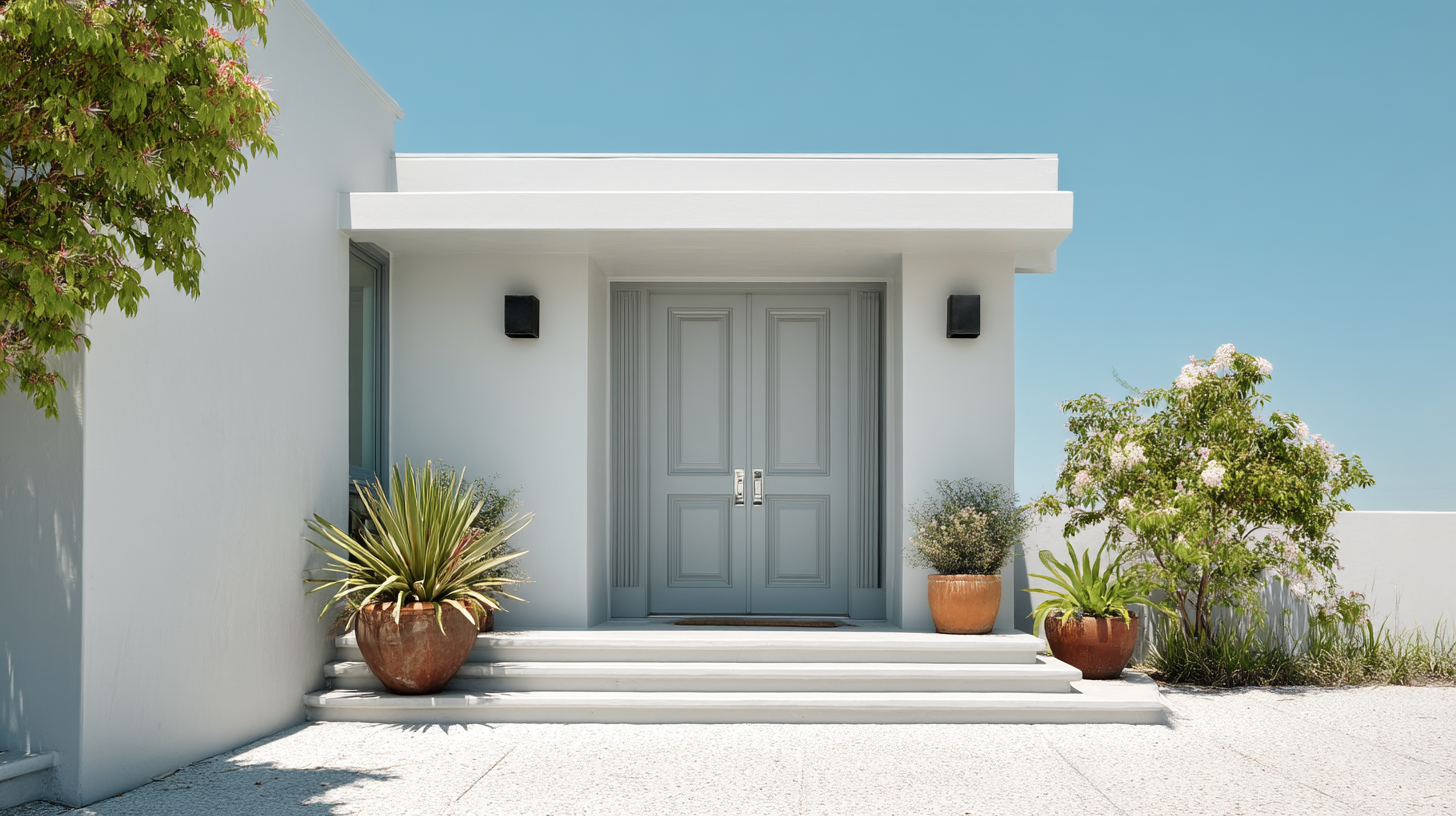
Here’s a quick answer: What is the best paint for doors depends on where the door is located, how often it is used, and the finish you want. For most homes in 2025, the best paint is a high quality door paint or trim paint that is specifically designed for durability. Water based paint with urethane or alkyd technology performs extremely well, while oil based paint still has a place in certain situations. Choosing the right paint, using proper primer, and following the correct process is what delivers a smooth finish that stands up in high traffic areas.
Doors play a major role in how a room looks and feels. They are part of the living space, they frame walls, and they connect doors and trim visually throughout the house. Because doors are touched constantly, they need a durable finish that holds up to frequent use. Painting doors correctly is very different from painting walls, and using the wrong paint choice often leads to brush marks, stains, and an uneven finish. This guide explains the best paint options for interior doors and exterior door projects, based on real world results from our expert team.
What Makes a Paint Good for Doors?
Not all paint is built to handle the wear doors face every day. The best paint for doors is formulated to cure harder and last longer.
Durability and Hardness
Doors are high traffic areas, especially those near kitchens, bathrooms, and main living space entry points. A door paint with exceptional durability protects the entire surface from dents and scratches. This is why trim paint and interior door paint are better choices than standard wall paint.
Block Resistance and Frequent Use
When doors are used frequently, soft paint can stick to the door frame or trim. This problem is common when oil based paint is applied incorrectly or when low quality water based paint is used. Door paint made for frequent use reduces sticking and protects the surface.
Leveling and Smooth Appearance
A smooth finish matters on doors because light reflects across flat panels. Paint that levels well helps reduce brush marks and creates a professional finish.
Color Stability
White and light colored doors need paint that resists yellowing. Modern water based paint options outperform traditional oil based products in this area.
The Best Types of Paint for Doors in 2025
There is no single product that works for every door, but there are clear categories that deliver the best paint performance.
Water Based Enamel Paint
Water based paint designed for doors and trim is one of the best paint options for most interior projects. These products offer excellent coverage, low odor, and strong durability. They are easier to work with than oil based paint and clean up with water.
Oil Based Paint
Oil based paint is still used in certain situations, especially on older wood doors or metal surfaces. It creates a very hard coat and can deliver a smooth finish when applied correctly. However, oil based products take longer to fully dry and require more careful ventilation.
Hybrid Enamels
Some modern products combine oil based performance with water based convenience. These are often used for painting interior doors, cabinets, and trim when homeowners want fewer coats and a durable finish.
Why Wall Paint Falls Short
Standard wall paint is designed to flex with walls. Doors need paint that can stand up to frequent use, door hardware contact, and cleaning. Using wall paint on doors often leads to early failure.
Best Paint for Interior Doors
Interior doors are one of the most visible elements in a room and need to balance durability and aesthetic appeal.
Solid Wood Doors
Wood doors require proper sanding and primer to prevent grain from showing through the final coat. A tinted primer can help achieve even color and fewer coats.
Hollow Core and MDF Doors
These doors are common in modern houses. The edges absorb paint easily, so primer is critical. Lightly sand the surface and seal edges before applying interior door paint.
Previously Painted Doors
When doors are previously painted, the existing surface needs to be cleaned and lightly sanded. This step helps the new coat of paint bond correctly and prevents an uneven finish.
Painting interior doors often ties into larger interior projects where doors and trim need to match throughout the house.
Best Paint for Exterior Doors
An exterior door faces weather, sunlight, and moisture.
Weather and Light Exposure
Exterior door paint must handle direct light and moisture without peeling. Oil based paint and certain water based exterior products are commonly used here.
Material Considerations
Exterior doors may be wood, fiberglass, or metal surfaces. Each material requires the right primer and paint finish for long term durability.
Matching Doors and Trim
Exterior doors and trim should work together visually while still offering protection. A semi gloss or gloss paint finish is common because it sheds dirt and resists stains.
What Sheen Is Best for Doors?
Semi Gloss
Semi gloss is the most popular sheen for doors. It offers a slight shine, cleans easily, and stands up well in high traffic areas.
Satin and Satin Finish
A satin finish provides a softer look and works well in low traffic areas. Satin still offers durability but does not highlight imperfections as much as gloss.
Low Sheen Options
Low sheen and low gloss finishes are rarely recommended for doors because they show dirt and wear more quickly.
Best Paint Brands for Doors
While technique matters most, brand quality does make a difference.
Benjamin Moore Door and Trim Paints
Benjamin Moore offers several products that are specifically designed for interior door paint and trim paint. Their lines are known for smooth application and durability.
Matching the Product to the Job
The best interior door result comes from matching the paint finish, primer, and application method to the specific door.
Proper Door Prep Is Critical
Most door failures come from poor preparation, not bad paint.
Cleaning and Dust Removal
Doors collect dirt and oils from hands. Cleaning the surface and wiping with a tack cloth removes dust before painting.
Sanding and Surface Prep
Lightly sand the entire surface to remove gloss and smooth imperfections. Sanding helps prevent brush marks and improves adhesion.
Priming the Surface
Primer is essential, especially on bare wood or repaired areas. A coat of primer creates a uniform base and improves durability.
Hardware Removal
Removing door hardware prevents drips and creates a cleaner professional finish. Hardware should be reinstalled after the final coat is fully dry.
Brush, Roller, or Spray for Painting Doors?
Using a Paint Brush
A quality paint brush can deliver excellent results when paired with the right paint. Technique matters to avoid brush marks.
Rolling Doors
Rolling works well for flat panels when the right tools are used. Proper rolling helps create a smooth finish.
Spraying for a Professional Finish
Spraying doors is often used for cabinets and furniture as well. It delivers the most even coat of paint and reduces texture.
Common Door Painting Mistakes
Skipping primer, using wall paint, rushing drying time, and closing doors before the coat is fully dry are common mistakes. Another issue is ignoring edges, which leads to peeling and stains over time.
When to Hire a Professional Painter for Doors
Painting doors takes time, patience, and the right tools. Multiple doors, bold colors, or projects involving cabinets and trim are often best left to professionals. An expert team understands how to prep, apply two coats evenly, and protect the surrounding space.
FAQs About the Best Paint for Doors
What is the best paint for doors inside a home?
The best interior door option is a durable enamel trim paint that offers excellent coverage and stands up to frequent use.
Can I use the same paint on doors and trim?
Yes, doors and trim are often painted with the same trim paint for consistency.
How many coats are needed when painting doors?
Most doors require a first coat and a final coat, with proper drying time in between. Some paints achieve coverage with fewer coats.
Is oil based paint still a good choice?
Oil based paint can still perform well, especially on wood or metal surfaces, but water based paint is more common today.
Should door paint match the walls?
Doors can match walls, but many homeowners prefer contrast to create visual interest and improve aesthetic appeal.
Final Thoughts
The best paint for doors is one that balances durability, appearance, and proper preparation. Interior doors, exterior door projects, and doors in high traffic areas all require thoughtful paint choice and technique. When done right, a fresh coat transforms a room, protects the surface, and helps the entire house stand up to daily life. Choosing the right paint, primer, and finish is what separates a short term fix from long lasting results.
