
%201.svg)


What is Residential Painting: A Comprehensive Guide to Mastering Every Detail

Key Takeaway:
Residential painting encompasses a variety of techniques and materials to transform and protect homes. This guide covers everything from choosing the right paint to avoiding common pitfalls, ensuring a professional finish every time. Discover how residential painting adds value and aesthetic appeal to your property.
What is Residential Painting: A Comprehensive Guide to Mastering Every Detail
Understanding Residential Painting
Definition and Scope
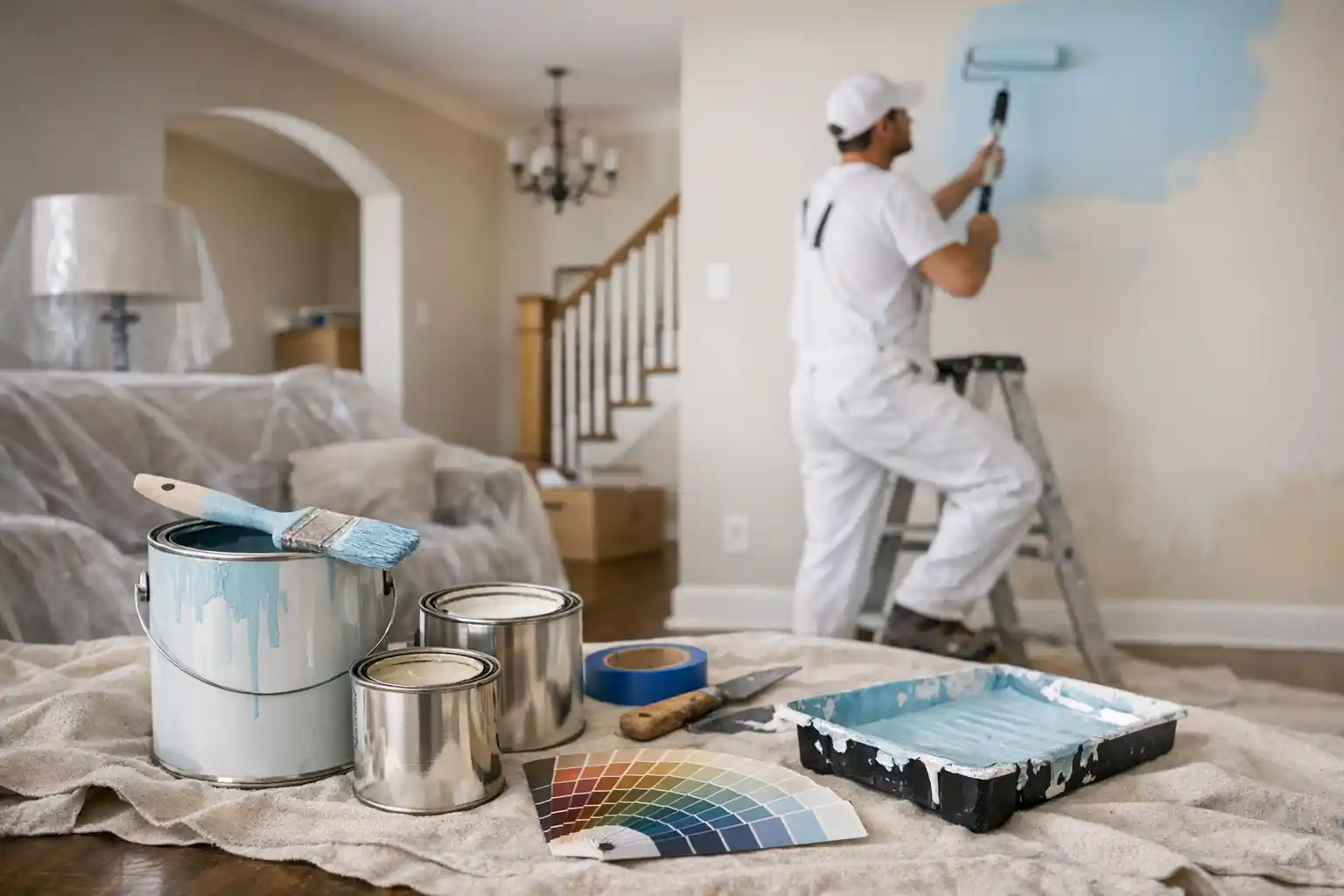
Residential painting involves enhancing and protecting the interior and exterior surfaces of homes through the application of paint. Unlike commercial painting, which often focuses on large-scale commercial projects, residential painting is tailored to private living spaces, emphasizing aesthetics and durability. Whether it's a single room or an entire house, residential painting requires a keen eye for detail and a deep understanding of different materials and techniques. Cover Pro Painting excels in this realm by employing advanced equipment and specialized tools, ensuring that every residential project is executed with precision and care.
Importance of Residential Painting
The importance of residential painting extends beyond mere aesthetics. It serves as a protective barrier against environmental elements, preventing damage and decay. Regular painting can significantly extend the lifespan of your home’s exterior and interior surfaces. Moreover, a well-executed paint job can increase property value, making it a worthwhile investment. Professional painters understand the nuances of residential and commercial painting, ensuring that the specific needs of residential projects are met with precision. In commercial and residential painting, the ability to differentiate between these environments is crucial for achieving optimal results.
Types of Residential Painting
Interior vs. Exterior Painting
Interior painting focuses on enhancing the look and feel of indoor spaces, utilizing color schemes and finishes that complement the home’s design. Exterior painting, on the other hand, must withstand weather conditions, requiring paints that offer durability and protection. The difference between residential and commercial painting lies in these nuances—residential painters specialize in creating inviting, personalized environments, whereas commercial painting often targets functionality and uniformity in commercial properties. For commercial and industrial painters, understanding these differences is key to delivering satisfactory outcomes for all types of painting projects.
Specialized Painting Services
Specialized services in residential painting include trim and door painting, which require specific techniques to achieve smooth, streak-free finishes. Additionally, services like eco-friendly painting are gaining popularity, offering health and environmental benefits. Residential painting services often involve detailed project management to address specific client needs, ensuring that every aspect of the painting project is executed flawlessly. The use of commercial-grade paints in high-traffic areas within homes is also becoming a common practice to ensure longevity and quality.
Choosing the Right Paint

Types of Paints
Choosing the right paint is crucial for achieving the desired finish and longevity. Options range from water-based to oil-based paints, each suited for different surfaces and conditions. Paints with commercial-grade durability are often used for high-traffic areas, while specialty paints are ideal for unique requirements like moisture resistance in bathrooms. Professional residential painters specialize in selecting the appropriate paint type for each project, balancing aesthetics with practical considerations.
Eco-friendly Options
Eco-friendly paints are becoming a preferred choice for homeowners due to their low volatile organic compound (VOC) content, which minimizes environmental impact and health risks. These paints offer the same durability and color range as traditional options, making them a viable choice for any residential painting project. Additionally, the use of eco-friendly products aligns with current trends in commercial and residential painting, emphasizing sustainability in both private and commercial spaces.
Preparation Techniques for Quality Results
Surface Cleaning and Repair
Proper surface preparation is the cornerstone of a successful painting job. This involves thorough cleaning and repair of all surfaces to be painted, addressing any rot or damage beforehand. Techniques include sanding, filling cracks, and ensuring the surface is free from debris, which can affect paint adhesion. In commercial painting projects, especially in commercial buildings, surface preparation is critical to avoid disrupting business operations and ensure a smooth application process.
Priming and Sealing
Priming is essential for creating a uniform surface that enhances paint adhesion and durability. Sealing, particularly in areas prone to moisture, further protects surfaces and ensures a lasting finish. Professional painters use specialized tools and primers tailored to the surface material, ensuring that the painting project meets high standards of quality. In commercial and industrial settings, primers play a crucial role in preparing large surfaces for advanced equipment application methods such as spraying.
Quick Tip: Always use a high-quality primer to prevent peeling and ensure better paint adhesion, especially on previously unpainted surfaces or when changing paint colors drastically.
Technical Deep Dive into Painting Techniques
Brushing vs. Spraying
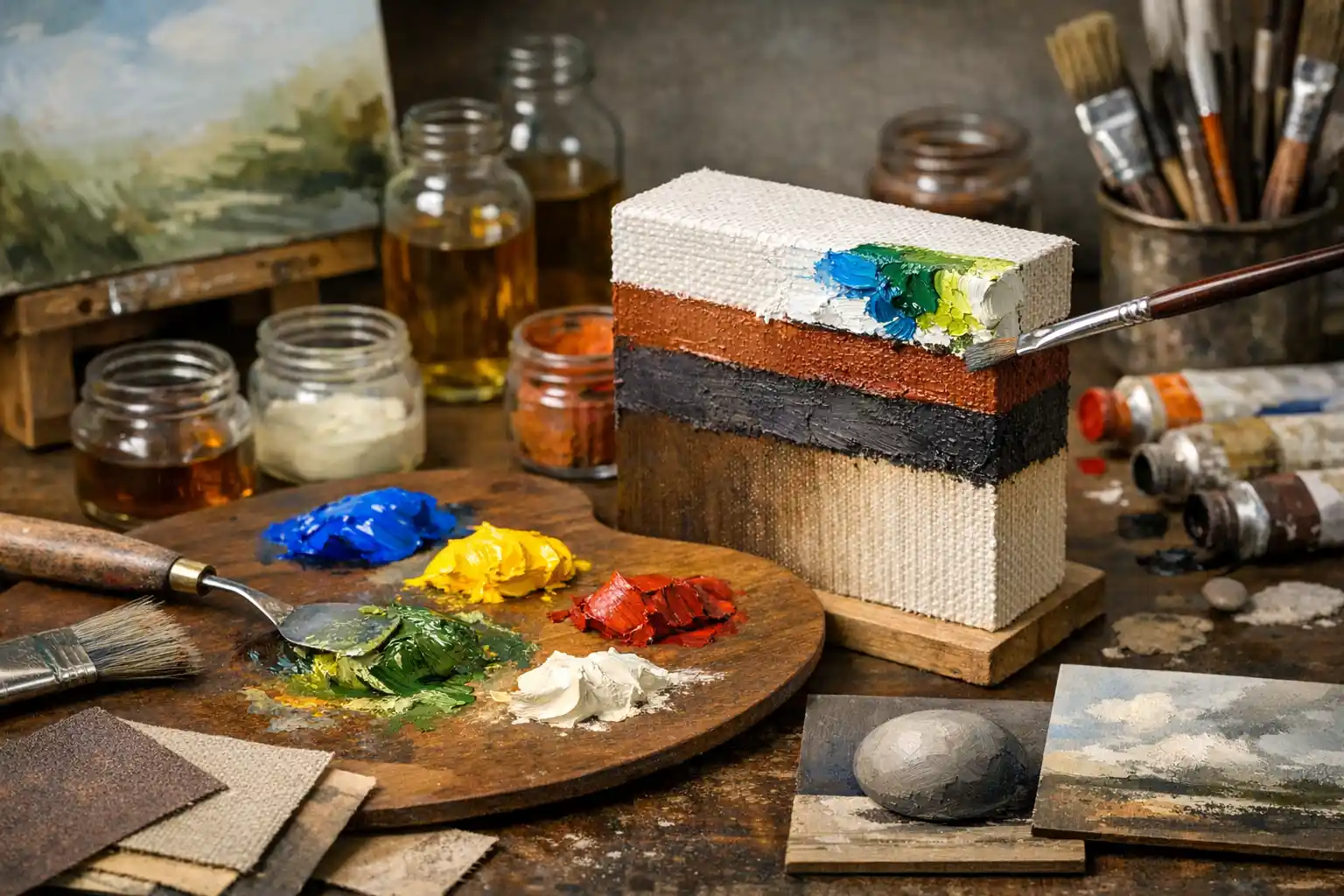
The choice between brushing and spraying depends on the project scope and desired finish. Brushing is ideal for detailed work and smaller areas, providing control and precision. Spraying, meanwhile, is efficient for covering large areas quickly and provides a smooth, even finish. Understanding the difference between these techniques is crucial for selecting the right approach for each part of a home. In commercial paint jobs, spraying is often preferred due to its efficiency and ability to cover extensive square footage uniformly.
Advanced Techniques and Equipment
Advanced painting techniques involve the use of specialized equipment like paint sprayers, which offer speed and consistency. Professional painters also utilize advanced methods such as faux finishes and texturing to create unique effects. The choice of technique and equipment is determined by the surface, square footage, and specific client requirements, ensuring a professional finish. For commercial painting contractors, such advanced techniques and the use of industrial equipment are essential in meeting the demands of large-scale projects.
Ensuring Safety and Compliance
Safety Precautions
Safety is paramount in any painting project. This includes using protective gear, ensuring proper ventilation, and adhering to safety protocols to prevent accidents. For tall buildings, specialized equipment and techniques are employed to ensure worker safety at heights. In commercial facilities, maintaining safety standards is crucial to avoid disrupting business operations during painting activities.
Regulatory Compliance
Compliance with local regulations is essential, particularly in terms of licensing, bonding, and insurance. Homeowners should verify that their painting contractor meets these requirements, ensuring peace of mind and protection against potential liabilities. For commercial painting companies, adherence to regulations not only ensures legal compliance but also enhances trust and credibility with clients.
ROI & Cost Analysis of Residential Painting

Cost Factors in Residential Painting
The cost of residential painting projects varies based on factors like size, complexity, and materials used. Labor costs, type of paint, and required preparation work also influence the final price. Understanding these factors helps homeowners budget effectively and set realistic expectations for their painting jobs. For commercial spaces, cost analysis becomes more complex, as it may involve additional considerations such as the use of more painters and specialized equipment to handle larger projects.
Value Addition Through Professional Painting
Investing in professional painting services can add significant value to a property. A high-quality paint job enhances curb appeal, attracts potential buyers, and can lead to a higher sale price. The expertise of residential and commercial painters ensures that the painting project not only meets aesthetic goals but also contributes to the home’s long-term value. In commercial properties, the return on investment is often reflected in improved brand image and customer perception.
Common Pitfalls and How to Avoid Them
Weather Challenges
Weather plays a crucial role in the success of exterior painting projects. Unfavorable conditions like rain or extreme temperatures can affect paint application and drying times. Planning around weather forecasts and choosing the right season for painting can mitigate these challenges. For commercial jobs, scheduling painting during business hours when weather conditions are favorable is essential to avoid unnecessary delays.
Surface Preparation Mistakes
Improper surface preparation is a common mistake that can lead to paint failure. Skipping steps like cleaning, sanding, or priming can result in poor adhesion and peeling. Professional painters ensure comprehensive preparation, addressing these pitfalls to achieve a flawless finish. In both commercial and residential painting, meticulous preparation is key to preventing costly rework and ensuring customer satisfaction.
Local Expertise: Painting in the South Puget Sound Area
Climate Considerations
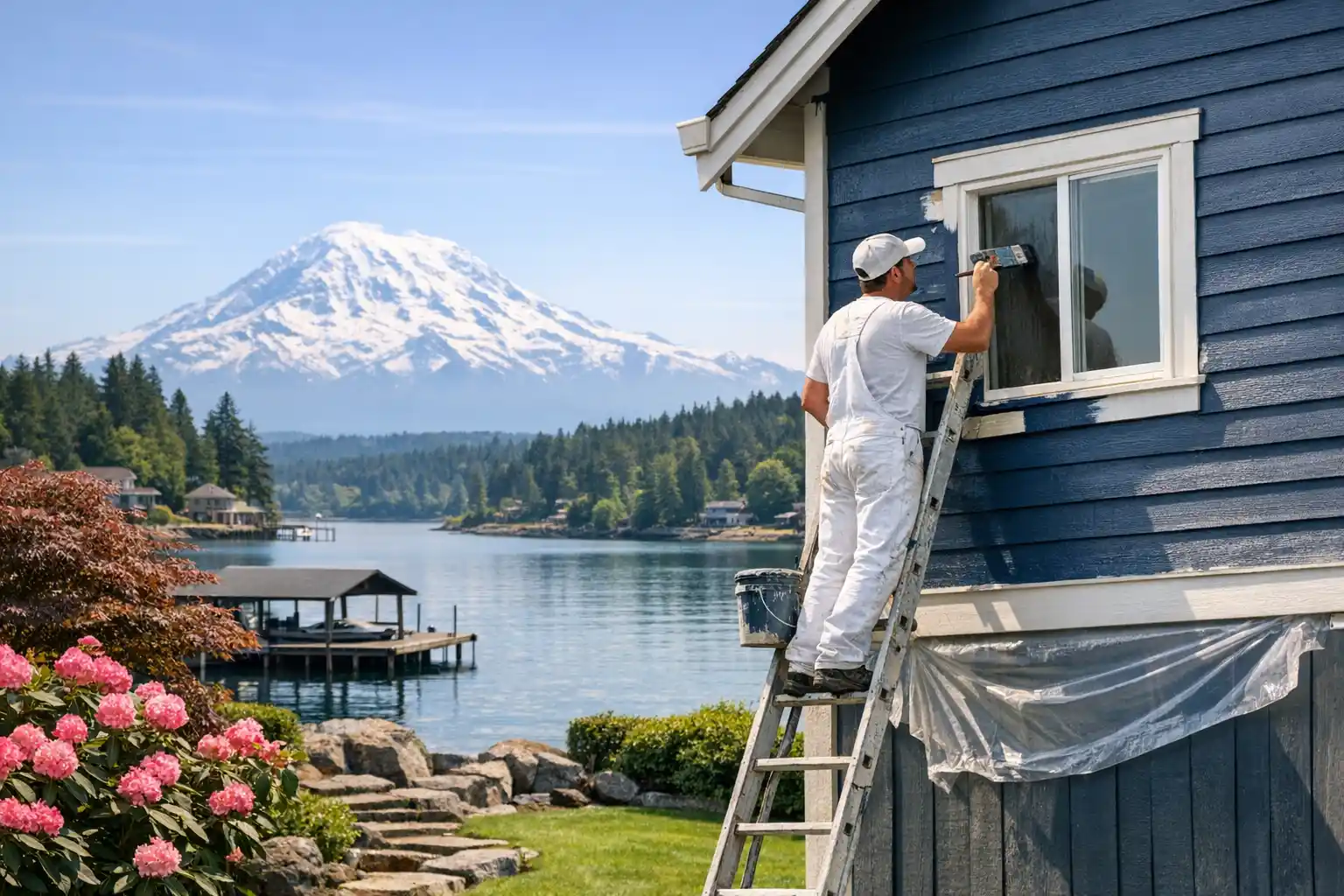
The South Puget Sound area presents unique climate challenges for residential painting, including frequent rain and humidity. Choosing paints that can withstand these conditions is essential for long-lasting results. Local painters understand these nuances, providing tailored solutions that protect homes effectively. In commercial projects, selecting the appropriate materials that can endure the local climate is equally important for maintaining the integrity of commercial buildings.
Local Trends and Preferences
Trends in the South Puget Sound area often lean towards earth tones and natural finishes that complement the region’s landscape. Understanding local preferences ensures that painting projects align with community aesthetics, enhancing both personal satisfaction and property value. For commercial painting services, incorporating local trends can enhance brand relevance and appeal to local customers.
The Cover Pro Painting Promise
Our Commitment to Quality
At Cover Pro Painting, we pride ourselves on delivering top-tier craftsmanship and unparalleled customer service. Our commitment to quality is reflected in our meticulous attention to detail and use of premium materials. We stand by our work with a five-year workmanship warranty, ensuring that every project meets our high standards. Our team of residential and commercial painters is dedicated to transforming spaces into vibrant, welcoming environments.
Customer Satisfaction and Warranty
Customer satisfaction is at the heart of our operations. From detailed proposals to consistent follow-ups, we ensure a seamless experience for our clients. Our warranty offers peace of mind, reinforcing our dedication to excellence and reliability in every residential painting project we undertake. For more information about our services, visit our services page or contact us to discuss your next painting project.
Frequently Asked Questions
What are the benefits of using eco-friendly paints in residential settings?
Eco-friendly paints offer health benefits by reducing exposure to harmful VOCs, contribute to environmental sustainability, and often provide enhanced durability and performance.
How do I choose a reliable residential painting contractor?
To choose a reliable contractor, check their credentials, request past work examples, and read customer reviews. Ensuring they are licensed and insured is also crucial.
What challenges might I face during the residential painting process?
Common challenges include weather conditions affecting drying times and surface preparation mistakes that can lead to paint failure. Hiring experienced professionals can help mitigate these issues.
How often should I repaint the exterior of my home?
The frequency of repainting depends on factors like climate and the quality of the previous paint job. Generally, every 5-10 years is recommended for maintaining appearance and protection.
Are there any new trends in residential painting I should be aware of?
Current trends include the use of eco-friendly products and modern color palettes that focus on natural tones and textures, enhancing both aesthetics and environmental responsibility.
What should I do to prepare my home for painting?
Preparation involves cleaning surfaces, repairing damage, and protecting areas not being painted. Detailed planning ensures a smooth and efficient painting process.
How does weather affect the painting process?
Weather conditions can impact paint application and drying times. It's important to schedule painting projects during favorable weather to ensure optimal results.
