
%201.svg)


What Interior Wall Colors Make Small Rooms Look Bigger?
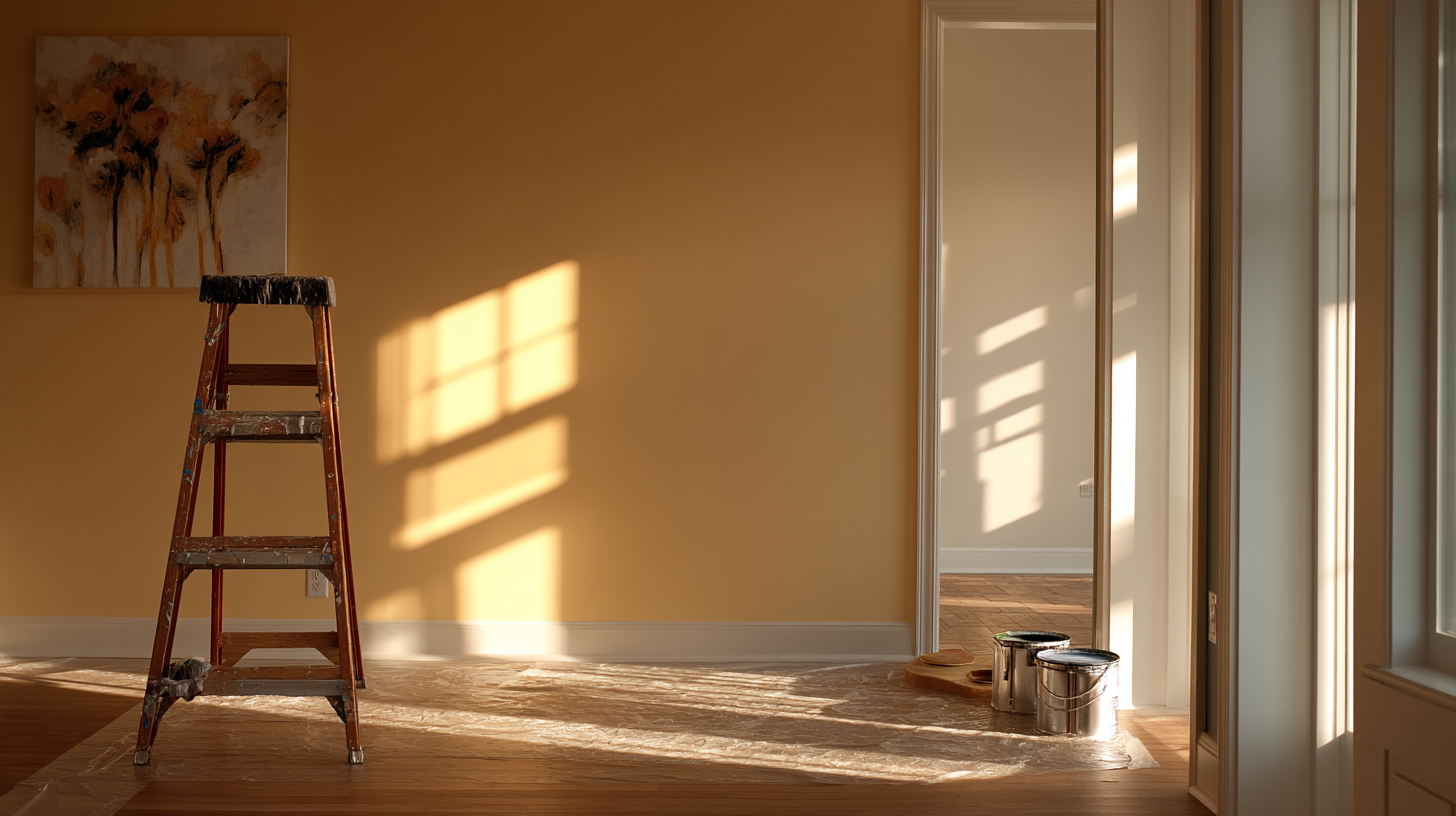
When homeowners ask what interior wall colors make small rooms look bigger, they are usually dealing with a real, everyday problem. A bedroom feels tight. A bathroom feels boxed in. A laundry room has little natural light and never quite feels comfortable. The truth is that paint has a huge impact on how a room feels, often more than furniture or decor. The right paint color can change the impression of a space, help it reflect light, and create an airy, expansive feel even when the square footage stays the same. In this guide, we explain how paint color, light, and finish work together to make a small room feel larger, brighter, and more inviting, using practical ideas that work in real homes.
Here’s a quick answer:
Light colors make small rooms look bigger because they reflect light and reduce contrast. Whites, light beige, light taupe, pale blues, soft gray, and warm neutral shades help a small room feel larger. Using the same color on walls and ceiling, or staying within the same hue, also helps make a room feel open. The right paint color paired with good lighting can make a small room feel bigger without structural changes.
Why Paint Color Changes How Big a Room Feels
Paint color directly affects how light moves through a room and how your eye reads the space. Light colors bounce light around the room, while darker colors absorb it. When walls reflect light, the space feels brighter and more open. When walls absorb light, the room can feel closed in. This is especially noticeable in small spaces where there is little natural light. Color contrast also matters. Strong contrast between walls, trim, doors, and ceiling breaks up the visual flow and makes a room feel smaller. Using softer contrast and fewer color changes helps create a sense of continuity and makes a room feel larger.
The Best Interior Wall Colors to Make Small Rooms Look Bigger
White and Off-White Paint Colors
White remains one of the most effective choices to make a small room feel bigger. It reflects light better than almost any other color and helps brighten rooms with windows as well as rooms with little natural light. Off white shades with warm undertones often perform better than stark white, especially in Washington homes where the sun can be filtered by clouds. White walls paired with a white ceiling help reduce visual breaks and make the space feel continuous. Using one white shade on all the walls can help a small room feel larger and more cohesive.
Light Neutral Colors, Beige, Greige, and Light Taupe
Light neutral paint colors are a popular option for homeowners who want warmth without closing in the room. Beige, greige, and light taupe shades add softness while still reflecting light. These colors work well in a living room, dining room, or bedroom where comfort matters as much as brightness. A light taupe color can create depth without feeling dark, especially when paired with light floors and simple furniture. Keeping the trim close to the wall color helps the room feel larger and less busy.
Soft Blues and Blue Grays
Blue is known for creating a sense of distance, which makes it ideal for small spaces. Pale blues and soft blue gray shades recede visually, helping walls feel farther apart. These cool colors work well in a bedroom, bathroom, or home office where calm is important. Blue can also help a small room feel larger when paired with white trim and light floors. Avoid heavy or dark blue shades in small rooms unless they are used on one wall only.
Light Greens and Subtle Earth Tones
Soft green shades like sage or muted olive can work surprisingly well in small spaces. These colors feel natural and balanced, especially when there is little natural light. Light green walls can brighten a laundry room or bathroom while still feeling warm. When paired with simple decor and minimal contrast, green tones can help make a space feel comfortable and open rather than tight.
Can Dark Colors Ever Make a Small Room Look Bigger?
Darker colors can sometimes add depth, but they must be used carefully. A dark accent on one wall can create the illusion of depth, especially when the other walls are light. Using darker colors on all the walls of a small room usually makes the space feel smaller and heavier. If you want to experiment with dark paint, limit it to one wall and make sure the room has enough light to balance it.
Paint Finish Matters More Than Most Homeowners Realize
Paint finish affects how much light is reflected or absorbed. Flat paint absorbs light and can make a small room feel dull. Eggshell and satin finishes reflect light more evenly and help brighten the space without showing too many imperfections. In a bathroom or laundry room, a satin finish is often a good choice because it handles moisture and still reflects light. Choosing the right finish helps make a room feel larger and more polished.
Ceiling and Trim Color Strategies That Increase Perceived Space
Should the Ceiling Match the Walls?
Painting the ceiling the same color as the walls, or just slightly lighter, reduces visual breaks and helps the ceiling feel higher. This technique works well in small bedrooms and bathrooms where a white ceiling might create a strong contrast. Using the same hue helps the room feel continuous and open.
Using White or Soft Trim to Frame the Room
Trim color plays a role in how a room feels. Bright white trim against darker walls creates contrast that can shrink a space. Softer trim colors or trim painted close to the wall color help the room feel larger. Doors painted to match the walls also reduce visual clutter and help the space feel smoother.
Lighting and Natural Light, Choosing the Right Color for Your Home
Lighting changes everything. A room with lots of windows can handle cooler colors, while rooms with little natural light benefit from warmer tones that help reflect light. Artificial lighting also affects how paint looks. Warm bulbs can enhance beige and yellow tones, while cooler bulbs can emphasize gray and blue. Testing paint samples in different lighting conditions helps avoid surprises and ensures the room looks bright throughout the day.
Common Paint Color Mistakes That Make Small Rooms Feel Smaller
One common mistake is choosing paint that is too dark or too bold for a small room. Another is using too many contrasting colors on walls, trim, and ceiling. Dark floors paired with dark walls can also make a room feel heavy. Skipping surface prep can lead to uneven paint that absorbs light instead of reflecting it. These issues can all make a small room feel smaller than it needs to be.
Professional Tips Painters Use to Make Small Rooms Look Bigger
Professional painters focus on preparation because smooth walls reflect light better than textured or damaged surfaces. Clean lines around trim and ceiling help create a crisp, finished look. Applying the correct number of coats ensures even color and consistent light reflection. These details may seem small, but they create a huge impact on how a room feels once the job is complete.
Best Small Room Paint Colors by Room Type
Small Bedrooms
In a small bedroom, light colors help create a calm and open environment. Soft blue, light gray, beige, or warm white shades help the room feel restful and larger. Keeping the ceiling light and the furniture simple also helps enhance the space.
Small Bathrooms
Bathrooms often have limited windows and little natural light. Light paint colors with reflective finishes help brighten the room. Pale blues, soft green, and light gray work well in a bathroom and help the space feel clean and open.
Hallways and Entryways
Hallways benefit from consistent color that flows into nearby rooms. Using the same color throughout connected spaces helps the area feel less narrow. Light neutral paint paired with good lighting can make these small spaces feel larger and more welcoming.
Home Offices
In a small home office, light paint helps reduce visual clutter and keeps the room from feeling closed in. Soft neutral shades or pale blue can help the space feel calm and focused without feeling tight.
Living Room and Dining Room
In a small living room or dining room, light colors help reflect light and make the space feel more open. Neutral shades paired with simple furniture layouts allow the room to breathe. Avoid bold contrast that breaks up the space and makes it feel smaller.
Laundry Room
A laundry room often has little natural light and benefits greatly from bright paint. Light colors help brighten the space and make it feel cleaner and more functional. Soft yellow or warm white can help add warmth without shrinking the room.
How a Professional Color Consultation Helps Avoid Costly Mistakes
Choosing the right paint color is not just about picking a shade from a fan deck. It involves understanding lighting, floors, furniture, and how the space is used. A professional color consultation helps homeowners avoid repainting and ensures the room looks the way they expect once the paint is on the walls.
FAQs, Interior Wall Colors for Small Rooms
What is the best white paint for small rooms?
Warm whites often perform best, especially in rooms with little natural light. These shades help reflect light without feeling cold.
Should small rooms always be painted light colors?
Light colors usually work best, but darker colors can be used on one wall to add depth if balanced with enough light.
Do glossy paints make rooms look bigger?
Glossy paint reflects light but can show imperfections. Eggshell or satin finishes usually provide the best balance.
Can wallpaper or texture make a small room feel larger?
Heavy texture and bold patterns often make a room feel smaller. Smooth walls and simple colors work better in small spaces.
Does painting trim the same color as walls help?
Yes, using the same color or a very similar shade helps reduce contrast and makes the room feel larger.
Final Thoughts
The right paint color can completely change how a small room feels. Light colors, thoughtful finishes, and careful use of contrast help reflect light and create the illusion of more space. Whether it is a bedroom, bathroom, living room, or laundry room, choosing the right paint color makes a small room feel larger, brighter, and more comfortable. With careful planning and professional execution, paint alone can transform how your home feels every day.
