
%201.svg)


What Are the Best Conditions for Interior Painting?
.webp)
Here’s a quick answer: what are the best conditions for interior painting comes down to controlled indoor temperature, balanced humidity levels, steady airflow, and properly prepared interior surfaces. When these conditions for painting are right, paint dries at a predictable rate, paint adheres correctly, and the final paint finish looks smooth and lasts longer. When conditions are ignored, even quality paint can fail. As a local company that handles interior painting year round, we see how much temperature and humidity, weather conditions, and timing affect every interior painting project.
Here’s the Quick Answer: What Are the Best Conditions for Interior Painting?
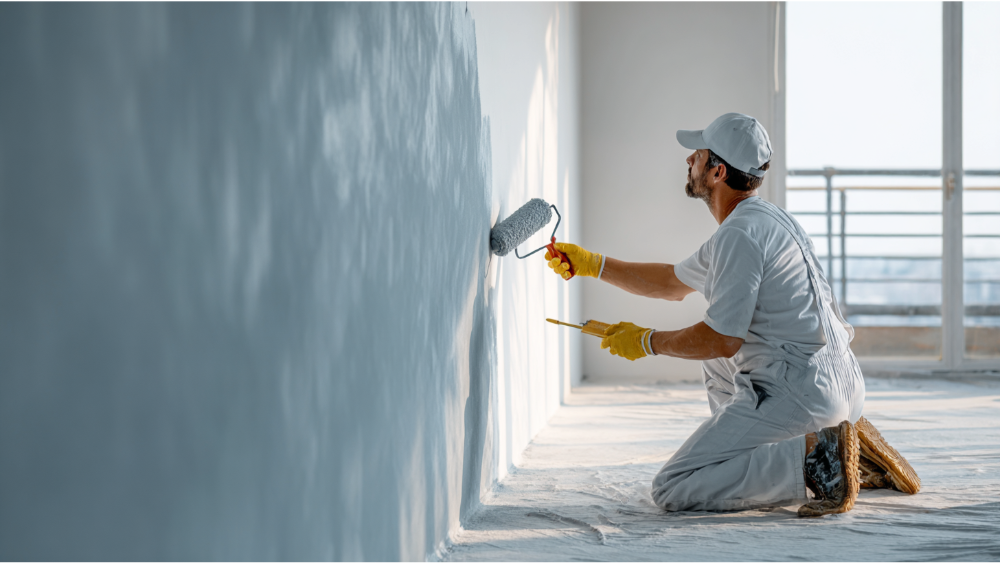
The best conditions for interior painting include an ideal temperature range above 50 degrees, moderate humidity levels between 40 and 60 percent, and proper ventilation throughout the painting process. Indoor temperature should remain steady before, during, and after you start painting. Interior projects also need dry, clean interior surfaces and enough airflow to manage paint fumes and help paint to dry evenly. These basics support a successful painting project and help avoid problems like uneven coverage, brush marks, or extended drying times.
Why Interior Painting Conditions Matter More Than Most People Realize
Paint is a chemical process, not just color on a wall
Every paint job relies on chemistry. When applying paint, solvents evaporate and binders harden so the paint adheres to interior walls and trim. If temperature drops, high humidity, or cold air interfere, the curing process slows down or becomes uneven. This is true for latex paint, latex based paints, and oil based paints. Paint may feel dry but still be vulnerable because paint dries in stages.
Common problems caused by poor conditions
When conditions for painting are ignored, we see peeling, uneven coverage, brush marks, and soft surfaces that scratch easily. High humidity and excess moisture can cause a slower drying process, while extreme heat or hot weather can cause paint to dry too fast. Cold weather and lower temperatures can prevent paint adhesion altogether. These issues often show up weeks later, long after a painting project seems complete.
Ideal Temperature for Interior Painting
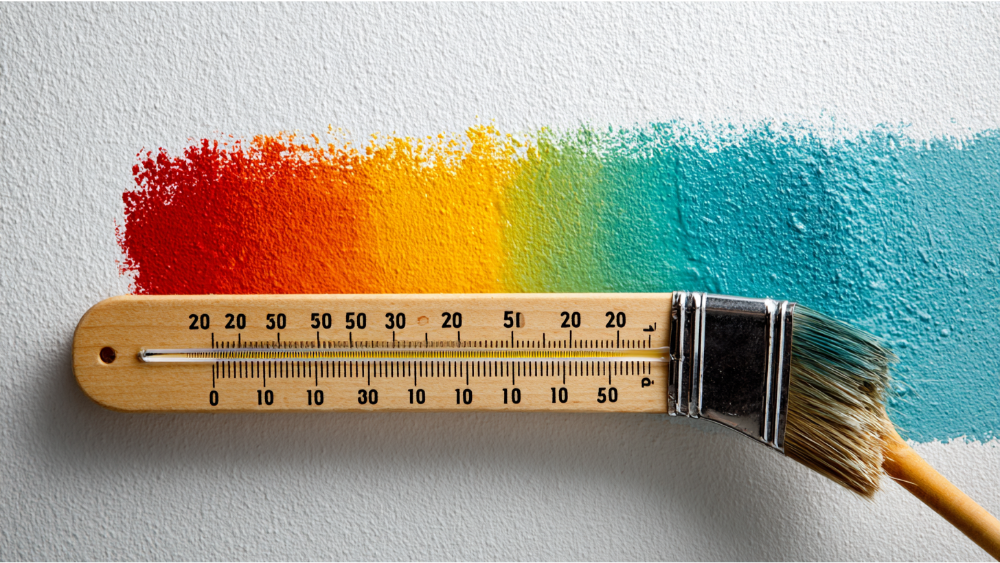
Manufacturer minimums vs real world best practice
Most paint materials list a minimum temperature of 50 degrees, but professional painters aim higher. The ideal temperature for painting indoors is usually in the 60 to 80 degree range, depending on the paint formula. This indoor temperature range allows paint to dry evenly and cure fully. Extreme temperatures, whether hot or cold, increase the risk of failure.
What happens if it’s too cold
Cold weather and cold air slow evaporation. Paint dries slowly, stays soft longer, and may not adhere properly to interior surfaces. Basements and rooms with exterior surfaces often have lower surface temperature than the ambient air, which increases risk during indoor painting jobs. Temperature drops overnight can undo progress made during the day.
What happens if it’s too hot
Extreme heat and hot weather can cause paint to dry before it levels. This leads to visible brush marks and uneven coverage. Direct sunlight coming through windows can heat interior walls unevenly, especially when natural light is strong. Avoid painting areas exposed to direct sunlight during peak hours.
Room temperature vs surface temperature
Air temperature alone is not enough. Interior walls, ceilings, and trim must also be within the proper temperature range. Professional painters allow homes to stabilize for at least a day before they start painting, especially during the winter season.
Best Humidity Levels for Interior Painting
Ideal indoor humidity range for paint
Humidity levels between 40 and 60 percent are ideal for most interior painting projects. These humidity levels allow paint to dry at a steady pace and help paint adhesion.
High humidity problems
High humidity and moisture in the air slow evaporation. Paint dries unevenly, sags, or remains tacky. Rainy weather outside often increases indoor humidity, even when windows are closed. Excess moisture also increases paint fumes lingering longer in the space.
Low humidity problems
Very dry air causes paint to dry too fast. This results in lap lines, rough texture, and uneven coverage. Maintaining balanced humidity levels supports a cleaner paint application.
How to control humidity indoors
Using a dehumidifier, running an air conditioner, or scheduling indoor painting during stable weather conditions helps control excess moisture. These steps are especially important for interior projects in older homes.
Ventilation: The Most Overlooked Condition
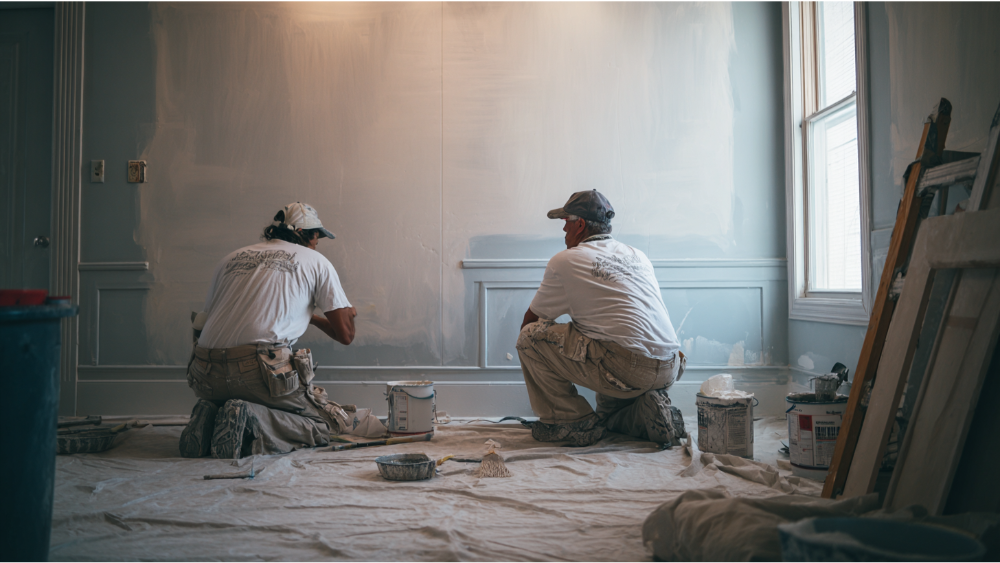
Why ventilation affects both safety and finish quality
Proper ventilation removes paint fumes and moisture while supporting even drying. Without airflow, wet paint stays soft longer and may trap odors.
Best ventilation practices during interior painting
Open windows when weather allows, use exhaust fans, and maintain gentle air movement. Proper ventilation should never create strong drafts that disturb wet paint.
Ventilation with modern low and zero VOC paints
Low VOC paints and zero voc paints are safer, but they still require airflow. Innovative paints and more innovative paints improve indoor air quality, but ventilation remains critical.
Timing Your Interior Painting Project
Best seasons for interior painting
Interior painting can be done year round when conditions are controlled. The winter season requires managing cold air and indoor temperature. Summer requires managing hot weather and humidity levels.
Painting during rainy months
Rainy weather increases moisture in the air. Interior painting is still possible, but humidity levels must be monitored closely.
Painting while living in the home
Painting indoors while occupied requires careful sequencing. Rooms must be allowed time for paint to dry before furniture returns.
How long to wait between coats
Paint to dry times vary. Temperature and humidity, paint formula, and thickness all affect how long paint dries. Rushing coats leads to adhesion issues.
How Preparation Supports the Right Conditions
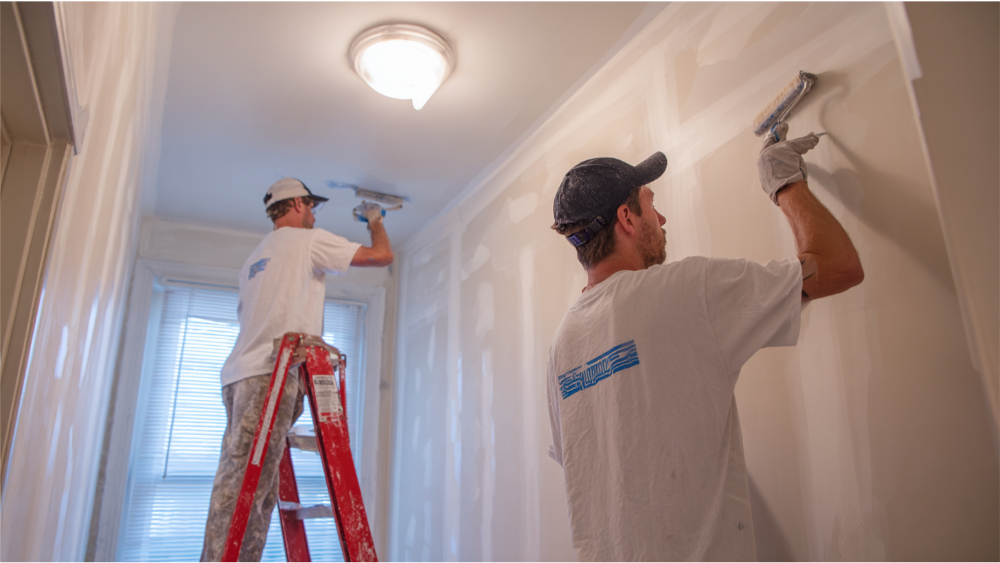
Clean, dry surfaces matter more than the calendar
Interior surfaces must be clean and dry. Dirt, grease, or moisture prevent paint adheres properly regardless of weather conditions.
Repairs and moisture issues before painting
Rot, leaks, or damaged areas must be fixed before any interior painting project begins. Painting over problems traps moisture.
Why professionals stage the space first
Professional painters protect floors, control airflow, and manage temperature before applying paint. This preparation supports consistent results.
Professional vs DIY: Who Controls Conditions Better?
Tools professionals use to manage conditions
Professional painters use moisture meters, space heater units, fans, and dehumidifiers to manage indoor painting conditions.
Common DIY mistakes related to conditions
Homeowners often avoid painting at the wrong times or ignore humidity levels. Starting a painting project without controlling conditions leads to failure.
When hiring a professional makes more sense
If your home has temperature swings, excess moisture, or complex interior surfaces, hiring professionals increases success.
FAQs: Best Conditions for Interior Painting
What is the minimum temperature for interior painting?
Most paint requires at least 50 degrees, but better results come from warmer, stable indoor temperature.
Can you paint inside during winter?
Yes, as long as cold weather is managed and temperature remains steady.
Is humidity or temperature more important?
Both matter. High humidity is often the bigger issue for indoor painting.
How long should paint dry before furniture is moved back?
Most fresh coat surfaces need at least 24 hours, with full curing taking longer.
Can I paint if it’s raining outside?
Yes, but monitor humidity levels and moisture in the air.
Do low VOC paints still need ventilation?
Yes, proper ventilation is still required.
Why does paint feel dry but still get damaged?
Paint dries on the surface first. Full curing takes longer.
Final Thoughts: Getting the Conditions Right Makes the Paint Last
Every successful painting project depends on the right environment. Whether you are painting indoors, working on interior projects, or planning exterior painting projects separately, conditions matter. Avoid painting during extreme temperatures, manage humidity levels, and allow paint to dry properly. When conditions are controlled, quality paint performs as designed, interior walls look better, and the paint job lasts longer.
