



Waterproof Paint: When It Works, When It Fails, and What to Fix First
Key Takeaway
Waterproof paint resists liquid water when matched to the right surface and exposure, but it cannot fix active leaks, hydrostatic pressure, rot, or failed drainage. Some masonry coatings are tested to around 34 psi, yet that lab rating is not a field guarantee. Identify your water source first, correct it, then choose a coating built for your specific surface and prep it properly.
Waterproof paint resists liquid water only when it's matched to the exact surface and exposure, and only when it goes over a sound, properly prepared substrate. It cannot repair active leaks, failed drainage, rot, or flooding. If water is still getting in from somewhere, a coating will just hide the problem for a while and then peel. So before you buy any paint, the real question is simpler than "which paint is most waterproof?" It's what kind of water are you trying to stop?
This article is for homeowners and businesses weighing a moisture-related paint project and trying to decide whether paint will actually solve it. We'll walk through when a coating genuinely helps, when it's the wrong tool, and what needs to be fixed first for the result to last.
What "Waterproof Paint" Actually Means
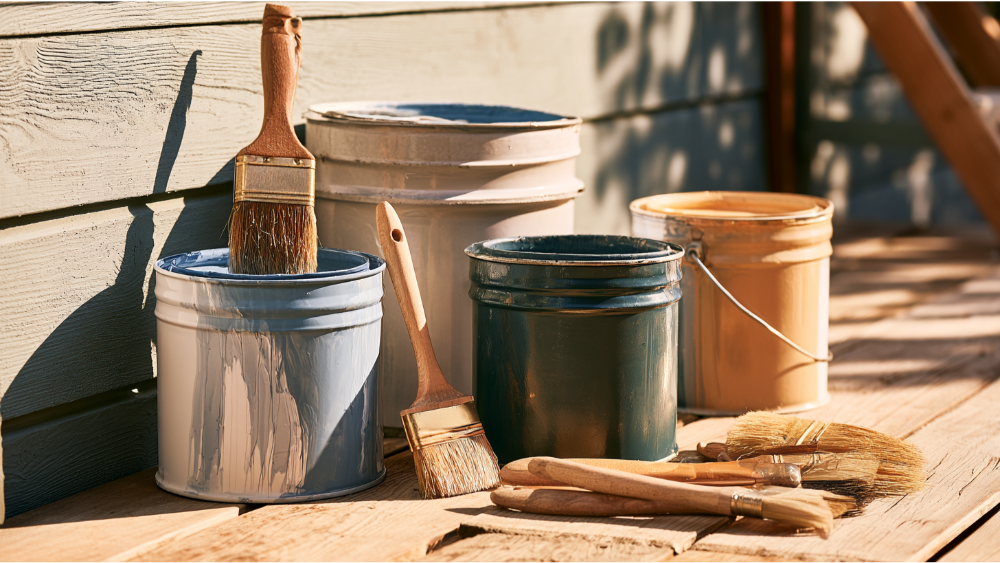
"Waterproof paint" is an umbrella phrase, not one standardized product. What gets sold under that label ranges from everyday finishes to specialized coatings built for harsh exposure. Each one is engineered for a specific surface and a specific type of water contact.
- Moisture-resistant decorative paint: interior finishes that shrug off humidity and splashes, common in kitchens and bathrooms. Many come in a matte or low sheen and a wide range of colours, including the clean white and soft gray tones people favor in these rooms, along with deeper black accents.
- Masonry waterproofing coatings: made for concrete, brick, and damp masonry.
- Elastomeric coatings: thick, flexible films for exterior walls and masonry.
- Floor and epoxy systems: hard-wearing coatings for garage and concrete floors, and for some tile surfaces after proper prep.
- Bituminous coatings: applied to sub-grade foundations to protect against groundwater.
- True waterproofing membranes: full systems, not paint, used where water pressure or direct wetting is involved, such as around swimming pools.
Applied correctly on the right surfaces, these coatings extend the life of what's underneath. Applied to the wrong surface, they don't.
Waterproof vs. Water-Resistant vs. Mildew-Resistant
These three claims get used interchangeably, and they shouldn't be. They describe different things.
Liquid-water resistance is the coating's ability to block standing or running water. Vapor permeability is a separate property: a good waterproof paint often needs to let some water vapor pass through the film so moisture doesn't get trapped behind it. That permeability varies by product and has to be measured, not assumed. A coating can resist liquid water and still allow vapor, but not every waterproofing coating is automatically vapor-open.
Mildew and mold resistance is a feature of the paint film itself. It slows mildew growth on the surface of the dried coating. It does not remove existing mold or eliminate the moisture feeding it. More on that below.
Identify the Water Source Before You Choose a Coating
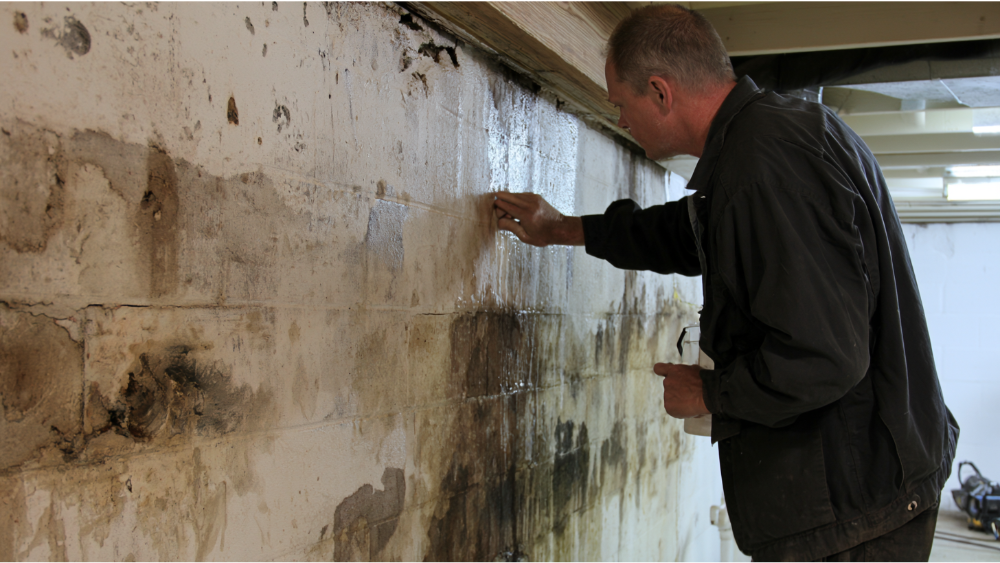
Start here, every time: what kind of water are you dealing with? A product list is useless until you know the source and the surface. The type of water, and the pressure behind it, decides whether any coating can help.
Water sourceWhat it usually meansHumidity and condensationA moisture-resistant interior finish plus better ventilation.Splashing outside the shower zoneA scrubbable, moisture-resistant coating.Wind-driven rainA compatible exterior or masonry coating, after the surface is assessed.Capillary moisture in masonryConfirm and correct the moisture before coating; it can wreck the film.Hydrostatic pressure (groundwater)A drainage and waterproofing problem, not a paint problem.Plumbing, roof, gutter, siding, or flashing leaksFix the leak first. Paint does nothing here.Flooding or standing waterA water-management or recovery solution, not a coating.
Waterproof coatings are commonly used in basements to manage minor dampness, but they are not a substitute for correcting an active source. If the water keeps coming, the coating fails. Diagnosing the source first is the honest starting point, and it saves you from paying twice.
Where Waterproof Paint Helps on Interior Walls and Exterior Walls
When the surface is sound and the moisture source is under control, the right coating does real work.
- Bathroom and laundry walls outside the direct wet zone, where a moisture-resistant finish handles humidity and the occasional splash.
- Sound exterior siding and trim, where a premium exterior paint protects against weather, moisture, and wear.
- Above-grade masonry and stucco, where a masonry coating reduces rainwater absorption.
- Selected bare basement masonry, where a purpose-designed coating can help with minor dampness after the source is addressed.
- Compatible concrete floors, where an epoxy system stands up to traffic and moisture.
- A deck, patios, balconies, and walkways, where an outdoor-rated coating adds abrasion resistance and sheds water from foot traffic.
Elastomeric paint earns its place on exterior masonry because it flexes. It bridges hairline cracks and moves with the surface through temperature swings instead of cracking apart. Every one of these only performs on a surface that's been properly prepped, whether you're treating interior walls or exterior walls.
When Waterproof Paint Is the Wrong Solution
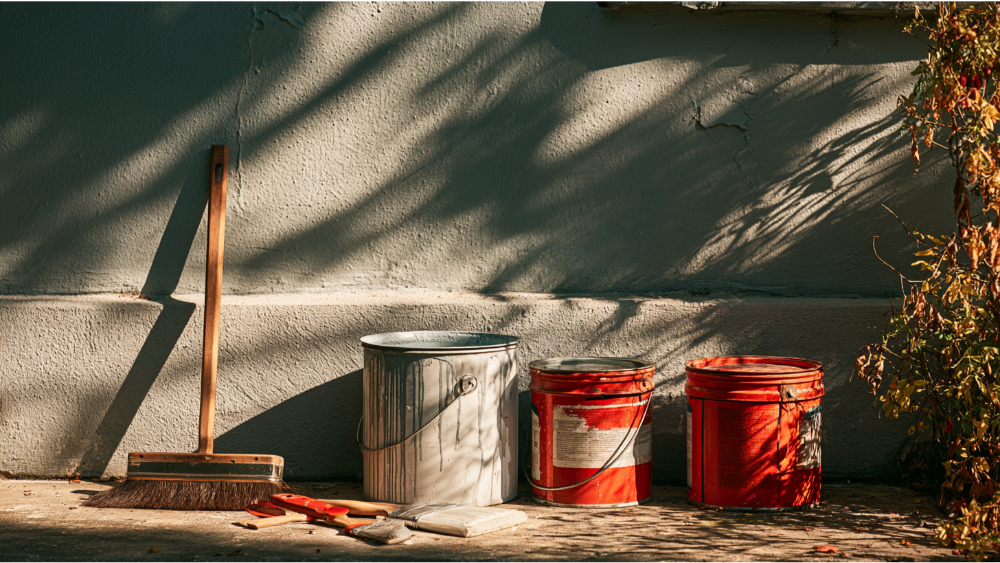
Some conditions are a clear "do not paint yet." If you see any of these, coating over them just buys a short delay before the problem comes back worse.
- Active leaks or water you can see moving
- Standing water or flooding
- Cracks that move or look structural
- Efflorescence that keeps returning
- Mold on the surface
- Soft or rotted wood
- Rust eating into metal before it's treated
- Failed siding, flashing, sealants, gutters, or drainage
- Peeling or incompatible existing coating
Painting over rot is the clearest example of hiding a problem instead of solving it. The wood keeps deteriorating under a fresh coat of paint, and you lose both the paint and more of the structure. When the real fix is a repair, the repair comes first.
Choosing Waterproof Paint by Surface Type
The right coating is decided by the surface as much as the water. Here's how the common ones line up across different surfaces.
SurfaceCoating typeKey caveatDrywall / interior wallsMoisture-resistant latex paintFor humidity and splashes, not direct wetting.Wood siding and trimPremium exterior paint or sealerOnly over sound, repaired, prepped wood.StuccoMasonry or elastomeric coatingAssess cracks before coating.Brick and concrete blockMasonry waterproofing coatingAddress capillary moisture first.Basement masonryPurpose-designed masonry coatingNot a fix for hydrostatic pressure.Concrete floorsEpoxy floor systemNeeds correct prep and moisture testing.Shower / tile areasA compliant waterproof assemblyOrdinary wall paint is not enough for tile or porcelain.Metal (marine exposure)Marine-grade protective paintBuilt for steel and wood in wet, salt conditions; must stop rust.Glass and trim detailsSpecialty bonding coatingNeeds a primer made for slick surfaces like glass.RoofsRoof coatingResists thermal expansion and sheds water.Ponds and swimming poolsPond or pool epoxy coatingFormulated for constant submersion.
Colour choices follow the surface too. Lighter tones like white and gray reflect heat on outdoor masonry, while floors and furniture often use darker shades that hide wear. Sheen matters as well: a matte finish downplays surface flaws, while higher gloss wipes clean more easily in wet rooms.
Waterproof Paint for Swimming Pools and Submerged Areas
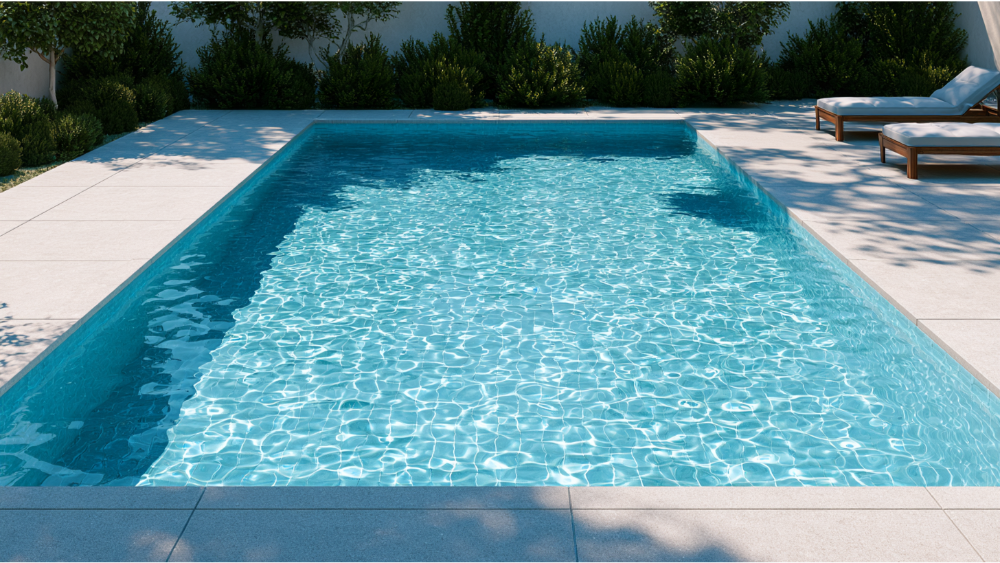
Constant submersion is its own category. Submerged areas like pool shells and pond liners need a coating formulated to stay stable underwater, with a non yellowing film that holds its colour through long exposure. These are not interior wall products pressed into service. They're specialty systems built for the job, and they have to be fully cured before water goes back in. Rushing the cure is one of the most common reasons these finishes fail.
How to Evaluate Waterproofing Claims (and the 34 PSI Question)
Some masonry waterproofing products are tested to resist high water pressure, with ratings up to around 34 psi. That number is product-specific and tied to a defined lab test. It is not a universal standard and it is not a promise for your wall. A lab rating shows a coating handled a controlled exposure. It does not mean the product repairs failed drainage, moving cracks, or bad flashing.
When you read a product review or a claim, check it against the technical data sheet:
- Intended substrate and whether it's applicable to your surface
- Positive-side vs. negative-side exposure
- Hydrostatic pressure vs. wind-driven rain testing
- Vapor transmission
- Required film thickness and top coat needs
- Primer and compatibility
- Cure and recoat conditions
Primer matters more than most people expect. On bare masonry, raw wood, or metal prone to rust, the right primer is what gives the top coat something to bond to and what blocks stains or corrosion from bleeding through. Skip it and even a premium paint can lift. Other products, like moisture-triggered polyurethane resin coatings, cure differently and suit different jobs. Quality wood sealers can last up to about 10 years, again depending on the product and exposure. Treat every spec as product-specific, not a rule that applies to all waterproof paint.
Why Lab Ratings Aren't Field Guarantees
A test measures one exposure under controlled conditions. Your home has drainage, movement, old coatings, and weather working on it at once. That's why the surface assessment matters more than any number on a label or any online review. Always refer to the manufacturer's data before you commit to a product.
Low Odor, Low-VOC, and UV Resistant Waterproof Paint
For interior work especially, low-VOC and low odor options make the project easier to live with. Some low odor coatings reach very low VOC levels, around 17 g/l, and some are solvent free or formulated as 0-VOC for exterior grades. These are eco-friendly, low-VOC, family-safe choices that keep indoor air comfortable during and after application. For exterior walls that take hours of sunlight, a UV resistant formula holds its colour and film longer before it fades or chalks. These finishes are ideal for occupied homes, and durability holds up for both indoor and outdoor use. Availability varies by product, so confirm the actual VOC figure and UV rating on the data sheet rather than assuming.
Why Surface Prep Decides Whether It Lasts
Prep is where lasting results are won or lost. Skipping it is the single most common reason a coating fails early. Done right, surface preparation is what lets waterproof paint protect and transform a surface for years instead of months.
- Diagnose and correct the water source first
- Repair rot, siding, cracks, and damaged substrate
- Remove loose or peeling paint
- Treat any rust on metal before priming
- Remove dirt, contaminants, and efflorescence appropriately
- Clean and dry any mold-affected surfaces
- Confirm moisture levels and product compatibility
- Apply primer where the surface calls for it
- Follow the required film thickness, top coat, and recoat instructions, whether you work by brush or roller
Every step feeds the finish. A clean, dry, sound, compatible surface is what turns a good paint into clean, long-lasting results, whether it goes on walls, floors, or trim. The coating also has to be fully cured before the surface sees real use, so plan the application around the cure window.
Does Waterproof Paint Prevent Mold?
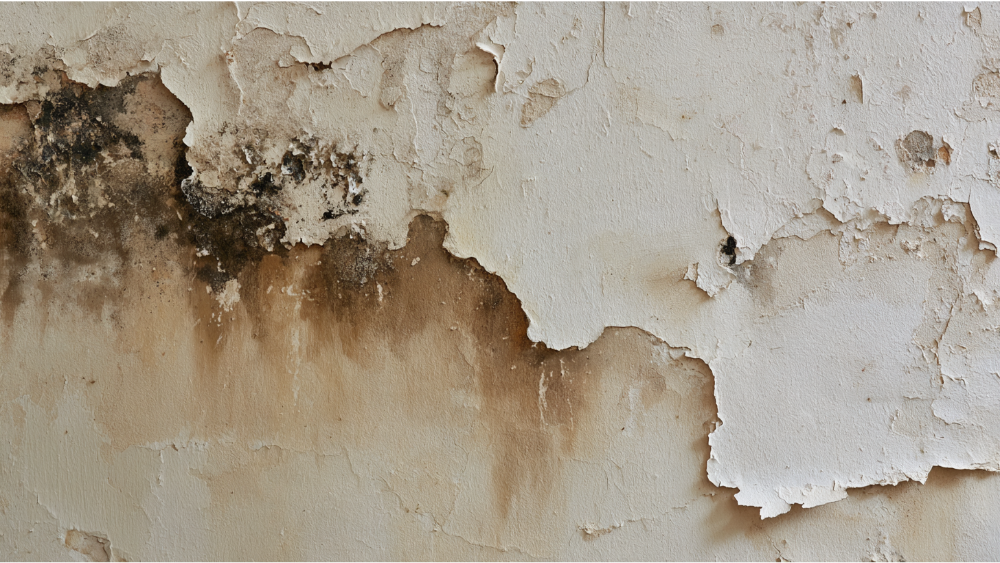
Not on its own. EPA guidance is clear that moisture control is the key to controlling mold. Dry wet or damp materials within 24 to 48 hours, fix the water source, and don't simply paint over a moldy surface. Paint applied over mold is likely to peel, which means you've covered the problem without solving it. Mildew-resistant paint slows growth on the dried film, and that's useful, but it is not a mold cure. Remove the mold and stop the moisture first.
A Note for Pre-1978 Homes
If paid work will disturb old paint through scraping, sanding, or grinding in a home built before 1978, federal EPA lead-safe practices apply under the Renovation, Repair and Painting (RRP) Rule. The EPA advises homeowners to hire a Lead-Safe Certified contractor for this work. Cover Pro Painting is EPA Lead-Safe Certified (RRP Certified), so prep on older homes is handled with the right practices built in.
Full-Service Repairs Mean You're Not Just Covering Up Damage
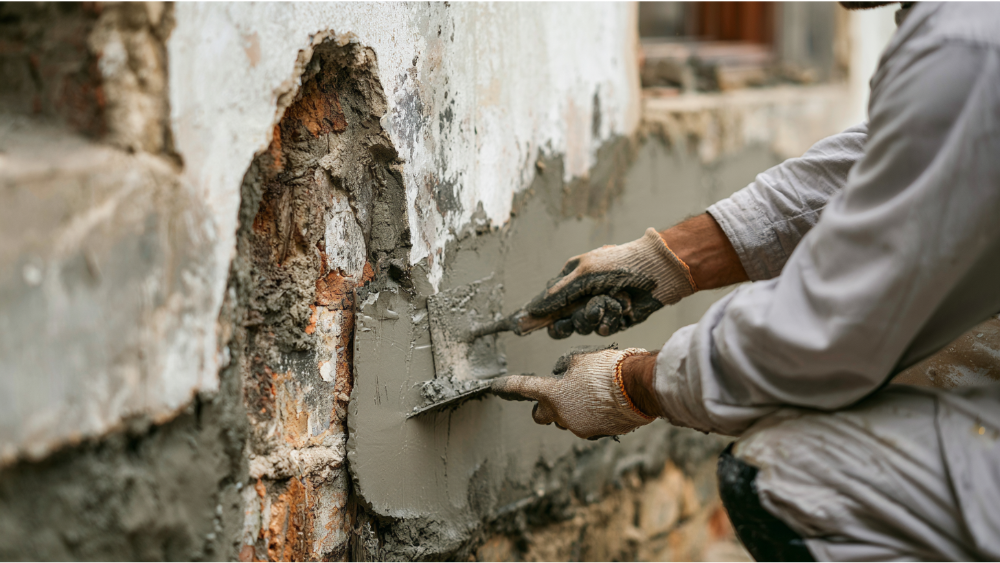
Sometimes the right answer isn't paint at all. It's rot repair, siding replacement, carpentry, or clearing gutters so water drains the way it should. When the fix is a repair, a coating alone won't protect anything. The value of handling repairs and painting under one roof is that you're not chasing multiple contractors and hoping the handoff goes smoothly. We assess the surface honestly, repair what needs repairing, and only then apply a paint that will actually last. We treat every home like it's our own, and that means telling you when paint isn't the solution.
Get a Free Estimate From Cover Pro Painting
We've been at this for over 13 years, with a team that brings over 100 years of combined painting experience. We're licensed, bonded, and insured in Washington State, and EPA Lead-Safe Certified. Start with a free estimate: we inspect the surface, diagnose the water source, flag any repairs, and give you a clear, transparent estimate before any work begins. No fixed pricing, because every project is different. Our exterior work carries a five-year warranty, and we use premium products backed by lifetime manufacturer warranties.
We serve homeowners and businesses across the greater Seattle-Tacoma area from our Edgewood home base. Don't see your city listed? Contact us to confirm service availability. Call 206-222-0435 or request Get My Free Painting Estimate.
Frequently Asked Questions
Does waterproof paint really work?
Yes, within limits. It resists water for the exposure it's designed for, on a sound and properly prepped surface. It won't fix active leaks or structural water intrusion, so the source has to be corrected first.
What paint is the most waterproof?
There isn't a single "most waterproof" paint. It depends on the surface and the water. Some masonry products are tested to high pressure (around 34 psi, product-specific), elastomerics flex on exterior walls, and epoxy systems suit floors. Match the paint to the job.
Which paint is good for waterproofing?
Route it by surface: masonry coatings for concrete and brick, elastomeric for exterior walls, epoxy for floors and some tile, and moisture-resistant latex paint for humid interiors. All of them work only over a corrected moisture source and proper surface prep, with the right primer underneath.
How long does waterproofing paint last?
There's no universal number. Lifespan depends on the product, film thickness, surface condition, water pressure, movement, UV exposure, and prep. Some quality wood sealers last up to about 10 years. Check the product's technical data, reviews, and warranty conditions. A coating that is properly cured, with good prep and a sound top coat, holds up longer, and our exterior work carries a five-year warranty.
