



Why Touch Up Paint Never Matches and What to Do About It
Key Takeaway
Touch up paint doesn't match because fresh paint differs in sheen, texture, and film thickness from aged surrounding paint, even when the color formula is identical. Flat and matte finishes give you the best odds of blending; eggshell, satin, and gloss almost always require repainting the full surface from break to break. Seal bare repairs with primer, match your original applicator, and feather edges outward to give any touch up its best chance.
Touch up paint usually doesn't match because you aren't matching a color, you're matching an entire finish: color, sheen, surface texture, film thickness, how the surface underneath absorbs paint, the tool it was applied with, and the light hitting it. On top of that, the wall has aged since it was painted. If you dabbed paint over a scuff, a chip, or a patch and now see a spot that's lighter, darker, or shinier than everything around it, this walks through what happened, whether it will settle down as it dries, and when repainting the full wall is the smarter call. And "never matches" isn't literally true. Touch ups do blend under the right conditions.
Is It Really the Wrong Paint Color, or Just the Wrong Sheen?

Three separate things can go wrong, and they look almost identical from across the room.
There's also flashing: a dull or shiny spot that shows through because the surface underneath drank in the paint unevenly.
Sheen Differences Get Read as Color Differences
Here's the part most people miss. The majority of patches homeowners call "the wrong color" are actually sheen differences or a texture problem that the eye reads as color. Gloss is measured separately from color, at set angles of 20, 60, and 85 degrees, precisely because it's its own property. That's why a brush mark and a roller stipple can look like two different colors with identical pigment in them.
Seven Reasons Touch Up Paint Doesn't Match the Wall
One warning that follows from all of this: resist the urge to keep dabbing. Adding more paint builds more film, and more film usually makes the contrast worse.
How to Diagnose Why Your Touch Ups Stand Out
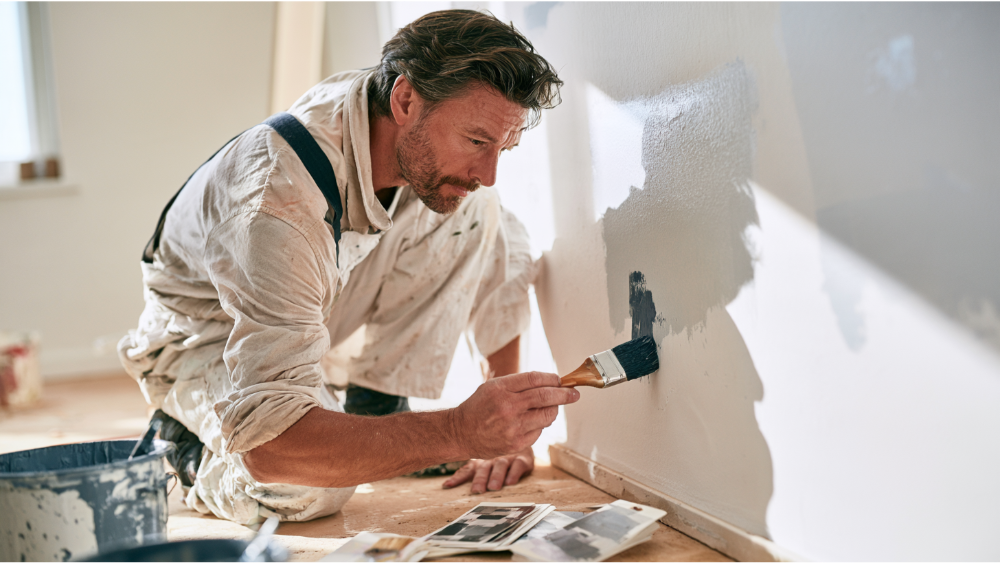
Before you add another drop, run a quick angle, light, and surface check. Look at the touch up spots straight on, then step to the side and look across them. Compare them in daytime light and again in the evening under lamps. Run your hand over the area to feel for a texture change. Check whether it has spackle, bare drywall, or primer under the paint. Confirm the full product label, not just the color name. Then match what you see to the table.
Judge the dried, cured repair, never the wet one. Wet paint reads darker and shinier than it will once the film sets.
How to Make Touch Up Paint Match: A Step-by-Step Approach
One honest note: even done exactly right, an invisible repair can't always be guaranteed. On an aged surface it can be virtually impossible. That's not a failure of technique, and it doesn't make touch ups impossible either. It's the wall having changed since the day it was painted.
When Should You Repaint the Full Wall or the Entire Room Instead?

Full wall repainting works because you get to stop at a natural break: a corner, a ceiling line, trim, or a door casing. That's the key. A slight difference where two planes meet at a corner is nearly invisible. A fresh square in the middle of a wall never is.
Repaint corner to corner when you're dealing with any of these:
In an open space with few architectural breaks, or where several walls all have visible repairs, painting the entire room is usually the cleaner call. We'd rather tell you that up front than sell you a repair we know will show.
Exterior Paint Touch Ups: Why Paint Fades Outside and Old Paint Rarely Blends
Exterior coatings weather unevenly. The south and west sides of a house take the most UV and fade fastest, and chalking shifts both color and sheen over time, so a spot repair on a sun exposed wall almost always reads as a patch of new paint against old paint.
More important: peeling exterior paint is usually a symptom, not the problem. It often points to trapped moisture, failed caulking, wood rot, or damaged siding. Painting over an unstable surface is cosmetic and buys you a season or two at best. Prep and repair come before paint every time: cleaning, scraping, replacing rotted trim or siding, then priming. That's why we handle rot repair, siding replacement, and carpentry with the same team that paints, so nobody has to coordinate two contractors around one wall.
A Safety Note on Sanding Paint in Pre-1978 Homes
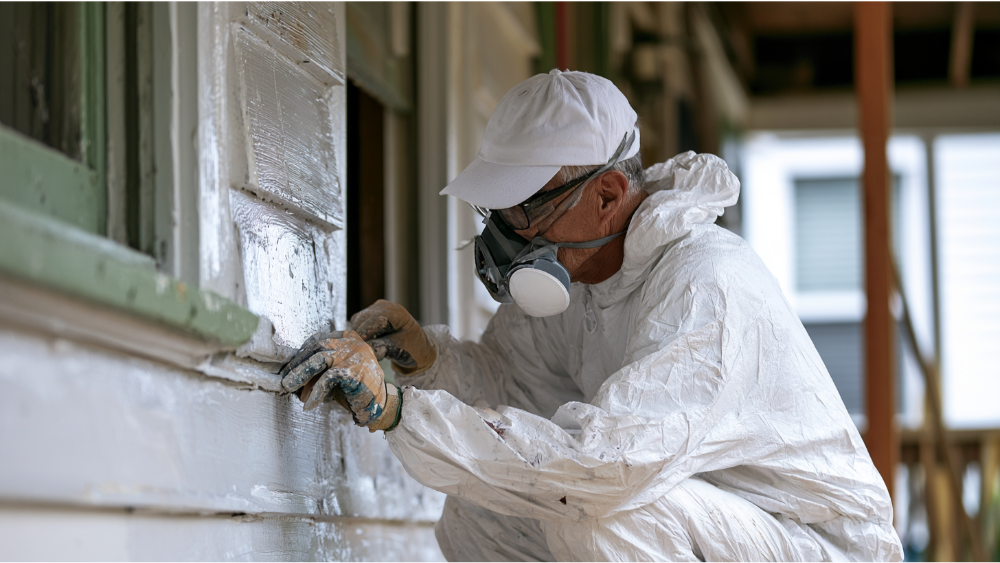
Fixing a mismatch often means sanding, scraping, or opening up a repair, and on homes built before 1978 that can disturb lead based paint. The EPA's Renovation, Repair and Painting Rule generally applies to paid work disturbing painted surfaces in most pre-1978 housing and child occupied facilities, and the EPA recommends hiring contractors certified in lead safe work practices. We're EPA Lead-Safe (RRP) Certified, so older homes get the right containment and cleanup.
Frequently Asked Questions
What If My Paint Touch Ups Look Different?
Stop adding paint. Let it cure fully, then work out whether you're looking at a color, sheen, or texture difference using the table above. If it still shows after curing, repaint to the nearest corner or trim line.
Will Touch Up Paint Eventually Blend In?
Sometimes. Sheen keeps developing as the coating cures, so judge it dry, on the label's timeframe. But a mismatch caused by fading, the wrong sheen, or different texture will not fade away with time.
How Do I Get Touch Up Paint to Match Perfectly?
Same product, color, formula, and sheen. Repaired and primed surface. Same applicator and technique. Thin film, feathered edges, and judgment held until it's cured. Professional painters follow the same sequence, because the physics doesn't change based on who's holding the roller.
Can a Local Paint Store Create an Exact Paint Match From a Wall Sample?
Scanning at a paint store gives you an excellent starting formula, but it can't reproduce the wall's sheen, roller pattern, porosity, or wear. Close matches can also separate under different lighting conditions, so test before committing.
Is Sherwin Williams or Benjamin Moore Color Matching More Accurate?
Any major manufacturer, Sherwin Williams and Benjamin Moore included, uses similar spectrophotometer technology, and the limitation is the same across all of them: the scanner reads pigment, not sheen, texture, or age. We use premium paint products backed by lifetime manufacturer warranties and choose the system that fits the surface, rather than defaulting to one label.
Which Paint Sheen Is Easiest to Touch Up?
Flatter finishes are the most forgiving because they scatter light rather than reflect it. The higher the sheen, the more every difference in film thickness and texture shows.
Get a Straight Answer About Your Walls: Free Estimate
If the touch ups aren't blending, we'll tell you honestly whether a controlled repair is worth trying or whether the wall (or the room) should be recoated, and exactly what that involves before any work begins. We're licensed, bonded, and insured in Washington State, EPA Lead-Safe Certified, and have been at this over 13 years with a team bringing over 100 years of combined painting experience. Exterior projects carry a five year warranty, and every project includes a free color consultation. First time customers get 10% off, and 0% APR financing is available.
From our home base in Edgewood, WA, we handle interior and exterior painting plus rot repair and siding work in Federal Way, Tacoma, Puyallup, Kent, Auburn, Renton, Bellevue, Seattle, and surrounding cities. Don't see your city listed? Contact us to confirm service availability.
Get My Free Painting Estimate: call 206-222-0435.
