
%201.svg)


Addressing Structural Wood Rot Issues in Milton Home Bathrooms
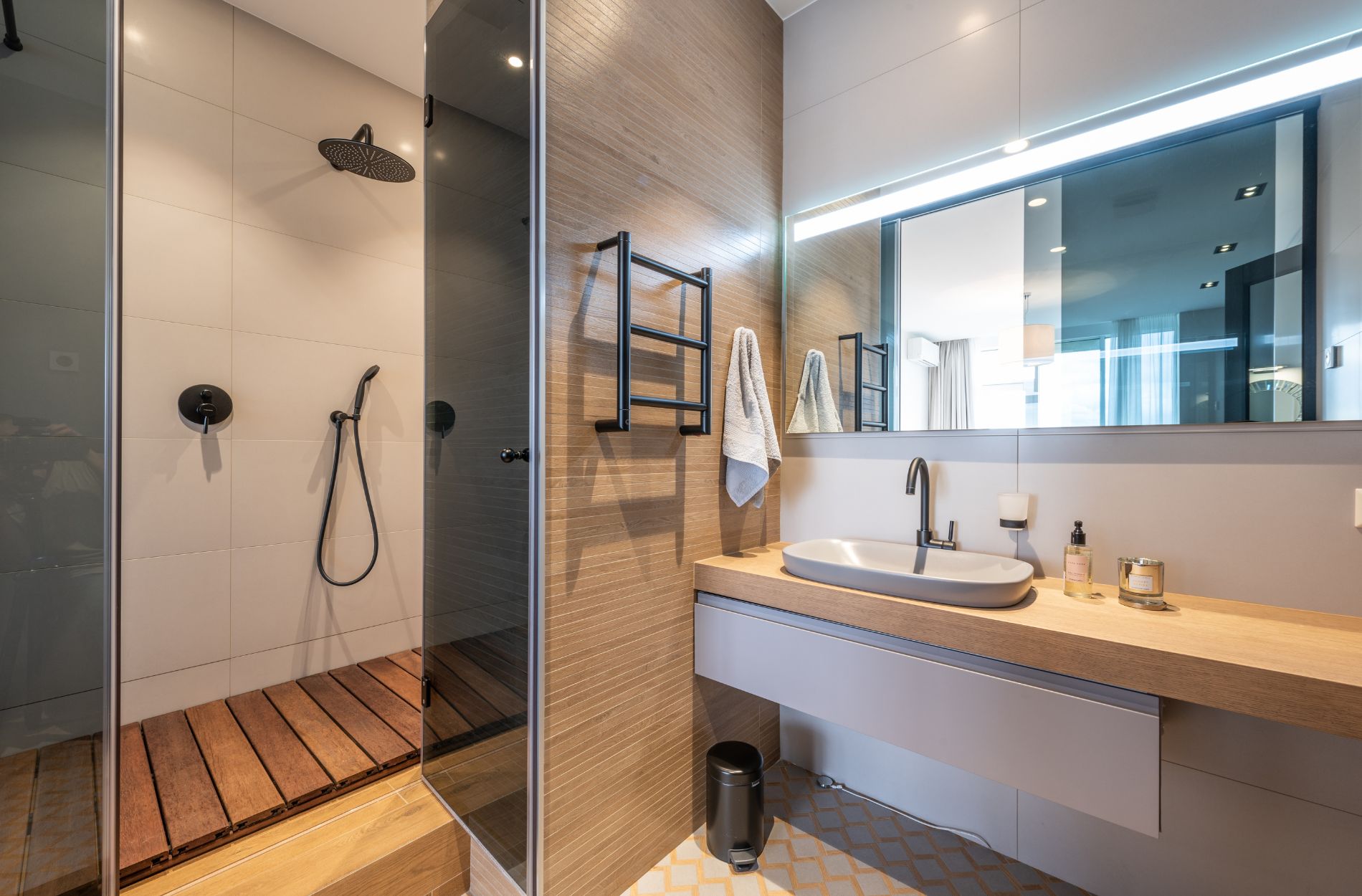
Structural wood rot in bathrooms is one of the more stressful issues for homeowners to deal with. Unlike surface damage that can be cleaned up or repainted, wood rot takes root below the surface. In Milton, this problem often shows up when moisture settles into areas with poor airflow or hidden water damage. Over time, the wood softens, darkens, and loses its strength. The issue becomes more urgent when it affects structural elements like subflooring, framing, or baseboard support. If left untreated, it can weaken important areas of the bathroom and lead to expensive repairs.
Milton homeowners may not always notice wood rot right away because it tends to develop behind walls, beneath tile, or around fixtures like tubs and sinks. The causes are sometimes subtle — a small leak behind the wall, a poorly ventilated space, or even water splashing from showers that doesn’t dry properly. If rot repairs in Milton bathrooms are not made quickly, the moisture can spread to connected parts of the home and affect other materials. This makes early detection and regular maintenance critical, especially during summer when heat and humidity can exacerbate existing moisture trapped in the wood.
Identifying Wood Rot In Your Bathroom
Bathroom wood rot is not always obvious at first. It is easy to overlook early signs, especially when the damage is behind tile, walls, or under floors. Knowing what to look for can save homeowners from more extensive repairs. If you are in a Milton home and suspect something is wrong behind the walls or under your feet, a few telltale signs may help confirm that suspicion.
Watch for these clues:
- Soft or spongy flooring around the toilet, tub, or sink
- Musty or damp odors that do not go away after cleaning
- Discoloration or water stains along baseboards or walls
- Crumbling or flaky wood in cabinets or trim
- Mold showing up inside cabinets or where the wall meets the floor
Bathrooms usually present the perfect environment for rot. The daily use of showers and sinks brings in water that, without proper sealing or airflow, can seep into joints and woodwork. Older homes in Milton may be more vulnerable because of outdated plumbing and ventilation systems, but even newer homes can experience problems if sealants wear down or leaks go unnoticed.
Focus on areas like:
- Baseboards and lower wall sections near tubs or showers
- Underneath sinks, especially around the back wall and cabinetry floor
- Around bathtubs, where caulk might be missing or cracked
- Subflooring beneath toilet installations
- Wooden support structures behind tile and drywall
It helps to check these spots occasionally, even if there is no water staining or bubbling paint. If a homeowner steps on a soft spot in the floor or notices a cabinet that feels damp, that is a strong indicator that rot could be forming underneath.
Causes Of Structural Wood Rot In Bathrooms
Understanding what leads to wood rot in a Milton bathroom helps homeowners take steps to limit the damage. Moisture is the main cause of wood rot, but the way that moisture enters and gets trapped in the space is what turns it into a long-term issue.
Here are some common sources of moisture that lead to structural damage:
1. Leaky plumbing – Slow drips from water lines behind walls or under sinks can saturate wood silently for months
2. Damaged caulking or grout – Gaps around tubs, showers, and sinks allow water to seep into walls or down to the subfloor
3. Poor ventilation – Lack of airflow causes humidity to stay trapped, especially after hot showers or during warm summer days
4. Splash zones – Areas near tubs and showers get hit with water daily and often dry too slowly or not completely
5. Cracks in tile or flooring – Water can leak beneath the surface and reach wooden components below
Something as simple as forgetting to turn on the fan during a shower can slowly raise humidity levels. An example would be a homeowner who skips resealing their tub caulking because it looked fine, only to find six months later that the floor beneath is soft and stained. These habits and maintenance oversights build up over time and create the perfect conditions for rot.
Daily routines in a bathroom mean constant exposure to heat, moisture, and sometimes standing water. Without proper sealing, ventilation, and regular checks, these materials wear down and expose what is underneath. If that includes untreated wood, rot often follows.
Professional Methods for Addressing Wood Rot
Once wood rot is identified in a bathroom, the next step is to assess how deep the damage goes. Surface stains or soft wood might seem like a quick fix, but underlying issues can run farther than expected. That is why our professionals begin with a full inspection. They check not only the visible damage but also what is behind and beneath the surface. Moisture meters, probing tools, and experience help uncover areas that need immediate attention.
If the damage is contained, our technicians carefully remove the rotted wood without disturbing the surrounding structure. In more severe cases, larger sections may be removed to make way for new material. After the old wood is taken out, the area is treated with products that stop further fungal growth. This is a critical step because if moisture and fungus are left behind, the problem could return even after making the repair.
The materials used to replace or support the structure must hold up to bathroom moisture going forward. Our professionals use treated wood or moisture-resistant alternatives for added durability. Then comes sealing, caulking, and repainting. Each one plays a part in protecting the repaired area. Skipping something small like sealing a seam can allow moisture to creep back in and start the process again.
Having the right tools and knowledge makes a big difference. Mistakes like covering up water damage without removing it can lead to bigger problems down the road. That is why thorough removal, proper treatment, and using high-grade materials are key parts of every rot repair process in Milton homes.
Preventing Future Wood Rot in Your Bathroom
Rot repairs in Milton bathrooms are not just about fixing what went wrong. Preventing future problems is just as important. Once a bathroom has suffered damage from moisture build-up, ignoring the root causes could mean dealing with the same issue again within a short time. Prevention starts with small, regular actions that keep moisture from sticking around.
Homeowners can take several steps to stop wood rot from returning:
- Use bathroom vents during and after showering to reduce humidity
- Reapply caulk or sealant once a year around tubs, sinks, and toilets
- Repair plumbing leaks immediately, even if they seem minor
- Open windows during warm months to circulate fresh air
- Wipe up water around the tub or floor promptly with a towel
- Replace cracked or missing tiles to stop water from reaching subflooring
Even with these steps, humidity can find its way into a poorly ventilated or aging space. Homeowners often overlook signs until the damage is too far along. That is where our technicians become a helpful resource. They thoroughly inspect hidden areas, recommend long-term solutions, and give advice on how to manage moisture based on each specific home’s setup.
This level of detailed care helps homeowners feel more in control. For example, someone might notice mold right outside the shower curtain but not realize it is forming because an older bathroom fan is no longer doing its job. Updating something as simple as ventilation can make a big difference. Our team knows what look-outs matter most and how to catch moisture trouble before it turns into rot again.
Protect Your Home with Expert Rot Repairs
Letting wood rot linger does not just affect a bathroom. Over time, structural issues can creep into nearby rooms or weaken the flooring beneath tiles. That risk increases during the summer when heat and humidity create an easy path for moisture to settle into surfaces. Getting relief from the damage starts with finding the cause and resolving it completely, not just cosmetically.
Rot repairs in Milton homes also provide peace of mind. When wood structures are secure, homeowners do not have to worry about flooring collapse or mildew smells that come from hidden damage. Whether it is a flooring replacement or sealing vulnerable baseboards, making the right decisions now keeps bigger expenses and long-term issues away. Strong, dry materials backed by professional repairs make every part of the bathroom feel more reliable.
Having a support team that understands how moisture impacts wood, especially in older or high-use bathrooms, gives homeowners confidence their repairs are being taken seriously. With proper removal, treatment, replacement, and ongoing prevention, the cycle of rot does not have to continue. Milton homeowners can enjoy their space again without the worry of what might be lurking beneath the surface.
If persistent moisture issues in your bathroom are compromising its integrity, professional rot repairs in Milton can help address hidden structural damage before it worsens. Trust the experienced team at Cover Pro Painting to deliver lasting solutions you can count on. For a quick estimate or to book a service visit, please contact us today.
