
%201.svg)


Solving Wood Rot Problems in Maple Valley Home's Exterior Siding
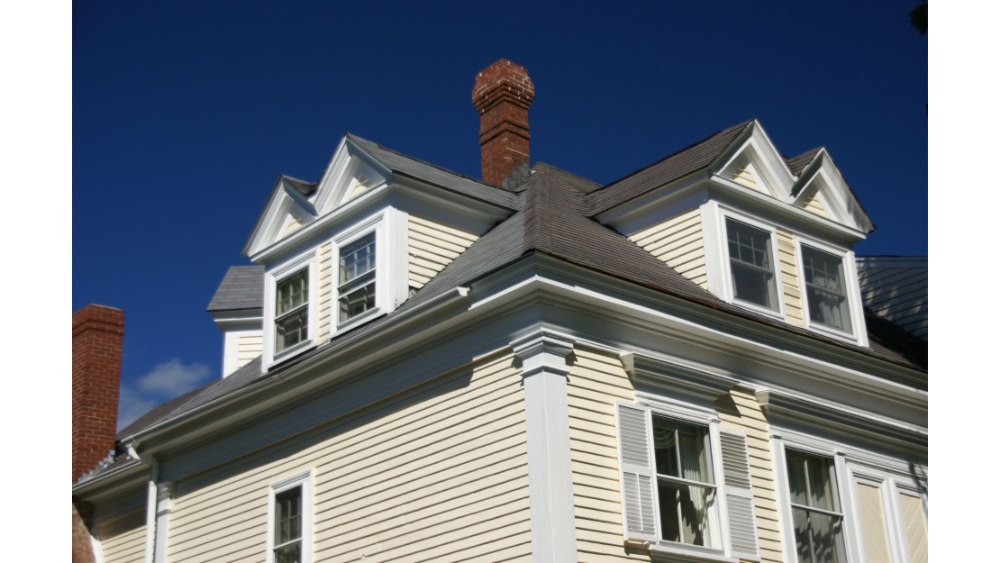
When exterior siding starts to decay, homeowners in Maple Valley may find themselves dealing with more than just a cosmetic issue. Underneath what may appear to be a small patch of discolored or softened wood often lies a deeper problem—wood rot that can continue spreading and weakening the surface if left unchecked. It is easy to overlook signs when they first appear, especially during the summer when exterior maintenance might take a back seat. But delaying repairs can lead to larger structural concerns and more money out of pocket.
Wood rot in siding impacts both the appearance and strength of a home. Once moisture slips behind the protective paint and into the wood beneath, it creates the perfect breeding ground for fungi. Over time, this eats away at the wood, making your siding less reliable while also hurting curb appeal. With Maple Valley’s mix of sun and late-season rainfall in August and early fall, it is important for homeowners to understand how and why siding rot forms and what to do before the damage spreads further.
Understanding Wood Rot And Its Impact
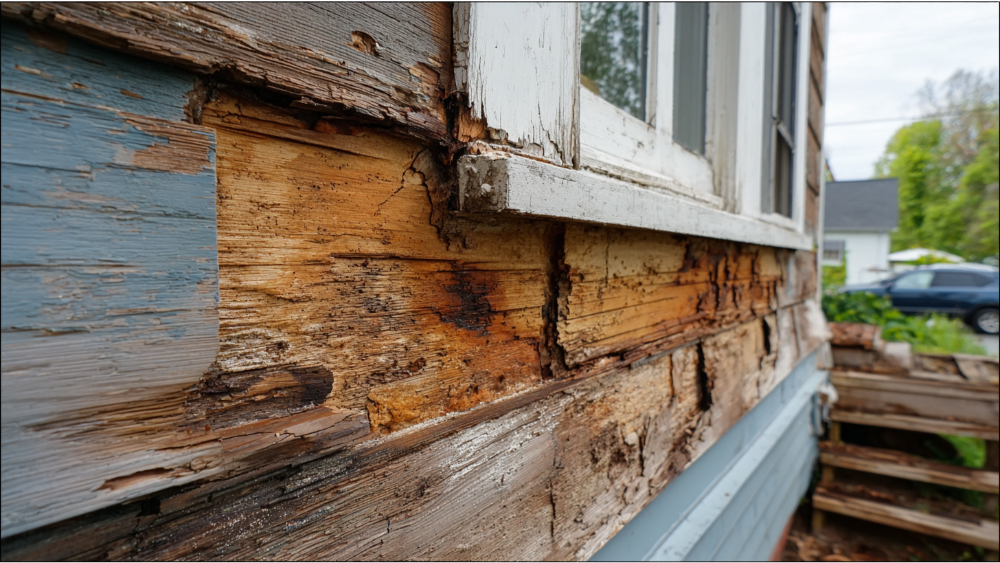
Wood rot is a common issue for homes with exterior siding, especially in areas that receive steady moisture without enough sunlight to dry surfaces out quickly. It comes in two forms: dry rot and wet rot. Dry rot is less about dryness and more about a specific fungus that thrives in wood with minimal moisture. Wet rot, as its name suggests, occurs when wood takes in excessive moisture and stays damp over time.
Both types can cause siding to soften, warp, or completely fall apart. What starts as peeling paint or a small crack can lead to entire boards becoming mushy or breaking off with light pressure. Though they are caused by different fungal organisms, both dry and wet rot thrive in homes with poor water drainage or damaged paint.
Maple Valley homeowners often deal with rot after experiencing weeks of humid weather or heavy summer rains. Gutters that do not direct water properly, clogged downspouts, or siding with peeling paint all increase the chances of wood rot forming. Even newer homes are not fully immune. One example is a homeowner in Maple Valley who discovered hidden wet rot behind their siding only a few years after moving in, caused by a faulty gutter install that let rainwater soak through one corner of the house.
Here are common signs that may point to rot on your home's exterior siding:
- Peeling or bubbling paint
- Soft or spongy wood when pressed
- Cracked or discolored boards
- Visible fungal growth or mold
- A musty or damp smell near affected areas
- Warped or uneven surface panels
Ignoring even small symptoms like chipped paint can create bigger problems if water begins to enter and settle into the wood. Understanding the early stages goes a long way in limiting the damage and knowing when to take the next step in resolving the issue.
How To Spot Exterior Wood Rot On Maple Valley Homes
A proper inspection does not involve tearing off entire pieces of siding. Most of the time, signs of rot can be found just by looking closely and pressing on a few spots.
Start by walking around the exterior of your home with a flashlight and a screwdriver. Pay close attention to areas where water might naturally collect or fail to drain properly.
Check the following spots:
1. Bottom edges of vertical siding
2. Trim around windows and doors
3. Inside corners where different siding sections meet
4. Underneath eaves and rooflines
5. Areas near hose bibs or outdoor faucets
Gently press the screwdriver into any wood you suspect is affected. If it sinks in easily or flakes apart, that is a strong sign of rot. Color changes, like staining or gray areas, may also suggest moisture issues even if the structure has not softened yet.
Homeowners should also stay alert to surfacing irregularities. If siding appears bowed or does not sit evenly, there could be rotted material hidden underneath. Peeling or cracking paint in these areas is another sign that water may have gotten behind the protective layers. The tricky part is distinguishing between surface damage and deeper rot. If only the paint and top layer seem damaged, a minor fix could handle it. But if the wood has visibly lost shape or feels soft, it likely requires full removal and replacement of siding panels.
The sooner homeowners in Maple Valley act on early signs, the easier and more effective rot repairs will be. This approach prevents the fungi from spreading deeper into framing materials or behind connected structures, limiting the cost and time involved in fixing the issue properly.
Steps To Address Wood Rot Before It Spreads
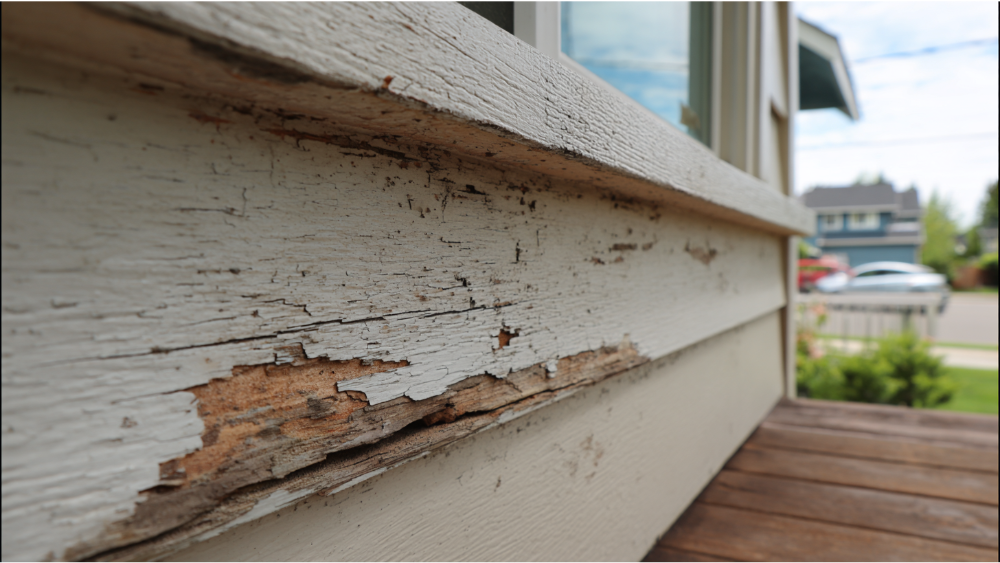
Once wood rot is discovered, it is important to act before the problem spreads to nearby areas. The first thing to do is avoid adding moisture to the affected section. Do not power wash siding with visible damage, and do not paint over it in an effort to cover the problem. That traps moisture in the wood, accelerating the rot instead of stopping it.
Before anything is removed, take these basic precautions:
- Wear gloves to avoid contact with mold or spores
- Use a dust mask if sanding or working in enclosed areas
- Make sure the area is dry before starting any cutting or scraping
Next, remove all rotted wood. This often means cutting back to solid, dry material. If the damage is isolated, you may only need to replace part of the board or trim. But rot often spreads, so checking a few inches beyond the soft or discolored area is smart. Once the damaged wood is taken out, inspect the underlying sheathing or framing. If that is affected, it may need removal and replacement as well before new siding or trim can cover the repair.
Rot repairs in Maple Valley need to account for frequent late-summer rain and high humidity. When selecting materials, it helps to choose wood that resists rot naturally or has been pressure-treated. Boards made from cedar or redwood tend to last longer in damp conditions. After installation, seal the wood using high-quality exterior primers and paints. Do not skip caulking seams or corners. The goal is to block every possible route for moisture to get in.
Patching is not a long-term fix. Any section that feels soft, flakes off by hand, or shows gaps where siding connects, should be replaced in full. Repainting over damaged wood might mask the surface problem, but it does not stop fungi from weakening what is underneath. Without removing and sealing the area completely, rot will likely return.
When To Bring In Our Professionals
Some wood rot cases are simple. A small corner piece that got wet due to a minor gutter overflow might require just one new trim board and a paint touchup. But that is rare. Most homeowners do not discover rot until it has affected a larger area, including wall sheathing or framing. Once it reaches that point, it can expand behind the siding where it is harder to detect and repair safely.
Hiring our professionals makes a major difference when the damage spreads across siding joints, around multiple windows, or deep into framing members. Our technicians understand how exterior systems are layered and can figure out how far the damage goes without unnecessary removal. This avoids guesswork and reduces the risk of tearing into wall sections that may still be sound.
They also apply professional-grade sealants and primers built to handle Maple Valley’s climate. That is especially helpful for preventing future moisture from re-entering vulnerable areas. Our technicians correct the root causes, such as improper water runoff or joint misalignment, which helps stop the cycle of rot from repeating next season.
To keep siding in good shape year-round, here are some prevention tips:
- Keep gutters and downspouts clear of leaves and debris
- Inspect paint and caulking yearly and touch up any peeling areas
- Ensure all landscaping stays several inches away from siding
- Schedule seasonal inspections to detect early moisture damage
- Trim overhanging branches that trap moisture against the home
Following a maintenance routine built around Maple Valley’s humid late summers helps keep moisture from slipping behind protective finishes.
Protecting Your Maple Valley Home From Recurring Rot
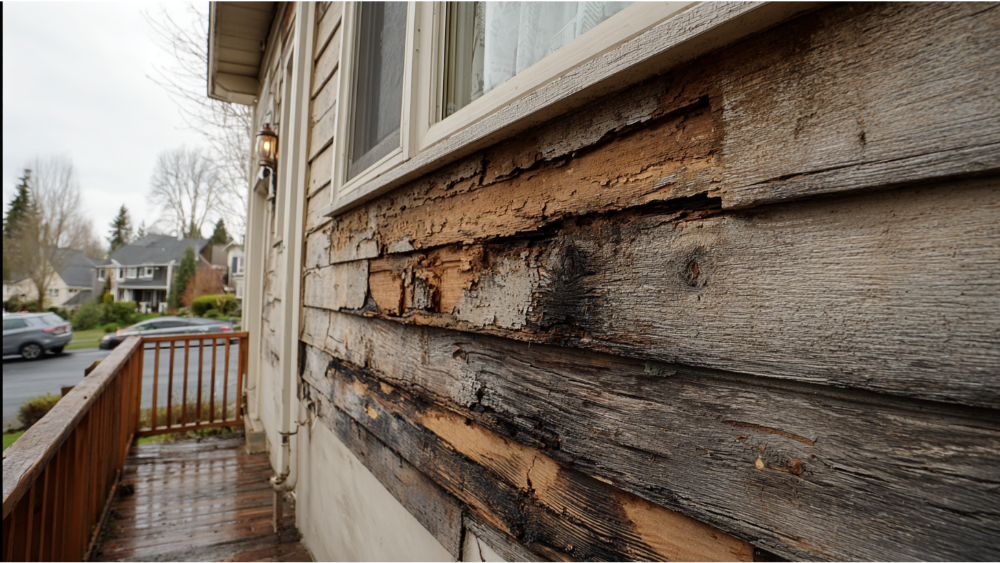
Exterior siding is one of the first lines of defense for your home. When it starts to fail, even in a few spots, it invites water into areas not designed to hold it. The result is wood rot that creeps through trim, corners, and siding seams before you even realize it. Rot repairs in Maple Valley require more than just a patch. You need to remove the source of moisture, repair all compromised areas, and seal the surface against what the weather may bring.
Regular monitoring, fast action, and the right materials go a long way toward keeping siding in functional shape. But when the issue has spread or you cannot tell how deep it goes, it is best to let our professionals step in. We pinpoint the problem, recommend a repair strategy, and follow up with protective coatings that help your home stay strong through every season.
By staying aware of early damage and acting quickly, Maple Valley homeowners can avoid structural issues and large-scale replacements down the line. Well-timed rot repairs do not just fix the damage—they also strengthen your home’s barrier against the elements and keep its exterior looking clean and crisp longer.
If you want to preserve the integrity of your home’s exterior, trust Cover Pro Painting for dependable solutions including rot repairs in Maple Valley that prevent further damage and keep your siding looking its best. For a quick estimate or to book a service visit, please contact us today.
