
%201.svg)


Should You Pressure Wash Before Exterior Paint?
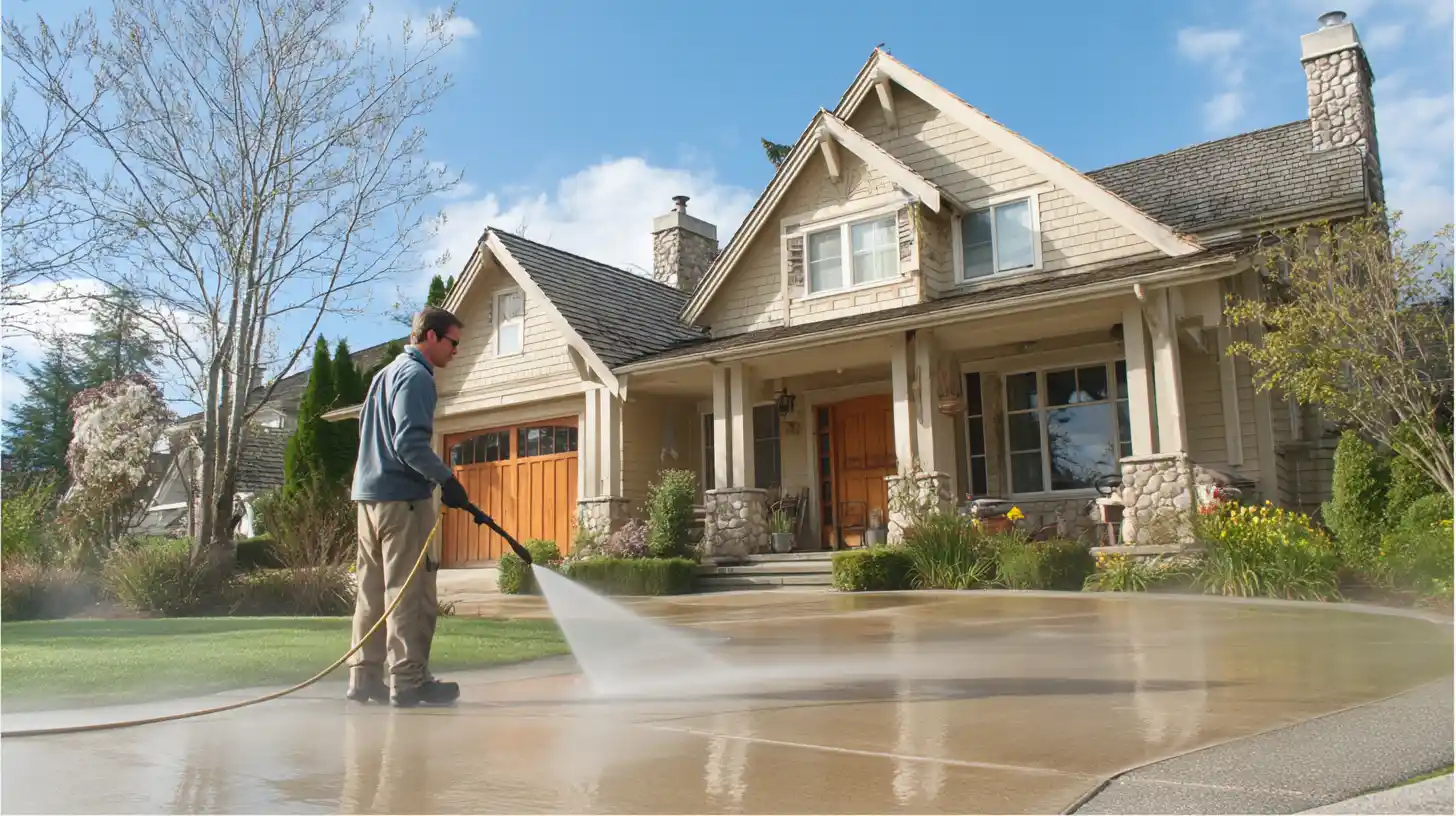
Here’s a quick answer: Yes, in most cases you should pressure wash before exterior paint, but the method, pressure level, and drying time matter just as much as the wash itself. A proper wash removes dirt, mildew, mold, and other grime so new paint can stick to a clean surface. When washing is rushed or done with high pressure, it can cause damage, trap moisture, and lead to peeling paint. The right approach depends on your home’s exterior materials, age, and condition.
Why Cleaning Comes Before Any Exterior Paint Job

Before any exterior paint goes on a house, the surface has to be clean, sound, and completely dry. Paint does not bond well to dirty siding, dusty trim, or areas with mildew or mold. If you apply new paint over dirt or other grime, the paint sticks to the contamination instead of the house. That is one of the most common reasons a paint job fails early.
In Western Washington, exterior surfaces collect moisture, mildew, and airborne dirt faster than many homeowners realize. Shaded areas, north facing walls, and places near landscaping are especially prone to buildup. Even if the house looks fine from the street, dirty siding can still interfere with paint adhesion.
Washing the house before painting removes dirt, dust, mildew, and loose residue so the paint has a clean surface to bond to. This step is not about looks alone. It directly affects how long the paint will last.
What Pressure Washing Actually Does and What It Does Not
What Pressure Washing Is Good For
When done correctly, a pressure wash or power wash is an effective way to remove dirt, mildew, mold, and chalky residue from exterior surfaces, including stucco, vinyl siding, and fiber cement. It helps make the house clean and ready for primer and paint. A pressure washer can also help remove light surface contamination that hand washing alone would struggle with on large areas.
Using pressured water allows professional painters to clean siding efficiently while preparing for a new paint job. Proper washing helps ensure the paint sticks evenly and cures as intended.
What Pressure Washing Does Not Fix
A pressure wash does not fix rot, failing caulk, cracked siding boards, or structural issues. It will not repair bare wood, stabilize peeling paint, or replace damaged insulation behind siding. If paint is already failing, a paint scraper and additional prep work are required to remove paint before washing or after washing.
Pressure washing also does not replace sanding, priming, or repairs. It is one part of a complete prep process, not the entire solution.
Is Pressure Washing Always the Right Choice?

When Pressure Washing Is Recommended
In many cases, pressure wash your house before painting is the right call. It is commonly recommended for vinyl siding, aluminum siding, fiber cement siding, brick, and previously painted wood siding that is still in good condition. These materials can usually handle moderate pressure when the washer is set correctly.
If the home’s exterior shows visible mildew, mold, dirt, or grime, washing the house before painting is essential. Removing contaminants helps the new paint bond properly and improves curb appeal.
When High Pressure Can Cause Damage
High pressure can be a problem on older homes or fragile surfaces. Excessive pressure can force water behind siding, damage wood fibers, and crack caulk. High water pressure can also cause water damage inside walls if water is driven into gaps around siding boards, windows, or trim.
Delicate surfaces, older wood siding, stucco, and areas with existing wear often need low pressure or alternative cleaning methods. High pressure on these areas increases the risk of causing damage and trapping moisture where it cannot dry completely.
Pressure Washing vs Soft Washing vs Hand Washing
Pressure Washing
Traditional pressure washing uses a pressure washer with adjustable settings. When used correctly, it relies on moderate pressure, a wide spray pattern, and proper technique. The nozzle is kept slightly downward to avoid forcing water into seams. This method works well on durable exterior surfaces like vinyl and fiber cement.
Soft Washing
A soft wash uses low pressure combined with a cleaning solution or mild detergent to break down mildew, mold, and grime. A soft wash system is ideal for wood siding, delicate surfaces, stucco, and areas where high pressure could cause damage. Soft wash methods still clean effectively while reducing the risk of water intrusion.
Soft wash approaches are especially useful for homes with heavy organic growth. The cleaning solution does the work rather than relying on pressure alone.
Hand Washing and Spot Cleaning
Hand washing is often needed for small areas, trim, and detail work. A long handled brush, garden sprayer, or even a garden hose with detergent can be used to clean specific spots. Hand washing allows for more control on fragile surfaces and areas near light fixtures, electrical outlets, and decorative elements.
Most professional painters combine pressure wash, soft wash, and hand washing techniques to get the best results.
How Long Should You Wait After Pressure Washing to Paint?

Drying time is one of the most important steps after you wash your house. Exterior surfaces must dry completely before you start painting. Painting too soon can trap moisture under the paint, leading to blistering, peeling paint, and early failure.
In general, surfaces should dry completely for at least 24 to 48 hours after washing. Wood siding, bare wood, and shaded areas may need more time. Cool temperatures, high moisture levels, and limited airflow can extend drying time.
Professional painters do not guess when to start painting. They check moisture levels and make sure the surface is completely dry before applying primer or paint. Rushing this step is a common reason a new paint job does not last.
What Happens If You Skip Washing Before Painting?
Skipping the wash step often leads to problems that show up within a short time. Dirty siding prevents proper paint adhesion, which can cause peeling paint, uneven sheen, and poor coverage. Mold and mildew left behind continue to grow under the paint, pushing it off the surface.
When paint cannot stick to a clean surface, it fails earlier than expected. Homeowners may need to repaint in three or four years instead of enjoying a longer lasting finish. Skipping prep might save time up front, but it usually costs more in the long run.
Special Considerations for Washington Homes

Mold, Mildew, and Algae Growth
Moisture is a constant factor in our region. Mold and mildew thrive on exterior surfaces that stay damp or shaded. Washing the house before painting removes mold and mildew so they do not interfere with the paint.
Painting over mildew does not solve the problem. It can continue to grow underneath the paint and cause peeling and discoloration. Proper washing removes dirt and organic growth so the surface is ready for new paint.
Older Homes and Lead Paint Awareness
Many older houses have layers of old paint that may include lead. Washing methods must be controlled to avoid spreading debris. This does not mean you cannot pressure wash your house, but it does mean using the right pressure, containment, and cleanup methods.
Gentle washing, low pressure, and careful prep are especially important on older homes with fragile surfaces.
How Professional Painters Decide the Right Cleaning Method
Professional painters evaluate the house before painting to determine the safest and most effective way to wash. They look at the siding material, age of the paint, presence of mildew or dirt, and any areas that need repair.
Based on this evaluation, they choose between pressure washing, soft wash methods, or hand washing. They adjust pressure levels, select the right cleaning solution, and protect landscaping and surrounding areas.
This approach helps ensure the house is clean without causing damage or forcing water into places it does not belong.
DIY Pressure Washing vs Hiring a Professional

Risks of DIY Pressure Washing
Using a pressure washer without experience can lead to problems. Homeowners often use too much pressure, hold the nozzle too close, or spray at the wrong angle. This can remove paint unintentionally, damage wood, and force water behind siding.
DIY washing also makes it harder to judge when surfaces are dry enough to paint. Starting too soon increases the risk of trapped moisture and paint failure.
Benefits of Professional Prep
Professional painters understand how pressure, distance, and spray patterns affect different materials. They know when to use moderate pressure, when to switch to low pressure, and when hand washing is the better option.
Professional prep ensures the house before painting is properly cleaned, dried, and ready for a smooth surface and long lasting finish.
Frequently Asked Questions
Can pressure washing damage siding?
Yes, it can if high pressure is used incorrectly. High pressure can damage wood, loosen siding, and cause water damage. Proper technique and pressure control are essential.
Is pressure washing required before exterior paint?
Paint manufacturers require a clean surface. Pressure washing is one of the most effective ways to remove dirt, mildew, and grime so paint can bond properly.
Do you pressure wash wood siding?
Yes, but with care. Wood siding often requires low pressure or soft wash methods to avoid damaging the wood fibers.
Can you paint the same day after washing?
Usually no. Surfaces need time to dry completely. Painting too soon can trap moisture and cause peeling paint.
What if my house already looks clean?
Even if the house looks clean, there may still be dirt, dust, or mildew that affects paint adhesion. Washing the house ensures the surface is ready for new paint.
How does the size or square footage of my house affect pressure washing?
The square footage of your home affects how long pressure washing takes and the amount of cleaning solution needed. Larger homes require more time and resources to ensure every exterior surface is properly cleaned before painting.
The Bottom Line for Homeowners
So, should you pressure wash before exterior paint? In most cases, yes. Washing the home’s exterior removes dirt, mildew, mold, and grime so the paint can stick to a clean surface. The key is using the right pressure, the right method, and allowing everything to dry completely before painting.
Pressure washing, soft wash techniques, and hand washing all play a role depending on the surface. High pressure is not always better, and low pressure is often safer for delicate surfaces like stucco. When done correctly, washing sets the foundation for a durable, long lasting paint job that protects your house and improves curb appeal.
