
%201.svg)


Should You Paint or Seal Your Driveway?
Key Takeaway
For most driveways, sealing is the better choice over painting: it protects against moisture, UV, oil, and daily wear, and extends your driveway's life. Whether to paint or seal your driveway also depends on material. Asphalt should always be seal coated, while concrete can take a penetrating sealer, stain, or opaque coating. Paint looks great but peels faster under vehicle traffic.
In most cases, if your goal is protection and a driveway that holds up for years, you should seal it, not paint it. Driveway sealing shields the surface from moisture, UV, and everyday wear, and it can extend a driveway's life. Paint changes the color, but it sits on top of the driveway surface, which makes it more likely to peel, chip, and get pulled up by hot tires. The right answer also depends on what your driveway is made of: an asphalt driveway should almost always be seal coated, while concrete driveways can be sealed, stained, or coated depending on your goal. If you're standing in front of a faded, stained, or worn driveway trying to decide, this guide breaks the choice down by material and condition.
First, Identify Your Driveway Material: Asphalt or Concrete
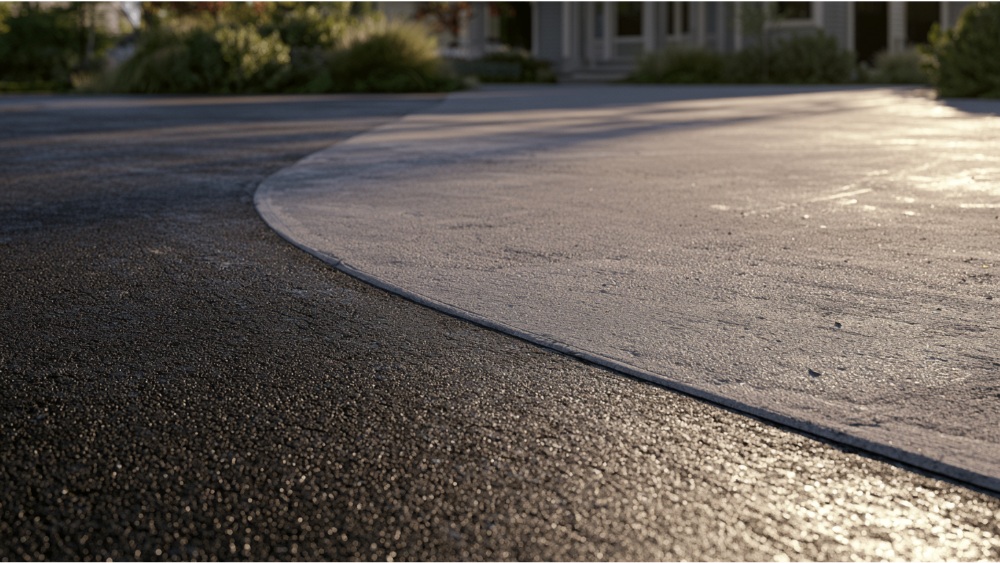
Every good decision here starts with one question: is your driveway asphalt or concrete? The products are not interchangeable, and picking the wrong one is the fastest way to a failed finish.
Asphalt. An asphalt driveway should be seal coated with an asphalt-based driveway sealer, never painted. A seal coat renews the surface as it dries out and starts to crack. Painting asphalt sets you up for peeling and won't protect the pavement the way a proper seal coat does.
Concrete. Concrete gives you more options: a penetrating sealant, a concrete stain, or an opaque coating. For lasting protection, a penetrating sealer usually wins because it soaks into the surface instead of forming a film that can peel. One rule stays firm: asphalt sealant is not made for concrete, and concrete products aren't made for asphalt.
Paint vs. Sealer vs. Stain vs. Seal Coat: Quick Comparison
The real tradeoff is appearance-first versus protection-first. Paint and opaque coatings give you the widest color choices but demand the most prep and get redone the most often. A good sealant protects the driveway surface and keeps a more natural look. Here's how the four common options line up.
When Driveway Sealing Is the Better Choice for Curb Appeal
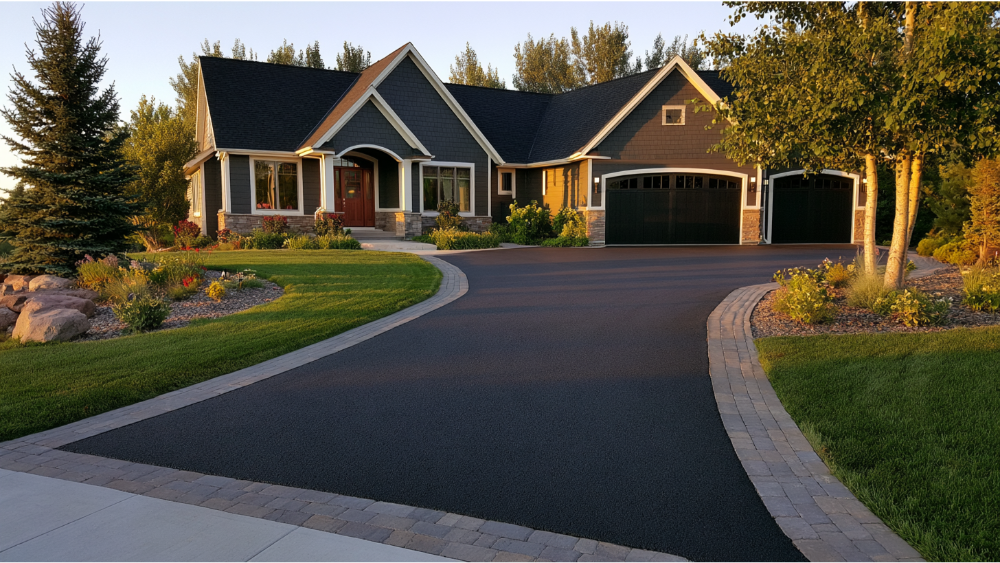
If you want the surface to last, sealing is usually the smarter move. A good sealant guards against water intrusion, oil stains, UV rays, deicing chemicals, and daily wear. It leaves a protective layer that keeps the surface from breaking down early. That protection matters because the driveway cracks you ignore today turn into the expensive repairs you dread tomorrow. In freeze thaw cycles, a waterproofing barrier keeps moisture from working into the surface and pushing it apart when freezing sets in. When you seal your driveway on a regular schedule, you also support your home's curb appeal and value.
Penetrating sealers for concrete driveways
For a concrete driveway where protection and traction matter, a penetrating sealer is the standard choice. It absorbs into the surface, resists moisture and deicers, and keeps the natural look without leaving a slick film on top. A sealed driveway built this way holds its grip and sheds water for years.
Asphalt seal coat for tired asphalt
A seal coat is the right call for asphalt that's gone dry and brittle, developed small surface cracks, or started to ravel. It renews the surface and slows further breakdown under sun and vehicle traffic. It won't rebuild a failing driveway, but for a sound one showing surface age, it buys real time and keeps a beautiful driveway looking that way longer.
When Painting or Coating a Concrete Driveway Makes Sense
Paint has one real advantage: color. If a specific look is your priority, an opaque coating delivers it in a way a clear sealer can't. But paint only makes sense on a concrete driveway when several things are true. The concrete has to be sound, clean, dry, and profiled so the coating can grip. The product must be rated for exterior concrete and vehicle traffic. And slip resistance plus hot-tire pickup have to be addressed before the first coat goes down.
Here's the honest warning: standard interior or porch paint fails fast under a driveway. Turning tires create friction that ordinary paint can't handle, so it flakes early. Poor drainage makes it worse, breaking down adhesion under sun and standing water. Whether you roll or brush it on, paint is reasonable only when the surface is right and the product is built for the job. Skip the prep and it will peel, every time.
When Neither Paint Nor Sealer Is Enough
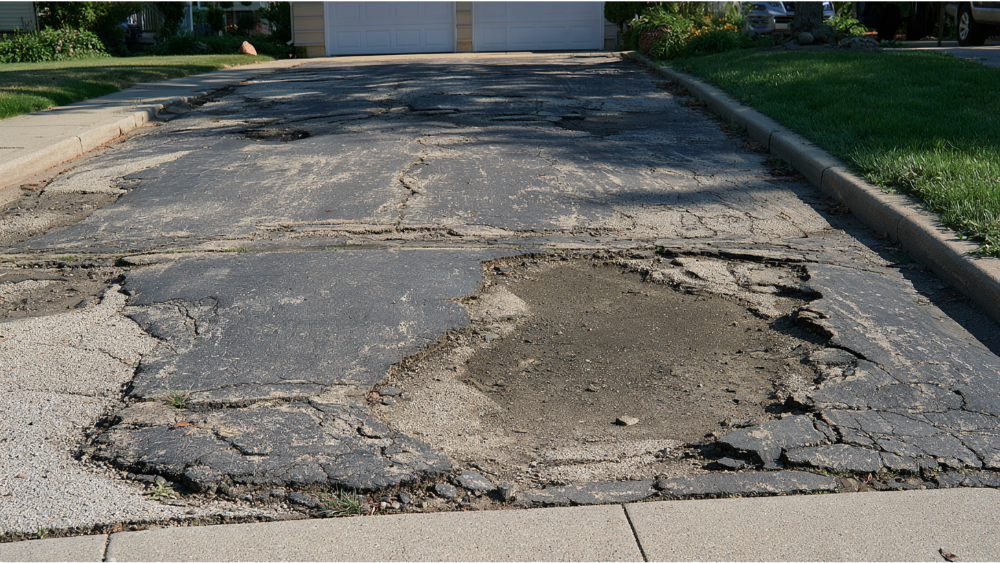
Some driveways need repair, not a coating. Sealing or painting over structural damage only hides the problem, and it comes back looking worse. Stop and get the surface fixed first if you see any of these:
- Potholes
- Base failure (the layer under the surface is giving way)
- Settlement or sinking sections
- Ponding or poor drainage
- Spalling or crumbling concrete
- Larger cracks or severe alligator cracking on asphalt
A seal coat is a maintenance step, not a repair for potholes, base failure, or drainage problems. Fix the damage, then decide on protection so you're not paying for expensive repairs down the road.
How to Prep a Driveway Before Sealing or Painting
Prep is where lasting results are won or lost. A finish that peels in a year almost always traces back to a surface that wasn't ready. Whether you seal or coat, work through these steps in order:
- Clear and clean. Remove debris, dirt, and loose material, and pull any weeds growing in the cracks.
- Degrease. Treat oil spots directly. Sealers and coatings won't bond over grease.
- Wash and let it dry. A pressure washer helps, but on its own it may not lift old coatings, and when you power wash you add moisture the surface has to shed before you apply any sealant.
- Fill cracks first. Fill cracks and repair them before any coat goes down. A quality crack filler keeps water out and gives the seal coat a sound base. Some products call for a little sand in wider gaps for a smooth finish.
- Check porosity. On concrete, splash a little water. If it soaks in, the surface can bond. If it beads, something is blocking it.
- Confirm cure and dryness. A new driveway made of concrete generally needs about 28 days to cure, and it must be clean, dry, and free of contaminants before coating. Always follow the product label and the weather window.
Can you paint over an already-sealed driveway?
Do the water test. If it beads instead of absorbing, the existing sealant will likely block adhesion and may need to be stripped or mechanically removed before you recoat. Skipping that check is a common reason a new coating or seal coat fails.
Wet Traction, Tire Marks, and Peeling: 3 Driveway-Specific Risks
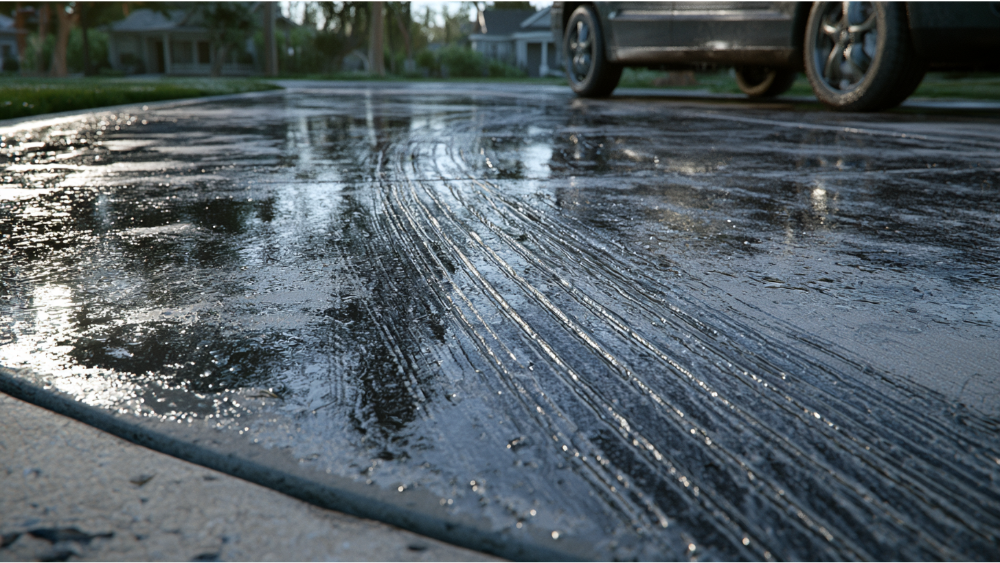
Slip risk. Glossy, wet-look, film-forming sealers can get slick when wet, especially on smooth concrete. Lower gloss, added texture, or an anti-slip grit additive brings traction back. Penetrating sealers don't leave a glossy film, so they generally don't create this problem.
Hot-tire pickup. Heated tires can pull plasticizers into acrylic sealers and coatings through a chemical reaction that marks or lifts the finish. Penetrating silane or siloxane sealers avoid this, which is why they're often the better pick for a driveway that sees daily parking and steady vehicle traffic.
Peeling. When a coating peels, the cause is usually prep, moisture, or an incompatible old coating underneath, not simply a bad product. Get those right and the finish stays put.
How Often Should You Seal a Driveway, and When Can You Drive on It?
Treat every timeline as a range shaped by climate, traffic, and the product label. As a rough guide, an asphalt driveway gets resealed roughly every three years and concrete every four to five, but condition drives the schedule more than the calendar. A surface that's routinely sealed simply lasts longer.
New driveways are where sources genuinely disagree, which is worth understanding. The Asphalt Institute says a well-built, low-traffic asphalt driveway usually shouldn't need a seal coat for about two to five years. Some pavement-coating guidance says to let new asphalt cure 30 to 90 days first. Others suggest you wait several months. The reason they differ: pavement porosity, climate, original construction, and the specific product all change the answer. For application, common product labels ask for temperatures around 50 to 60 degrees before and after, no rain or freezing temperatures in the forecast, and two thin coats rather than one thick one. Avoid sealing in cold temperatures, since the product won't cure properly. Apply the second coat only after the first has set, and wait 24 to 48 hours before you drive on it. Check the label and the forecast; those control the real numbers.
What Does It Cost to Seal a Driveway and Avoid Expensive Repairs?
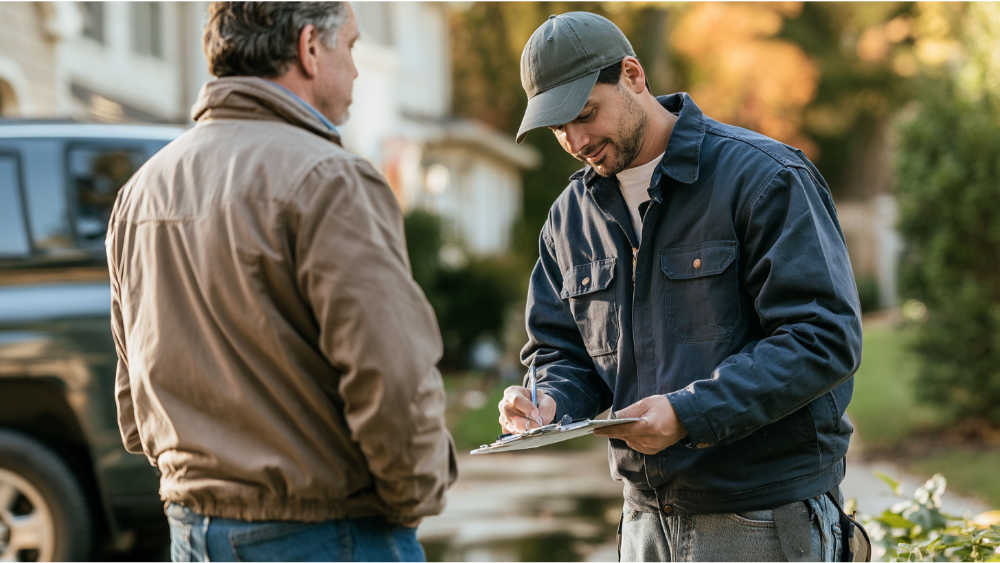
Cost depends on the size of the driveway, its condition, the sealant you choose, and how much prep and crack filling the surface needs before the seal coat goes on. Sealers are generally priced by the square foot, so sealing the entire driveway or one that needs repairs first will cost more. Coal tar products are banned here in Washington, and asphalt-based, coal-tar-free sealers carry their own pricing, so it pays to compare labels. Sealing on time can save money by preventing the kind of damage that forces a full replacement. Rather than guess at a number, get the driveway surface assessed so you know what you're spending before any work begins.
A Note for Seattle-Tacoma Homeowners: Rain, Storm Drains, and Coal-Tar-Free Products
If you're in the Puget Sound area, a few local realities shape this project.
Skip coal tar sealers. Washington bans applying coal tar pavement products on driveways and parking areas (in effect since July 1, 2013, following a sale ban on January 1, 2012). There's good reason: coal tar seal coat contains roughly 1,000 times more PAHs than asphalt-based products, and PAHs are linked to health and environmental harm. Choose an asphalt-based, coal-tar-free sealant.
Plan around the weather. Frequent wet weather makes dry-time windows harder to hit and makes wet traction a real concern. Snow and standing water add extra wear over a winter, so watch the forecast and favor products that keep grip when the pavement is slick.
Protect the storm drains. Keep wash water, sealer, and paint waste out of storm drains, gutters, and ditches. King County guidance is clear on this: direct pressure-washing runoff to vegetated grass or gravel areas and dispose of anything chemical properly. From our home base here in Edgewood, we see how much stormwater matters across the region.
Should You DIY or Hire a Pro?
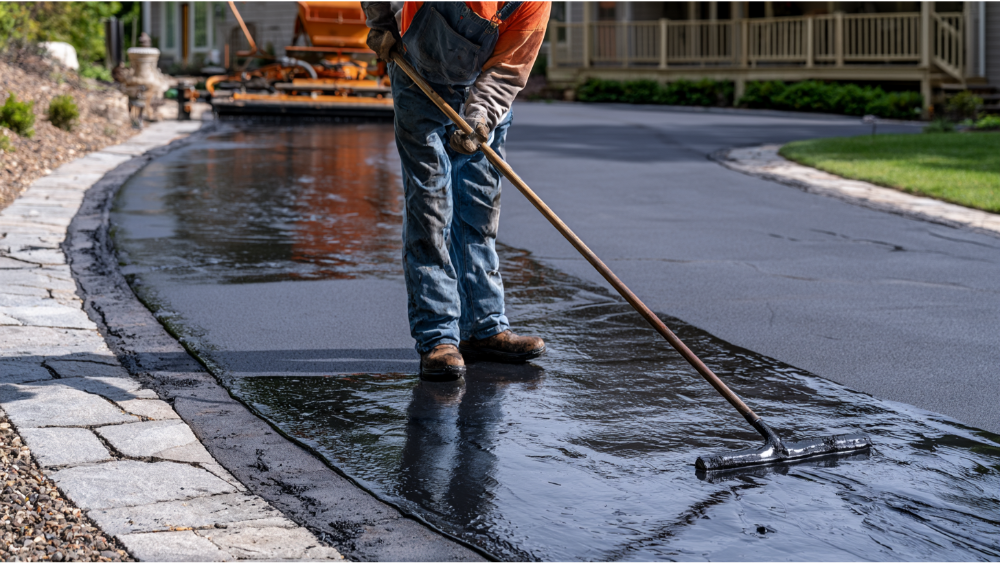
A small, sound, simple job to seal a driveway can be a reasonable DIY project. Standard consumer sealers are made for exactly that, and a roller or brush around the edges gets most homeowners through it. The picture changes when there's more at stake, and the appearance of the finished surface reflects how well the whole job was done.
Bring in a professional when you're dealing with failed coatings, oil contamination, cracks that need real repair, a large surface area, drainage concerns, decorative concrete, or any product-compatibility question. Those are the situations where a mistake will deteriorate the surface and get expensive fast. Rather than guess at cost, get a professional to assess the surface and give you a clear number. Lasting results come from surface prep, product compatibility, and an honest look at what the driveway actually needs to protect your house and the investment it represents.
Talk to Cover Pro Painting About Your Exterior Project
Driveway sealing isn't part of what we do, so we'll be straight with you there. What we do handle, all under one founder-led team, is interior and exterior painting, door and trim painting, rot repair, siding, carpentry, gutter cleaning, and epoxy garage floor coatings. We're licensed, bonded, and insured in Washington State, and we start every job with proper surface prep and a transparent estimate so you know the scope before we begin. First-time customers get 10% off, and 0% APR financing is available. Call 206-222-0435 for a free estimate. Not sure a service is on our list? Contact us to confirm service availability.
Frequently Asked Questions
Is it better to paint or seal a concrete driveway?
For protection and longevity, sealing usually wins, and a penetrating sealer keeps traction and a natural look. Paint or opaque coatings are an appearance-first choice that only holds up on sound, well-prepped concrete with a product rated for vehicle traffic.
Can I use asphalt sealer on concrete?
No. Asphalt sealers are made for asphalt, not concrete. Use a concrete-specific sealant or coating for a concrete driveway.
Does sealing a driveway make it slippery?
It can, if you use a glossy, film-forming sealer on smooth concrete. Lower-gloss products, added texture, or a grit additive reduce the risk, and penetrating sealers generally don't create a slick surface.
Will driveway sealer fix cracks?
A seal coat can protect the surface and slow small surface cracks, but it won't repair potholes, base failure, settlement, or severe cracking. Fill cracks and make real repairs first.
Is coal tar driveway sealer legal in Washington?
No. Washington prohibits applying coal tar pavement products on driveways and parking areas. Choose an asphalt-based, coal-tar-free sealant instead.
