
%201.svg)


Should Rotted Wood Be Repaired With Epoxy or Fully Replaced? A Homeowner’s Guide
.webp)
Homeowners across the Pacific Northwest regularly face the same question when they discover soft trim, peeling paint, or crumbling boards on the exterior of their home: should rotted wood be repaired with epoxy or fully replaced? This is not a cosmetic decision. Wood rot affects durability, paint performance, and in some cases structural integrity. Making the wrong call can lead to recurring damage, wasted money, and future rot spreading further into surrounding wood. At Cover Pro Painting, we approach this decision carefully, based on condition, moisture exposure, and long term performance, not shortcuts. This guide explains how to evaluate rotted wood, when repair makes sense, and when replacement is the smarter solution.
Here’s a Quick Answer:
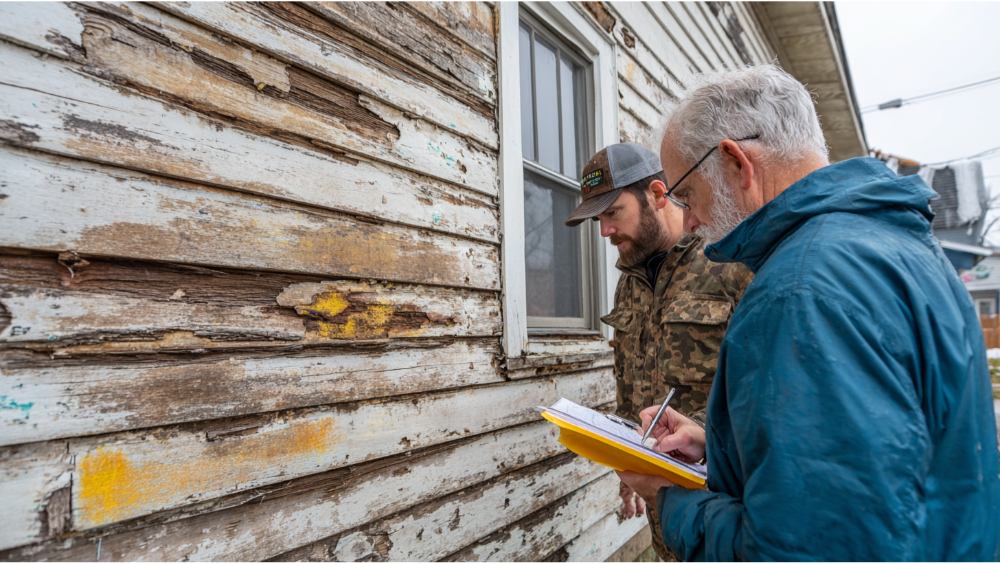
Epoxy can be used to repair rotted wood when the damage is limited, non structural, and surrounded by sound wood that can bond properly. Full replacement is the right choice when rot is deep, widespread, structural, or caused by ongoing moisture issues. No repair will last unless the moisture source that caused the rot is identified and corrected first.
What Causes Wood Rot in the First Place?
Moisture Is the Root Problem
Wood rot forms when moisture becomes trapped in wood surfaces long enough for fungal growth to begin. In Western Washington, persistent rain, cool weather, and shaded conditions create the perfect environment for wet rot and dry rot to develop. Common causes include failed caulk joints, missing flashing, clogged gutters, roof runoff dumping onto trim, and exposed end grain that absorbs water. Once moisture content stays elevated, infected wood begins to soften and lose strength.
Why Paint Alone Doesn’t Prevent Rot
Paint helps protect exposed wood surfaces, but it does not stop water intrusion on its own. Paint eventually fails if moisture is trapped underneath. When damaged wood is painted without addressing the underlying issue, rot continues unseen. Proper preparation, proper ventilation, and sealing vulnerable areas are essential preventative measures that help protect future wood from decay.
What Is Epoxy Wood Rot Repair?
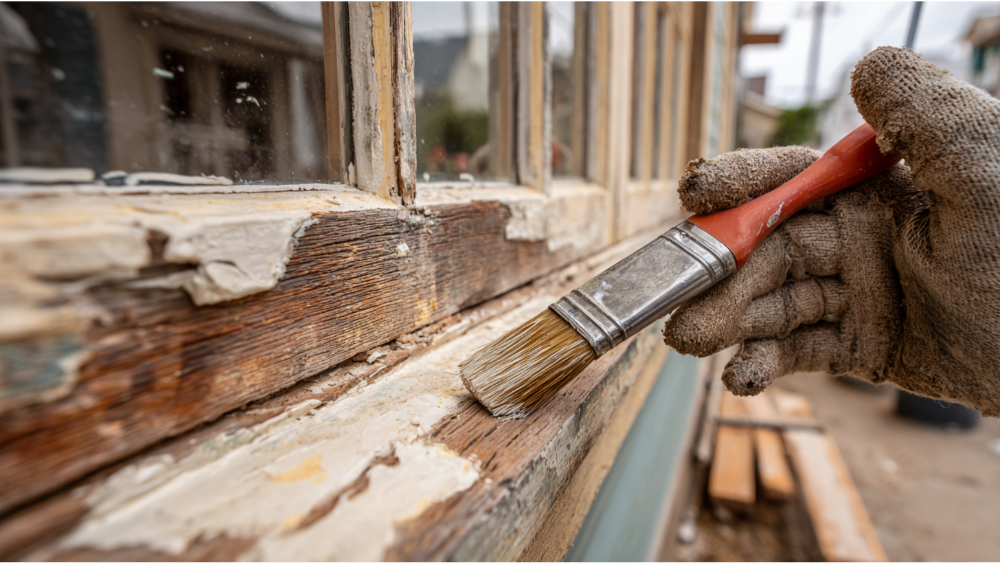
How Epoxy Repair Works Step by Step
Epoxy wood rot repair is a structured process, not a simple patch. First comes removing rotted wood until only sound wood remains. A wire brush is often used to clean out decayed areas and expose wood fibers that can accept a bonding agent. In some cases, drilling holes into the affected area helps penetrating epoxy reach deeper into older wood. A wood hardener or penetrating epoxy is applied to stabilize remaining fibers. After curing, epoxy putty or epoxy filler is mixed in equal parts and shaped to rebuild missing sections. A plastic putty knife or putty knife is used to fill voids and recreate the original shape. Once cured for several hours, the repaired area is sanded smooth, primed, and painted.
What Epoxy Can and Can’t Do
Epoxy products are designed to restore rotted wood when enough real wood remains to bond properly. Epoxy does not replace a wood structure or compensate for missing strength in structural applications. When used correctly, epoxy repairs can provide a long lasting repair on trim and decorative components. When used incorrectly, especially over damp or deteriorated wood, epoxy becomes a temporary cosmetic fix.
Common Areas Where Epoxy Is Used
Epoxy repairs are commonly used on window sills, door trim, fascia corners, decorative moldings, and wood windows with localized damage. These areas often experience moisture exposure but may still be in good shape overall. Repairing rotted wood in these locations can preserve existing wood and avoid unnecessary replacement when conditions allow.
What Does Full Wood Replacement Involve?
When Replacement Is Necessary
Replacing rotted wood is usually the best option when decay affects structural integrity or spreads through the thickness of the board. Posts, beams, railings, stair components, and load bearing trim should be replaced rather than repaired. Replacement is also recommended when moisture problems cannot be fully corrected or when surrounding wood shows signs of further spread.
The Replacement Process Explained
Replacement begins by removing rotted wood completely, including any damaged wood hidden behind trim or siding. This allows inspection of surrounding wood and correction of moisture issues. New treated wood or properly primed material is installed, sealed on all sides, and detailed correctly. End grain is protected, joints are sealed, and the surface is prepared for paint to ensure long term protection.
Benefits of Replacement in Wet Climates
In damp regions, replacement often outperforms repair because it allows correction of flashing, drainage, and ventilation issues. Properly installed replacement materials resist future rot more effectively than patched sections when exposure conditions are severe.
Epoxy Repair vs Full Replacement: A Practical Comparison
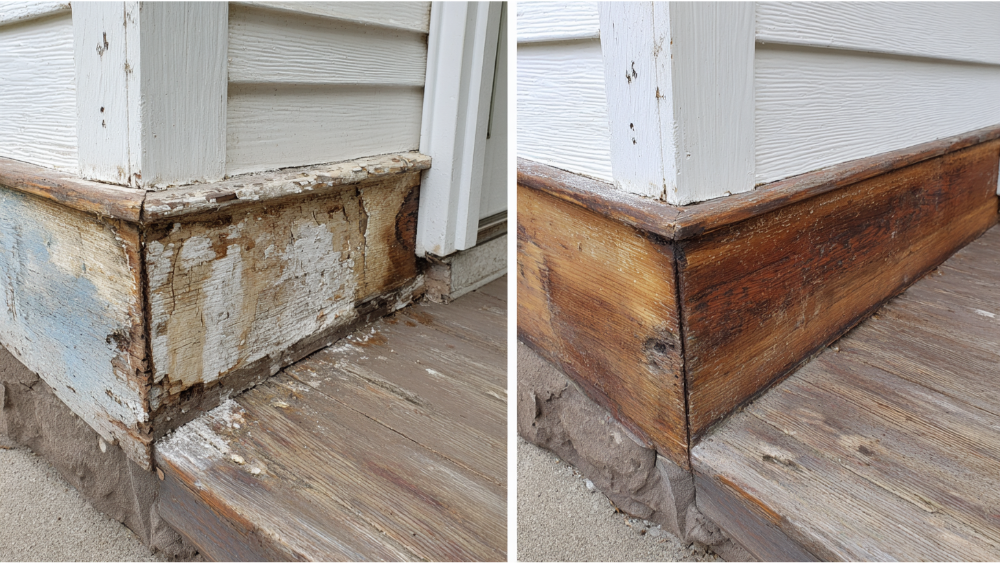
Durability and Longevity
Epoxy repairs can last many years when used on limited rot and protected from moisture. Replacement typically provides the longest service life, especially for larger components or heavily exposed areas.
Cost Differences Short Term vs Long Term
Repair rotted wood with epoxy usually costs less upfront. Replacement costs more initially but often reduces future rot, repainting, and repeated rot repairs.
Appearance and Finish Quality
Both approaches can produce smooth, seamless surfaces after sanding and paint. Failures usually occur when filler is applied over unsound material or moisture remains trapped.
Risk of Future Rot
Future rot depends on moisture control, not whether epoxy or replacement was used. Fix rotted wood without addressing moisture and the problem will return.
How Professionals Decide Which Option Is Right
Depth and Spread of the Rot
Localized rot limited to a rotted area or edge is often repairable. Deep decay or decayed areas that extend into joints or framing usually require replacement.
Structural Role of the Wood
If the wood supports weight or stabilizes other materials, replacement is the responsible solution.
Moisture Control and Drainage
Areas that cannot dry properly or have recurring moisture exposure are poor candidates for repair rotted solutions.
Access and Repair Scope
Sometimes replacing one section allows multiple issues to be corrected, offering better long term results.
Why DIY Rot Repairs Often Fail
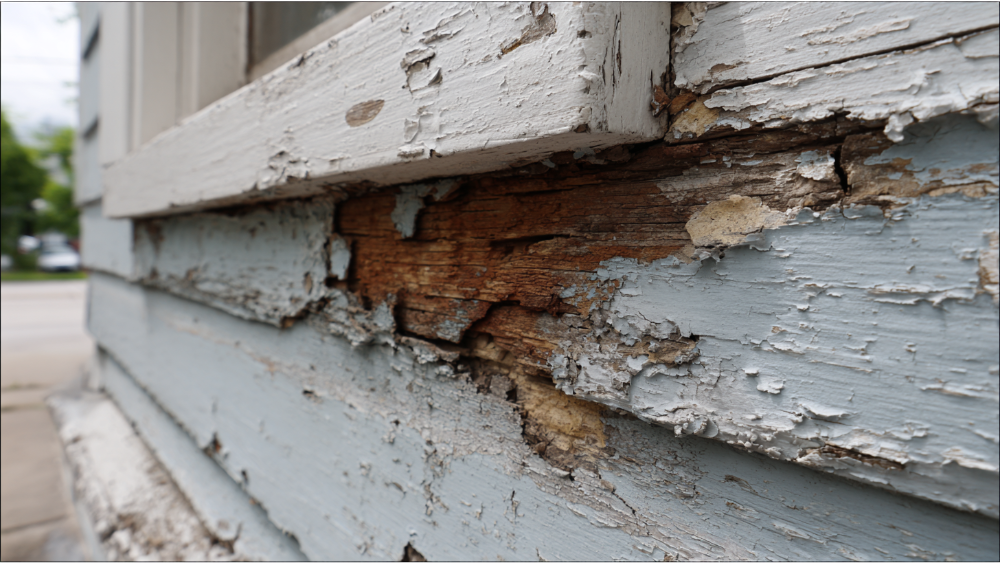
Many DIY attempts fail due to incomplete removing rotted wood, use of cheap stuff, improper bonding agent application, or filling over wet rot. Cosmetic fixes hide damage temporarily but allow rot to continue spreading underneath.
The Importance of Fixing the Moisture Source First
Common Water Intrusion Issues We See
Failed caulk, missing flashing, gutter overflow, and unsealed end grain are frequent causes of rot.
How Proper Prep Extends Any Repair
Drying the affected area, sealing exposed wood surfaces, and ensuring proper drainage are critical steps that protect repaired area performance.
Cost Expectations in 2025
Epoxy wood rot repair is generally suitable for small repairs. Partial replacement costs vary by access and complexity. Full replacement of structural elements costs more but offers long term protection and stability.
How This Decision Impacts Painting and Warranty
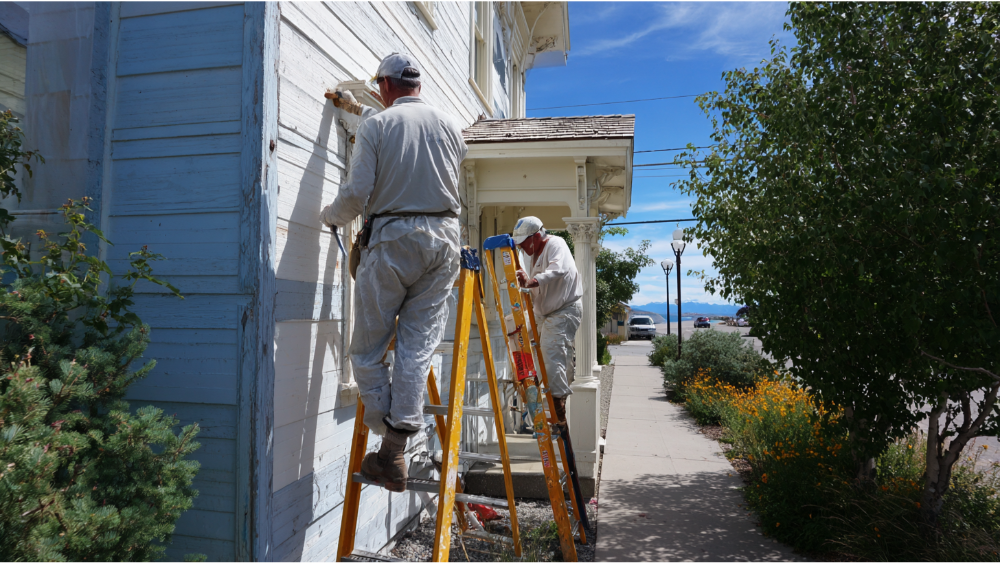
Paint performance depends on sound substrates. Repair rotted wood correctly and paint lasts longer. Poor repairs lead to early paint failure. Our exterior projects include rot repair standards designed to support durable finishes and long lasting repair outcomes.
FAQs About Epoxy vs Wood Replacement
Can epoxy be painted?
Yes. Epoxy accepts primer and paint once cured and sanded.
How long does epoxy rot repair last?
When moisture is controlled and bonding is done correctly, epoxy repairs can last many years.
Is epoxy waterproof?
Epoxy resists moisture but does not waterproof surrounding wood.
Can rotted wood spread if not fully removed?
Yes. Infected wood left behind allows fungal growth to continue.
Is replacement always better than epoxy?
No. Small repairs on non structural components often perform well with epoxy.
Can you combine epoxy repair and replacement on one project?
Yes. Many homes require both approaches depending on conditions.
What We Recommend as Local Rot Repair Professionals
We evaluate each situation based on condition, exposure, and future performance. Our goal is to restore rotted wood when appropriate and replace rotted wood when necessary, always focusing on long term protection rather than quick fixes.
Making the Right Call for Your Home
Choosing whether to repair rotted wood or replace it is about understanding the problem, addressing moisture, and selecting the right solution for each area. When done correctly, both methods can be successful. If you are dealing with rot, a professional assessment helps ensure the repair protects your home, your paint, and your investment for years to come.
