
%201.svg)


Should I Spray, Roll, or Brush for Interior Walls and Trim? A Pro Painter’s Guide (2026)
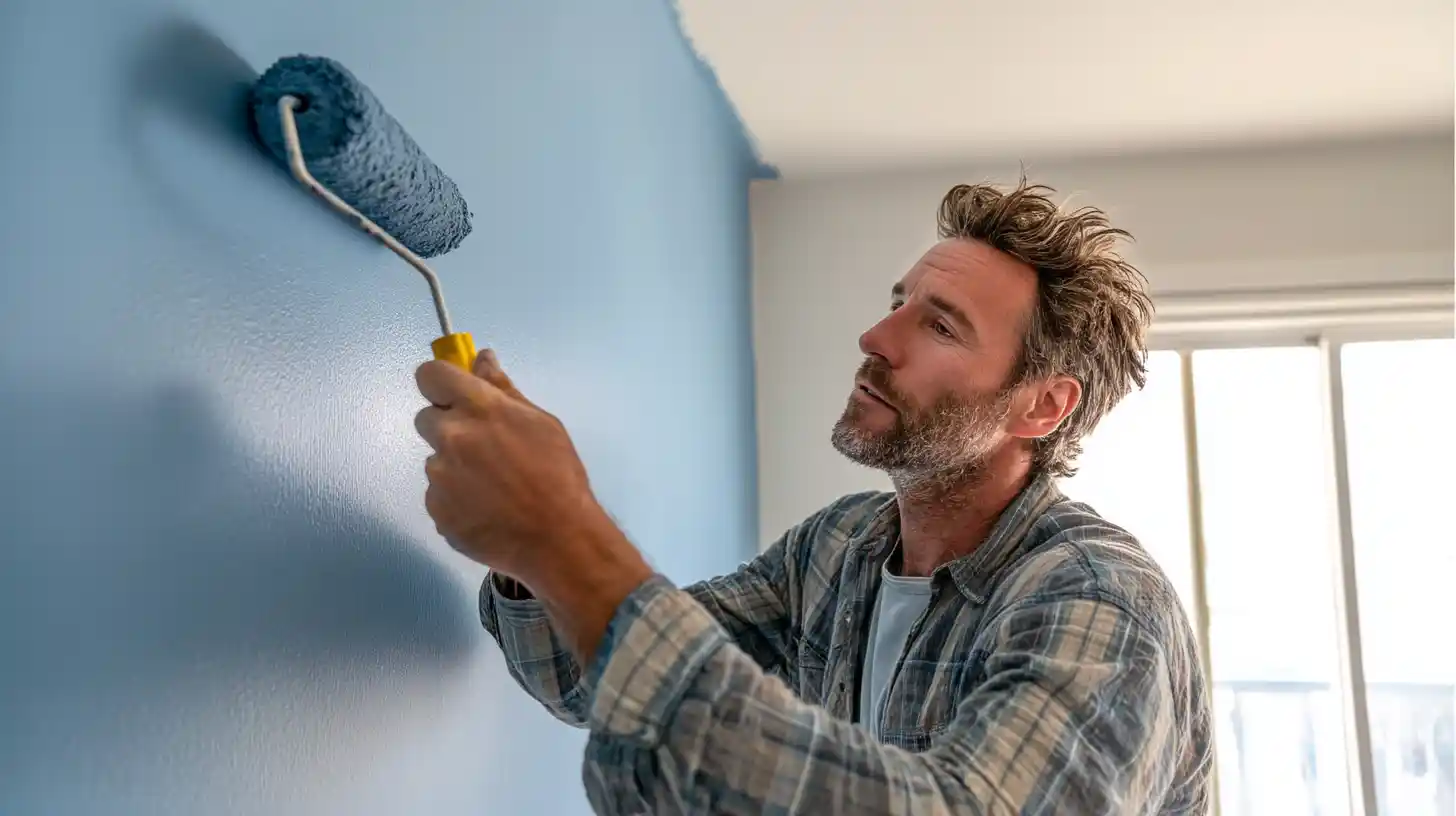
Here’s a quick answer to a question we hear every week: should I spray roll or brush for interior walls and trim? The truth is that no single application method works best everywhere. Professional painters choose between spray, roller painting, brushing paint, or a brush and roll combination based on surface type, room conditions, and the level of finish expected. Choosing the right approach makes all the difference in durability, appearance, time spent, and how much paint is actually used.
Why Application Method Matters More Than Most Homeowners Realize
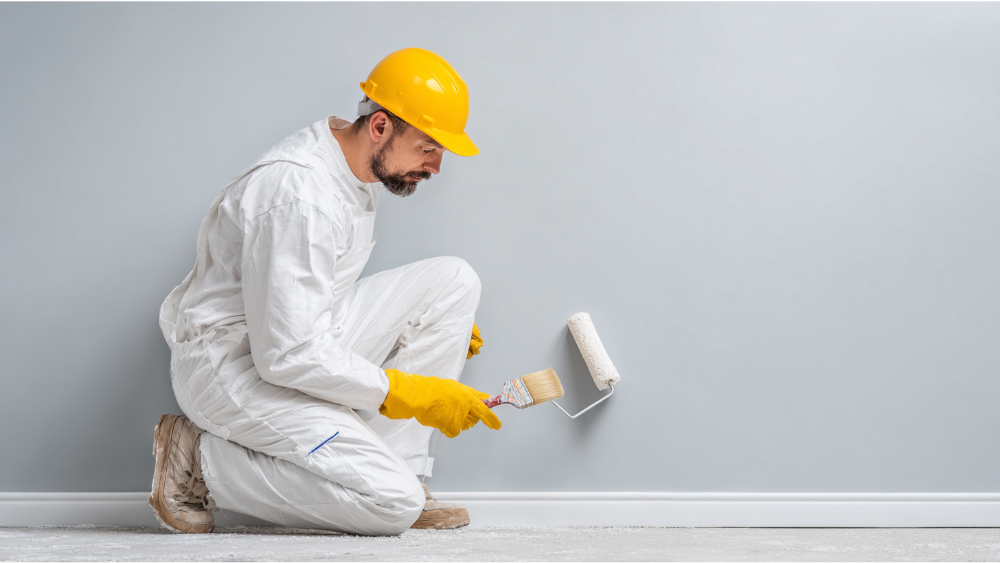
Applying paint is not just about putting a fresh coat on the wall. The application method affects even coverage, adhesion, texture, and the overall appearance of the space. The wrong method can leave uneven coverage, visible brush strokes, roller texture where it does not belong, or an uneven coat that shows in certain lighting. We often see homeowners frustrated because they used too much paint in one area and not enough in another. That usually comes down to using the wrong tool for the surface.
Interior painting also involves protecting what is already in the home. Covering floors, moving furniture, and shielding furniture pieces from a fine mist of paint takes planning. In an occupied home, the method chosen can affect how disruptive the project feels. That is why experienced painters look at walls, trim, ceiling height, and furniture before deciding how to apply paint.
Rolling Interior Walls — The Most Reliable Option
When Rolling Is the Best Choice
Rolling paint is the most common approach for interior walls in lived-in homes. Bedrooms, hallways, family rooms, and stairwells all benefit from roller painting because it provides control and consistent results. Rolling paint works especially well on textured surfaces like light orange peel or knockdown, where spray alone can lead to uneven coverage.
Pros of Rolling Walls
Using a roller gives even coverage and predictable results. With the correct nap size, a roller loads enough paint to cover the wall without flooding it. This reduces the risk of too much paint causing drips or flashing. Rolling paint also allows painters to manage how much paint is applied to each section, which improves better coverage and reduces waste. Rolled walls are easier to touch up later, which matters for homes that see daily use.
Cons of Rolling Walls
Rolling paint can be more time consuming on large surfaces compared to spray painting. It also leaves a slight roller texture, which is normal and often preferred on smooth walls, but not ideal for high gloss finishes. On very smooth surfaces, the roller texture may be more noticeable if the wrong nap is used.
Why Pros Still Rely on Rolling
For interior walls, rolling paint offers reliability. It balances speed, control, and durability. When done correctly, rolling paint produces even coverage, good adhesion, and a finish that holds up well over time.
Brushing Interior Trim — Precision Over Speed
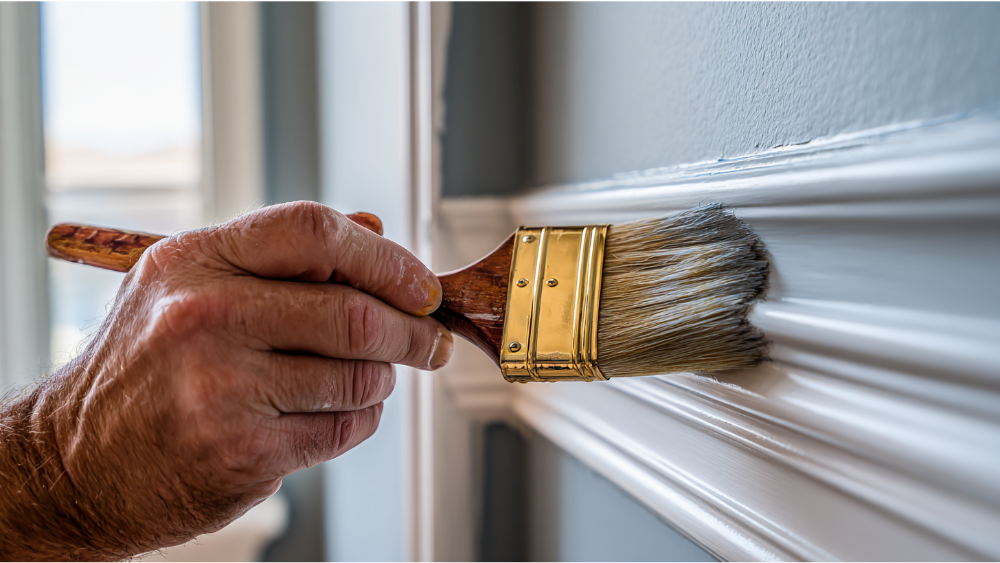
Why Brushing Is the Standard for Trim
Trim requires precision. Door frames, baseboards, window casing, and crown molding all have intricate details that demand control. Brushing paint allows painters to work carefully around walls, flooring, and ceiling lines without relying on heavy masking. Brushing paint also helps push paint into grooves and profiles where rollers or sprayers can miss.
Where Brushing Works Best
Brushing is ideal for trim, door frames, crown molding, and detailed woodwork. These areas often involve smooth surfaces with curves or edges where a brush is the best tool. Brushing paint ensures consistent coverage on both flat and detailed sections.
Pros of Brushing Trim
A brush gives control and accuracy. It reduces the risk of overspray and makes it easier to manage how much paint is applied. Skilled brushing paint techniques minimize brush marks and help achieve a professional grade finish.
Cons of Brushing Trim
Brushing takes practice and skill. If rushed, it can leave brush strokes or visible brush strokes, especially with high gloss paint. It is also slower than spray trim methods, which is why pros evaluate the situation carefully.
Brush vs Mini-Roller for Trim
Many professionals use a small roller on flat trim sections, then follow with brushing paint on edges and profiles. This brush and roll approach improves even coverage and reduces brush marks while maintaining control.
Spraying Interior Paint — Fast but Prep-Heavy
What Spraying Actually Means Indoors
Spray painting uses airless sprayers or similar equipment to atomize paint into a fine mist. Spray painting requires careful control because that mist can travel and settle on nearby surfaces. This means more prep work, including covering floors, furniture, and fixtures.
When Spraying Makes Sense
Spray painting is best for vacant homes, a new house, or large projects where the entire interior can be protected at once. It is also common for ceilings, large surfaces, and repeating elements. Spray trim can work well in empty spaces where masking is already in place.
Pros of Spraying
Spray painting is fast and efficient for covering large areas. It can produce a smooth finish on smooth surfaces when done correctly. Spraying is especially effective for ceilings, popcorn ceilings, and large open rooms.
Cons of Spraying
Spray painting uses much paint compared to other methods, especially if containment is poor. Overspray can result in so much paint landing where it does not belong. Spray painting requires significant prep work and skill level to avoid uneven coverage.
Why Pros Spray and Backroll Walls
Back brushing or back rolling after spray helps work paint into the surface. Back brushing improves better adhesion, evens out the coat of paint, and reduces the chance of an uneven coat. This step is critical on textured surfaces and drywall.
Walls vs Trim — Why They’re Usually Painted Differently

Walls and trim serve different purposes and receive different wear. Walls are large surfaces where even coverage matters most. Trim is detailed and often painted in high gloss, which highlights imperfections. That is why professionals usually roll walls and brush trim, or spray trim only when conditions allow.
How Home Conditions Affect the Right Method
An occupied home limits spray options because of furniture and daily use. Furniture must be moved or protected, and covering floors becomes essential. Ceiling height also matters, as tall ceilings often benefit from spray painting. Exterior walls and exterior painting methods differ entirely and are not interchangeable with interior techniques.
Cost Differences Between Spraying, Rolling, and Brushing

Spraying is not always the lower cost option. While application is faster, prep work and extra paint can increase cost. Rolling paint and brushing paint may take more time spent applying, but they often use less paint and require less protection. Choosing the right method avoids too much paint usage and wasted labor.
Which Method Produces the Best Long-Term Results?
Long-term performance depends on surface type, paint type, and application method. Rolled walls typically provide better durability and touch up more easily. Brushed trim holds up well when applied carefully. Sprayed surfaces perform best when back brushing or back rolling is included.
What Professional Painters Actually Do
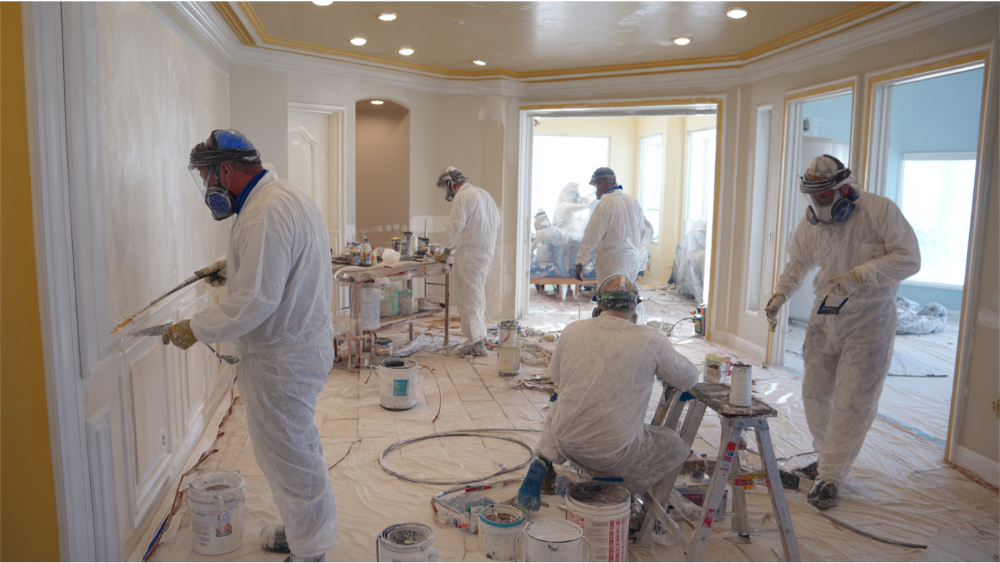
Professionals combine other methods as needed. A typical project may involve rolling paint on walls, brushing paint on trim, spray painting ceilings, and selectively using a sprayer on large projects. The goal is consistent quality, not speed alone.
Should You DIY or Hire a Professional?
DIY-Friendly Scenarios
Single rooms, one coat refreshes, or simple rolling paint projects are manageable for homeowners with patience and the right roller and brush.
When Hiring a Pro Makes More Sense
Whole-home projects, spray trim, kitchen cabinets, high gloss finishes, and intricate details benefit from professional experience. Large projects require planning, prep work, and efficient application to achieve a professional grade finish.
FAQs
Is spray painting better than rolling paint?
Spray painting can be faster, but rolling paint provides better control and more even coverage in most interior spaces.
Do professional painters spray or roll walls?
Most professionals roll walls and brush trim, using spray selectively.
Is sprayed paint harder to touch up?
Yes, sprayed-only walls can show uneven coverage during touch ups.
Can trim be sprayed in an occupied home?
It can be done, but the prep and covering required often make brushing paint the better option.
Does spraying use more paint than rolling?
Often, yes. Spray painting can use much paint due to overspray.
What method gives the smoothest finish?
Spraying followed by back brushing or back rolling produces a smooth finish when done correctly.
Should walls and trim be painted the same way?
No. Different surfaces require different tools for the best results.
Final Recommendation from a Professional Painter
Choosing between spray, roller, and brush is about making an informed decision. The best tool depends on the surface, the space, and the expectations for finish and durability. Using the right application method improves overall appearance, reduces waste, and ensures the coat lasts. When applied correctly, the right approach makes all the difference for your interior.
