



Satin vs. Semi-Gloss Paint: How to Choose the Right Finish
Key Takeaway
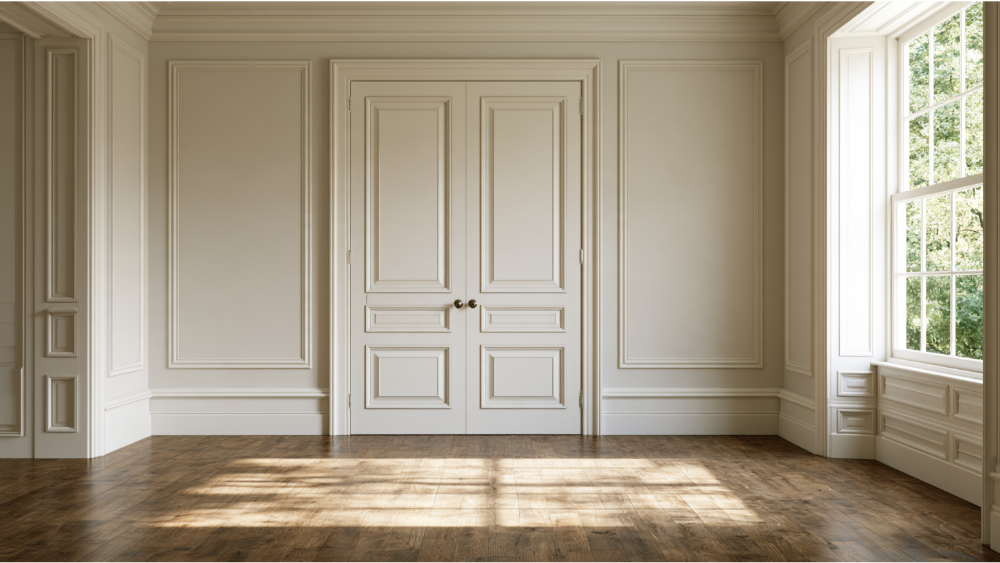
Satin paint is the better choice for most interior walls in the satin vs semi gloss paint decision: it sits at roughly 20 to 35 gloss units, hides surface flaws, and still cleans well. Semi gloss, ranging up to 70 gloss units, belongs on trim, doors, and cabinets where frequent wiping and moisture resistance matter most. Sheen names are not standardized across brands, so always check the product data sheet and a physical sample.
Satin vs Semi Gloss Paint: The Quick Answer
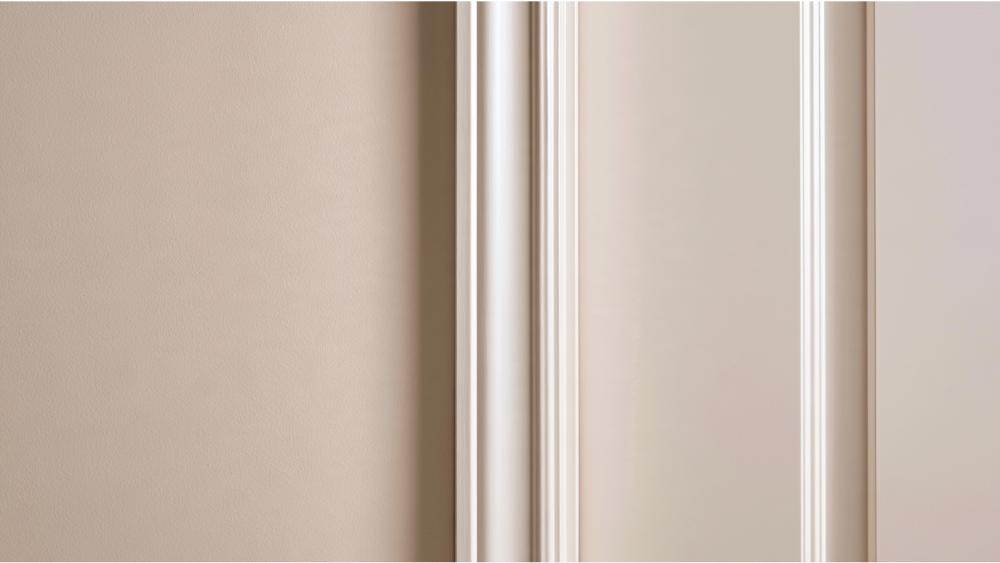
Satin paint is the better default for most interior walls. Its soft appearance and low-to-medium luster hide minor imperfections, resist glare, and still wipe clean. A semi gloss finish belongs on trim, doors, cabinets, and other high-touch surfaces that get wiped often, where its brighter shine adds definition and stands up to repeated cleaning. One caveat worth knowing before you buy paint or sign off on a contractor's recommendation: the specific product and proper surface prep matter as much as the sheen name on the can.
Satin and Semi Gloss at a Glance
Here's the short version if you only read one thing:
What Paint Finish and Sheen Actually Mean
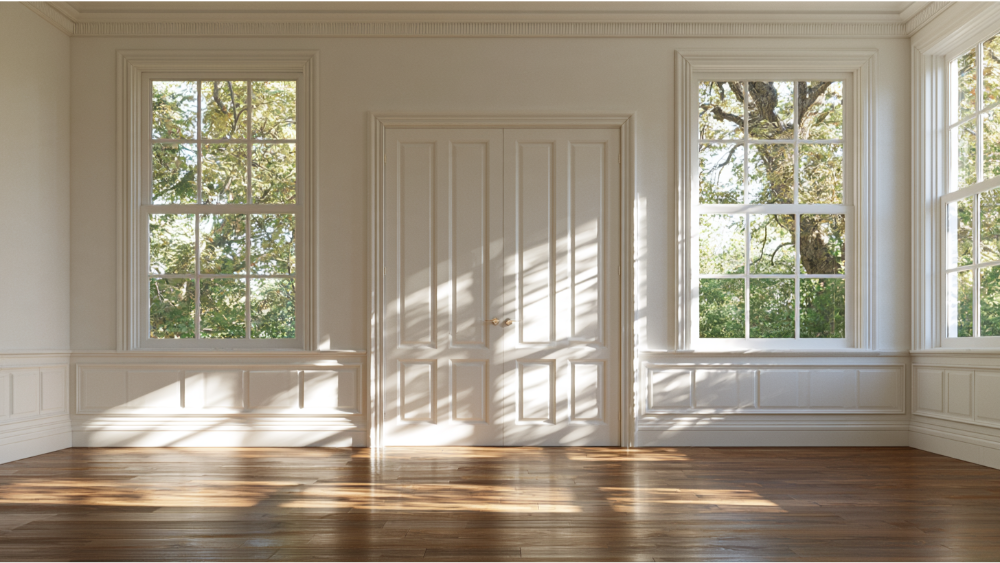
Sheen describes how much light a dried paint finish reflects. Satin sits below semi gloss on the sheen spectrum, so it reads as a soft glow while semi gloss looks polished, and high gloss sits higher still with a mirror like finish. The Master Painters Institute puts satin at roughly 20 to 35 gloss units measured at a 60-degree angle (with a minimum of 35 at 85 degrees), and semi gloss paint at about 35 to 70 units at 60 degrees. The ASTM D523 test method measures gloss at 20, 60, and 85 degrees. Here's what most articles skip: sheen names aren't standardized between brands. One maker's satin may not match another's. Trust the product data sheet and a physical sample over the label name.
When Satin and Eggshell Paint Are the Better Choice
Satin earns its spot on large wall surfaces because the lower sheen reflects less light, so dents, patches, and texture differences stay quieter. It still cleans up better than a flat or matte finish, which trades durability for the best job of hiding surface flaws. An eggshell paint sits a notch below satin and gives a similar soft look on most interior walls. Reach for satin or an eggshell finish on:
- Living rooms and bedrooms
- Hallways and family rooms
- Large, open wall surfaces where glare would show
- Older or patched walls that aren't perfectly smooth
When High Gloss and Semi Gloss Finish Paint Win
Semi gloss paint shines (literally) where you want crispness and a surface that handles frequent cleaning. The higher sheen highlights millwork and gives you a more moisture resistant surface with real stain resistance, plus good durability against scuffs. High gloss takes that further, though it can throw off too much shine on broad areas. These finishes are perfectly suited to architectural features and crown molding you want to stand out. Use semi gloss on:
- Trim and baseboards
- Interior doors and window frames
- High-touch surfaces that get cleaned often
- Architectural details you want to pop
Satin and Semi Gloss by Room and Surface
Bathrooms: "semi-gloss for bathrooms" is too simple. Walls, trim, ceilings, and direct-splash areas each behave differently, and the right pick depends on ventilation, wall condition, and product formulation. Satin handles occasional humidity fine, while semi gloss gives a stronger barrier in high moisture areas near sinks and tubs and shrugs off water stains.
Kitchen walls: usually satin, with semi gloss paint where frequent wiping and grease stains are expected. For kitchen cabinets, see the coating note below.
Dining rooms and living rooms: satin keeps the wall surface clean but forgiving across these everyday spaces.
Laundry and utility areas: lean semi gloss for extra protection and added durability.
Exterior: satin or another low-sheen finish on siding, semi gloss on front doors and trim.
No paint finish prevents mold. Paint only resists surface moisture, so in high humidity areas ventilation and moisture control still do the real work.
Why Cabinets Need a Cabinet Coating, Not Just a Sheen
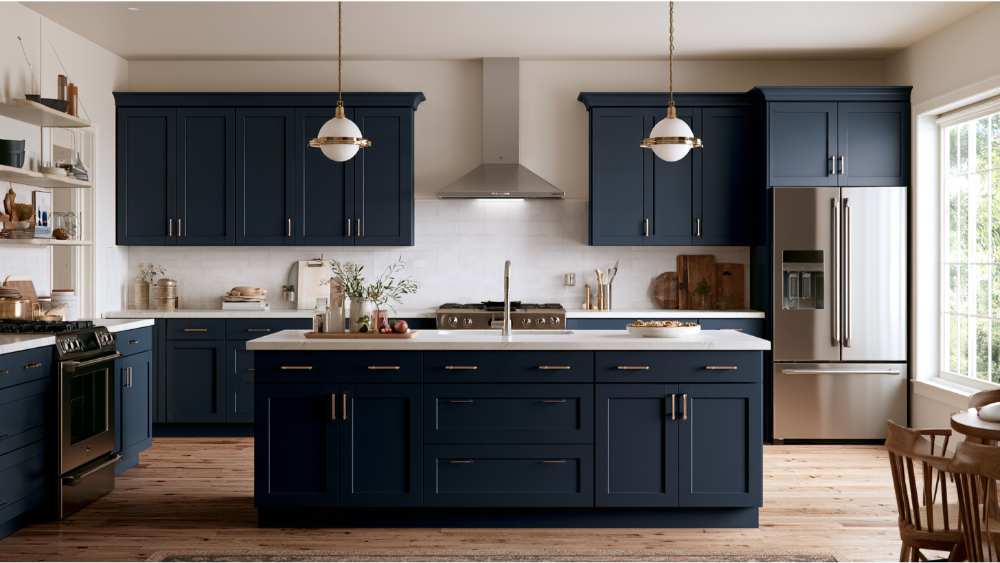
Satin versus semi gloss isn't really the cabinet decision. Cabinets, doors, and trim need a coating built for hardness, adhesion, leveling, scratch resistance, and block resistance (so painted surfaces don't stick together when they touch). Both a satin and semi gloss finish can succeed on cabinets when the underlying product is designed for that use and built to be durable. Don't grab a can of semi gloss wall paint and call it a cabinet finish.
How Each Finish Shows Imperfections
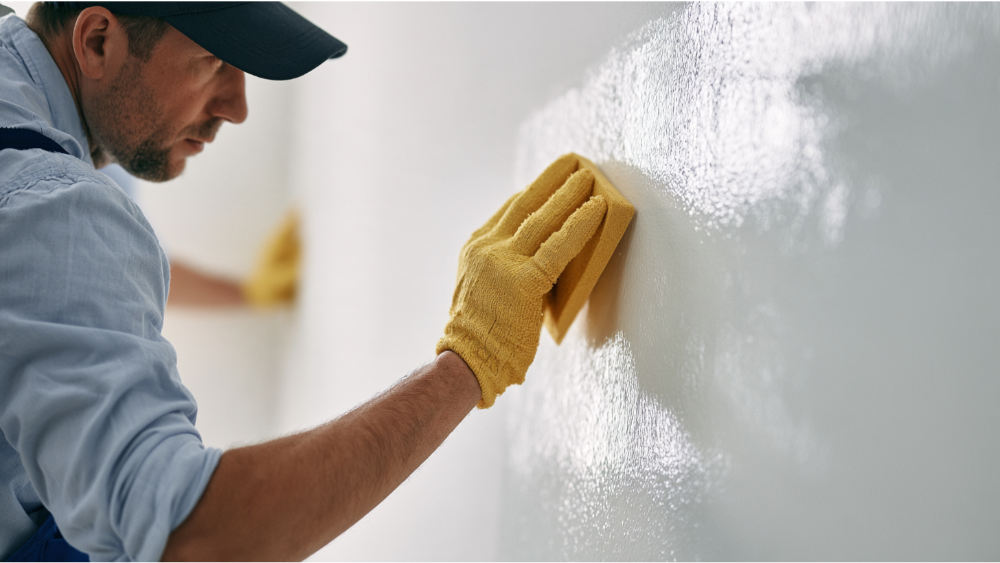
The higher the sheen, the more it bounces light, and the more it points out drywall defects, patches, texture differences, brush and roller marks, and flashing (visibly uneven sheen over unprimed or porous spots). More sheen means less forgiveness: a high gloss or semi gloss finish is the least forgiving of surface flaws, while flat paint hides the most. That difference in light reflection is exactly why surface prep belongs at the center of the decision, not at the end as a tip. A sound surface should be clean, dry, stable, and properly primed before any glossier finish goes on. Skip that step and semi gloss will advertise every imperfection you hoped to cover.
Can You Paint Satin Over Semi Gloss (or the Reverse)?

Yes, in both directions, with the right preparation. Shiny, glossy surfaces have to be cleaned and dulled by sanding, an approved abrasive method, or an adhesion primer so the new coat actually bonds. Painting straight over a hard, slick finish invites peeling. Repair and prime patched or porous areas to avoid flashing, and follow the product data sheet for the paint you're using.
A Lead-Safe Note for Pre-1978 Homes
Homes built before 1978 are more likely to contain lead-based paint, and sanding or scraping during prep can throw off hazardous dust. For paid work, EPA's RRP rules generally apply when more than 6 square feet of interior painted surface per room, or more than 20 square feet of exterior, is disturbed. If your home is older, hiring an EPA Lead-Safe (RRP) Certified contractor matters here, which is one reason we hold that certification.
Your Finish and Paint Color Decision Checklist
- What surface am I painting?
- How smooth is it, and how many imperfections show?
- How often will it be cleaned or touched?
- Is it splashed or exposed to moisture?
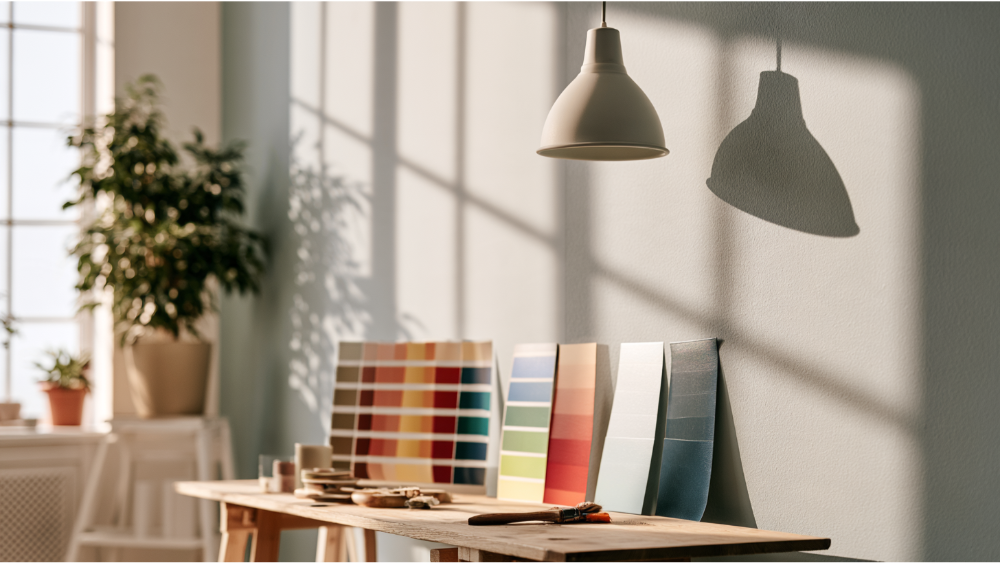
- Does my paint color read differently across flat, satin, and semi gloss?
- What does the product data sheet say?
- Has the surface been properly prepped?
Frequently Asked Questions
Is satin paint too shiny for walls? No. Its low-to-medium luster and soft appearance suit most walls. Semi gloss is usually the one that looks too shiny across high traffic, large wall areas, and high gloss more so.
What are the disadvantages of satin paint? It can burnish (shine up in spots) if you scrub it hard with abrasive cleaners, and it's slightly less moisture resistant than a semi gloss finish.
When should I use semi gloss paint? On trim, doors, cabinets, and high-touch surfaces that get wiped frequently, where you want a stain resistant, durable finish.
What finish do most people paint walls with? Satin or eggshell, for a soft, washable look that can subtly create dimension against trim. Flat paint is reserved for ceilings and low-traffic areas where hiding surface flaws and glare reflection matters more than cleanability.
Can you use satin walls with semi gloss trim in the same room? Yes. It's a common, intentional contrast that gives trim and crown molding definition against the walls.
Get Expert Help Choosing the Right Finish
Choosing the right sheen and paint color is part of the scope and color consultation. We talk through the surface, the room, and the product so you get clean, long-lasting results, with proper surface prep built into every job. We'll steer you between flat, eggshell, satin and semi gloss based on how each area is used, not guesswork. And because we're full-service, the same team handles rot repair, siding, and carpentry when your project needs it. Based in Edgewood, WA, we serve homeowners and businesses across the greater Seattle-Tacoma area. Start with a free estimate and see exactly what your project will involve. Get My Free Painting Estimate or call 206-222-0435.
