



Satin Finish Paint: A Painter's Guide to Where It Works and Where It Doesn't

Key Takeaway
Satin finish paint is a mid-sheen coating rated at roughly 20 to 35 gloss units that delivers a soft, pearl-like glow, cleans easily, and holds up in kitchens, bathrooms, hallways, and other high-traffic rooms. Its added reflection can expose wall flaws and lap marks, so thorough surface prep is essential. The word 'satin' varies by product line, so always check the technical data sheet before buying.
Satin finish paint is a mid-sheen coating with a soft, pearl-like glow that cleans easily and holds up well in moderate- to high-traffic or moisture-prone rooms. The trade-off is that its added reflection can expose wall flaws, lap marks, and poor surface prep. If you're choosing an interior paint for a project or weighing a contractor's recommendation, this guide gives you a clear room-and-surface decision framework instead of another one-line definition. One thing to keep in mind from the start: "satin" labels vary by product line, so the surface, the room conditions, and the product's technical data sheet matter more than the word on the can.
How Shiny Is Satin Paint? Where It Sits on the Sheen Chart
Sheen is just a measure of how much light a dried coating reflects. Here's the ladder from least to most shine, a simple sheen chart you can picture as you plan:
- Flat / ultra flat: no shine, best finish for hiding flaws
- Matte finish: very low glow, forgiving on imperfect walls
- Eggshell: slight softness, a low sheen reminiscent of an eggshell, easier to wipe clean
- Satin: soft pearl-like glow, cleans well, shows more flaws
- Semi gloss: noticeable shine, common on trim and doors
- High gloss: most reflective and most revealing of defects
Climbing the sheen ladder means more shine and easier cleaning, but also more visible imperfections. The Master Painters Institute classifies satin as Gloss Level G4: roughly 20 to 35 gloss units measured at 60 degrees, with a minimum of 35 sheen units at 85 degrees. ASTM D523 defines how gloss is measured (at 20, 60, and 85 degrees) but doesn't assign consumer names like "satin" or "eggshell." Surface texture also changes the look, since a rough wall scatters light and reads duller than a smooth one. That's why a physical sample of the paint color and paint sheen under your own lighting beats trusting the label.
Where Should You Use Satin Paint? A Room-and-Surface Decision Table
Satin is a flexible choice, but suitability depends on the product formula and the surface, not the sheen name alone. Use this as a starting point when you're matching a paint finish to different rooms:
Advantages of a Satin Paint Finish
Satin earns its popularity for a few practical reasons:
- Easy to clean: most satin wipes down without dulling, and it's stain resistant enough for daily life.
- Useful durability: in traditional terms it offers better stain resistance than an eggshell finish and shrugs off everyday scuffs.
- Soft reflection: the pearl-like glow flatters interior walls and millwork without looking glassy like gloss paint.
- Handles busy rooms: hallways, living rooms, and kitchens hold up well to high traffic.
- Interior and exterior versatility: there's a satin option for most interior spaces and outdoor surfaces.
One honest caveat: sheen isn't the only durability measure. Modern lower-sheen formulas, including some flat paint lines, can be highly washable too. Formulation and intended use decide performance as much as the sheen name does.
When Satin Is the Wrong Choice
Satin struggles in a few predictable situations:
- Damaged, patched, or uneven walls, where reflection emphasizes every flaw. Flat paint or a matte finish is more forgiving.
- Surfaces under strong side lighting (what pros call "critical lighting"), which exposes defects.
- Large ceilings, where roller marks and glare show.
- Rooms where you want a soft, nonreflective look.
- Projects that need invisible spot touch-ups.
- Surfaces that need a specialty coating, not ordinary wall paint.
Satin vs. Eggshell Paint, Flat Finish, and High Gloss Paint
Here's how the common finishes stack up side by side, from the lowest sheen to high gloss paint:
Treat this as a baseline, not a rule. Product formulation can override these traditional sheen assumptions, so compare technical data sheets, not just the finish names on the cans. A high gloss paint, for instance, delivers a nearly mirror like finish that is the most durable and most washable film, but it also shows every ripple in the surface beneath it. For a room you want to read calm and even, eggshell or satin tends to be a better finish than the brightest options.
Is Satin Paint Good for Bathrooms and Kitchens?
Satin is commonly chosen for kitchens and bathrooms because it cleans easily and handles moisture-prone walls better than a flat finish. That makes it a reasonable pick in much of the Pacific Northwest, where damp air is a constant. The nuance matters, though. Pick a room-appropriate, mildew-resistant formula, and understand the difference between a moisture-prone wall and a direct wet zone like a shower surround, which may call for a different product entirely. A working exhaust fan still earns its keep. And paint won't fix a leak or chronic condensation. Those are repairs, not a finish-coat problem, and painting over them just delays the failure.
Can You Use Satin on Doors, Trim, Cabinets, and Exteriors?

Satin is a sheen, not a universal formula. A satin wall paint is not the same product as a satin trim enamel, a satin cabinet coating, or a satin exterior paint. They use different resins and have different hardness, adhesion, and intended substrates. On doors, trim, and millwork, a satin enamel highlights detail and cleans well. Where you want crisp edges and maximum wipe-down durability on high traffic walls and woodwork, many painters step up to a semi gloss paint or even a high gloss enamel instead. Cabinets need a true cabinet enamel built to resist handling and grease. Exterior siding, trim, shutters, windows, and doors all have satin options engineered for weather and UV.
Before any exterior finish coat goes on, rot, siding damage, open joints, and failed caulk have to be corrected. Paint laid over those problems won't last, and it can hide damage that keeps spreading underneath.
Why Surface Prep Matters More With Satin
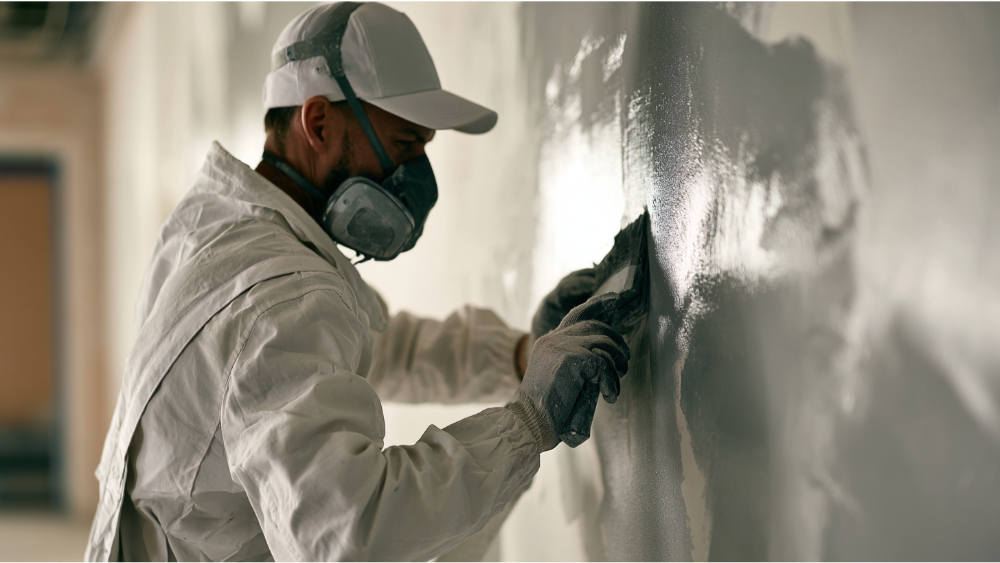
A lasting satin finish begins below the finish coat. Satin's reflection exposes any skipped prep, so the painted surface underneath has to be sound. A glossy paint shows even more, and a flat finish the least, which is one reason flawed surfaces are so unforgiving once you add shine. A solid surface prep process usually includes:
- Cleaning off dust, grease, and chalk
- Scraping loose or peeling paint
- Repairing holes, cracks, damaged drywall, failed caulk, and deteriorated wood until the wall is smooth
- Sanding or deglossing slick existing coatings for adhesion
- Priming bare, repaired, stained, or difficult substrates as the product system specifies
Primer isn't always required. It depends on the substrate, the existing coating, stains, repairs, and whether you're making a big paint color change. What doesn't change is the rule that underlying moisture and structural issues get fixed first. Rot repair and siding replacement come before paint, not after. The attention to detail you can't see is what produces clean, long-lasting results you can, and it's how a professional painter earns a professional finish with rich color that holds up.
Application, Drying, Curing, and Touch-Ups
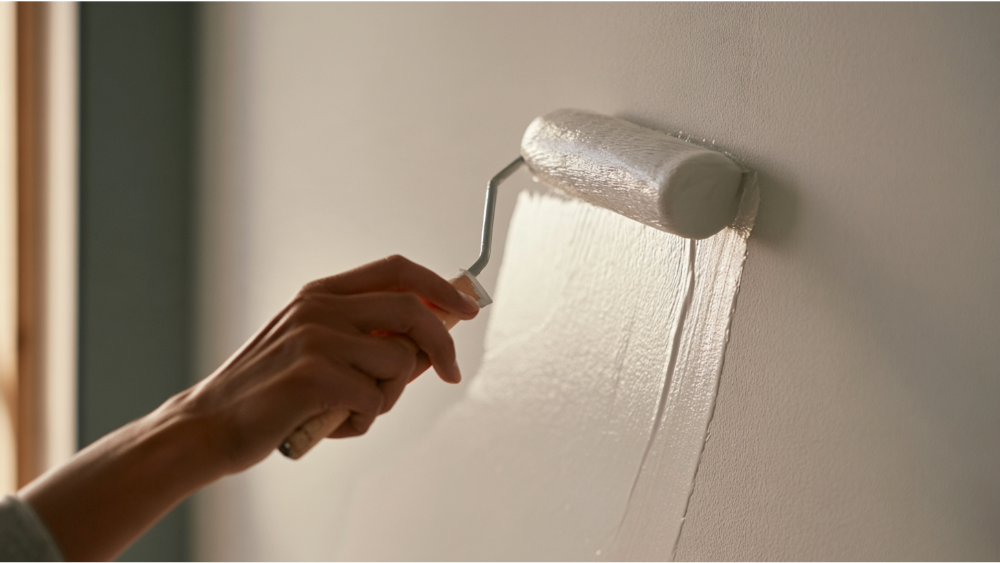
With mid-sheen paint, application discipline shows. Keep a wet edge and maintain consistent roller texture, because lap marks and uneven coverage stand out more under side lighting on satin and glossy paint surfaces. It also helps to understand three separate milestones that people often blur together: dry to touch, recoat time, and full cure.
As one illustration, a single interior satin data sheet lists about one hour to touch, two hours to recoat, and four weeks to full cure at 77 degrees and 50 percent relative humidity. Treat that as a product-specific example, not a universal rule. Cooler temperatures and higher humidity, common in Washington much of the year, extend drying time. Wait for full cure before any aggressive cleaning. And know that touch-ups can "flash," showing a shiny or dull patch when the tool, film thickness, or lighting differs. The higher the gloss, the more visible that flash. Sometimes the fix is repainting corner to corner so the wall reads evenly. A little regular maintenance between repaints keeps the finish looking its best.
Safety, Ventilation, and Older Homes
"Satin" describes appearance, not VOC content. A satin product can be low-VOC or not, so check the label and use indoor paint indoors. The EPA recommends exhaust ventilation while you paint and continuing substantial ventilation for two to three days afterward, when most early emissions occur.
Older homes need extra care. The EPA's Renovation, Repair and Painting Rule applies to paid work disturbing paint in most housing built before 1978. The minor repair exception generally covers up to about six square feet of disturbed paint per room indoors or 20 square feet on an exterior, with important exceptions, and firm certifications are valid for five years. Cover Pro Painting is EPA Lead-Safe (RRP) Certified. In Washington, you can also verify that a painting contractor is registered, bonded, and insured through the L&I Verify tool.
Picking the Right Paint Sheen With Cover Pro Painting

Choosing a satin paint sheen is one decision inside a larger coating system, and choosing the right paint finish is easier once you've weighed how each room is used. The finish only lasts when the prep and repairs under it are done right, whatever paint color you land on. A low lustre or low sheen option is often a great choice for low-traffic bedrooms, while high traffic areas call for something tougher. We're a founder-led team based in Edgewood, WA, serving the greater Seattle-Tacoma area, and we handle interior and exterior painting plus rot repair, siding replacement, and carpentry with one crew, so you're not managing multiple contractors. You'll get a transparent estimate (we don't post fixed prices online because every painting project differs), clear communication start to finish, and work backed by our licensed, bonded, and insured status, EPA Lead-Safe certification, a 3-year workmanship warranty on exterior painting, and premium products. A satin or high gloss on the trim can even bounce more light around a room. We'll help you pick the right paint sheen and achieve the perfect finish for every surface, from flat on the ceilings to a durable sheen on the woodwork. Start with a free estimate and see exactly what your project will involve. Call us at 206-222-0435.
Frequently Asked Questions
What is satin finish for paint?
Satin is a mid-sheen paint with a soft, pearl-like glow. It sits between an eggshell finish and semi gloss on the sheen scale, cleans easily, and suits moderate- to high-traffic and moisture-prone rooms like kitchens, dining rooms, and busy living rooms.
Is satin or matte finish better?
It depends on your priorities. Satin wins for cleanability, high traffic, and moisture, while matte and flat paint hide imperfections and give a soft, low-glare look on walls. Modern formulas can shift this, so compare the actual products, not just the finish names. For many homes, eggshell paint is also an excellent choice in this middle ground.
What are the disadvantages of satin paint?
Satin shows more imperfections under light than other finishes do, and its touch-ups can flash a shiny or dull patch. It's also not ideal for large ceilings or heavily damaged surfaces, where flat or matte is more forgiving.
Is satin finish too shiny?
Satin is a soft glow, noticeably less reflective than semi gloss or high gloss paint. When it looks "too shiny," the surface usually has flaws or the room wanted a lower sheen. A sample of the paint sheen viewed under the room's real lighting settles the question.
Is satin paint easy to clean?
Yes. Satin generally wipes clean and resists stains better than an eggshell finish in traditional terms, though gloss paint cleans even more easily. Just wait for the paint to fully cure before any serious scrubbing.
