



Repainting a Rental Property: What Landlords Should Budget For
Key Takeaway
Repainting a rental property has no reliable universal price because costs depend on paintable area, surface condition, prep requirements, lead-safe rules, and vacant days during turnover. Interior paint in a rental typically lasts two to seven years. Budget in three buckets: baseline painting scope, condition-driven repairs, and turnover ownership costs.
When you budget to repaint a rental property, plan for more than paint and labor. A realistic number includes surface prep, drywall and carpentry repairs, primer and finish coats, ceilings and trim, access and protection, lead-safe requirements on older buildings, and the turnover schedule itself. The reliable figure comes from an on-site inspection, because wall condition and hidden repair needs drive the scope far more than unit size does. It also helps to know ahead of time which items you can fairly charge against a security deposit and which ones are simply normal wear and tear you absorb as the owner.
This is written for landlords, property managers, and small investors planning a turnover or an overdue maintenance repaint. Two ideas run through everything below: the scope tiers (touch-up, partial repaint, full repaint, or paint plus repairs), and the line between routine maintenance and tenant caused damage. Get those two right and the budget stops surprising you.
First, decide how much painting the rental property actually needs

Every repaint falls somewhere on this ladder:
Several factors decide where your unit lands, and the calendar isn't one of them. Walk the rental unit and look at paint condition: adhesion, peeling, bubbling, staining, how many patches there are and how visible they sit under natural light, any sign of moisture, and whether the existing paint can be recoated without heavy priming. Paint deterioration in a sunny south-facing living space looks nothing like the closet nobody opened for four years.
You'll see a three-to-five-year full repaint cycle quoted everywhere. It's a useful planning guideline that many property owners budget around, but it isn't a national law or a standard we apply blindly. Some units need work at year three. Units with long term tenants often stretch well past that, partly because fewer move ins mean fewer patched walls, and partly because the prep was done properly the first time.
Repainting rental property: what actually goes into the budget, line by line
Here's what a real professional painting scope contains. Each of these is a cost driver, and each one is a place where a cheap proposal quietly disappears:
A lower proposal usually means fewer of these line items, not a better deal. Compare scopes before you compare numbers.
Why surface prep is the line item that decides how long the paint lasts
A paint job applied over dirt, failed caulk, glossy trim, or damp drywall fails early. It peels, it cracks at the joints, and it gets repainted at your expense. Surface preparation isn't the part of the job you trim to save money. It's the part that determines whether you're back in this rental property in two years or eight.
Which surfaces you include changes the budget more than square footage
Walls-only is a very different job from walls plus ceilings, trim, doors, and closets. Ceilings and trim are the two most common scope surprises in a rental unit. Ceilings hide smoke and cooking residue that needs priming. Trim and doors wear sooner than anything else in the unit and take the most labor per linear foot. Decide up front which ones are in.
Budget for the repairs hiding behind the fresh coat

A repaint often uncovers work that has nothing to do with paint: moisture stains around a window, soft or deteriorated drywall under a leak, failed caulk at trim joints, damaged baseboard, exterior wood rot at fascia and sills, failed siding, or a gutter dumping water down one wall year after year.
Painting over unresolved damage does not deliver lasting quality. It hides the problem until the next turnover, when it costs more. Build a contingency into the budget for what the walk-through can't see behind the drywall or under the siding.
The practical advantage of one team handling rot repair, siding replacement, and carpentry alongside the painting is that you're not scheduling two or three contractors mid-turnover while the unit sits empty. Coordinating separate trades is time consuming, and every extra day is a vacancy day. That full-service capability is a large part of why property owners call us instead of splitting the work.
Touch-ups or repaint the entire unit? Start with the current paint
Run this in ten minutes on your walk-through:
When minor scuff marks are the only problem
Spot painting only works when the current paint is the same product, color, and sheen, and hasn't faded. Otherwise the repair reads as a patch in every photo, and you end up repainting the entire unit anyway. This is where a standardized color policy pays for itself: one wall color and one trim color in neutral tones across your portfolio makes minor scuffs a fifteen-minute fix between tenants instead of a full room repaint. Chasing an exact match on a discontinued color is far more time consuming than most owners expect, which is another argument for keeping the palette simple.
Normal wear and tear vs. tenant caused damage
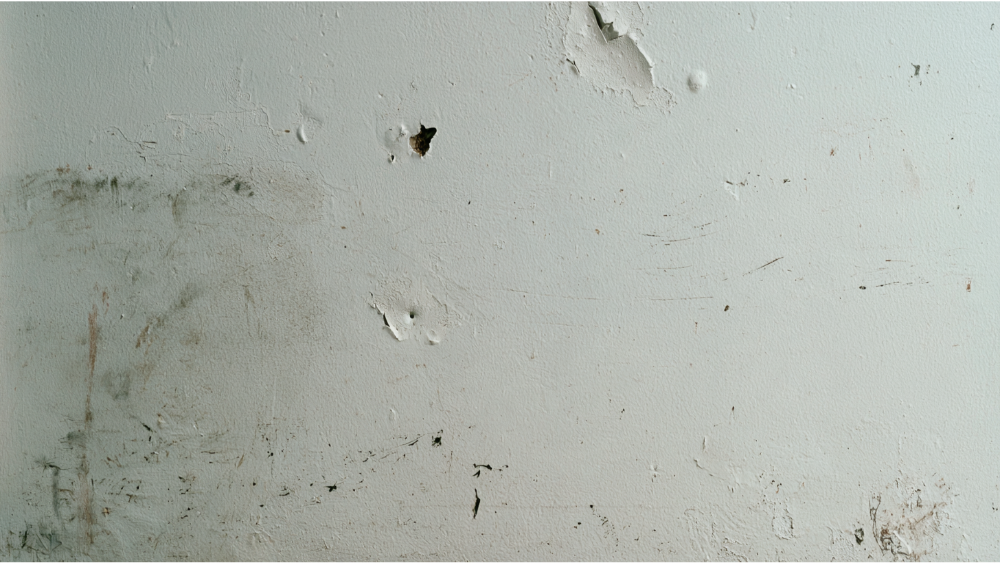
Normal wear and tear is the deterioration that happens when a reasonable person lives in a unit normally. Tenant caused damage is deterioration beyond that, whether from carelessness, abuse, or unauthorized changes. The distinction matters because it decides whether the tenant pays or you do when they move out.
Where the line usually falls: small nail holes vs. large holes
There is no universal list. The lease agreement, your documentation, and the paint's condition at move in all factor in. Unauthorized alterations, like a painted-over fireplace surround or a mural, usually land on the damage side. Landlords generally cannot charge a tenant for repainting caused by normal wear and tear, but can charge when the damage clearly exceeds it. Disputes over painting charges and withheld security deposit funds do end up in small claims court, and tenants who believe they were hit with unfair painting charges have legal remedies available to them. Dated photos and written records are what keep those legal issues from starting in the first place.
Is repainting the landlord's responsibility?
Regular painting driven by age, sunlight, and everyday use is the landlord's responsibility. Wear and tear issues that come with normal occupancy are an ownership cost, not a chargeback. When the walls show only normal wear, the repaint comes out of your maintenance budget and nothing should come out of the security deposit. The calculus changes when a tenant paints without approval, leaves large holes, or creates smoke or odor damage that requires sealing before a finish coat will hold.
Painting during a tenancy at a tenant's request is a separate conversation and sits entirely at the landlord's discretion. Some owners approve a color change for a good tenant and treat it as a tenant satisfaction investment. Others approve it only with a written restoration agreement. Either answer is reasonable, as long as it's in writing.
Local laws set the rules for charges, and California law is the common example
State and city rules differ significantly. Some jurisdictions require an itemized statement supporting any repainting charges, and California law is the example cited most often. Some regions have rules pushing landlords to repaint at set intervals. Check your own state and city requirements rather than assuming one state's rule applies to you.
Lease clauses and written agreements that prevent disputes
Address painting directly in the lease: the condition of the walls at move in, whether the tenant may paint at all, and the requirement of written approval before any tenant painting happens. You can deny a tenant's request. A clause that spells out the approval process is the cheapest protection you have against unauthorized painting. The point is that the answer, either way, exists in writing with the color, product, and restoration terms spelled out.
What Washington landlords should know about repainting and security deposits
Washington's Residential Landlord-Tenant Act shapes both sides of this. Under RCW 59.18.060, landlords must keep the premises fit for human habitation, maintain structural components including walls in reasonably good repair, and keep the dwelling reasonably weathertight. Peeling paint tied to moisture intrusion can therefore be more than a cosmetic issue.
If you collect a security deposit, RCW 59.18.260 requires a written rental agreement and a signed move in checklist describing the condition of the unit, specifically including wall paint and wallpaper. In practice that means a real move in inspection walked with the tenant, not a form filled out at a desk. A security deposit cannot be withheld for wear and tear resulting from ordinary use.
Under RCW 59.18.280, within 30 days after the tenancy ends and the tenant moves out, you must provide the refund due plus a full and specific statement supporting anything retained, including copies of estimates received or invoices paid to substantiate damage charges.
Washington statute sets no universal repainting interval. Condition controls. This is general information, not legal advice, so talk to a qualified attorney about your specific situation.
Documentation that supports a painting charge
A pre move out inspection a week or two before the tenant leaves is worth the hour. It gives the tenant a chance to fix small items and gives you a second set of dated photos. A detailed, itemized estimate is far easier to substantiate against a security deposit than a lump-sum figure with no breakdown. Photograph the living room and hallway carefully, since those are the walls most likely to show minor scuff marks and the ones most likely to be argued about later.
Lead based paint rules for pre-1978 rentals

Two separate obligations around lead paint get blurred constantly, so keep them apart.
Disclosure. Before leasing most pre-1978 housing, federal law (EPA Section 1018) requires you to disclose known lead based paint and hazards, provide available records and reports, give tenants the approved lead-hazard pamphlet, and include the Lead Warning Statement with the lease.
Renovation. The EPA's Renovation, Repair and Painting rule covers compensated work that disturbs painted surfaces in most pre-1978 housing, and paint prep like scraping and sanding counts. The minor repair and maintenance exception generally covers work disturbing 6 square feet or less per interior room or 20 square feet or less total on the exterior, with same-room work inside a 30-day period combined toward the threshold. Window replacement and demolition of painted surfaces are excluded. When the Renovate Right pamphlet is mailed rather than hand-delivered, it generally goes out at least 7 days before work starts, and records are generally kept 3 years.
Washington's RRP program is administered by the Department of Commerce, and landlords or property managers performing covered work themselves need proper certification. The state was updating its lead-based paint rules recently, so verify current requirements before you schedule. Cover Pro Painting is EPA Lead-Safe (RRP) Certified, which is why older homes across the region come to us.
Vacant or occupied? When landlords paint around move out
Vacant work gives professional painters full access to every wall, faster sequencing, easy inclusion of ceilings and trim, and better ventilation. That's why most landlords paint as soon as the tenant moves out and before the next tenant moves in. Fresh paint photographs well and re-leases faster. Occupied work is slower and more time consuming by nature: it requires notice, furniture protection, room-by-room sequencing, and low-VOC products for tenant satisfaction while people are still living there.
In Washington, entering an occupied unit for repairs or services generally requires at least two days' written notice under RCW 59.18.150, stating the date and time or entry window with a number tenants can call to object or reschedule.
Here's the part most budgets miss: vacancy days are part of the painting cost. Rushed prep that causes callbacks costs more than a properly sequenced schedule that gets the unit listed once, clean. We set the schedule in the estimate based on the actual condition of the rental property, not a generic timeline.
Exterior repainting: plan for weather, moisture, and access

In the Puget Sound region, exteriors work hard. Wet winters, long damp shoulder seasons, north-facing walls that never fully dry, and shaded siding that grows organic growth all shorten the life of a coating that wasn't prepped properly.
Exterior scope frequently expands once prep begins. Failed caulk at joints, soft trim, rot at fascia and window sills, damaged siding, and gutters dumping water onto one wall all surface when the washing and scraping start. Access adds cost too: building height, staging, landscaping protection, and multi-unit layouts. A clean exterior also lifts the property's appeal in listing photos, though the coating is doing protective work first.
Exterior work gets scheduled around suitable conditions rather than a fixed calendar date. We back exterior painting projects with a five-year warranty, which is only possible because the prep underneath it is done right.
Choosing paint that lowers your long-term repainting costs
Paint quality and sheen selection are where the repaint cycle gets longer or shorter. A rough guide by surface:
Use washable, scuff-resistant products in high traffic areas like hallways, entries, and the living room. Choose low-VOC formulations for indoor air quality, especially in occupied units. Neutral colors help re-leasing and make touch-ups painless across a portfolio, because every unit shares one wall color and one trim color.
The durability math is simple. A high quality finish costs more per gallon and less per year, and proper prep stretches the interval between repaints. That longer interval is where the real savings live. Comparing paint brands matters far less than comparing what happens to the surface before the first coat goes on. We use premium paint products backed by lifetime manufacturer warranties, and every project includes a free color consultation.
Is repainting a rental a repair or a capital improvement?

The IRS generally treats painting on its own as a currently deductible repair or maintenance expense, unless it must be capitalized. If the painting is done as part of a larger restoration or improvement, its cost can become part of that capital improvement instead. Residential rental building improvements are generally depreciated over 27.5 years in the IRS example, though correct treatment depends on your specific facts.
Practical takeaway: ask for painting, repair, and replacement costs itemized separately on the invoice, keep the records, and confirm treatment with your tax professional. This isn't tax advice.
What a transparent rental painting estimate should show
Hold any proposal against this list:
We don't publish fixed prices online because property size, surface condition, and whether repairs come first change the scope on every property. We are licensed, bonded, and insured in Washington State, and you can verify any contractor's registration, bond, and insurance through Washington L&I. State minimums include a $30,000 general or $15,000 specialty contractor bond, plus $250,000 combined single limit liability or $200,000 public liability with $50,000 property damage.
Frequently asked questions
Only with the landlord's written permission. A landlord can deny a tenant's request outright. If it's approved, put the color, the product, and the restoration terms in writing before any painting starts.
Often yes, if the written agreement allows it. Restoring the original color takes the same product and sheen, not just a similar shade. A poor restoration can still be charged as damage at move out.
It depends on condition. If the walls show only normal wear and a few minor scuffs, most owners clean, touch up, and re-lease. When color, sheen, or faded paint won't match, repainting the entire unit is the cleaner call.
There's no universal figure. Charges must reflect actual damage caused by the tenant beyond normal wear and tear, must be documented, and in Washington must be substantiated with estimates or invoices within 30 days of when the tenant moves out. For a real number on your unit, start with a free estimate.
It's an investing rule of thumb suggesting roughly half of rental income goes to operating expenses, with maintenance and turnover painting included. It isn't a painting rule or a legal standard, and it won't tell you what your repaint will cost.
Get a clear number before the next turnover
A walkthrough defines the surfaces, the prep, the repairs, and the schedule before work starts, so you can budget the turnover with confidence. We're based in Edgewood and work throughout Federal Way, Kent, Tacoma, Puyallup, Auburn, Renton, Bellevue, Seattle, and the surrounding cities. Don't see your city listed? Contact us to confirm service availability. Call 206-222-0435 to get a free estimate. We also offer 0% APR financing and 10% off for first-time customers.
