
%201.svg)


Professional Techniques for Repairing Rotted Wood Around Maple Valley Home's Plumbing
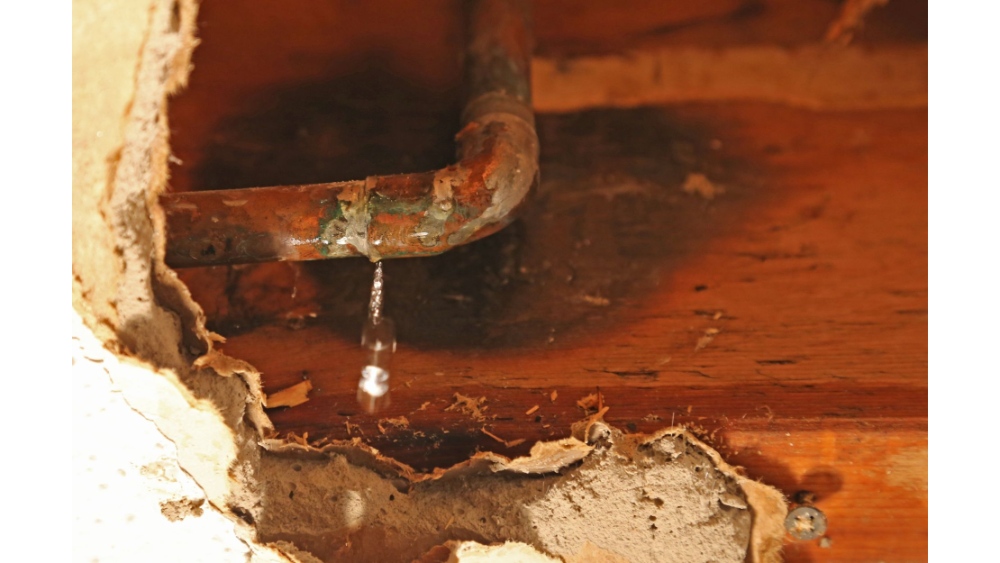
Wood rot around plumbing systems is one of the most common and unnoticed issues in older and even newer homes in Maple Valley. It usually starts small, but without intervention, it can weaken important parts of your home. Pipes that have slow leaks or older seals can quietly allow moisture into hidden spots behind walls, under floors, or around framework. When left untreated, that moisture leads to wood softening and decay, compromising both the structure and safety of your home.
Rot near plumbing is not just a surface problem. It can lead to mold, attract pests, and create expensive repair situations. If it affects framing or floor supports, it can even make your home less safe to live in. Homeowners in Maple Valley need to act early and get the problem handled by professionals who understand how rot behaves and where moisture hides. Rot repairs in Maple Valley are focused not only on fixing what has decayed, but also preventing it from spreading further.
Identifying Rotted Wood Around Plumbing
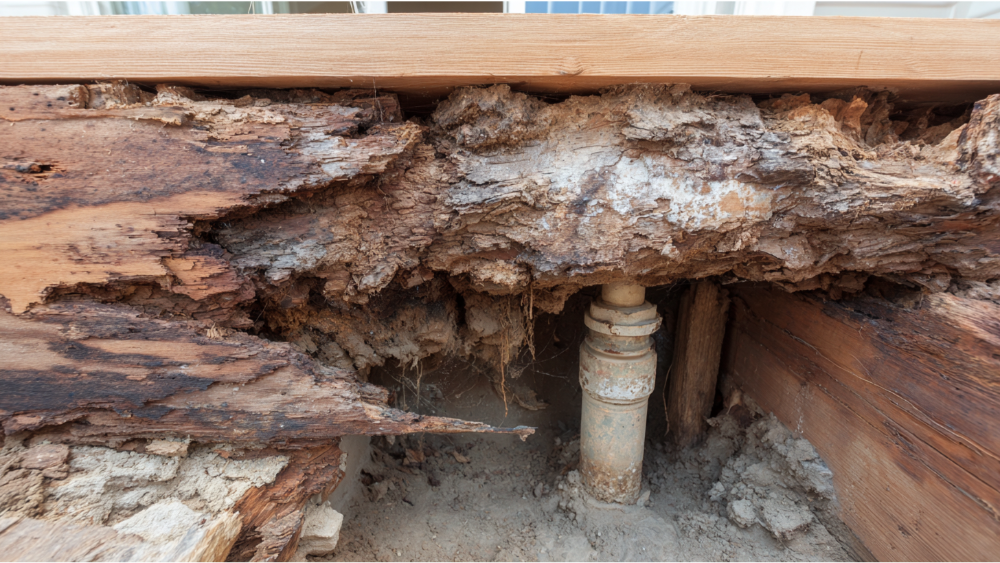
It is not always easy to spot rot around plumbing since it typically starts behind finished materials or beneath surfaces where water slowly leaks. But there are some visible signs Maple Valley homeowners can watch out for:
- Discoloration around pipes, corners, or drywall
- Soft or spongy wood near sinks, tubs, or toilets
- A musty or damp smell that does not go away
- Cracked or bubbled paint in affected areas
- Warped flooring or trim near plumbing fixtures
Areas near kitchens, bathrooms, laundry rooms, and basements are the most likely spots for rot to form around plumbing. Even if a leak has already been fixed, the damage from past moisture could still remain and continue spreading if untreated.
A simple way to do a weekend check is by gently pressing on wood under sinks or behind toilet tanks. If the area feels soft or the surface gives way easily under pressure, that is a sign of compromised wood. Look closely at caulking, joints, and seams for swelling or breakdown. These visual clues can help homeowners tell when something is not right.
Our professionals use moisture meters and probing tools to test questionable areas more precisely. These tools give accurate readings without needing to remove large sections of material unless necessary. In some cases, we use small scopes or cameras to look behind drywall and detect unseen rot. These methods help avoid unnecessary damage and allow us to locate the exact areas that need attention without guesswork.
It is important not to ignore small warnings. What looks like a stain or slight bulge in the wall could be the result of long-term moisture exposure. Detecting problems early shortens the repair process and helps avoid more complicated and costly structural issues down the line.
Professional Repair Techniques For Rotted Wood
Once rot is confirmed, our technicians follow a repair process that delivers solid and lasting results. Every project starts with a full inspection to figure out how far the rot has gone and what areas need to be replaced or reinforced.
Here is how the step-by-step process typically looks:
1. Remove any damaged wood using saws, chisels, or cutting tools
2. Clean out the area and treat surrounding materials with fungicide to stop further decay
3. Seal any nearby plumbing leaks or moisture sources
4. Repair or rebuild the affected area with pressure-treated or rot-resistant wood
5. Seal the surface and finish with moisture-blocking products
Only certain types of wood and materials work for these kinds of repairs. Professionals choose lumber that holds up better near plumbing, especially in high-humidity areas. We also make sure all plumbing is sealed before finishing work. Skipping that step often causes fresh rot.
In some cases, it is not just about replacing bad wood. If nearby structures like drywall or tile were also damaged, we may have to remove and reinstall those parts as well to fully repair the space. It is all about keeping moisture away and using the right materials to make sure the fix lasts.
Addressing what caused the rot is just as important as replacing the wood itself. Even small pipe condensation or slow-draining tubs can send ongoing moisture into wood. That is why our professionals always look beyond what is visible and correct any source issues before sealing up a repair. When those steps are skipped, rot just returns in the same spot later.
Rot repair around plumbing takes more than just patching affected areas. It requires close inspection, careful removal, and lasting solutions that prevent a repeat problem. Once complete, fixed structures look clean, feel secure, and stay resistant to future moisture.
Benefits of Hiring Our Professionals for Rot Repairs
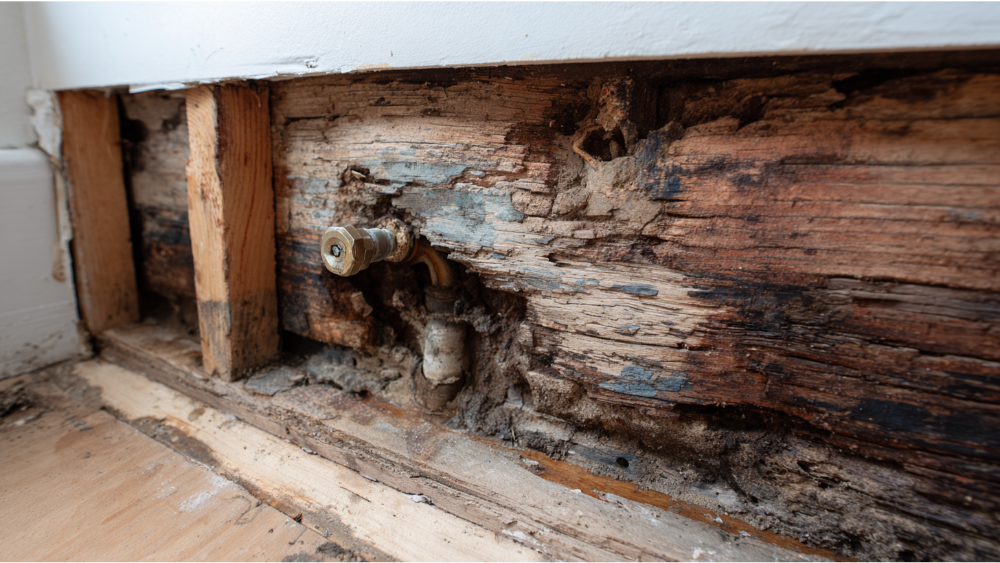
Homeowners in Maple Valley often weigh their options when facing wood rot near plumbing. The thought of trying to fix it alone may seem manageable at first, but the scope of these repairs usually expands quickly. What starts as minor surface damage can reveal deeper structural problems. Once moisture sets into wood and surrounding materials, it takes technical skill and experience to remove the issue completely.
Hiring our professionals ensures the root cause is addressed from day one. Our technicians know how moisture behaves around plumbing and are trained to spot damage that is hidden from plain sight. This gives you a repair that does not just look good but actually holds up.
Here is what typically sets the professional route apart from do-it-yourself attempts:
- Accurate damage assessment using commercial-grade tools
- Knowledge of proper disposal and replacement methods for rotted wood
- Experience selecting wood, sealants, and finishes for high-moisture areas
- Full elimination of underlying leaks or moisture triggers
- Safe cleanup and structural restoration that meets building code
Homeowners who go the do-it-yourself route sometimes replace the visible damage and leave hidden problems behind. This leads to repeated repairs within a year or two and, in many cases, higher costs overall due to recurring issues. By comparison, professional repairs give peace of mind that the damage was fully managed.
One homeowner in Maple Valley noticed bathroom baseboards peeling and tried to repaint them. But days later, a soft patch in the flooring became noticeable. By the time a professional was brought in, rot had spread below the tub into floor framing. Fixing it correctly saved the bathroom from much more expensive repairs later.
Rot repairs near plumbing are often deceptive in appearance. What seems like a quick fix might cover up trapped moisture or rough structural wear. Working with trained professionals gives homeowners a clear picture and a full solution instead of patching the surface and hoping it stops.
Preventive Measures to Avoid Future Wood Rot
After rot issues are repaired, it is important to take steps that prevent them from happening again. Staying ahead of moisture is the best way to keep plumbing surroundings dry and healthy.
A few ongoing practices can make a big difference:
- Visually check under sinks, around tubs, and behind appliances once a month
- Ensure caulk and sealants around fixtures are intact and not cracking
- Keep exhaust fans running during and after showers to reduce humidity
- Fix any dripping faucets or slow leaks as soon as they appear
- Keep plumbing clean and clear to avoid backups or overflows
- Schedule a professional inspection once a year for trouble areas
Early signs of moisture can show up as a stain, patch of soft wood, or a warped cabinet base. Taking the time to investigate these warnings right away cuts risk and cost.
Water damage can also begin from outside forces like poor drainage, foundation gaps, or gutter overflow. Keep an eye on your exterior so runoff does not collect next to your home’s base. Moisture will always find the path of least resistance, and if that path flows close to plumbing or crawlspaces, rot may follow soon after.
Owning a home means paying attention to slow changes. Just like checking your HVAC filters or testing your smoke detectors, checking plumbing zones for signs of wood decay should become part of your seasonal routine, especially in older homes.
Whether your home is brand new or has seen decades of wear, wood rot around plumbing can be stopped before it gets serious. Maintaining a good balance between routine checks and occasional professional insights helps Maple Valley homeowners keep rot out of their living spaces securely and for good.
Ensuring Healthy Wood Structures for Your Maple Valley Home
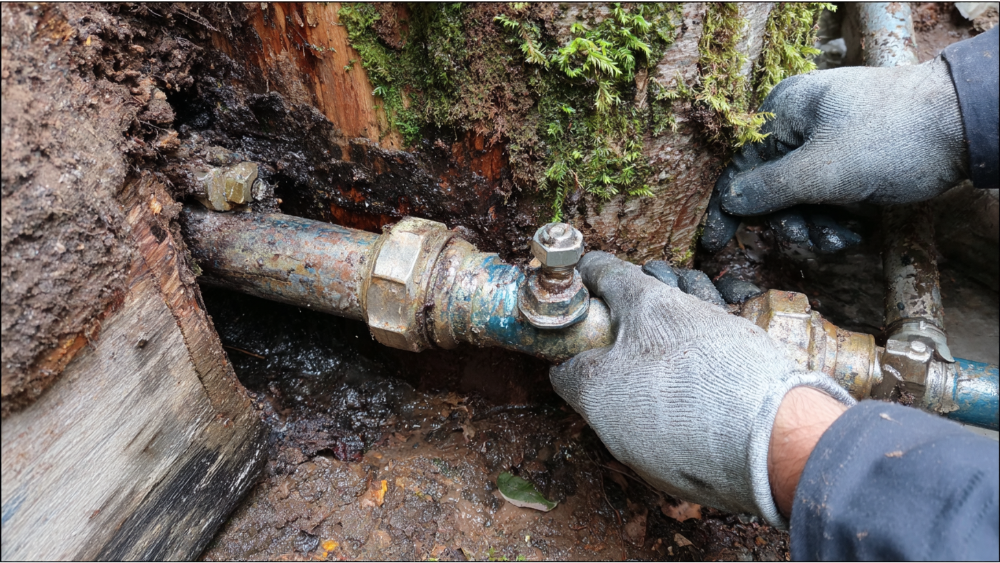
Keeping your home’s interior wood in good shape is one of the smartest ways to preserve its structure. When rot appears around plumbing, the damage can creep into hidden framing and support pieces. Ignoring early signs increases the chance of major repairs down the road. Timely rot repairs in Maple Valley protect not just the look of your home but how it performs day to day.
Professional repairs paired with routine upkeep form the best defense. Once the damage is fixed properly, a few smart home habits and seasonal checks can keep the wood dry and strong. If any spot feels soft, smells musty, or shows bubbling paint, it is worth getting a professional to take a look.
The right inspection can prevent a minor plumbing issue from turning into costly wood replacement. When you trust technicians who know how to deal with wood rot, the repairs are done right the first time and your home stays safer and more reliable. Regular preventive care, a watchful eye, and experienced help when needed is the formula Maple Valley homeowners can rely on.
At Cover Pro Painting, your home deserves lasting protection and safety. If you notice any signs of decay around plumbing, our specialists in rot repairs in Maple Valley will thoroughly assess the damage, identify hidden moisture issues, and deliver durable, long-term solutions that restore integrity and prevent future problems. For a quick estimate or to book a service visit, please contact us today.
