
%201.svg)


Professional Solutions for Paint Bubbling on Your Edgewood Home's Walls
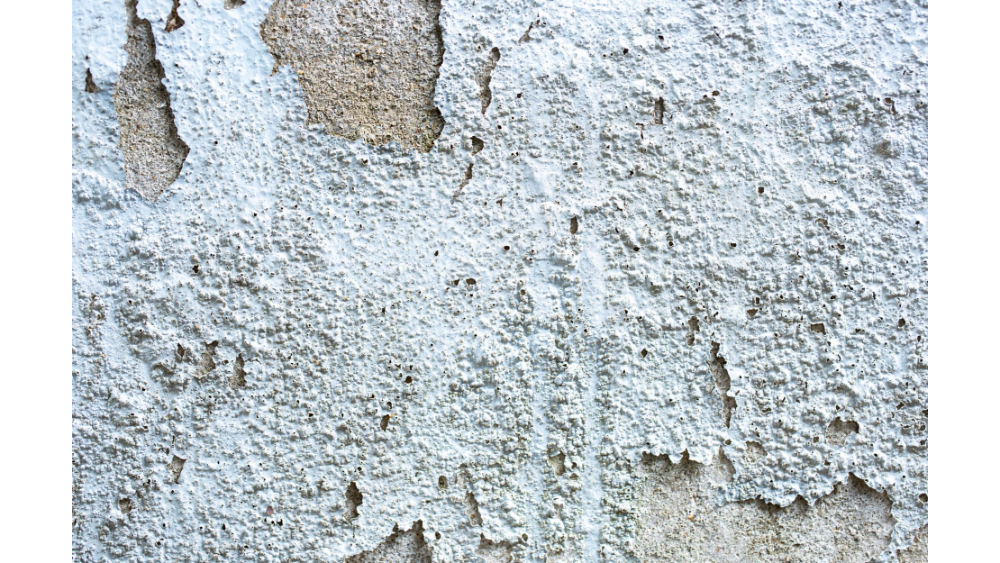
Paint bubbling is a frustrating problem that many homeowners in Edgewood run into, especially when it starts to ruin areas that were once clean and smooth. These bubbles not only take away from a room's appearance, but they can also be signs of a larger issue beneath the surface. Whether it's on your living room walls or around higher-moisture areas like bathrooms and kitchens, bubbling paint is something that shouldn't be ignored.
Over time, untreated bubbling can lead to peeling, mold growth, or damage to the wall material itself. Catching this issue early and understanding what causes it can help reduce repair needs and keep your home in better condition. If you're seeing small blisters or raised areas forming under the paint, it's likely time to take a closer look. For homeowners focused on maintaining the value and condition of their residence, spotting and addressing bubbling quickly is a key part of responsible home care.
Causes of Paint Bubbling on Edgewood Homes' Walls
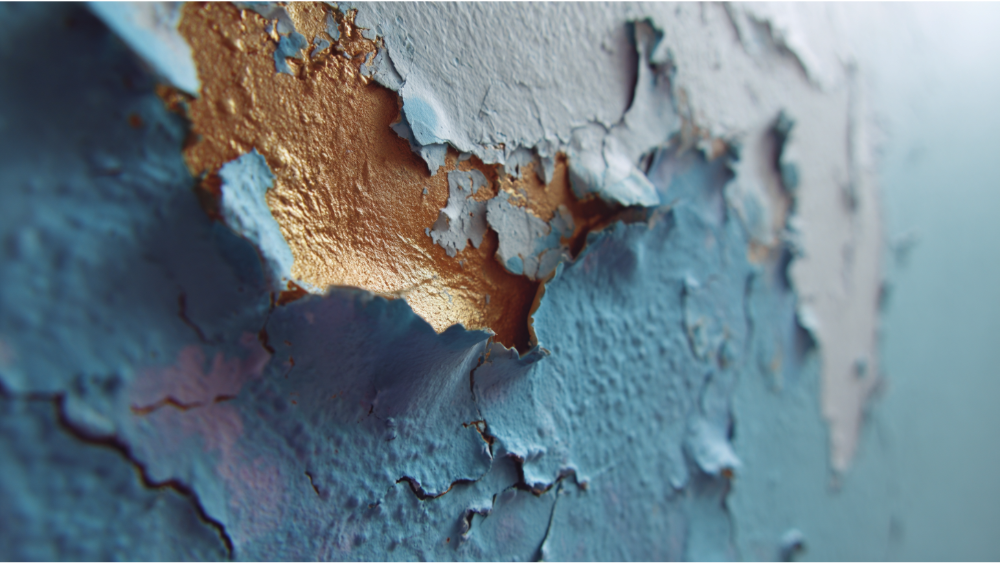
Humidity, poor prep work, and the wrong products all play a role when paint starts bubbling on interior or exterior walls. Since Edgewood's climate can shift between wet and dry seasons, this fluctuation often affects wall surfaces over time. Paint that's applied under the wrong conditions or on a surface that wasn't properly prepared is much more likely to bubble.
Here are some of the most common reasons why paint bubbling happens in Edgewood homes:
- High moisture levels: Areas with poor ventilation, like bathrooms or laundry rooms, are more likely to trap moisture behind the paint. This can cause the paint to lose adhesion and form bubbles.
- Painting over damp surfaces: If a wall was wet when painted or if it hadn’t completely dried from previous washing or priming, the trapped moisture will push through the paint as it cures.
- Improper surface preparation: Paint won't stick well to surfaces that are dirty, glossy, or not sanded down enough. Dust, oils, or old paint residue can all interfere with adhesion.
- Using the wrong type of paint: Interior paint used on exterior walls or mismatched primer and topcoat can each lead to bubbling. The wrong type of paint may not breathe correctly or might not bond well with the wall.
- Heat exposure: Painting in direct sunlight or applying paint to hot surfaces can cause quick drying, which traps air or moisture beneath the top layer.
These bubbling issues can start small. One homeowner in Edgewood noticed the bubbling near their bathroom mirror but didn’t think much of it at first. Over a few months, that spot expanded significantly and eventually peeled, revealing damaged drywall underneath. Timely inspection and the right steps could have prevented this.
Understanding how these factors contribute to bubbling is the first step in finding a longer-lasting fix.
Preventive Measures by Our Professionals
Preventing bubbling before it starts is the best way to keep walls looking clean, smooth, and fresh. There are proven steps our professionals follow to avoid issues during residential painting in Edgewood. These are not quick fixes but consistent methods that help deliver lasting results and avoid repeat problems.
Here are some measures our technicians take to prevent bubbling:
1. Thorough inspection and prep
Walls are cleaned, dried, and checked for underlying moisture issues. Glossy surfaces are sanded, and old paint is removed if it is flaking or compromised.
2. Choosing materials correctly
The type of paint and primer matters. We use the appropriate combinations based on the room’s use and exposure to moisture or heat.
3. Controlling the environment
If conditions are too humid or hot, which is common during certain times in Edgewood, we wait until it's safe to paint. Temperature and airflow are factored into scheduling.
4. Slow, controlled application
Rushed paint jobs can cause thin spots or layers that dry unevenly. Our professionals apply even coats to avoid trapping air or moisture between layers.
5. Encouraging home moisture control
We often suggest ways homeowners can reduce excess humidity indoors, such as using dehumidifiers in laundry rooms or improving airflow in bathrooms.
When these steps are followed, paint is far more likely to set properly and remain adhered to the surface. These built-in safeguards stop the bubbling before it forms, saving time and materials long term.
Our Professional Repair Solutions for Paint Bubbling
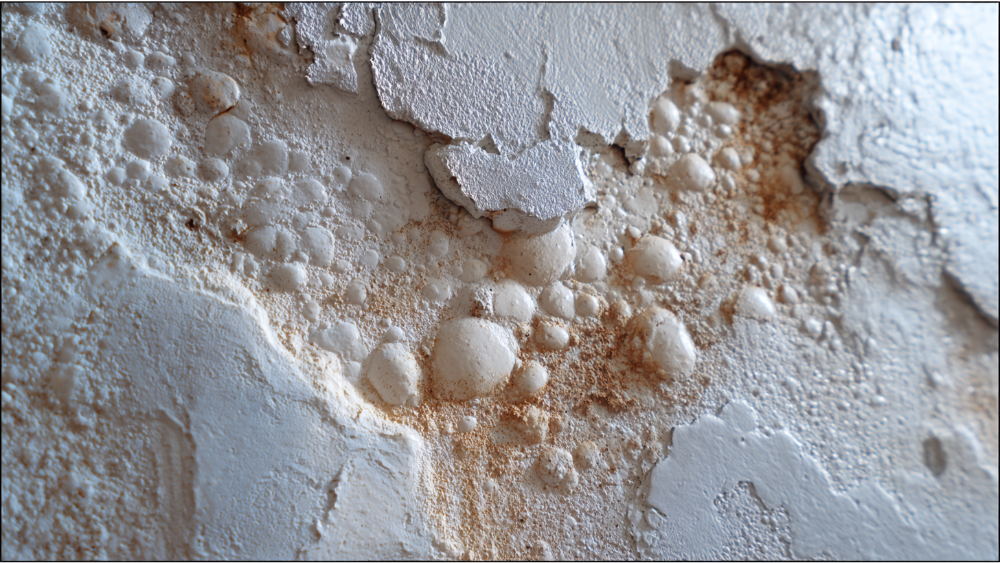
When bubbling has already taken hold, the best approach is to fix the underlying cause before repairing the surface. Our professionals start by carefully inspecting the affected area to find out what is happening beneath the paint. Moisture is often to blame, but problems with older layers of paint, surface staining, or poor previous applications can also lead to bubbling.
Once we understand the cause, our team removes any loose or damaged paint. This could involve scraping bubbling sections, sanding to smooth the surface, and making sure everything is clean and dry. If moisture has caused peeling, the area may be tested for deeper issues such as leaks or humidity hotspots. These problems need to be resolved before any painting begins. Painting over a surface that is still compromised will lead to repeated issues.
After preparation, the area is primed using a product that works with both the surface material and the room's environment. For example, kitchens and bathrooms require primers made to resist moisture. Once the primer dries completely, several coats of paint are applied using the best tools for even coverage. Each coat is allowed to dry fully before the next is added. This helps the final result hold up over time and lowers the likelihood of bubbling in the future.
The techniques we use are based on years of experience with residential painting in Edgewood. Weather, home features, and room usage all play a role in choosing the right way to tackle repairs. Ignoring bubbling or rushing through a repair will only lead to more costly fixes later. A methodical approach gives walls a clean finish and reduces the chance of bubbling coming back.
Maintaining Spot-Free Walls with Preventive Care
Keeping walls bubble-free comes down to combining proper maintenance with early action. Even well-done paint jobs can face issues if the surrounding environment changes, such as rising indoor humidity during warmer months or new leaks from a window or appliance. Small signs can be easy to overlook at first, but staying ahead of them can save time and money down the line.
Here are some simple maintenance habits that help prevent bubbling:
- Walk through common gathering areas, bedrooms, and moisture-prone spaces once a month to check for bubbling or peeling.
- Run exhaust fans during and after showers to move moisture out of bathrooms.
- Use dehumidifiers during humid seasons or in rooms without good airflow.
- Keep furniture and objects a few inches away from walls to allow air circulation.
- Wipe down walls lightly if they are in areas with high grease or steam buildup, such as kitchens.
It also helps to pay attention to paint aging. If a painted surface is over 10 years old and showing small issues, updating it can prevent bigger problems down the road. A homeowner in Edgewood had bubbling around baseboards in their living room, which they assumed was just wear and tear. Inspection showed a slow plumbing leak behind the wall. They got it repaired before the issue weakened the structure, but if left unattended, it could have caused much worse damage.
Being proactive with care and inspection goes a long way in keeping finishes clean and walls solid.
Ensuring Beautiful and Durable Wall Finishes
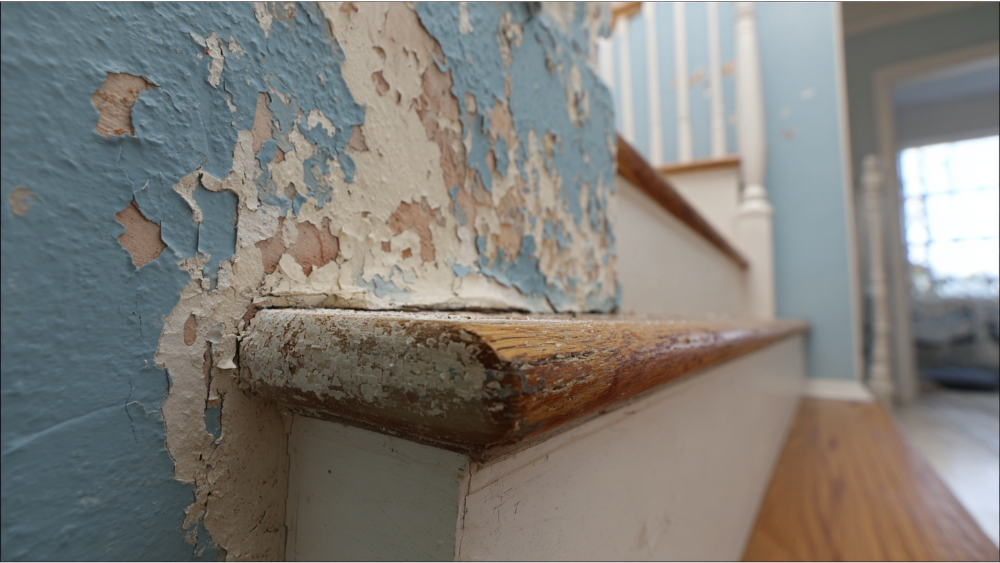
Professional painting is more than applying a new coat of color. It is about choosing materials that match the room’s use, prepping the surface the right way, and understanding environmental conditions. When done correctly, the result is not just good-looking. It stays that way for years without bubbles or flakes showing up later.
Homeowners in Edgewood want spaces that reflect care and quality. Whether it is a hallway that sees a lot of foot traffic or a bedroom that needs a soft, stable finish, addressing problems like bubbling early and resolving them correctly adds to the long-term value and comfort of the home. Treating paint bubbling as a sign to take focused action helps protect walls and restore the solid, clean surfaces every home deserves.
If you are ready to restore your walls to their original smooth finish and ensure long-lasting protection, trust Cover Pro Painting for reliable results backed by years of experience in residential painting in Edgewood, where our team focuses on thorough preparation and high-quality application to effectively address bubbling. For a quick estimate or to book a service visit, please contact us today.
