
%201.svg)


Pool Deck Paint: What to Use, When It Works, and How to Avoid Peeling or Slippery Results
Key Takeaway
Pool deck paint is a slip-resistant exterior coating, typically a textured acrylic for concrete or an exterior stain for wood, and it only lasts when the surface beneath it is properly prepped. Poor surface preparation is the single biggest reason coatings peel. Look for a UV-resistant, chemical-resistant finish with anti-slip texture, and repair any cracks or spalling before a drop of paint goes down.
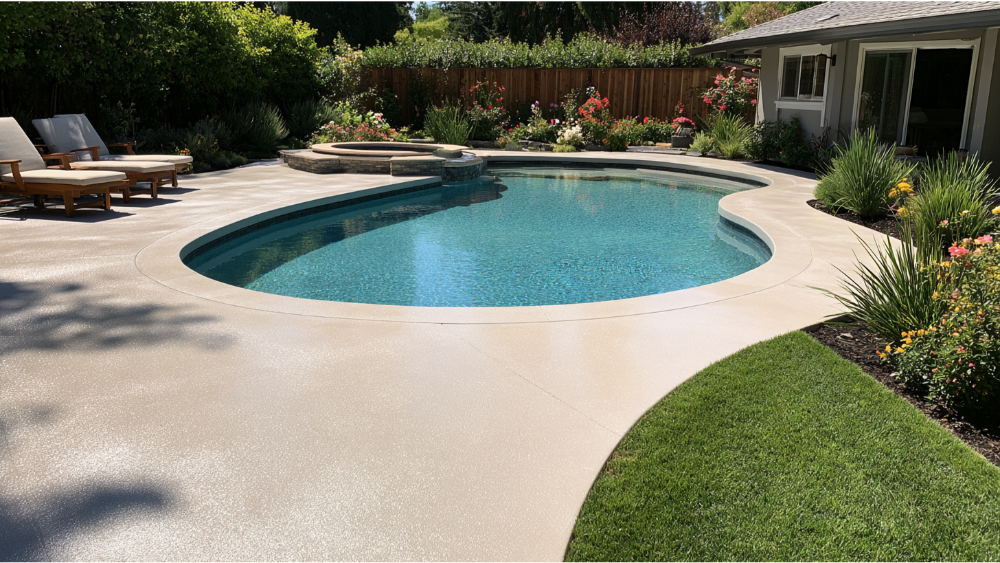
Pool deck paint is a slip-resistant exterior coating matched to the deck material: a textured acrylic or concrete coating for concrete surfaces, and exterior deck paint or stain for wood. The finish you see on the label matters less than what happens before the coating goes down. Surface prep decides whether it holds or peels. That's the honest answer, and it's true whether you're a homeowner refreshing a worn pool surround or a property manager keeping an HOA or community pool deck safe and clean.
This guide helps you decide if pool deck coating is the right fix, how to keep it from peeling, and how to make the surface safer when it's wet. Two ideas run through all of it: prep determines performance, and paint is not a repair. Get those right and you avoid the two most common regrets, peeling and slippery results.
Pool Deck Paint vs. Pool Paint: Don't Buy the Wrong Product
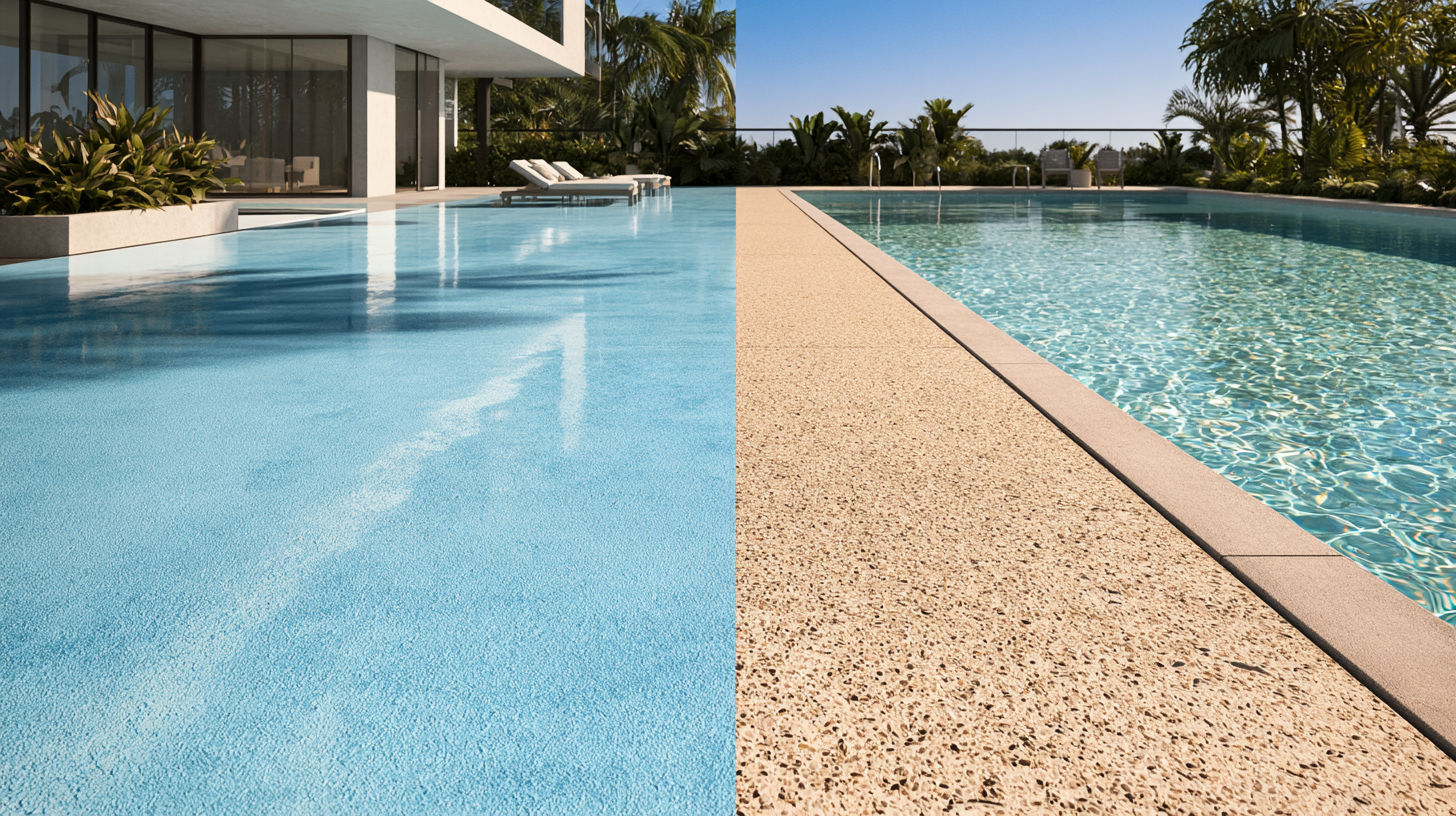
These are two different products, and search results mix them constantly. Pool deck paint goes on the walking surface around the pool. Pool paint is the coating used inside the pool shell. Buy the wrong one and you're setting up a failure. Standard interior or floor paints will bubble and peel once they meet chlorine, pool chemicals, constant splash, and sunlight. A pool deck needs a durable coating built for wet, sunny, chemical-heavy exposure, not a leftover can of garage floor paint.
What Kind of Pool Deck Coating Should You Use?
The right coating depends on what your deck is made of. Here's the short version by surface:
- Concrete: A textured acrylic or concrete coating is the common choice. Water based acrylic coatings dominate the DIY market because they're easier to mix and work with, while specialized systems like polyurea and polyaspartic offer stronger durability and a more UV resistant finish for high-traffic decks.
- Wood: An exterior deck paint or stain rated for wet, high-traffic exposure. Match the product to how much foot traffic and standing water the boards actually see.
- Pavers, tile, or composite: Proceed carefully and confirm the coating is compatible with the surface before you commit. Many of these surfaces don't hold a film coating well.
Whatever the surface, look for a UV resistant, chemical-resistant, textured finish so the deck coating handles sun, heat, rain, and snow without fading fast. You'll usually apply it with a roller or brush, though pros may reach for an airless sprayer for even coverage. We use premium paint products backed by lifetime manufacturer warranties, and we match the system to your pool deck rather than forcing one product onto every job. Choosing the right system up front is a smart choice that pays off in years of service.
When Painting a Pool Deck Makes Sense, and When It's the Wrong Fix
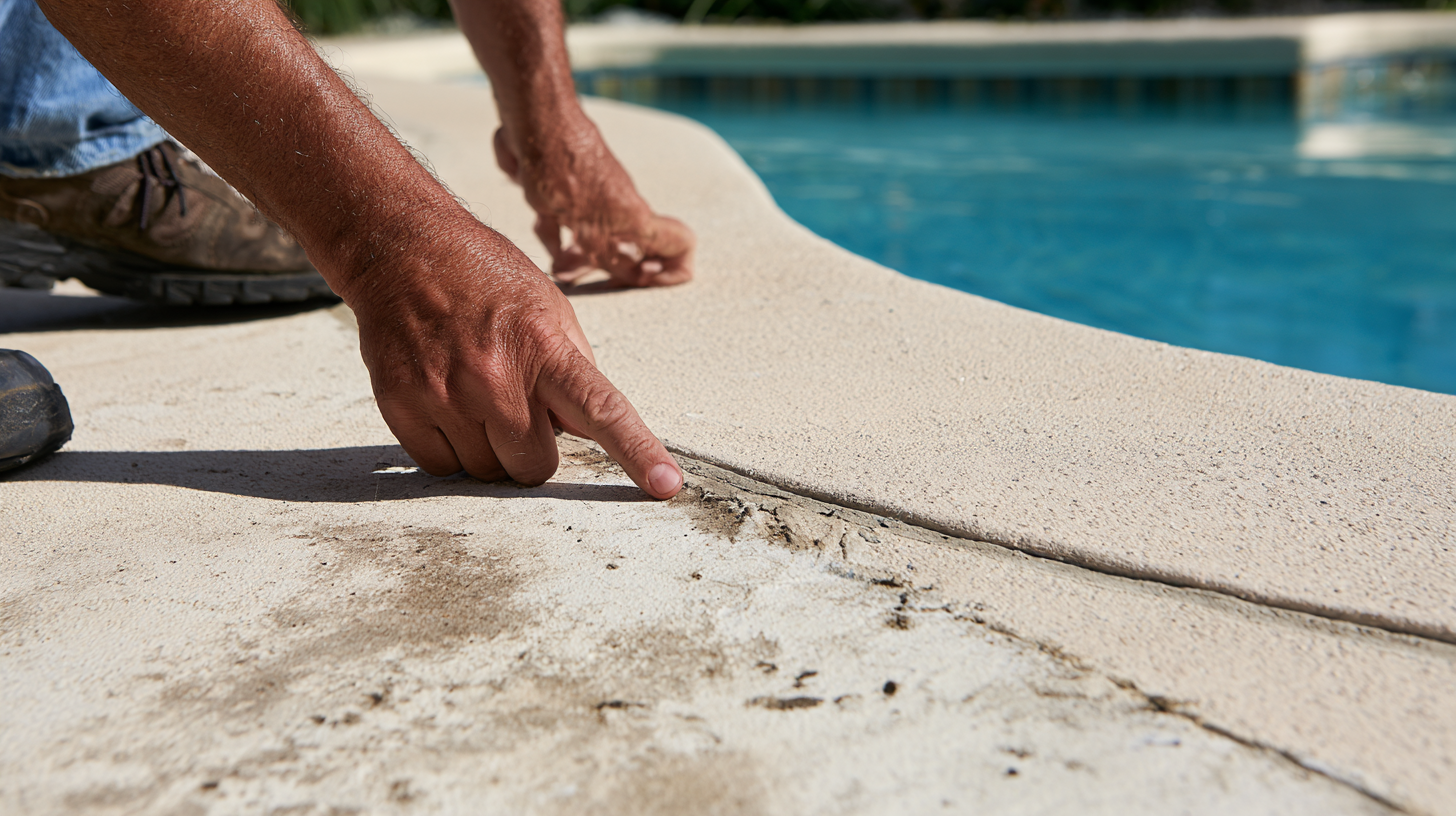
Paint is a finish, not a fix. It refreshes a surface that's already sound. It won't repair one that's failing.
Painting makes sense when:
- The surface is structurally sound.
- You're dealing with cosmetic fading or staining.
- Cracks are minor and already repaired.
- An existing coating is well-bonded and compatible with the new one.
Paint is the wrong fix when:
- The old coating is peeling or flaking.
- The concrete is spalling or crumbling.
- There are active cracks or movement in the slab.
- Moisture or hydrostatic pressure is pushing up from below.
- The surface is slick and sealed, or drainage is poor.
- Damage is severe enough to need resurfacing.
Painting over any of those hides the problem for a season, then peels. Structural cracks, spalling, and trip hazards get repaired first. This is where full-service capability earns its keep: rot repair, carpentry, siding, and concrete surface repair handled by the same team, so you're not juggling one contractor for the fix and another for the finish. That is the more cost effective path in the long run.
Slip Resistance: The Safety Factor You Can't Skip
Wet bare feet, splashed water, sunscreen, and steady traffic make slip resistance the most important choice you'll make on a pool deck. Anti-slip texture and additives build the friction that keeps people upright. Aim for slip-resistant, not slip-proof, since no coating removes all risk. This matters most when your patios and deck are full of guests during summer.
For context, model codes and aquatic health guidance point the same direction. The 2024 International Swimming Pool and Spa Code references a minimum wet DCOF of 0.42 under ANSI A326, or a P4 wet pendulum classification, when pool-deck surfaces are evaluated for slip resistance. The CDC's 2024 Model Aquatic Health Code calls for slip-resistant, textured finishes suitable for wet or dry bare-foot use. These are guidance figures, and adoption varies by jurisdiction, but they matter a lot for HOA, school, multifamily, and commercial pool areas.
Surface Prep: The Step That Decides Whether It Lasts
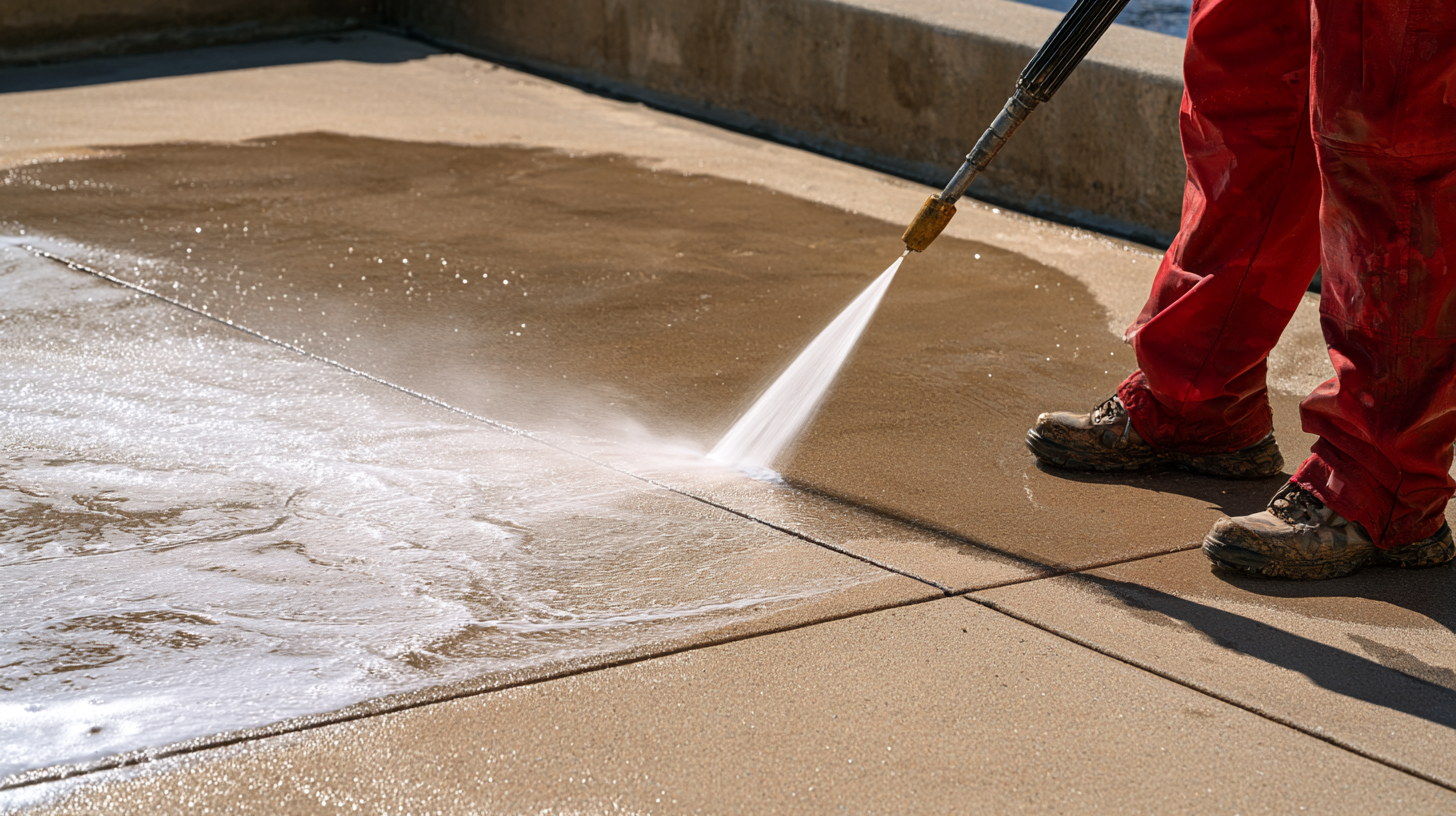
Poor surface preparation is the number one reason coatings peel and bubble. Skipping it is exactly what cut-corner jobs do. Here's the sequence that produces clean, long-lasting results:
- Inspect the deck for peeling coating, cracks, spalling, and moisture signs.
- Remove loose or peeling coating by scraping and sanding down to a sound surface, then vacuum away the dust.
- Repair cracks and damaged concrete before anything else goes down.
- Clean and degrease with a soap and water solution, then rinse away all grease, dirt, and residue.
- Etch or profile the concrete if the coating system requires a bonding profile for good adhesion.
- Test for moisture so you're not sealing water into the slab.
- Prime with the recommended primer if the product calls for it.
- Apply two thin, even coats rather than one heavy coat, for durability and even coverage.
- Seal or topcoat only with a compatible product if the system requires it.
When you apply two coats, let the first coat flash off fully before the second coat goes on, and add a third coat only if the data sheet directions call for one in high-wear zones. That is how you get a uniform film and a durable bond rather than a patchy, thin result. Follow the manufacturer instructions on recoat windows, wait times, and drying. A light sanding between coats can help adhesion on some systems. Apply within the temperature window the product specifies, often around 50 to 90 degrees F, and choose a breathable coating so trapped moisture can escape instead of being blocked and forcing the finish to lift. Bare, porous concrete has high absorption, so a primer or sealer coat evens things out. Coverage runs roughly 100 to 200 square feet per gallon depending on product and surface texture. If your home was built before 1978, older painted concrete surfaces near the deck deserve caution: disturbing more than 20 square feet of exterior paint can trigger EPA lead-safe (RRP) practices, which is one good reason to hire an EPA Lead-Safe Certified contractor.
Color, Heat, Dry Time, and Cure Time: What to Expect
Color and heat. Dark colors absorb solar radiation and can get too hot for bare feet by midday. Lighter, reflective, heat-reflective acrylic "cool deck" finishes can lower surface temperatures and keep the walking area cool underfoot. A light grey or sand tone often reads clean, hides fine debris, and stays cooler than a dark charcoal. Unlike a solvent oil based finish that can yellow over time, quality acrylics hold their color longer and resist mildew when the surface stays clean and well drained. EPA research on cool pavements found conventional surfaces reaching up to 152 degrees F at midday, with cooler surfaces running 10 to 16 degrees F lower. There's no official "cool" label, so treat those numbers as a range, not a guarantee, and balance comfort, glare, and your pool's overall look. The benefits of a lighter, textured finish show up every hot afternoon.
Dry time versus cure time. Dry-to-touch is not ready-for-use, and the numbers vary depending on conditions. As product-specific examples only, some data sheets list roughly 1 to 2 hours tack-free after the first coat, several hours to recoat with the second coat, about 24 hours before light foot traffic, around 72 hours before furniture, and up to 2 weeks for full cure. Humidity, shade, and temperature all shift those numbers, so we won't promise a universal timeline. We give you one in the estimate. A well-applied cool deck coating won't crack or break through winter. If you want to compare finishes before you commit, ask us for pics of past deck projects so you can see the difference a proper system makes.
DIY or Hire a Pro? Frequently Asked Questions
DIY can work on a sound, well-prepped surface. A pro adds real value when coatings are failing, moisture is questionable, or HOA and commercial standards apply, and we handle the repairs too, so it's one relationship instead of three. We also make it easy to access a clear scope before anyone lifts a spray gun.
What paint is best for a pool deck?
A slip-resistant exterior deck coating matched to the material: a textured acrylic or concrete coating for concrete surfaces, and exterior deck paint or stain for wood. Look for a UV resistant, chemical-resistant finish that will protect the slab and maintain its look season after season.
Is painting a pool deck a good idea?
Yes, when the surface is sound and prepped properly. It's the wrong move when the deck is peeling, spalling, or actively cracking.
Can I just paint over old deck paint?
Only if the existing coating is well-bonded and compatible with the new one. Loose or incompatible coating has to be removed first, and the surface has to be clean. A pressure wash and full rinse are usually part of that step.
What color is best for a pool deck?
Lighter, reflective colors like grey or sand tend to stay cooler underfoot. Balance that against glare and your pool's design.
Start With a Free Estimate
Because a pool deck's finish lives or dies on the surface beneath it, the smartest first step is having that surface reviewed. Cover Pro Painting is founder-led, based in Edgewood, WA, and licensed, bonded, insured, and EPA Lead-Safe Certified. We review the surface, the prep needs, and the scope, and we handle any repairs so you're not managing multiple contractors. Every deck is different and timelines vary depending on size, weather, and prep, so there are no fixed prices online, just a transparent estimate before work begins. Get a Free Estimate or call 206-222-0435. Don't see your city listed? Contact us to confirm service availability.
