



Painting Vinyl Shutters: What to Know Before You Start

Key Takeaway
Painting vinyl shutters is possible when shutters are structurally sound and the manufacturer confirms they are paintable. Use an exterior-rated 100% acrylic latex labeled vinyl-safe in a satin or semi gloss sheen, and never go substantially darker than the original color without a vinyl-approved formulation. Proper cleaning and letting shutters dry overnight before handling are the steps that make results last.
Can You Paint Vinyl Shutters?
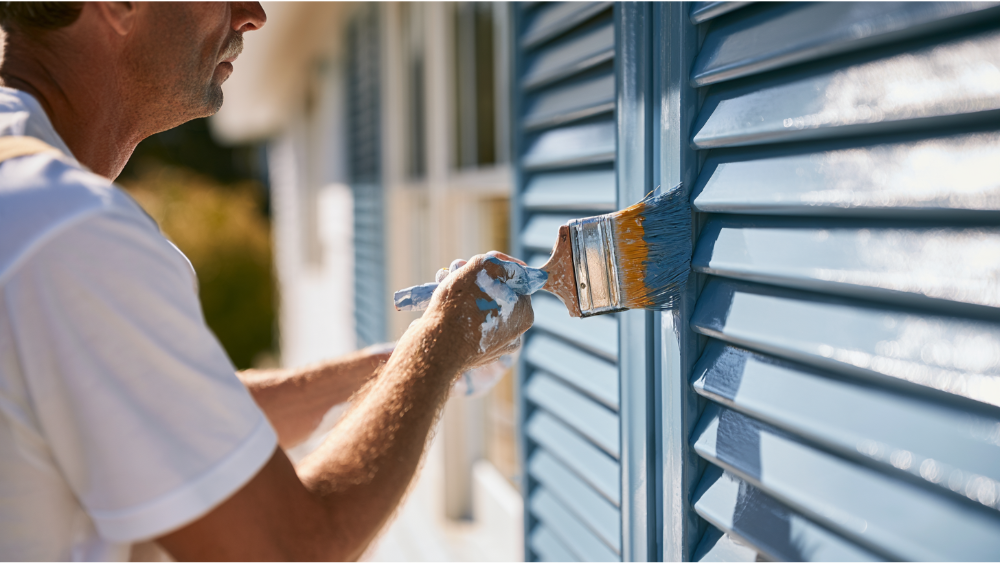
Yes, you can paint vinyl shutters, as long as the shutter manufacturer permits it and the shutters are structurally sound. Confirm paintability before you buy a single can of paint, because not every exterior vinyl shutter is built to accept a coating. The key distinction to understand up front is paintable versus color-through shutters. If your shutters are faded or just dated and you're weighing a repaint against replacement, a durable result comes down to using a 100% acrylic latex labeled vinyl-safe, prepping properly, and never going substantially darker than the original color. Vinyl is naturally glossy and water-repellent, which makes adhesion tricky without the right coating. Done well, painting vinyl shutters is one of the simplest ways to refresh the look of a house.
First, Confirm Your Shutters Are Paintable
Some vinyl shutters have color molded all the way through the material and aren't meant to be painted. Others are sold as dedicated "paintable" models with a surface treated to hold a coating. Check the back of the shutter, the product number, the original packaging, any installation paperwork, and the warranty before you start. One helpful note: the brand and model stamped on the shutter often tell you everything you need to know about paintability. Painting a non-paintable, color-through shutter often leads to adhesion failure and can void the warranty. Vinyl also expands and contracts with temperature swings, which puts extra stress on any coating that wasn't formulated for it.
Should You Paint or Replace Your Shutters?
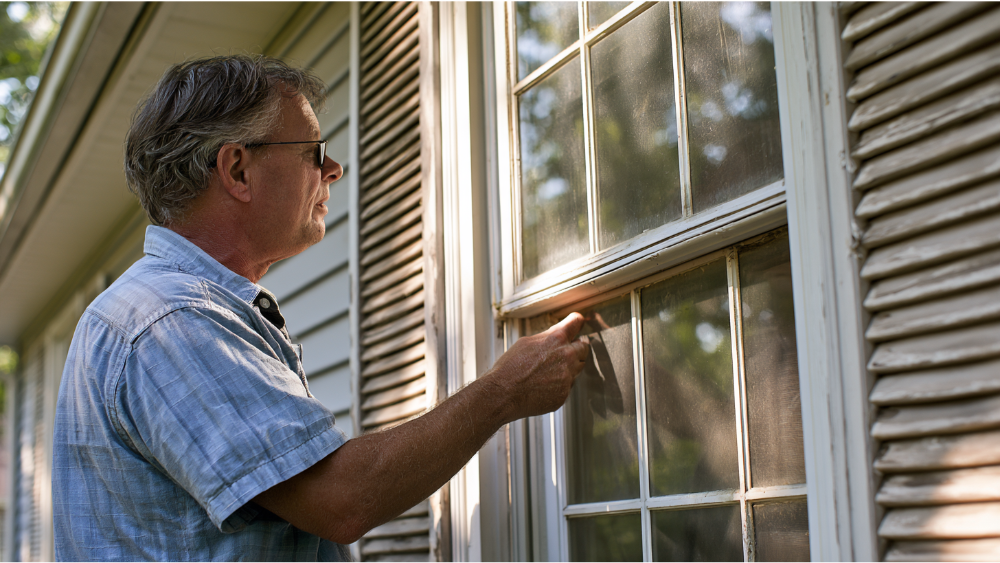
Paint when the shutter is sound, stable, paintable, and mainly suffering from faded or outdated color. Replace when the vinyl has failed in ways paint can't fix. Brittle shutters often crack during removal, which is itself a sign that replacement is the smarter move. Shutters that are badly warped or split usually need to be replaced rather than coated, and new ones can be installed in a few hours once the siding behind them is checked.
What Kind of Paint Do You Use on Exterior Vinyl Shutters?
Check three things on the label together: it should be exterior-rated, approved for plastic or vinyl, and commonly 100% acrylic where the manufacturer allows it. "Exterior latex" alone isn't enough. One convenient option type is a paint-and-primer spray paint formulated specifically for vinyl, which combines priming and finish in fewer passes. For sheen, satin or semi gloss gives a sharp, attractive finish that holds up outdoors and cleans easily. A semi gloss also tends to shed dirt better over the years and resists fading in strong sun. Always let the coating's own technical data sheet guide the specifics.
Do Vinyl Shutters Need Primer or Sanding?
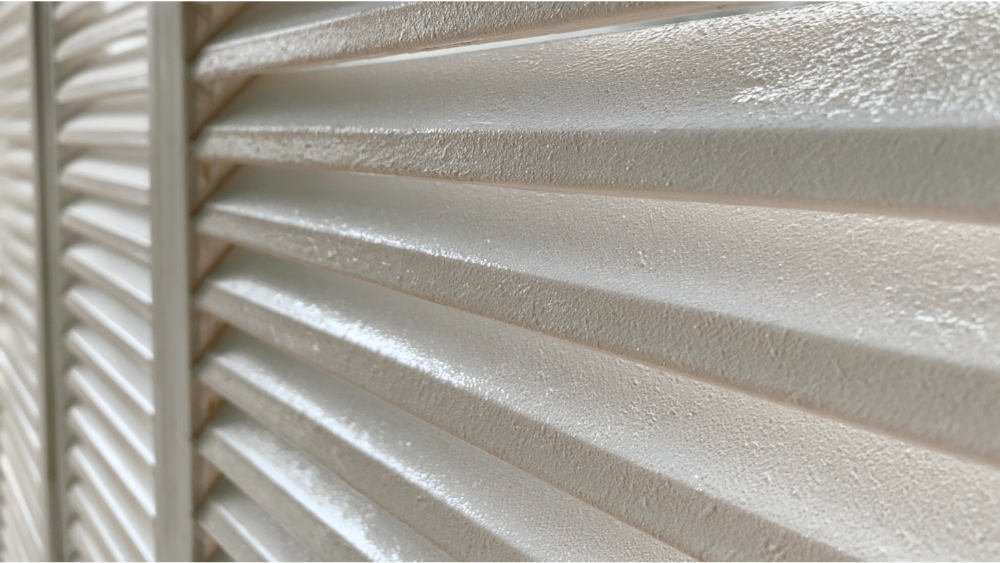
There's no universal yes or no. The answer depends on the shutter surface and the coating system, so follow both the shutter and the coating instructions. If priming is called for, use a quality bonding primer made for plastic or vinyl and let it dry about an hour before you topcoat. On sanding, don't aggressively abrade the surface. Light deglossing is fine only when the product calls for it, and you should test an inconspicuous spot first to avoid leaving visible scratches on a factory finish.
Can You Paint Vinyl Shutters Black or a Darker Color?
Only conditionally. Darker colors absorb more solar heat, and on light-colored vinyl that extra heat can cause buckling or warping as the material expands. A black finish on shutters that were originally white carries the most risk. Light Reflectance Value (LRV) describes this on a 0 to 100 scale, where lower numbers mean darker, more heat-absorbing colors. Going darker than the original is safe only with a coating and color specifically approved as vinyl-safe and allowed by the shutter manufacturer. If you want black shutters to frame a front door and match the trim, make sure the product is rated for it. If you're in an HOA, confirm the color is approved before you commit to any exterior change.
Tools and Supplies You'll Need
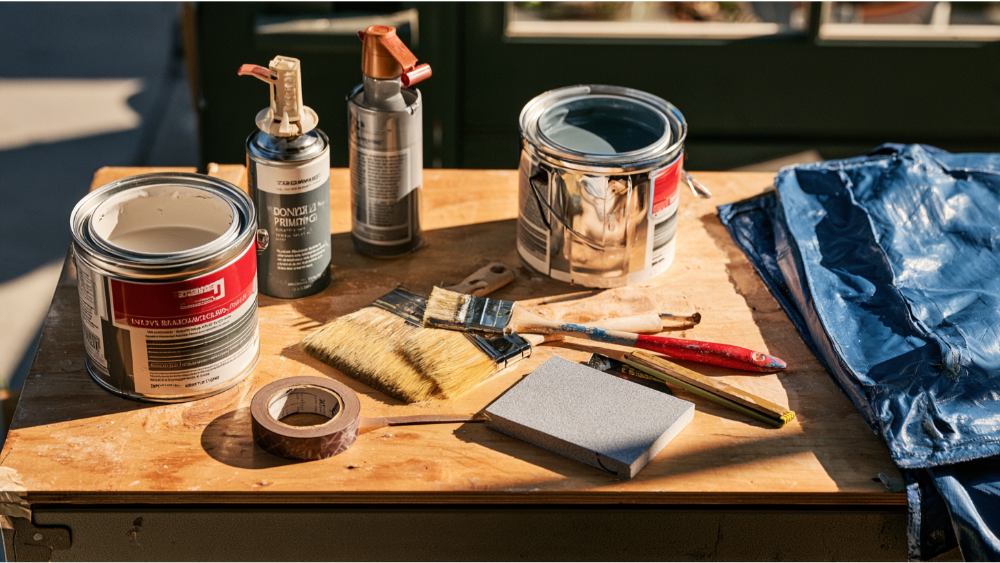
Gather your supplies before you start so the work moves without stops. Most of these materials are easy to find at any paint or hardware store.
- Vinyl-safe exterior cleaner or dish soap and water
- Soft brush or sponge, plus a hose and clean rinse water
- Drop cloths and masking
- Replacement fasteners or screws
- 2" angled sash brush, or spray equipment
- Screwdriver to remove shutters and a cordless drill to reinstall
- PPE as required by the product labels
How to Paint Vinyl Shutters Step by Step: Let Them Dry Overnight
- Mark each shutter with letters or numbers and take a picture of its placement, one step that saves confusion later. Those photos make reinstalling far easier.
- Remove each shutter with a screwdriver when practical.
- Inspect the shutters, siding, trim, and fastener points.
- Handle any rot repair, siding repair, or carpentry behind the shutter before painting, including any vinyl siding that needs to be replaced.
- Clean with soap and water, scrubbing off dirt, chalk, and mildew, then rinse thoroughly.
- Let everything dry completely before the next step.
- Degloss or prime only if directed, and let primer dry about an hour.
- Apply thin, even coats (2 to 3), following the grain of the vinyl when spraying, and avoid direct sun.
- Let the first coat dry, then wait for the stated recoat time before you apply the second coat.
- Let the shutters dry overnight before handling, then cure 24 to 48 hours and reinstall with a cordless drill without overtightening, since overtightening dimples the shutter.
Should You Spray Paint or Brush Vinyl Shutters?

Neither method is universally better. The right choice depends on your setup, and the difference shows up fast on louvered shutters. Spray paint gives the smoothest result on louvered shutters, while a brush gives you more control on a small job or when the shutters are still mounted.
Can You Paint Vinyl Shutters Without Removing Them?
It's possible, but harder to clean recessed areas, inspect fasteners and siding, mask cleanly, and coat edges evenly. Overspray onto siding, windows, and nearby furniture becomes a real risk. Removal also lets you see what's behind the shutter, where hidden rot or siding damage often goes unnoticed. Of course, keep an eye on the weather, since a surprise shower can ruin a fresh coat. Once the work is done, the shutters go back on the same mounting posts they came off of.
Common Mistakes That Cause Peeling or Warping
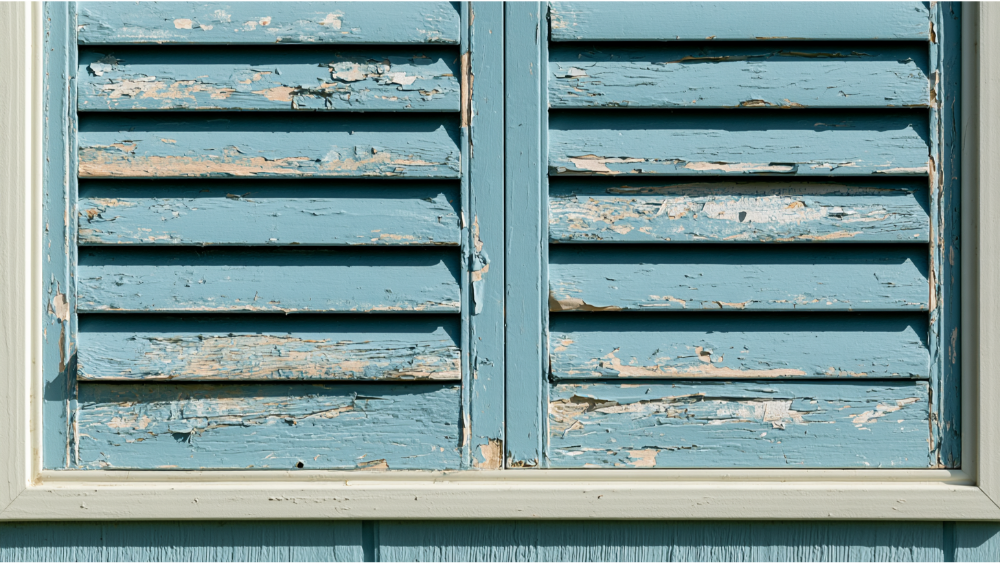
- Painting non-paintable, color-through shutters
- Painting over dirt, chalk, or moisture
- Using a coating that isn't approved for vinyl
- Going darker, such as black, without a vinyl-safe formulation
- Applying coats too heavily
- Reinstalling before the finish fully cures
- Overtightening fasteners
- Ignoring rot or siding damage behind the shutter
When to Call a Professional
Some shutter projects are better left to a crew with the right gear and training. Call a pro for second-story shutters and ladder work, brittle or stubborn fasteners, extensive coating failure, spray containment near cars or neighboring property, or repairs around the shutter. Pre-1978 homes deserve special care: disturbing old painted siding or trim can release lead, which is why we're EPA Lead-Safe (RRP) Certified. This is where full-service matters. We handle painting plus rot repair, siding replacement, and carpentry with one team, so you never juggle multiple contractors. With over 13 years in business and the pride we take in every job, we aim to leave your home looking amazing. If you've decided it's time for help, a quick search won't tell you everything a free estimate will. Based in Edgewood and serving the greater Seattle-Tacoma area, we start every project with a free estimate and clear communication. First-time customers get 10% off. Call us today at 206-222-0435 to get connected with our team.
Frequently Asked Questions
What kind of paint do you use on vinyl shutters?
An exterior-rated, 100% acrylic latex labeled vinyl-safe, in a satin or semi gloss sheen. A paint-and-primer spray paint formulated for vinyl is one convenient option we recommend before you make a purchase.
Is painting vinyl shutters a good idea?
Yes, when the shutters are sound and paintable and you follow the right prep and coating. For cracked, brittle, or warped shutters, replacement is the smarter call.
What kind of paint will stick to vinyl?
Coatings approved for plastic or vinyl, applied over a clean surface that's been deglossed only if directed. A bonding primer helps where adhesion is a concern.
How do you paint vinyl shutters without removing them?
It can be done. Mask the siding and windows carefully and brush for control, but you lose easy access for cleaning and inspecting what's behind each shutter.
More Posts
Looking for more tips on exterior painting, siding, and curb appeal? We regularly share practical guides that bring real reactions when a home looks brand new, with a touch of care in every detail, to help homeowners protect and transform their house with lasting results.
