
%201.svg)


Painting Stucco: Why It's Different From Painting Siding
Key Takeaway
Painting stucco is fundamentally different from painting siding because stucco is a porous, cement-based surface that absorbs water and must breathe, requiring a masonry-compatible, vapor-permeable coating with a perm rating of 7 or higher. Standard siding paints can blister, bubble, or fail early on stucco. Cracks wider than 1/16 inch must be repaired first, new stucco must reach a pH below 8, and the right prep can extend a finish to 5 to 10 years.
Painting Stucco: Why It's Different From Painting Siding
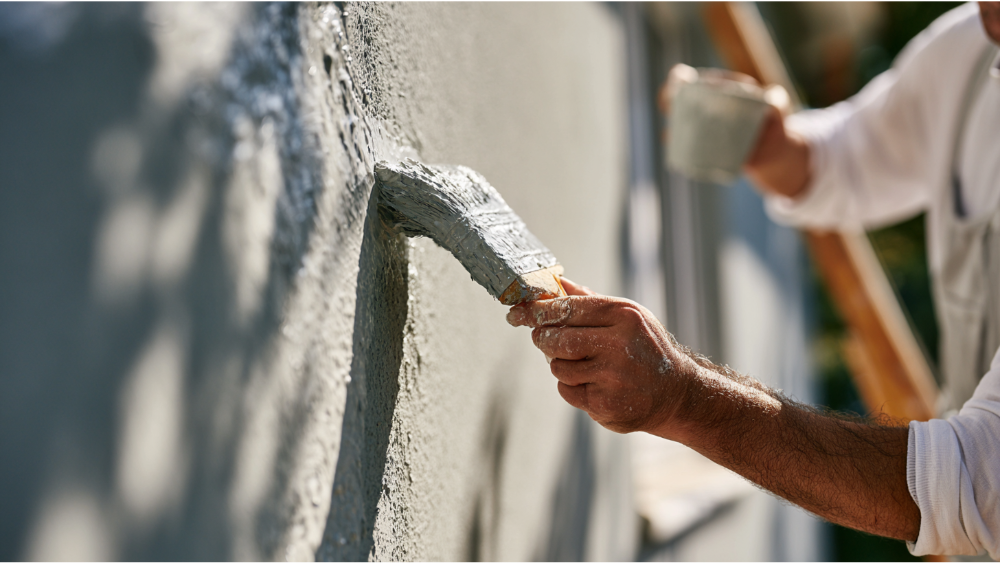
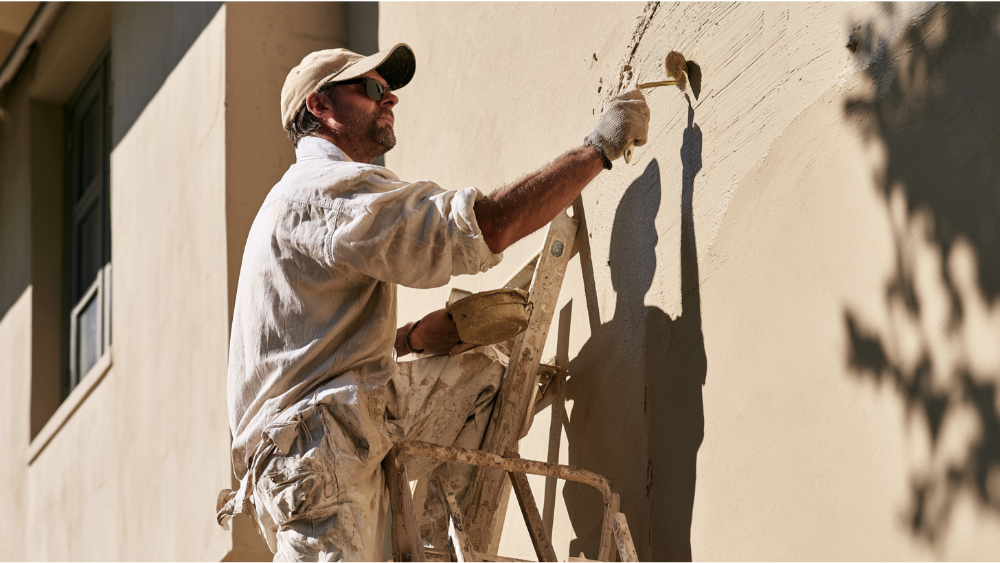
Painting stucco is different because stucco is a porous, textured, cement-based surface that needs a breathable, masonry-compatible coating, careful crack evaluation, and moisture-aware surface preparation. Siding, by contrast, gets painted based on what it's made of: wood, vinyl siding, fiber cement, or metal. Stucco absorbs water and lets moisture vapor escape, so the coating has to work with that movement instead of sealing the wall shut. If you're planning to repaint your home's exterior and don't want to do it again in two years, this distinction matters. Stucco is a moisture-management surface, not a sealed shell, and painting it well starts with understanding that.
A Stucco Home Is Not Just Another Type of Siding
Stucco is a Portland cement-based plaster system applied in layers: a scratch coat, a brown coat, and a finish coat that carries the color and texture. You'll see it as traditional three-coat, thinner one-coat systems, or EIFS (a foam-based version). What they share is that stucco surfaces behave more like masonry than like lap siding. A stucco exterior is rigid, mineral-based, and highly porous. It absorbs water, breathes out vapor, and is prone to hairline cracking as the house settles and moves. That single fact, that stucco is closer to plaster than to a plank of wood or a sheet of vinyl, changes how it should be cleaned, prepped, and coated before you paint stucco of any kind.
Stucco vs. Siding at a Glance
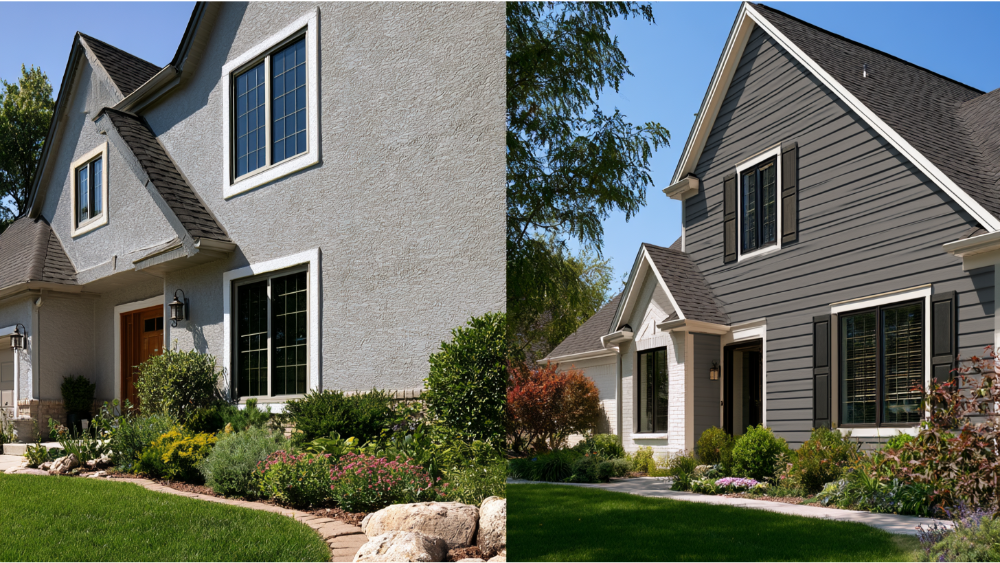
Here's how the surfaces compare when it's time to paint.
SurfaceBiggest prep concernMain coating concernCommon failure signsWhat not to ignoreStuccoCracks, chalking, high pH on new workMust be breathable (vapor-permeable)Blistering, peeling, returning cracksHidden water intrusionWood sidingScraping, sanding, rotPriming bare wood and end grainPeeling, cracking, soft woodRot behind trim and jointsFiber cementChalking, caulk jointsAcrylic topcoat, warranty rulesFading, failed caulk linesManufacturer repaint instructionsVinyl sidingCleaning, adhesionNo dark colors (heat warping)Warping, peelingColor/heat limitsMetal/aluminumOxidation, chalk removalBonding primerCorrosion, flakingRust starting under the coat
Why Exterior Stucco Needs Different Surface Prep
Prep is where a stucco paint job is won or lost. Skip it, and no coating will hold. We start by power washing at low pressure to lift dust, dirt, and chalking without blowing out the rough texture. High pressure can gouge stucco, so this is a light touch, not a blast. We let the wall dry completely before any coating goes on.
Next comes crack evaluation. Not every crack gets treated the same. Tight, small cracks under 1/16 inch usually shouldn't be patched, since the filler can look worse than the crack. Large cracks wider than 1/16 inch, cracks you can spot from more than 10 feet away, or any crack that leaks should be repaired before paint. Some cracks signal movement or water getting behind the wall, and those can point to structural damage that needs attention, not concealment. On old stucco especially, honest crack repairs matter more than a fast coat.
New stucco brings one more step: pH. Fresh cement is highly alkaline, around 12.4, and that alkalinity can burn through standard paints. It needs to drop below 8 first. That can take 7 to 10 days, closer to two weeks, or 28 to 30 days depending on the product and weather. We verify pH and dryness plus the coating maker's instructions rather than trusting the calendar. We also check for water stains, efflorescence, and moisture, and we keep paint off weep screeds and drainage paths (code puts those at least 4 inches above soil, 2 above paving) so water can still exit the wall.
What Paints Go on Stucco Surfaces: Acrylic vs. Elastomeric Coatings
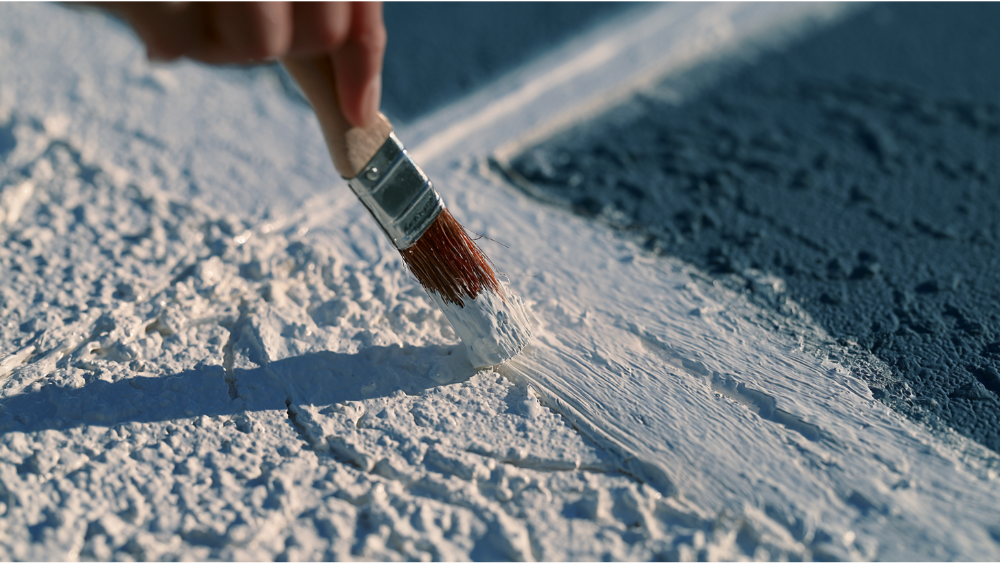
For almost all stucco surfaces, a breathable 100% acrylic or masonry-compatible coating is the right call, paired with a masonry primer. These let vapor pass through the wall instead of trapping it, and a perm rating of 7 or higher is the general recommendation. Because stucco's texture drinks up material, expect thicker coats and more paint than a smooth surface would need, often close to double. That texture is also part of what drives the cost of a stucco home repaint compared to flat siding. Quality lines from makers like Sherwin Williams offer masonry-rated products suited to this kind of work.
Elastomeric paint is worth understanding honestly. It stretches to bridge hairline cracks and can last many years as a durable film, but it's low in vapor permeability and can trap moisture trying to escape. It can work on a stucco house with sound flashing and drainage, but it should never be used to fix a leak or a flashing problem. Whether elastomeric or acrylic is right depends on the wall's condition and the climate. We use premium products backed by lifetime manufacturer warranties and match the coating and primer to what the wall actually needs across the entire surface for a long lasting finish.
Common Mistakes: What Goes Wrong When Painted Stucco Is Treated Like Siding
Treat stucco like ordinary siding and the problems show up fast:
- Pinholes and uneven coverage when texture isn't fully worked with paint.
- Peeling because the surface was chalky or dirty underneath.
- Blistering and bubbling from moisture trapped by a low-perm coating.
- Alkali burn and early failure on fresh stucco painted too soon, before a proper primer.
- Cracks that reappear because they were painted over instead of repaired.
- Mildew, and worst of all, water intrusion or rot hidden under a fresh coat.
Paint isn't a crack filler or a leak repair. If water is getting into the wall, a coating just hides the mildew and structural damage while it spreads. This is why repainting a stucco home is as much about inspection as it is about color. Darker shades add another wrinkle, since they absorb more heat and fade faster, so the choice affects your home's curb appeal for years.
Pacific Northwest Note: Why Moisture Timing Matters Around Edgewood and Seattle-Tacoma
The Seattle-Tacoma area averages about 39.34 inches of rain across roughly 156 days a year. That much wet weather makes breathable coatings, dry-weather painting windows, and working drainage details especially important here. It also feeds mildew growth on shaded, damp walls, which is why proper cleaning before painting matters so much. The Seattle-based Northwest Wall and Ceiling Bureau notes that 100% acrylic finish coats made for stucco are highly vapor permeable and have performed well in the Pacific Northwest. From our home base in Edgewood, we plan stucco painting around dry windows and choose durable coatings that let walls breathe. Painted stucco generally needs repainting every 5 to 10 years, and good prep plus the right materials and primer stretch that timeline.
Older Homes: Why Lead-Safe Stucco Painting Matters
Homes built before 1978, common in older Seattle-Tacoma neighborhoods, may have lead-based paint. Sanding or disturbing that paint can create hazardous dust. The EPA's Renovation, Repair and Painting Rule requires certified contractors for most of this work, with a limited exception for very small areas (6 square feet inside, 20 outside). Cover Pro Painting is EPA Lead-Safe (RRP) Certified, so we handle older-home prep the right way and protect the homeowners who live there.
What a Professional Stucco Painting Estimate Should Include

A careful estimate shows its work. Here's what to look for so you can spot shortcuts:
- A full surface inspection with a crack and structural damage assessment.
- Any rot repair, siding repair, or carpentry scope needed, handled by the same team.
- A clear cleaning and prep plan for the entire home.
- The primer and coating system spelled out, not left vague.
- Weather and scheduling notes (timelines vary by size, prep, and weather, so we give a realistic window, not a guarantee).
- Warranty details, including our 5-year exterior warranty and lifetime manufacturer product warranties.
- A clear, transparent estimate and a straightforward cost before any work begins.
It's also worth confirming a painting contractor is licensed, bonded, and insured through Washington L&I. Specialized techniques matter too: a proper final coat, blended touch ups on repaired areas, and coatings that hold their original color through temperature changes and UV rays are what keep the finish looking right. And know when paint isn't the fix: water intrusion, failed flashing, soft or loose stucco, and rot around trim or windows all need repair first. That's true whether your house is all stucco or a mix of stucco and vinyl siding, and whether the problem sits near the roof, on large areas of wall, or on interior surfaces that got stained by a leak.
Frequently Asked Questions
Can I use regular exterior paint on stucco?
It's not ideal. Stucco's high pH and porosity call for a masonry-specific, alkali-resistant primer and a breathable coating. Standard paints can bubble, burn, or fail early.
Is stucco paint different from exterior paint?
Yes. Coatings made for a stucco exterior prioritize vapor permeability and masonry compatibility, and they're paired with a masonry primer so moisture can still move through the wall.
Is elastomeric paint bad for stucco?
Not bad, just situational. It bridges hairline cracks well in the right conditions, but it's low-perm and can trap moisture. It should never be used to solve a leak or flashing problem.
What are the downsides of painting stucco?
More prep, more paint because of the texture, and extra crack and pH considerations. When the wall is in good shape, a smooth, well-coated result is easy to maintain, but expect to repaint every 5 to 10 years, sooner if prep was cut short.
Does a stucco house look better than siding?
That's subjective. Both can look great. What matters is protecting whichever surface your home has, done correctly.
Get a Free Estimate for Your Stucco or Mixed-Material Exterior
Alex founded Cover Pro Painting, and we treat every home like it's our own. Because we're full-service, one team handles painting, rot repair, siding, and carpentry, so you're never juggling multiple contractors. You get proper surface prep, a transparent estimate before we start, EPA Lead-Safe Certified crews, and a licensed, bonded, and insured company backed by a 5-year exterior warranty. First-time customers get 10% off, and 0% APR financing is available. Start with a free estimate and see exactly what your home's exterior needs. Call us today at 206-222-0435.
