
%201.svg)


Painting Fiber Cement Siding: What's Different From Wood
.webp)
Key Takeaway
Painting Hardie board siding requires treating fiber cement as a cement-based material, not wood, which affects your choice of paint, prep method, and which joints get sealed. James Hardie recommends a 100% acrylic exterior topcoat and advises against oil, alkyd, or stain products. Clean with low-pressure water and a soft brush, let the board dry fully, and treat all exposed cut edges and repairs before applying any topcoat.
Yes, you can paint and repaint Hardie board siding. The catch is that fiber cement has to be treated as cement-based cladding, not as wood with a wood-grain texture. That changes the coating you choose, how you clean it, whether you prime, and which joints get sealed and which ones stay open.
This guide is for a homeowner with existing fiber cement siding planning a repaint. "Hardie board" is a brand name that most people use to mean fiber cement in general, and almost everything below depends on one question: which of the three finishes is on your house right now (factory-primed, ColorPlus factory finish, or previously field-painted)?
Hardie Board vs. Wood Siding: What Actually Changes When You Paint
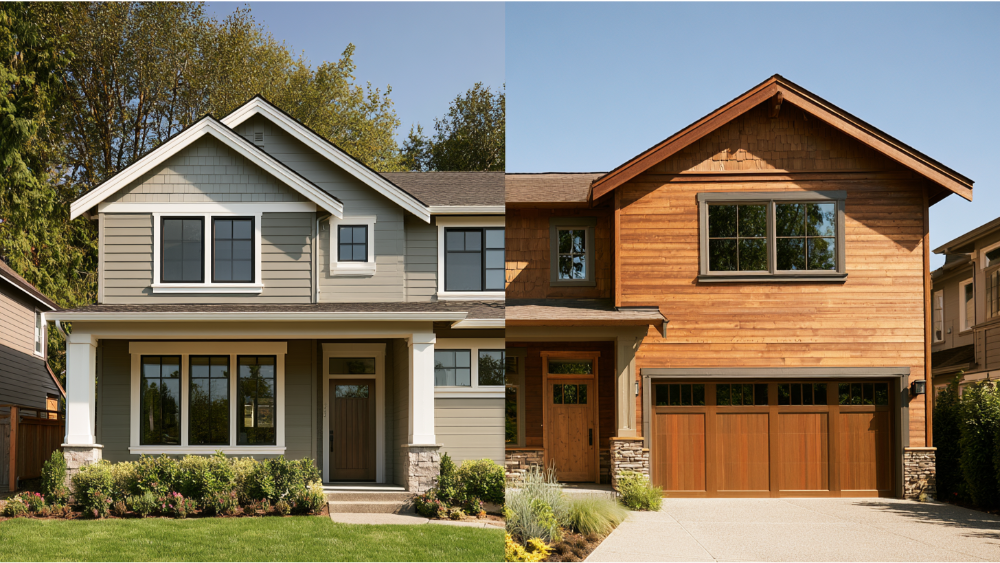
Fiber cement is made from cement, sand, water, and cellulose fibers. It's fire resistant, holds up to wind and rain, and resists the warping, shrinking, and rot that drive most wood siding repaints. That stability is the whole reason its coating requirements are different.
One thing worth flagging: the siding may resist rot, but the wood trim, fascia, and sheathing around it still don't. That's why we inspect before we quote.
First, Identify Which Hardie Siding Finish You Have
The right process depends entirely on what's already on the board.
New factory-primed siding
Primed board is ready for a compatible field-applied finish, which is why it gives you unlimited color choice. James Hardie's instructions call for the finish coat within 180 days of installation. Confirm the current document for your specific profile, since product instructions change.
Factory-finished ColorPlus siding
ColorPlus arrives with a cured factory finish and needs no painting after installation. It carries a 15-year limited finish warranty. It can be repainted, but James Hardie states that third-party paint voids that finish warranty, which is separate from the 30-year substrate warranty. Check the terms before committing to a color change.
Previously field-painted siding
Here the existing coating is the variable. Test adhesion, look for chalking and peeling, and find any spots where bare board is exposed before deciding on primer or paint.
What to Inspect Before You Repaint Hardie Board Siding
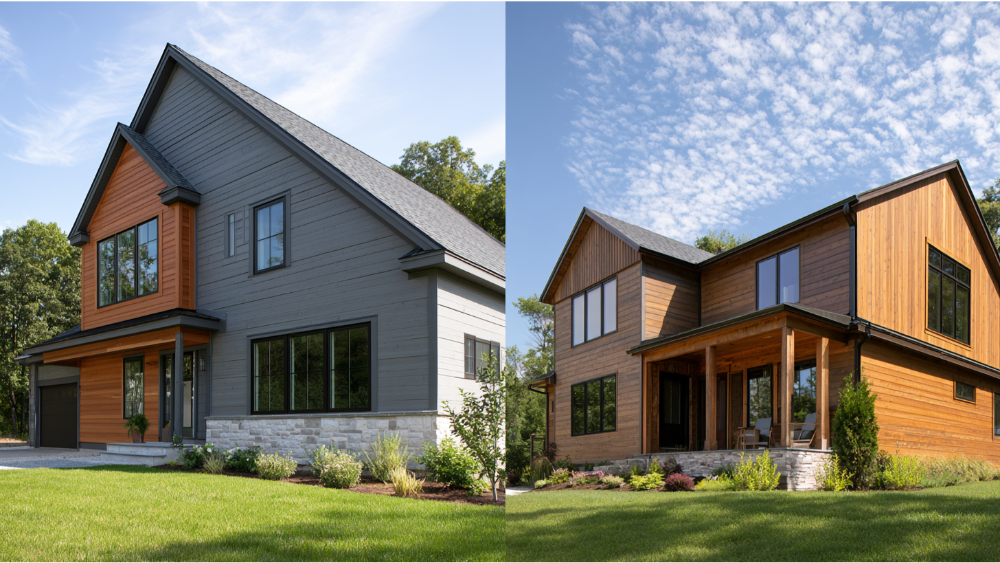
Walk the exterior first, ideally with a ladder and a screwdriver. Look for:
- Cracked, chipped, loose, or delaminated boards
- Peeling coating versus surface chalking (they call for different fixes)
- Failed sealant where siding meets trim, windows, and doors
- Water staining, especially below windows and roof intersections
- Gutter, flashing, and drainage problems
- Siding in contact with soil, roofing, or deck surfaces
- Adjacent wood trim or sheathing showing soft spots or rot
Paint over a moisture problem and you hide it for a season. Then it fails.
How Surface Prep Differs on Fiber Cement
Paint won't bond to chalk, mildew, grime, or a damp cementitious surface. Prep is where a repaint is won or lost.
Clean gently. Plenty of guides tell you to pressure wash. Current James Hardie homeowner guidance says pressure washers can damage the surface and recommends low-pressure water from a garden hose with a soft or medium nonmetal brush. The same guidance suggests routine cleaning every 6 to 12 months.
Let the board dry. Not "it hasn't rained since Tuesday." The board itself has to be dry through, which takes longer in cool, damp weather.
Remove unstable coating without gouging the board, then treat every exposed cut, chip, and patched repair so no raw fiber cement is left uncoated.
Handle pre-1978 homes correctly. EPA's RRP Rule generally applies to paid work disturbing painted surfaces in pre-1978 housing, with a narrow exterior minor-repair exception at 20 square feet or less. Newer siding installed over an older painted exterior can still trigger it. Cover Pro Painting is EPA Lead-Safe (RRP) Certified, so that assessment is part of how we scope the job.
If boards get cut or ground during repair, that's when respirable silica becomes a concern and dust controls belong in the plan.
Does Primed Hardie Siding Need Primer, and What Paint Should You Use?
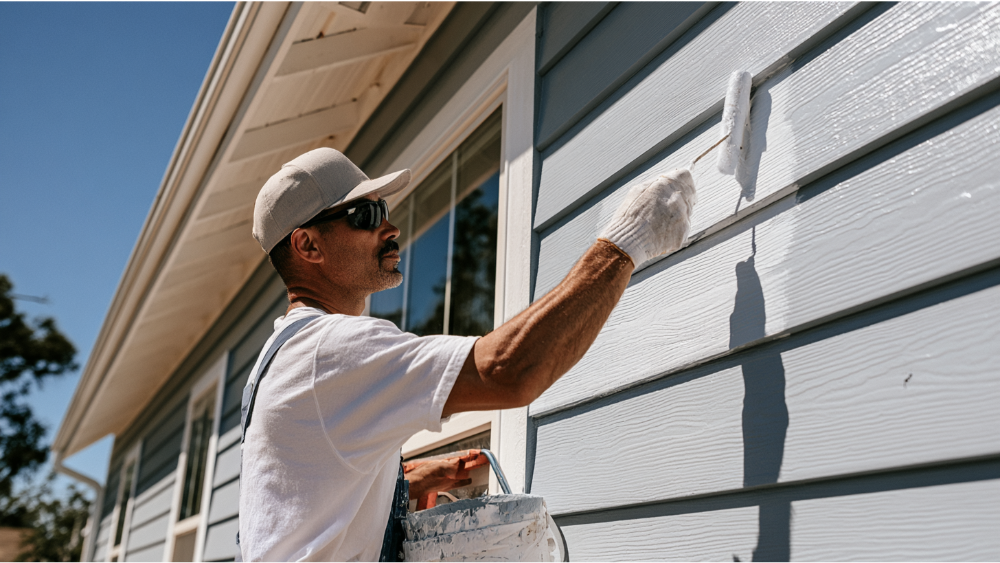
Prime by condition, not by habit:
- Intact factory primer, still within the finish window: additional full priming is generally unnecessary.
- Exposed raw board, cut edges, and patched repairs: these need treatment before topcoat.
- Old coating with adhesion failure: remove what's loose, then prime the bare areas.
- ColorPlus repaint on a clean, dry, sound surface: repriming is normally not necessary.
- Unknown or incompatible coating: test a section first.
A dramatic color change by itself doesn't automatically require primer, despite what a lot of articles claim. Surface condition decides that.
For the topcoat, James Hardie recommends a high-quality waterborne 100% acrylic exterior paint, and advises against stain, oil or alkyd paint, and powder coating. Oil-based coatings on fiber cement can lead to roughness, adhesion loss, cracking, or heavy chalking. Coat count, spread rate, temperature range, and recoat window all come from the coating manufacturer's written instructions. Two thin coats usually outperform one heavy coat, but the product controls that call. We use premium paint products backed by lifetime manufacturer warranties.
Caulking Hardie Plank Siding: Some Gaps Are Supposed to Stay Open
Sealing every visible seam is common advice and it can trap water. Manufacturer details are more specific. The roughly 1/8-inch gap where plank meets vertical trim is typically filled with permanently flexible sealant. Lap-siding butt joints are commonly detailed with joint flashing, and caulk isn't recommended at ColorPlus butt joints for appearance reasons. Horizontal flashing gaps and drainage openings stay open. Exposed ColorPlus nail heads get the manufacturer's touch-up, not a bead of caulk.
Spray, Roll, or Brush Hardie Board Siding?
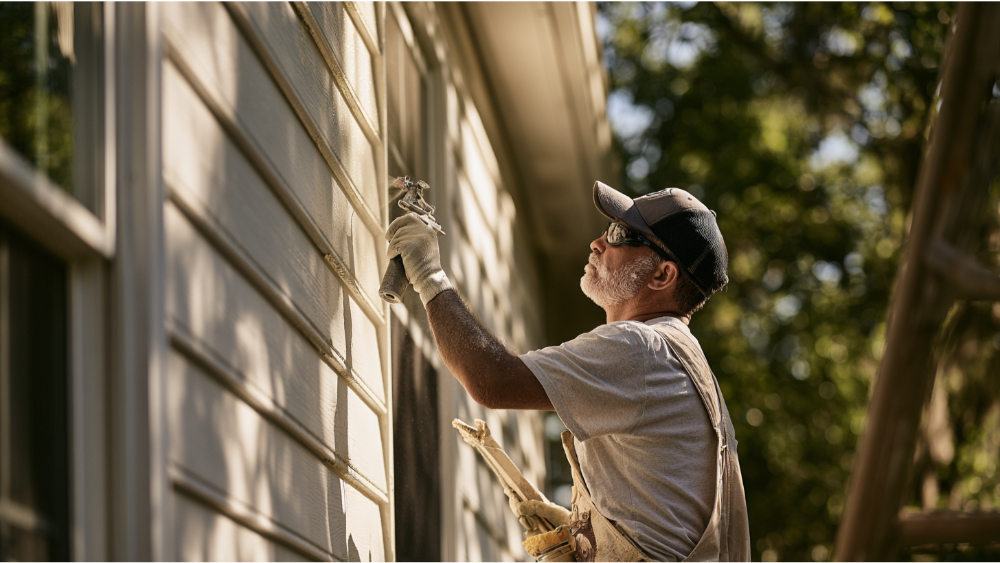
Spraying covers a large exterior efficiently and evenly. James Hardie recommends back-rolling after spraying so the coating works into the board's texture. A roller alone works fine, and a brush is the right tool for edges, trim, and tight detail. The method matters less than clean prep and consistent film thickness.
When Painting Isn't Enough
If boards are cracked or loose, sealant has failed, or water is getting behind the cladding, coating over it just delays the repair. That's the point where board replacement, siding repair, trim carpentry, and rot repair on adjacent wood come first. We handle those in the same engagement, so you're not coordinating a carpenter and a painter on separate schedules.
Painting Fiber Cement Siding Around Edgewood and the Seattle-Tacoma Area
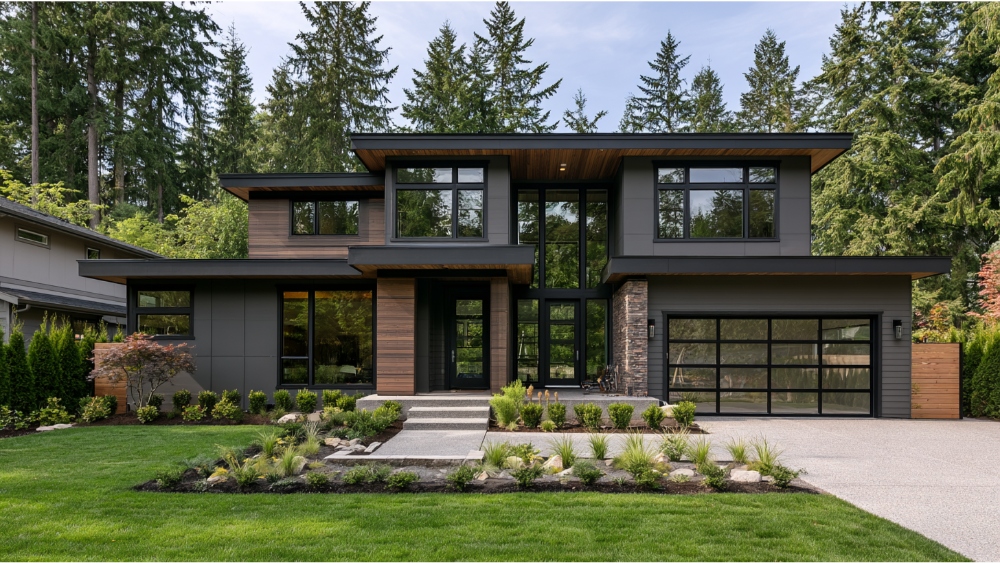
Our weather makes the drying window the hardest part of the schedule. We confirm the board is dry rather than working off the forecast alone, check gutters, flashing, and trim before anything gets coated, and finish repairs first. Cover Pro Painting is based in Edgewood and serves Federal Way, Tacoma, Puyallup, Kent, Auburn, Renton, and surrounding cities. Don't see your city listed? Contact us to confirm service availability.
Frequently Asked Questions
What's the best type of paint for fiber cement siding?
A high-quality waterborne 100% acrylic exterior topcoat. James Hardie's instructions advise against stain, oil or alkyd paint, and powder coating.
Does pre-primed Hardie board need another coat of primer?
Generally no, if the factory primer is clean, sound, and the finish coat goes on within the manufacturer's window. Exposed cuts and repairs still need treatment.
Will repainting ColorPlus siding void its warranty?
James Hardie states that using third-party paint voids the ColorPlus limited finish warranty. The substrate warranty is separate. Verify the current terms before you commit.
Can you pressure-wash Hardie board before painting?
Current manufacturer guidance advises against it and recommends low-pressure water with a soft or medium nonmetal brush instead.
Should Hardie siding joints be caulked?
Only where the installation instructions call for it. Some gaps are intentionally left open for drainage.
Start With a Free Estimate
Before anything gets painted, you should know what your siding actually needs. We'll inspect the board, identify the existing finish, flag repairs, and give you a clear scope and number before work begins. Call Cover Pro Painting at 206-222-0435 or request your free estimate online.
