
%201.svg)


Painting Brick: What You Gain and What You Give Up
Key Takeaway
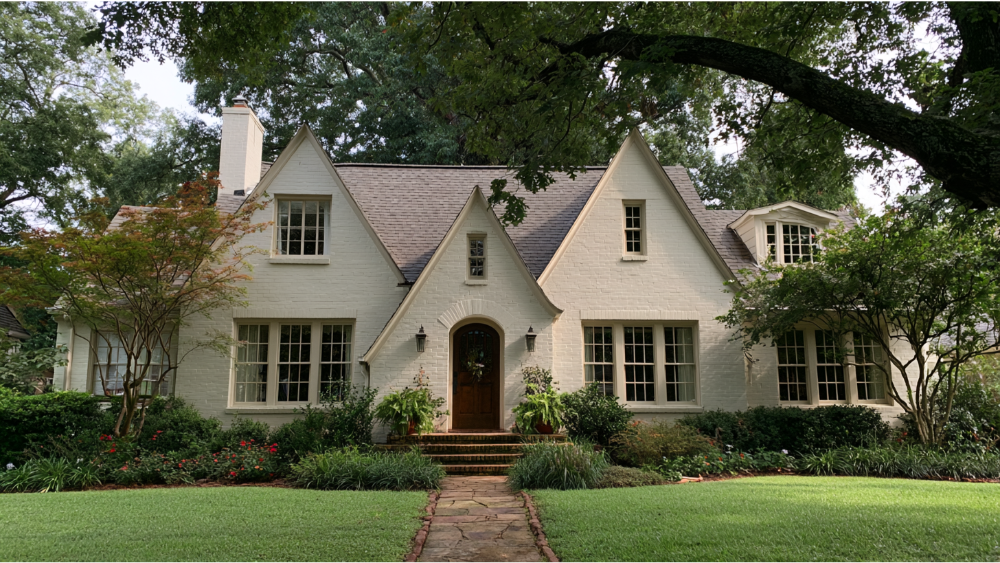
Painting brick gives you a cleaner exterior and stronger curb appeal, but it permanently alters a low-maintenance, breathable surface and creates an ongoing maintenance commitment. What you gain and give up with painting brick depends heavily on moisture conditions: film-forming paints can trap water and cause efflorescence, spalling, and cracking. Traditional paint needs recoating every 3 to 5 years; mineral paints can last 15 years or more.
Painting brick gives you a clean, updated look and stronger curb appeal, and it lets you cover mismatched or aging brick with a single, unified color. But you give up natural brick's low-maintenance, breathable surface, and you take on an ongoing maintenance commitment. Paint also permanently alters the material. If the brick has hidden moisture or damage, the wrong coating can trap water inside the wall and cause real trouble. This guide is for homeowners weighing a permanent-looking exterior change on a building or house, and it's meant to be a straight decision guide, not a sales pitch. We'll tell you when painting brick makes sense, and when not to touch it yet.
The Short Answer: Should You Paint Brick?
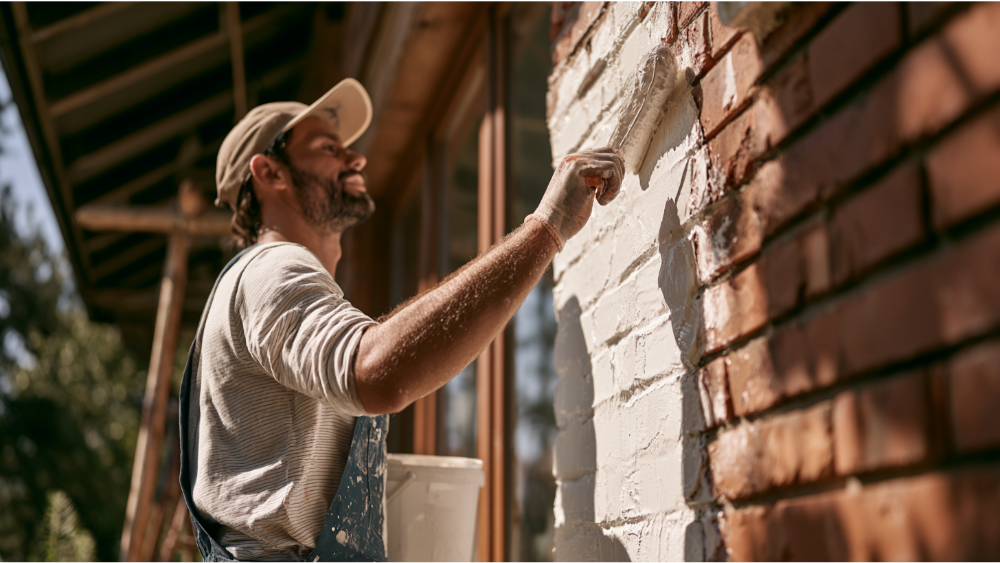
Deciding whether to paint brick is a decision about moisture, maintenance, and prep, not just color or trend. Here's the fast version.
Yes, if:
- The brick is structurally sound and dry.
- Mortar joints are intact.
- The brick is non-historic, or already painted.
- You accept ongoing cleaning and repainting.
No, or not yet, if:
- There's active moisture, or efflorescence that keeps returning.
- The brick is spalling (flaking or crumbling on the face).
- Mortar is soft or missing.
- Weeps are clogged or flashing has failed.
- The masonry is historic and worth preserving.
The core tension is simple: appearance and curb appeal on one side, maintenance and moisture responsibility on the other. This is a big decision. When you paint your brick, you can also detract from the architectural authenticity of an older brick house, and that matters to how the property reads from the street and within the neighborhood.
Painting Brick Surfaces: What You Gain and What You Give Up
The gains are real. Paint delivers a cleaner, more current exterior, and it's the fastest way to cover mismatched or dated brick with one color and a modern style. It can refresh a brick wall that's already painted and starting to look tired. On a sound structure, the right breathable coating adds an extra layer of surface protection. And it opens up design flexibility, letting you coordinate the brick with your trim, siding, doors, and gutters to create one cohesive look.
Now the honest side. You give up the natural brick look, and you can't easily get it back. Paint removal from brick is labor-intensive and can damage the surface. You also give up a low-maintenance material. There's a resale angle worth knowing too: many buyers view natural brick as low-maintenance and brick painted white or another opaque color as an ongoing commitment, and natural brick homes often appreciate more. Painted brick can even deter some buyers when they decide where to make an offer, so the choice can affect your money at sale time.
Why Exterior Brick Is Different: The Moisture and Breathability Issue
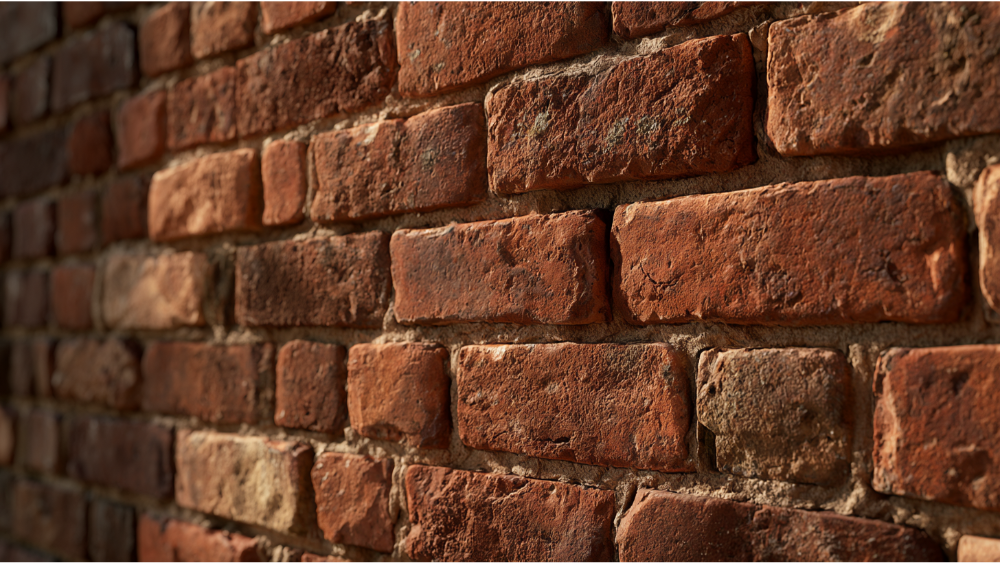
Brick walls are built to manage water, not fully block it. Brick is porous, so it absorbs moisture and then releases it as vapor. This is why brick is naturally breathable, and it's where "breathability" comes in. In plain terms, a breathable coating is one that lets water vapor pass through, so the wall can dry and release moisture rather than hold it.
The Brick Industry Association points to water vapor permeance as the key factor when treating brickwork. Film-forming coatings sit on the surface and can slow drying. Bare brick has tiny holes across its face, and exposed brick relies on those pores to breathe. Most brick veneer and drainage walls also depend on weep holes, flashing, and an airspace behind the brick to redirect water that gets in. A coating on the face should never interfere with how the wall dries and drains, because a sealed film in the wrong place works against the way the construction was designed to shed water.
When moisture gets trapped behind a painted surface, you get problems that are worse than a dated color: efflorescence (white salt deposits), spalling, cracks, freeze thaw damage from freeze thaw cycles, and conditions that support mold and mildew. Trapped moisture is the root of most brick failures, and over time it drives real deterioration in the wall and can threaten structural integrity. If a wall is trapping water, that's a red flag and a sign of possible structural issues to address before any coating. So when a product is called "breathable," make sure it means vapor-permeable, not just a marketing word.
Paint, Limewash, Mineral Paint, Stain, or Mortar Wash?
There's a meaningful split between mineral-based treatments, which penetrate the brick pores and keep vapor moving, and non-mineral film-forming paint, which forms a surface film that can reduce permeance.
Brick stain is worth a closer look if you want a color change while keeping the brick's texture intact, since it soaks in rather than sitting on top. On maintenance, be realistic. The Brick Industry Association says traditional film-forming paint on brick needs recoating every few years, roughly every 3 to 5, though some consumer sources cite 10 to 15. Mineral paints often carry warranties of 15 years or more, and BIA notes some projects have gone 30 years or more without recoating. Longevity varies by product, prep, exposure, and wall condition. Keep in mind that going back is hard: removing paint from brick is expensive and can damage the material.
Prep and Repair First Before You Paint Your Brick
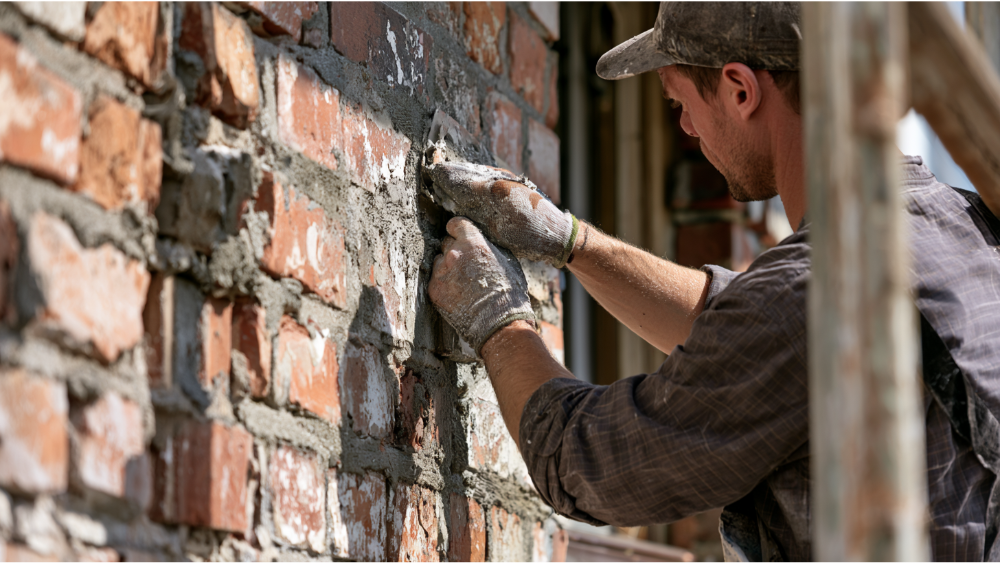
Paint is never a cover-up for a problem. Surface prep is where a lasting result is won or lost when you're painting brick surfaces. Before any coating goes on, the brick and mortar joints get inspected. Don't paint if you see recurring efflorescence, spalling, soft or missing mortar, cracks wider than a business card, clogged weeps, failed or missing flashing, biological growth, interior damp spots, or historic masonry worth keeping in its original state.
The sequence matters. Inspect first, then correct the moisture source and make repairs, whether that means new bricks in a spalled area or fresh sealant. This is where full-service capability pays off: rot repair, siding, carpentry, and sealant work handled by one team, so you're not coordinating multiple contractors around a paint schedule. Then clean using the least aggressive method that works. Gentle power washing can help, but skip sandblasting and harsh acids, which strip the hard outer face and expose the softer core, damaging the brick's ability to shed water. Finally, confirm the surface is dry before coating and let repaired brick dry completely. New or repaired mortar needs curing time, and masonry has to be dry to accept a coating. In the cool, wet greater Seattle-Tacoma climate, moisture management and drying windows matter more, not less, for any structure with exterior brick, from a full house down to a detached garage.
Older Homes, Lead-Safe Rules, and When to Hire a Pro
If your house was built before 1978, exterior prep like scraping and sanding can disturb old lead-based paint. Under EPA's Renovation, Repair and Painting (RRP) rule, work disturbing more than 6 square feet of interior or 20 square feet of exterior painted surface in a pre-1978 home requires a lead-safe certified contractor. That covers many brick buildings across Tacoma, Seattle, and the surrounding communities, whether the material is brick, concrete, or a mix with metal trim. Cover Pro Painting is EPA Lead-Safe (RRP) Certified, which matters most on historic brick and older construction where original coatings are unknown.
Small, clean, dry interior brick can be a reasonable DIY project. A whole-house exterior brick job is higher risk, between moisture diagnosis, safe access, cleaning judgment, product selection, weather timing, and lead-safe rules. If prep is rushed, brickwork that should stand for decades can be destroyed by the wrong method. In Washington, contractors must register with L&I and be bonded and insured, and you can check a contractor's registration, bond, and insurance through L&I's Verify tool before you decide who to hire. Cover Pro Painting is licensed, bonded, and insured in Washington State.
How Cover Pro Painting Approaches Brick, and Your Free Estimate
We're a founder-led team based in Edgewood, WA, serving the greater Seattle-Tacoma region. We start with a free estimate and an honest condition review of your brick or masonry structure. If painting isn't the right call yet, we'll tell you. We address repairs first, including rot repair, siding, carpentry, and sealants, so we're never coating over a problem or sealing in trapped moisture. Proper surface prep every time, premium paint products, and clear communication with a transparent estimate before work begins help us achieve a finish that lasts and suits your home's character. New customers get 10% off, and 0% APR financing is available so cost doesn't have to hold up the right approach to your property.
Ready to talk it through? Get a Free Estimate or call us today at 206-222-0435.
Frequently Asked Questions
Does painting over brick devalue a home?
It often can. Many brick buildings hold value because buyers see natural brick as low-maintenance and painted brick as an ongoing commitment, and natural brick homes tend to appreciate more. The impact depends on your market and the quality of the work.
Does painted brick trap moisture?
It can, if the wrong coating is used. Film-forming paints slow the wall's ability to dry, and trapped moisture leads to efflorescence, spalling, and cracking on an exterior brick wall. A vapor-permeable, mineral-based product on sound, dry brick reduces that risk.
How long does painted brick last before repainting?
Traditional film-forming paint generally needs recoating about every 3 to 5 years per the Brick Industry Association. Mineral paints can last far longer, sometimes 15 years or more. Prep, product, and exposure all affect the result.
Can you remove paint from brick later?
Not easily. Removing paint from brick is labor-intensive and expensive, and aggressive methods can damage the surface. Treat the choice to paint your brick as a long-term, hard-to-reverse decision.
Is it safe to paint brick on a pre-1978 home?
Yes, with the right precautions. Prep that disturbs old paint on pre-1978 homes can trigger EPA lead-safe requirements, so hire an EPA Lead-Safe (RRP) certified contractor. Cover Pro Painting is RRP certified.
