
%201.svg)


Painting Aluminum Siding: What Homeowners Should Know Before Repainting
Key Takeaway
Aluminum siding can be painted successfully when it is structurally sound, fully clean, and properly dechalked before any coat is applied. A premium 100% acrylic exterior paint over well-prepped aluminum typically lasts 6 to 10 years. Skipping surface prep, especially removing the powdery oxidation layer, is the leading cause of early peeling on painting aluminum siding projects.
Can You Paint Aluminum Siding?
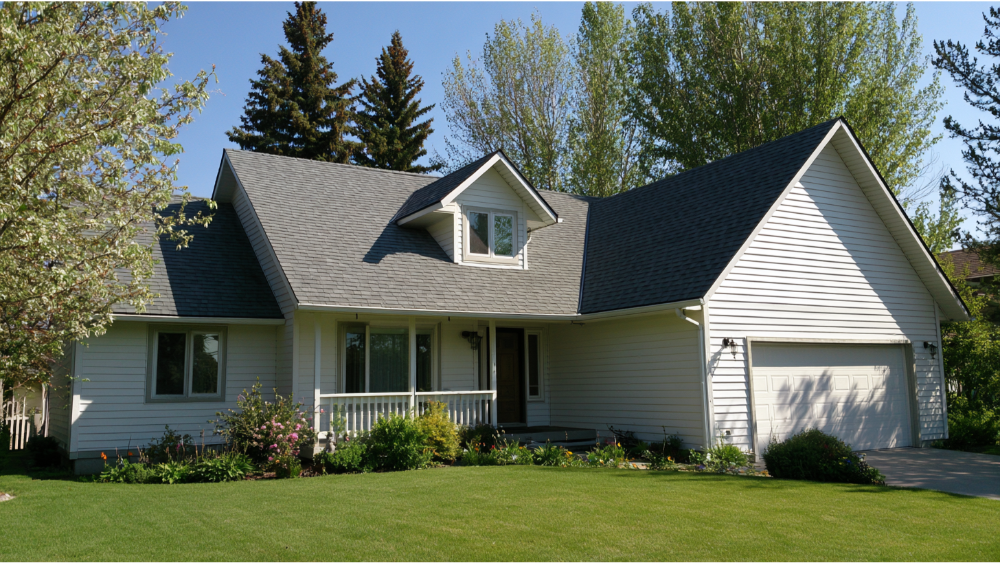
The short answer is yes: aluminum siding can be painted, and painting is often a smart move for faded, chalky, or dated homes. The one condition that matters most is that the siding has to be structurally sound, clean, dry, and properly prepared before a single coat goes on. The single biggest factor is removing the powdery paint pigment (that fine, dusty film the factory finish leaves as it weathers) so the new coating can actually grip the metal. Done right, a fresh coat of paint protects against weather and moisture, lifts curb appeal, and usually costs far less than a full siding replacement. Here's the truth we build every painting project on: the finish is only as good as the surface prep.
Is Your Aluminum Siding a Good Candidate for a Fresh Paint Job?
Paint is a strong option when aluminum siding is faded or chalky but still doing its job. It's a poor choice when a coat of paint is used to hide deeper problems. Before we commit to painting aluminum siding, we inspect the whole home's exterior, and you can do the same walkthrough. Look for:
Painting over uncorrected defects is one of the fastest paths to a finish that fails early. When the checklist turns up damage, we handle the rot repair and siding repair first, so the paint lands on a surface worth painting.
Why Aluminum Siding Gets Chalky Over Time
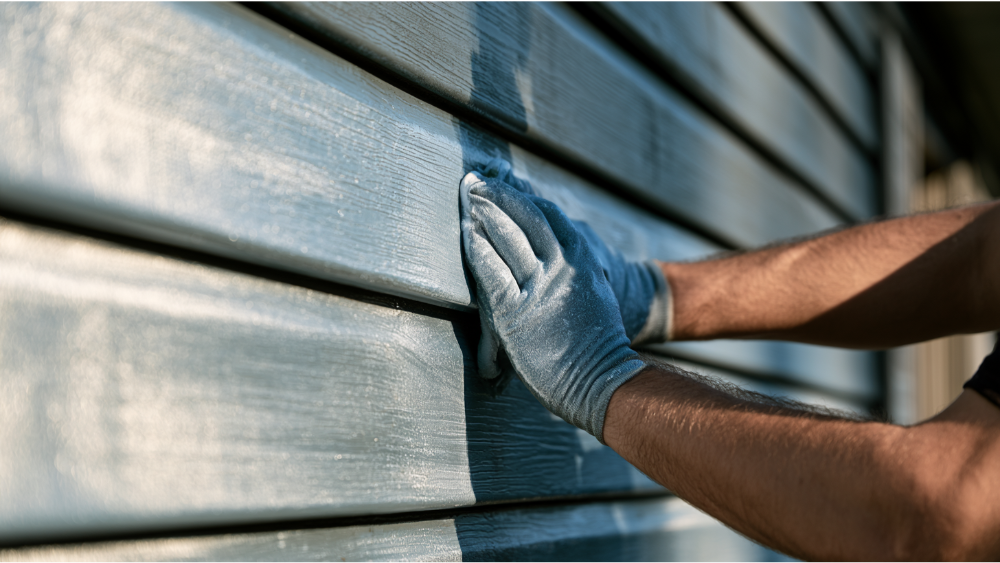
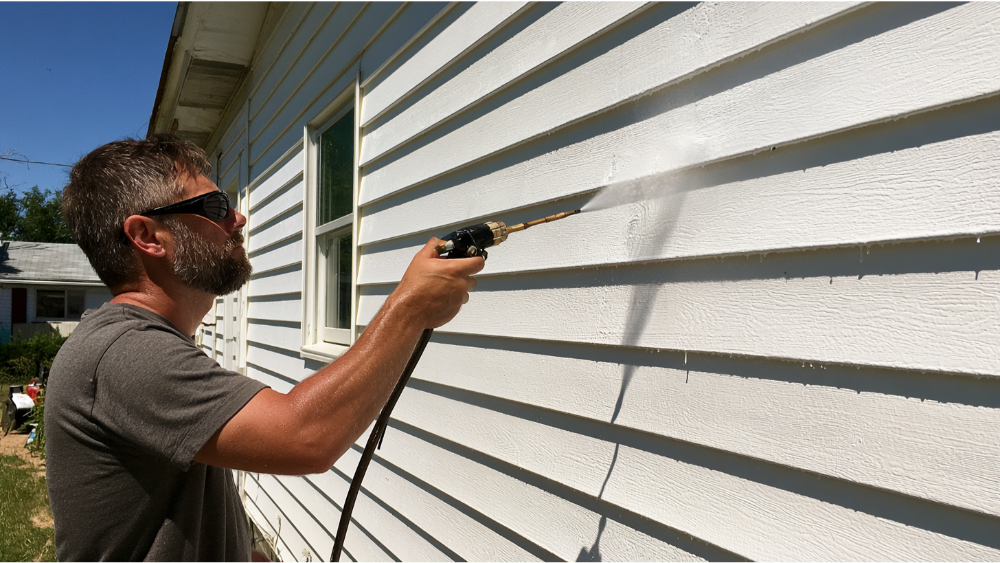
Chalking is normal. As the factory finish weathers, its binder breaks down and leaves a fine powdery paint pigment on the surface. You can check with a simple wipe test: rub your hand across the old siding, and if powder comes off, there's chalk that has to be washed away. Old paint and heavy oxidation both affect paint adherence, so a coat applied over a chalky surface can't bond to the aluminum underneath and it peels. Removing that oxidation is not optional if you want the paint adhesion to last. This is one place where a pressure washer or a careful hand wash makes all the difference before any painting begins.
Why Proper Preparation Is the Difference Between Lasting Results and Peeling Paint
This is where painting jobs are won or lost. Skipping surface prep is what leaves homeowners repainting in two years. A thorough cleaning is the foundation for a long lasting finish, and here's the order we follow.
The Prep Checklist and Cleaning Solution We Use to Get to Sound Bare Metal
When you rinse, spray downward so water runs off the wall rather than driving up behind the panels; a garden hose works well for the final rinse on smaller areas. Give the surface time to dry completely (about 24 hours) before priming. Rushing that step traps moisture, and moisture leads to peeling on metal surfaces.
Lead-Safe Practices for Homes Built Before 1978
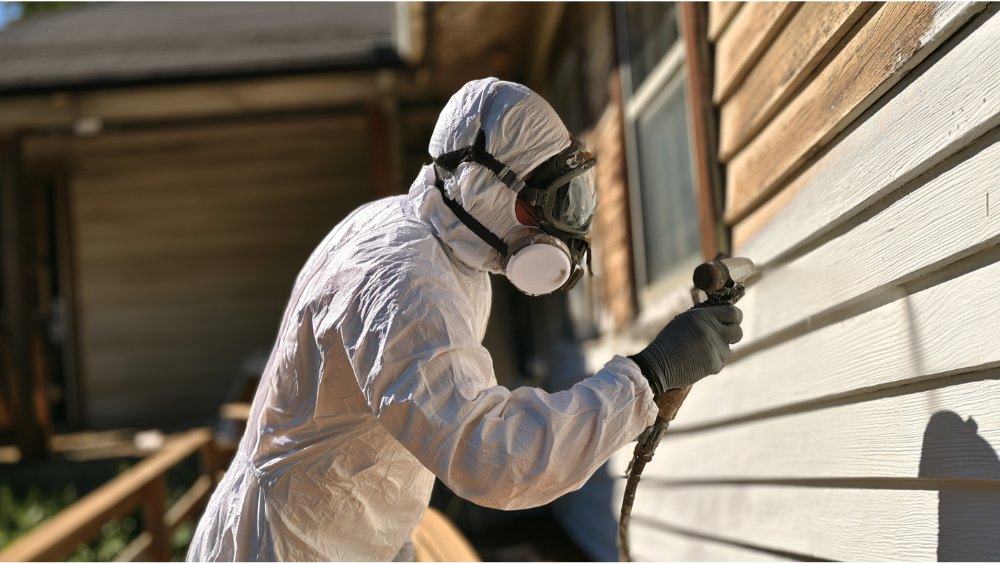
Homes built before 1978 are more likely to contain lead-based paint, and sanding or scraping can throw hazardous dust into the air and onto the ground. That's why the EPA's RRP Rule generally requires paid contractors to be certified when they disturb paint in pre-1978 housing, with a minor-repair exception for work under 6 square feet inside a room or 20 square feet on the exterior. Cover Pro Painting is EPA Lead-Safe (RRP) Certified, so older-home prep is handled with the right containment and cleanup from the start.
What Kind of Paint Works on Aluminum Siding? (Not All Paints Are Created Equal)
Choosing the right paint matters. A premium acrylic paint made for exterior use, ideally 100% acrylic, is the reliable choice for painting aluminum. Acrylic flexes with the metal as temperatures swing and holds up to weather, moisture, and wear. Alkyd and oil-based paints are generally not recommended straight onto aluminum, because a reaction can occur when moisture is present. Two coats outperform one thick coat for durability and even color, and they help the paint colors read true across the whole wall. We use premium paint products specifically designed for metal surfaces and backed by lifetime manufacturer warranties, and we match the product to the surface condition rather than treating every wall the same. One note on low-VOC labels: those rules mainly target outdoor air quality, so low-VOC isn't a complete indoor-air guarantee.
Do You Need Primer on Aluminum Siding?
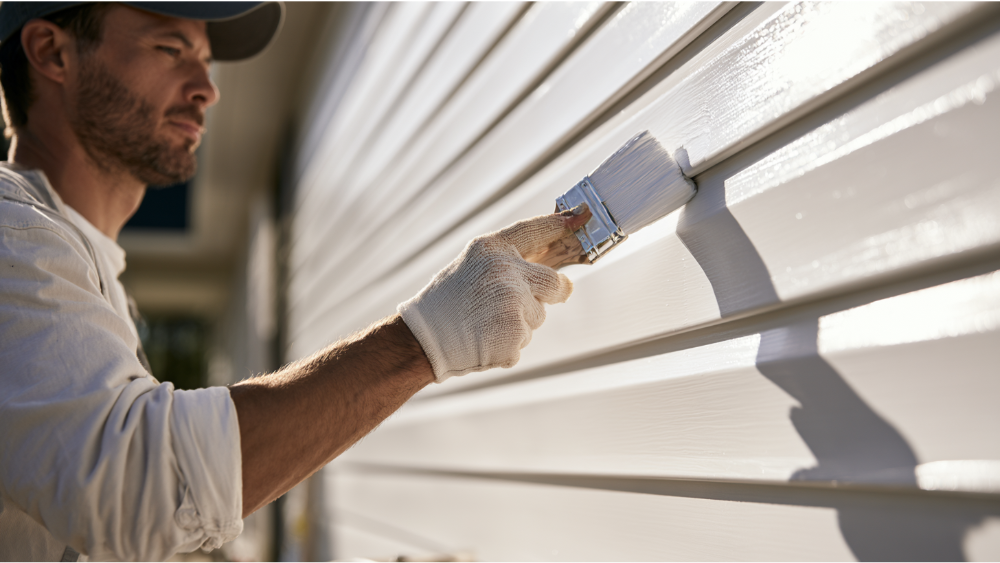
Primer is condition-dependent, not automatic. Here's how it breaks down:
Primer likely NOT neededPrimer likely neededClean, dull, sound factory finish with no exposed metalBare aluminum or exposed metal surfacesSurface already washed and dechalked with good toothSlick or glossy surfaces, heavy oxidation, stainingPeeling previous coating, patched or repaired areas, or when the product system requires it
On bare metal or slick spots, a bonding or self-etching primer made for metal improves grip and gives you a better paint finish. Always follow the manufacturer's specifications for the coats you're applying.
Should Aluminum Siding Be Sprayed, Rolled, or Brushed?
All three can work. The tools needed range from a sprayer to high quality brushes and rollers. Spraying, with everything properly masked and covered with drop cloths, produces a smooth, even coat across large runs of siding and speeds up smooth application. Rolling and brushing are good for detail work and touch-ups. The application method matters far less than the prep, the product, and the conditions. A sprayed coat over chalk still fails; a brushed coat over clean, prepped siding lasts.
The Best Conditions for Painting Aluminum Siding
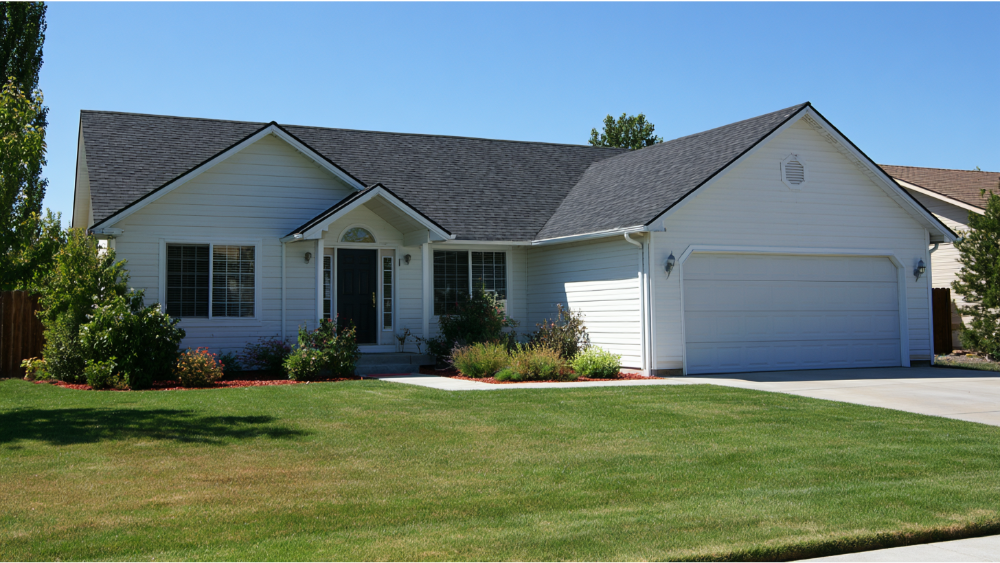
Preparing aluminum siding means it must be clean and fully dry, with no rain, fog, or dew in play. Industry standards from MPI say not to paint when air or surface temperatures fall below 50°F, when relative humidity climbs above 85%, or when the dew point is within 5°F of the surface temperature. Where conditions must be controlled, they should be maintained for 24 hours before, during, and after each coat. Extreme temperatures are a problem too: surface temperatures above 100°F can dry the film before it properly adheres. Because weather and prep needs vary, we don't promise a universal timeline. Your estimate lays out the schedule.
Paint vs. Repair vs. Replace Aluminum Siding: How to Decide
Getting aluminum siding painted properly can extend the life of your siding by years, and painting is often a cost effective alternative to a full siding replacement. Painting also adds a layer of protection that keeps the metal sound. When it does make more sense to replace aluminum siding than to keep coating it, that's a call we make with you, not for you. That's why we handle painting siding, rot repair, siding repair and replacement, and carpentry with one team. As a professional painting service, we give you a finished exterior without juggling multiple contractors.
How to Maintain Painted Aluminum Siding
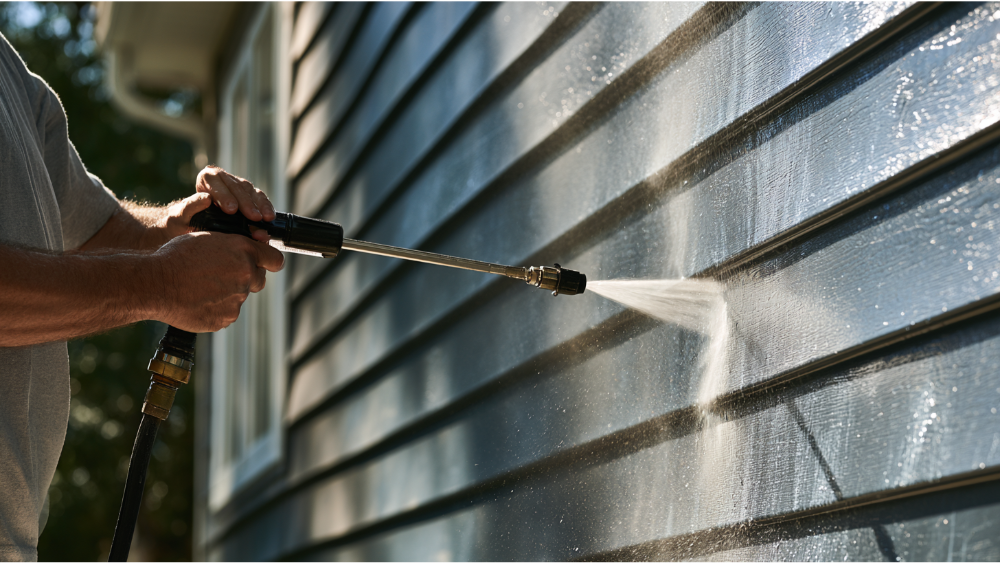
Regular maintenance goes a long way. A gentle wash once or twice a year keeps dirt and early mildew from settling into the siding. Watch for new chalking or small peeling spots, and address failed caulk or minor damage before it spreads. A quality paint job done by professional painters, with solid prep, typically holds up for several years, often in the 6 to 10 year range, giving your siding an extended lifespan though wear and exposure vary from home to home.
How to Get a Clear, Transparent Estimate for Your Paint Colors and Project
Every home is different, which is why fixed online prices aren't reliable. Your estimate depends on siding condition, how much prep and repair is needed, height and access, lead-safe requirements, the product system and paint colors you choose, and the weather window. We walk you through the scope and give you a clear number before work begins, with clear communication start to finish, so you get a professional finish without surprises. Based in Edgewood, WA and serving the greater Seattle-Tacoma region, we'd be glad to take a look at your painting project. Call 206-222-0435 for a free estimate. Ask about our first-time customer discount and 0% APR financing. Don't see your city listed? Contact us to confirm service availability.
Frequently Asked Questions
Is it a good idea to paint aluminum siding?
Yes, when the siding is structurally sound. A fresh coat of paint refreshes the look, protects against weather and moisture, and costs significantly less than replacing the siding.
What kind of paint will stick to aluminum siding?
A premium acrylic exterior paint applied over clean, dechalked, dry siding. Avoid oil-based paints directly on aluminum, since they can react when moisture is present.
Do you always need primer on aluminum siding?
No. A clean, sound factory finish often doesn't need it, but bare metal, slick or glossy surfaces, staining, and repaired areas usually do. Always follow the manufacturer's specifications.
Can you paint chalky aluminum siding?
Yes, but only after the chalk is washed off, often with a pressure washer and a proper cleaning solution. Do the wipe test first. If powder transfers to your hand, the surface must be cleaned and dechalked, or the new coats of paint will peel.
